


We may earn a commission when you buy through links on this page, at no extra cost to you. Learn more.
Fino sherry tasting notes typically describe a bone-dry, pale wine with aromas of almonds, fresh bread dough and wild herbs, followed by a crisp, savory palate and a refreshing almond finish. Made primarily from Palomino grapes in southern Spain, Fino develops its distinctive character through aging beneath a protective layer of yeast called flor. Expect delicate aromas, very little sweetness, a light texture and approximately 15% alcohol by volume. Served properly chilled, it is particularly enjoyable with olives, seafood, cured ham and other savory foods.
Fino is one of the most distinctive styles of fortified wine. Its pale color and delicate texture might suggest an ordinary dry white wine, but its production method creates a flavor profile that is quite different. Almonds, fresh dough, herbs and savory mineral impressions take center stage, while the wine’s dryness makes it especially suitable for serving alongside food.
Understanding its appearance, aromas, flavor, acidity and finish makes it easier to recognize Fino and appreciate the differences between bottles. The following guide explains what to look for during a tasting, how biological aging shapes the wine, and which foods bring out its best characteristics.
Appearance, Aromas and the Main Fino Flavor Characteristics
Fino is generally pale straw yellow to light gold, with a delicate bouquet of almonds, yeast, fresh bread dough and Mediterranean herbs. Its defining taste is dry and savory rather than sweet or strongly fruity.

Appearance: Pour Fino into a clear glass and examine its color against a white background. Most examples show a bright, transparent appearance ranging from pale straw to a slightly deeper golden shade. Younger wines often look particularly light, while extended maturation can produce a more pronounced golden color. Fino should generally look clear and lively rather than dark and heavy.
Almond aromas: Almond is one of the most recognizable elements of Fino. Look for the smell of fresh blanched almonds, almond skins or lightly toasted nuts. The impression is usually savory rather than sweet, so it should not resemble marzipan, almond cookies or sugary pastry. This nutty quality is an important part of the wine’s identity.
Yeast and bread aromas: Another defining characteristic is a fresh dough or bakery-like scent. It can suggest baguette dough, baker’s yeast, bread crust or the aroma of a bakery before the bread is fully baked. These notes come from biological aging and help distinguish Fino from many conventional white wines.
Herbal aromas: Wild herbs add another dimension. Depending on the producer and maturation, the bouquet can suggest hay, chamomile, dried Mediterranean herbs or subtle grassy notes. These aromas generally remain delicate and combine with the almond and yeast characteristics rather than overpowering them.
Palate: The first sip is usually dry, light and refreshing. There is very little residual sugar, so the wine does not have the rounded sweetness associated with Cream Sherry or Pedro Ximénez. Instead, its flavor emphasizes savory yeast, almonds, gentle bitterness and a distinctive saline impression.
Some bottles show hints of green apple, citrus or other restrained fruit notes. However, Fino is not generally considered a strongly fruity wine. Its appeal comes from the relationship between freshness, savory flavors and the distinctive aromas produced during biological aging.
Finish: The finish often brings back almonds, herbs and a lingering dry sensation. A slight bitterness can remain after swallowing, adding definition without making the wine unpleasant. The best examples feel refreshing rather than heavy, encouraging another sip.
These characteristics explain why Fino works so well as an aperitif. It offers enough aromatic complexity to remain interesting on its own, but its dry structure also prepares the palate for salty and savory dishes.
How Flor Aging Shapes Fino’s Aroma and Taste
Fino gets much of its distinctive character from biological aging beneath flor, a living layer of yeast that develops across the wine’s surface inside oak casks. This layer limits direct contact with oxygen and contributes the fresh dough, almond and savory qualities associated with the style.
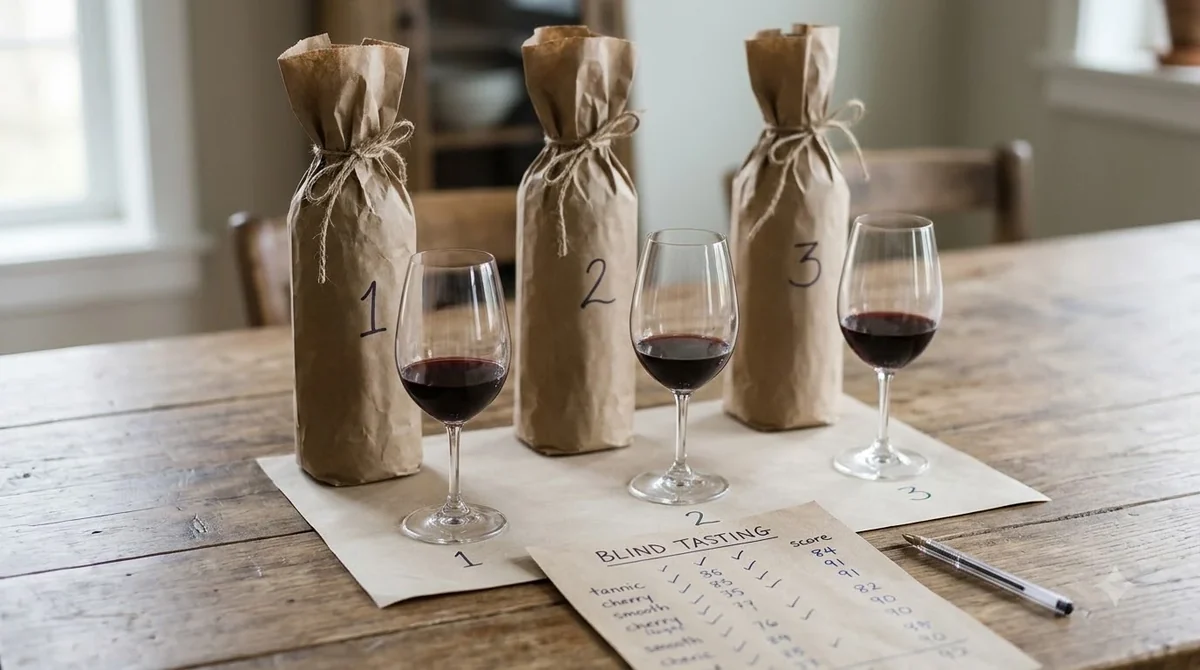
Production begins with Palomino grapes, which are fermented to produce a dry base wine. The wine is then fortified to approximately 15% ABV to encourage the development of flor. This is an important distinction between Fino and many other fortified wines: its characteristic maturation depends on the activity of yeast rather than extended oxidative aging.
What flor does inside the cask
Flor is a living population of yeast that forms a protective covering over the wine. It is not simply a decorative layer or a surface deposit. The yeast interacts with the wine during maturation, changing its chemical composition and helping produce the characteristic aromas associated with Fino.
According to the Jerez regulatory council, this biological aging process lasts at least two years. During that time, flor helps protect the wine from direct oxidation while contributing the delicate, savory character that separates Fino from richer Sherry styles.
The interaction between yeast and wine helps explain why Fino can smell like fresh dough and almonds even though it has not been made through a conventional bread or nut flavoring process. These aromas develop naturally during maturation.
American oak and the solera system
Traditional Fino matures in American oak casks, commonly called butts in Sherry production. The vessels are not filled completely, leaving space above the wine for the flor to develop. This arrangement allows biological aging to take place while limiting direct exposure of the liquid to oxygen.
The wine also passes through the traditional criaderas and solera system. This method uses successive levels of casks containing wines of different ages. A portion of the oldest wine is withdrawn for bottling, and younger wine is transferred through the system to replenish the older casks.
SherryNotes describes a typical Fino solera as containing three to seven criaderas. The method helps maintain a recognizable house character while allowing wines of different maturation stages to contribute to the finished blend.
For drinkers, this means that a conventional Fino usually represents a blend of wines from different harvests rather than a single vintage. The producer’s handling of the solera, cellar conditions and maturation period all influence the final aromatic balance.
The official Jerez regulatory council’s Fino profile provides additional details about the grape variety, biological aging, tasting characteristics and traditional food pairings.
Sweetness, Acidity, Alcohol and Texture
Fino is a bone-dry fortified wine, generally containing less than 1 gram of residual sugar per liter. Its refreshing character comes from its acidity, savory flavors and delicate texture rather than sweetness, while its alcohol content is higher than that of most ordinary dry white wines.
The Jerez regulatory council sets the maximum residual sugar level for Fino at less than 4 grams per liter, with typical examples usually containing less than 1 gram per liter. This explains the wine’s distinctly dry impression. There is very little sugar to soften its herbal, nutty and saline characteristics.
Its acidity helps maintain freshness. The regulatory council gives a typical total acidity range of 3–5 grams per liter, expressed as tartaric acid. Fino does not necessarily have the sharp acidity of Sauvignon Blanc or Riesling, but its acidity contributes to a clean finish and helps it work with food.
Alcohol and body
Fino generally contains approximately 15% ABV, although the broader regulatory range is 15–18% ABV. This is noticeably higher than the alcohol level of many still white wines, even though Fino often feels relatively light in the mouth.
Its body is delicate rather than rich. The wine does not rely on residual sugar or heavy oak flavors to create weight. Instead, its aromatic intensity and savory character provide much of its presence on the palate.
Alcohol can become more noticeable if Fino is served too warm. Chilling the wine helps preserve its freshness and keeps the alcoholic impression from becoming the dominant feature.
Fino characteristics at a glance
| Characteristic | Typical Fino profile |
|---|---|
| Primary grape | Palomino |
| Color | Pale straw yellow to light gold |
| Residual sugar | Usually below 1 g/L |
| Regulatory sugar limit | Less than 4 g/L |
| Total acidity | 3–5 g/L as tartaric acid |
| Alcohol | Usually approximately 15% ABV |
| Minimum biological aging | 2 years |
| Serving temperature | 43–46°F |
| Primary aromas | Almond, yeast, fresh dough and herbs |
| Primary flavors | Almond, saline notes and savory yeast |
These measurements describe the general category rather than the exact specifications of every bottle. Producers can create different expressions through variations in maturation, cellar conditions and blending decisions.
It is also useful to distinguish Fino from other dry Sherry styles. Amontillado generally has a deeper, more oxidative character, while Oloroso develops without the protective layer of flor. Fino remains the lighter and fresher expression.
Young Fino, Older Bottlings and Producer Differences
Fino does not have one fixed flavor profile across every bottle. Maturation time, flor development and producer decisions can change its salinity, aromatic intensity, herbal character and savory complexity.
Younger Fino usually emphasizes freshness and the immediate character of biological aging. Expect bright almond aromas, fresh dough, delicate herbs and a crisp palate. Some bottles also show subtle green apple or pear impressions, although these are usually secondary to the yeast-derived aromas.
SherryNotes identifies wines around four years of age as useful examples of the classic Fino character. These can show clear flor aromas, mineral impressions and a slightly sharp edge. The balance between freshness and savory complexity makes them particularly useful with tapas and seafood.
Older Fino and Fino Antiguo
Longer maturation can produce greater concentration and complexity. Older examples may show more developed savory flavors, stronger nutty impressions and a less sharply pronounced saline character. Their finish can also feel more layered than that of younger bottlings.
Fino Antiguo is an older expression in which the flor begins to weaken during extended maturation. SherryNotes identifies a minimum age of seven years for this category. The gradual changes in the protective yeast layer can produce a deeper color and a more developed flavor profile.
These wines should not automatically be confused with Amontillado. The distinction depends on the production and aging classification, not simply on whether the wine has become darker or more nutty.
Recognized Fino producers
Several established names provide useful starting points for exploring the category:
- Tío Pepe: Produced by González Byass, this is a widely recognized example of Fino. Its characteristic profile includes a pale appearance, almond and yeast aromas, a bone-dry palate and a long finish with a gentle bitter note.
- La Ina: A recognized Fino associated with Lustau. It offers another reference point for exploring the traditional style of biologically aged Sherry.
- Inocente: A Fino from Valdespino that provides an opportunity to compare another producer’s interpretation of biological aging.
Comparing bottles from different producers can reveal how much variation exists within the same wine category. Even when two wines share Palomino grapes, flor aging and similar alcohol levels, their aromas and palate intensity can differ.
Longer-aged expressions can also be interesting comparisons. Tío Pepe’s Palma bottlings, for example, include Una Palma and Dos Palmas, with the producer describing Dos Palmas as an eight-year-aged expression. Such examples demonstrate how extended maturation can change the character of a wine while retaining its connection to Fino.
For a broader look at the fortified wine category, explore our Sherry tasting notes, which explain how dry, oxidative and sweet styles differ in appearance, flavor and structure.
How to Taste and Serve Fino Sherry
Serve Fino well chilled at approximately 43–46°F to preserve its delicate aromas, freshness and savory character. A traditional catavino or a small white wine glass allows the wine to show its almond, yeast and herbal notes clearly.
The Jerez regulatory council recommends serving Fino between 6°C and 8°C, equivalent to approximately 43–46°F. This is colder than the usual serving temperature for many full-bodied white wines, but the lower temperature helps retain the wine’s refreshing character.
A practical tasting sequence
A structured tasting helps identify the different elements of Fino without concentrating on only one aroma or flavor. Use the following sequence when opening a new bottle:
- Examine the color. Pour a small amount into a clear glass. Look for pale straw yellow or light gold and a bright, transparent appearance.
- Assess the first aromas. Bring the glass toward your nose and look for almonds, fresh dough and yeast.
- Search for secondary aromas. Look for Mediterranean herbs, subtle green apple, hay or delicate mineral impressions.
- Take a small sip. Notice the dryness, light body and savory character before concentrating on individual flavors.
- Assess the finish. Look for lingering almonds, a slight bitterness and a refreshing saline impression.
- Revisit the glass. Allow the wine to warm slightly and compare its aromas with those of the first sip.
This approach is particularly helpful when comparing two different producers. Try tasting both wines at the same temperature and in similar glasses. Differences in almond intensity, yeast character and finish become easier to recognize when the conditions are consistent.
Choosing the right glass
The traditional catavino is a recognizable Sherry glass with a stem and a relatively narrow bowl. It is suitable for small servings and traditional aperitif service. A standard white wine glass is also a good option, especially if you want more room to examine the aromas.
Avoid filling the glass completely. A smaller pour leaves room for aromas to collect above the wine and makes it easier to examine the bouquet. A 5-ounce serving is a useful standard wine pour, but tasting portions can be smaller when comparing several examples.
Opening and storing Fino
Fino is more sensitive to changes after bottling than many oxidative Sherry styles. Once opened, exposure to oxygen gradually reduces its fresh and delicate character. Close the bottle securely, refrigerate it promptly and aim to enjoy it within approximately 3–5 days for the best flavor.
Unopened bottles should be stored away from direct sunlight, heat and large temperature fluctuations. A cool, stable environment helps preserve freshness. Fino does not require decanting before serving, and extended exposure to air is generally unnecessary.
Tip: Chill Fino to 43–46°F before serving and keep the bottle in an ice-and-water bucket during a longer meal. Start with almonds or olives, then taste it with seafood. Comparing the wine before and after food makes its savory character easier to recognize.
Food Pairings That Complement Fino’s Dry Character
Fino works particularly well with salty, savory and seafood-based dishes because its dryness, acidity and saline character complement ingredients with strong natural flavors. Olives, almonds, Iberian ham, shellfish and fried fish are among the most successful pairings.
The wine’s low residual sugar makes it especially useful with savory foods. Rather than adding sweetness, it refreshes the palate and works alongside salt, fat and umami. This is one reason Fino is such a natural companion to Spanish tapas.
Olives, almonds and cured meats
Green olives are among the simplest and most reliable pairings. Their briny character connects with Fino’s saline impressions, while the wine’s dryness provides a refreshing contrast to the olives’ richness.
Almonds are another natural match. Salted or lightly roasted almonds echo the wine’s characteristic nutty aromas, creating a connection between the flavors in the glass and the food on the plate.
Iberian cured ham is equally successful. Its saltiness and fat soften the wine’s sharper impressions, while the savory complexity of the ham complements the yeast-derived character. A Spanish-style charcuterie board containing cured meats, olives and nuts is an excellent setting for Fino.
Seafood and fried dishes
Fino is particularly suitable for shellfish, anchovies, grilled fish and raw seafood. Its dry structure and saline character provide a natural connection with ingredients that already have a pronounced taste of the sea.
Try it with shrimp, grilled prawns, oysters or anchovies. The combination can be especially effective when the dish includes lemon, fresh herbs or a modest amount of olive oil.
Fried seafood is another excellent option. The wine’s refreshing character helps balance the richness of fried fish, calamari and shrimp. This is one reason Fino is closely associated with tapas culture and casual seafood meals.
Vegetables, soups and acidic dishes
Fino is not limited to meat and seafood. Its savory character can also complement vegetable dishes, particularly those containing olives, herbs, roasted vegetables or olive oil.
Gazpacho and ajo blanco are particularly interesting combinations. These traditional Spanish cold soups bring together ingredients such as tomatoes, cucumbers, almonds, garlic and olive oil. Their fresh and savory character works well with Fino’s delicate texture.
Vinaigrette salads and marinades can also make effective pairings. The Jerez regulatory council specifically identifies dishes with pronounced acidity as suitable partners, making Fino a useful choice when a meal includes vinegar-based dressings.
Pairings that need more care
Sweet desserts are generally not the best match. A dry wine served alongside a much sweeter dessert can seem more acidic, bitter and less expressive. For dessert, select a wine that is at least as sweet as the food.
Very spicy dishes also require some care. Fino’s approximately 15% ABV can make chili heat feel more pronounced, so heavily spiced food may overwhelm its delicate aromas. Mildly seasoned seafood, vegetables and tapas usually offer a better balance.
Oily fish can be a challenge for wines with pronounced tannin, although Fino is not a tannic red wine. Its dryness and savory character make it a more natural choice for many seafood preparations than a strongly tannic red.
For a comparison with a completely different wine structure, our Grenache tasting notes explain how a fruit-forward red wine can work with grilled meats, herbs and other savory dishes.
Fino vs. Manzanilla, Amontillado and Other Sherry Styles
Fino is one of several major Sherry styles, but its defining feature is biological aging under flor. Manzanilla shares this production method, while Amontillado and Oloroso develop more oxidative characteristics that create deeper colors, richer aromas and different textures.
Understanding these distinctions is useful when choosing a bottle or selecting a wine for dinner. Although all these styles belong to the broader Sherry category, their differences in sweetness, maturation and body make them suitable for different occasions.
Fino vs. Manzanilla
Manzanilla is closely related to Fino and is also made from Palomino grapes aged under flor. The main geographical distinction is that Manzanilla comes from Sanlúcar de Barrameda, a coastal town in the Sherry region.
Both wines can show almonds, yeast and saline notes. Manzanilla is often associated with a particularly fresh, maritime character, while Fino offers the classic dry and delicate profile associated with Jerez de la Frontera and El Puerto de Santa María.
If you enjoy Fino but want to explore another expression of biological aging, Manzanilla is a natural next bottle. Comparing the two side by side can reveal how location and cellar conditions influence wines made through similar methods.
Fino vs. Amontillado
Amontillado begins with biological aging under flor but subsequently continues through oxidative maturation after the protective yeast layer disappears. This creates a different aromatic and structural profile from standard Fino.
Expect deeper colors, more pronounced roasted nuts, richer savory flavors and a fuller impression than in a young Fino. Amontillado is particularly suitable for richer soups, pork and dishes with developed savory flavors.
Fino is generally the more refreshing choice for olives, seafood and lighter tapas, while Amontillado offers additional depth for heartier dishes.
Fino vs. Oloroso
Oloroso develops through oxidative aging rather than the continuous biological aging characteristic of Fino. Flor is not maintained as the protective layer during its maturation, allowing oxygen to influence the wine.
As a result, Oloroso generally shows a darker color and more pronounced aromas of nuts, dried fruit and seasoned wood. Its body is typically fuller, making it a stronger match for richer dishes and more substantial savory ingredients.
Fino vs. Cream Sherry
Cream Sherry is a sweetened style that commonly combines an oxidative base wine with sweet wine components. Its texture and flavor profile are considerably richer than those of Fino.
Where Fino emphasizes dryness, freshness and saline character, Cream Sherry offers sweetness, roundness and flavors that can include caramel, dried fruit and nuts. The two wines serve very different purposes at the table.
If a recipe calls for Fino but you cannot find it, our Fino Sherry substitute article explains which alternatives work best and how to account for differences in sweetness and flavor.
Frequently Asked Questions
Does Fino Sherry need to be decanted before serving?
No, conventional Fino does not require decanting. It is generally best served directly from the chilled bottle into a clean catavino or white wine glass. Unlike some older red wines, it does not need prolonged aeration to reveal its characteristic aromas.
Can Fino Sherry be used in cooking?
Yes. Fino can be used in seafood sauces, chicken dishes, soups and marinades. Its dry, savory profile is particularly useful in recipes where sweetness would be undesirable. It can also be used to deglaze a pan after sautéing onions, mushrooms or seafood.
What does en rama mean on a Fino label?
En rama refers to Sherry bottled with minimal intervention compared with more extensively clarified and filtered versions. These bottlings can preserve a particularly expressive impression of the wine’s biological aging character. Their appearance and aromatic intensity can vary between producers and bottlings.
Is Fino Sherry the same as cooking sherry?
No. Fino is a traditional fortified wine intended for drinking and can also be used in cooking. Commercial cooking sherry may contain added salt and other ingredients, making it different from a standard bottle of Fino. A regular drinking-quality Fino provides the traditional Sherry character in recipes.
Can Fino Sherry be served in a cocktail?
Yes. Fino works particularly well in dry, refreshing cocktails where its almond and saline characteristics complement citrus and botanical ingredients. It can also replace part of the vermouth in certain spirit-forward drinks, adding a savory dimension without introducing much sweetness.
Fino is a distinctive expression of Spanish Sherry, combining pale color, bone-dry freshness, almond aromas and the savory complexity created by flor aging. Its delicate character and approximately 15% ABV make proper chilling important. Whether served with olives, cured ham, shellfish or fried seafood, Fino offers a refreshing alternative to conventional white wine and an inviting introduction to the different styles of Sherry.
More in Wine Types & Grapes
 What Does Ruby Port Taste Like? Flavor Notes, Styles, and Serving TipsUpdated Nov 21, 2026
 What Does Ribolla Gialla Taste Like? Crisp White and Amber Styles ExplainedUpdated Nov 21, 2026
 What Does Semillon Taste Like? Flavor Profile, Styles & PairingsUpdated Nov 21, 2026
 What Does Scuppernong Taste Like? Flavor, Styles, and Pairing GuideUpdated Nov 21, 2026
 What Does Saperavi Taste Like? Flavors, Styles, and Pairing GuideUpdated Nov 21, 2026
 What Does Natural Wine Taste Like? Flavors, Styles, and Serving TipsUpdated Nov 21, 2026