

We may earn a commission when you buy through links on this page, at no extra cost to you. Learn more.
Underwood white wine is an Oregon Pinot Gris known for its refreshing citrus character, orchard-fruit flavors, approachable style, and convenient bottle and can formats. Produced by Union Wine Company, this white wine brings together fruit from Oregon vineyards, particularly the Willamette Valley. Expect notes of pear, apple, lemon, and stone fruit, with enough freshness to complement seafood, chicken, salads, and casual meals. Its combination of fruit-forward character and practical packaging makes it an appealing option for everyday occasions.
Underwood has become recognizable for its straightforward approach to Oregon wine, including its emphasis on making wine suitable for outdoor gatherings, relaxed dinners, and informal celebrations. Its Pinot Gris is the central white-wine choice for people exploring the brand. Understanding its grape variety, flavor profile, sweetness, alcohol content, and serving options makes it easier to decide whether it belongs on your table.
What Is Underwood White Wine?
Underwood white wine primarily refers to Underwood Pinot Gris, an Oregon white wine made by Union Wine Company. It is designed as an approachable, fruit-focused expression of Pinot Gris rather than a heavily oaked or complicated white wine. Its regional sourcing and straightforward winemaking give it a style suited to everyday drinking.
Underwood Pinot Gris comes from Oregon, a state known for producing white wines with expressive fruit and refreshing acidity. The Willamette Valley is an important source of grapes for the wine, while additional Oregon growing regions contribute fruit and variety to the finished blend. This broader sourcing approach allows the producer to combine different vineyard characteristics rather than relying on a single location.
Union Wine Company was founded by Ryan Harms in 2005 with the goal of making Oregon wines more accessible. Underwood reflects that philosophy through its casual presentation and emphasis on wines that can be enjoyed without elaborate preparation. The brand is particularly associated with its canned wines, which helped make portable wine a recognizable part of its identity.
Although Underwood is associated with several wine styles, Pinot Gris is its principal white-wine offering. Pinot Gris is the same grape variety known as Pinot Grigio in Italy. The names describe the same grape, although regional growing conditions and winemaking choices can produce noticeably different styles.
Oregon Pinot Gris often emphasizes orchard fruit, citrus, and freshness. Underwood follows this general direction, offering a white wine that works for people who enjoy fruit-forward flavors without requiring a highly technical understanding of wine.
For readers exploring the wider category, the Wine Brands collection provides additional background on producers, grapes, and different wine styles.
Grape Variety, Oregon Origins, and Winemaking
Underwood Pinot Gris is made from Pinot Gris grapes grown in Oregon, with the Willamette Valley providing a significant portion of the fruit. Its regional blend and stainless-steel fermentation help create a wine that emphasizes fresh fruit, aromatic character, and a clean finish.
Pinot Gris belongs to the Pinot grape family. Its name refers to the grayish-pink color that grape skins can develop, although the resulting wine is generally white rather than pink. The variety can produce different expressions depending on climate, ripeness, harvest decisions, and fermentation methods.
In Oregon, the Willamette Valley is particularly important for Pinot Gris. Its growing conditions can preserve acidity while allowing grapes to develop ripe fruit characteristics. The resulting wines frequently show pear, apple, citrus, and stone-fruit flavors.
Union Wine Company’s 2023 technical sheet provides a useful example of Underwood’s vineyard sourcing. That vintage’s 250 ml canned Pinot Gris listed 76% Willamette Valley fruit, 14% Oregon fruit, and 10% Rogue Valley fruit. These figures describe that specific wine release rather than a permanent recipe for every vintage. The producer’s 2023 Underwood Pinot Gris technical sheet also documents its production details and vineyard sourcing.
The producer also identifies stainless steel as its cellar treatment. Fermentation and storage in stainless-steel tanks help retain primary fruit aromas instead of introducing the vanilla, toast, and spice characteristics commonly associated with oak aging.
Cool fermentation is another important part of the production approach. The producer explains that slow fermentation at cool temperatures helps preserve aromatic complexity in its 2023 Pinot Gris. This technique is particularly useful for white wines in which citrus, floral, and orchard-fruit aromas are central to the drinking experience.
The producer’s 2024 product description similarly emphasizes light pressings and cool stainless-steel fermentation. It describes a wine with crisp citrus character and a touch of minerality. Together, these production choices support a fresh, uncomplicated style.
Oregon sourcing also distinguishes Underwood from Pinot Grigio wines that rely on fruit from Italy or other regions. The grape variety is the same, but climate and production decisions influence the final character. Someone familiar with Italian Pinot Grigio may recognize the refreshing structure while noticing differences in fruit expression.
Underwood Pinot Gris Taste and Aroma
Underwood Pinot Gris generally offers a fruit-forward profile built around pear, apple, citrus, and stone fruit. Depending on the vintage, floral aromas and tropical-fruit characteristics may also appear. Its overall character is refreshing and approachable rather than heavily textured or intensely oaked.
The producer’s tasting notes for its 2023 Pinot Gris identify stone fruit, pear, and rose. Its 2024 product description also highlights stone fruit, pear, and rose, with additional references to citrus and minerality. These characteristics provide a useful starting point for understanding the wine.
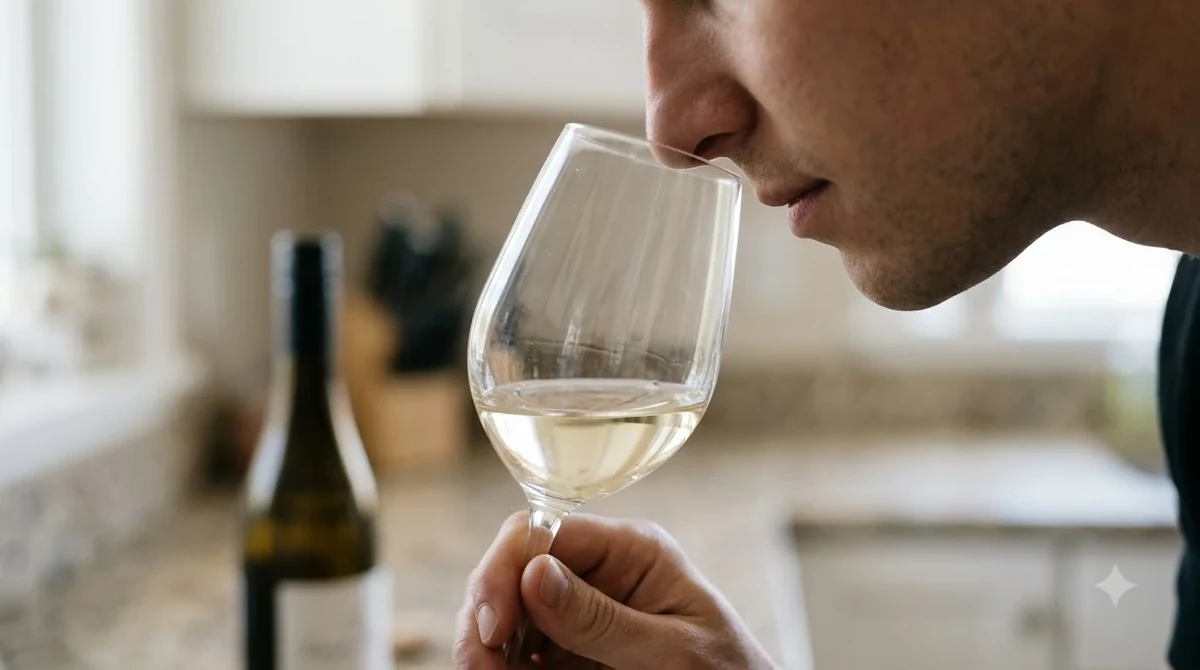
On the nose, expect recognizable orchard-fruit aromas. Pear and apple are especially relevant to Pinot Gris, while lemon and other citrus notes contribute freshness. Some bottles may also show peach, nectarine, or more tropical aromas depending on the fruit sources and vintage.
Wine Enthusiast’s review of the 2024 Underwood Pinot Gris provides another perspective. The publication awarded the wine 90 points and described aromas of passion fruit, lemon zest, and chamomile, with guava and Ginger Gold apple flavors. These observations illustrate how the wine can show more than the traditional pear-and-apple profile. The Wine Enthusiast review of Underwood 2024 Pinot Gris provides additional tasting details.
The palate is generally light to medium in body, making the wine suitable for drinking without a heavy meal. Its fruit character gives it an inviting impression, while acidity helps keep the finish from feeling excessively heavy.
Rather than expecting a buttery Chardonnay texture or the intensely aromatic character of some Rieslings, think of Underwood Pinot Gris as a versatile middle ground. It offers recognizable fruit, refreshing acidity, and enough flavor to accompany food without overwhelming delicate dishes.
The finish is an important part of the experience. Citrus and orchard-fruit impressions can remain after each sip, while the wine’s freshness encourages another taste. This makes it suitable for serving before dinner as well as alongside a meal.
Vintage variation should be expected. Different growing seasons, vineyard selections, and production decisions can change the balance between tropical fruit, citrus, and orchard-fruit characteristics. A bottle from one vintage may seem softer and more fruit-driven, while another may appear brighter and more citrus-focused.
Readers who enjoy the fruit-forward style of Underwood’s white wine but also want a red option can explore Underwood red wine to understand how the brand’s Pinot Noir differs in structure and flavor.
Is Underwood White Wine Sweet or Dry?
Underwood Pinot Gris is best approached as a predominantly dry, fruit-forward white wine rather than a dessert wine. Its ripe pear, apple, and tropical-fruit aromas can create a perception of sweetness, but fruitiness does not automatically mean that a wine contains substantial residual sugar.
Residual sugar is the amount of natural grape sugar remaining after fermentation. It is one factor that influences perceived sweetness, although acidity, alcohol, fruit ripeness, and texture also affect how a wine tastes.
Union Wine Company’s 2023 technical sheet lists 6.3 grams per liter of residual sugar for its 250 ml canned Pinot Gris. This is a relatively modest amount and helps explain why the wine can present ripe fruit aromas without tasting like a sweet dessert wine.
The following technical figures provide a useful reference for that particular release.
| Technical characteristic | 2023 Underwood Pinot Gris |
|---|---|
| Grape variety | Pinot Gris |
| Primary vineyard source | Willamette Valley, Oregon |
| Willamette Valley fruit | 76% |
| Additional Oregon fruit | 14% |
| Rogue Valley fruit | 10% |
| Alcohol by volume | 12% |
| Residual sugar | 6.3 g/L |
| Total acidity | 6.1 g/L |
| pH | 3.22 |
| Fermentation and cellar treatment | 100% stainless steel |
| Can size | 250 ml |
These figures are specific to the 2023 canned release. They should not be treated as universal specifications for every Underwood Pinot Gris bottle or can. The producer’s 2024 product description maintains a similar emphasis on fresh fruit and citrus, but individual technical measurements can vary between releases.
Acidity is another important consideration. The 2023 technical sheet lists total acidity of 6.1 grams per liter and a pH of 3.22. These measurements help explain the wine’s refreshing structure and its ability to accompany foods with some natural acidity.
For someone who prefers very sweet wines, Underwood Pinot Gris may taste noticeably drier than Moscato or many late-harvest whites. However, drinkers who prefer bone-dry, intensely mineral whites may perceive its ripe fruit character as relatively generous.
Tip: If you prefer a softer impression of acidity, serve Underwood Pinot Gris at approximately 48–50°F. Cooler temperatures help emphasize its refreshing character, while allowing it to warm slightly in the glass brings out more of its pear and stone-fruit aromas.
Alcohol Content and Available Bottle Sizes
Underwood Pinot Gris generally falls within the alcohol range associated with approachable Oregon white wines, although the exact percentage varies by release. The 2023 canned technical sheet lists 12% ABV, while Wine Enthusiast identifies the 2024 bottled Pinot Gris at 13% ABV.
Alcohol by volume, commonly written as ABV, measures the percentage of a beverage’s volume that consists of alcohol. A difference of one percentage point can influence the overall impression of a wine, although body, acidity, fruit concentration, and serving temperature also contribute.
For practical purposes, the 12% to 13% range provides a useful reference for these two documented Underwood releases. It is better to distinguish individual vintages and packaging formats than to assume that every bottle or can contains exactly the same alcohol percentage.
Packaging is another recognizable feature of the brand. Underwood has offered Pinot Gris in traditional 750 ml bottles as well as portable cans. Advintage’s product information lists 375 ml cans and explains that two cans provide the same total volume as a standard 750 ml bottle.
The producer’s technical sheet also documents a 250 ml can for its 2023 Pinot Gris. This smaller format is convenient when a full glass or bottle would be unnecessary, although the available formats can differ between releases and markets.
The following comparison explains how the different sizes relate to ordinary wine servings.
| Container | Wine volume | Approximate 5 oz pours |
|---|---|---|
| Small can | 250 ml | 1.7 |
| 375 ml can | 375 ml | 2.5 |
| Standard bottle | 750 ml | 5 |
A standard 750 ml bottle contains approximately five traditional 5 oz servings. A 375 ml can contains approximately two and a half such servings, while a 250 ml can contains about one and two-thirds servings.
These measurements are useful when deciding how much wine to prepare for a gathering. For example, a 750 ml bottle can provide approximately five standard pours, making it a practical option for a small dinner. Individual cans are more convenient when guests prefer different serving sizes or when portability matters.
Underwood’s canned presentation is particularly associated with informal occasions. A picnic, outdoor lunch, camping trip, or backyard gathering may benefit from the convenience of a sealed individual container. Bottles remain a natural choice for dinner tables, larger groups, and occasions where wine glasses are part of the presentation.
Best Food Pairings for Underwood Pinot Gris
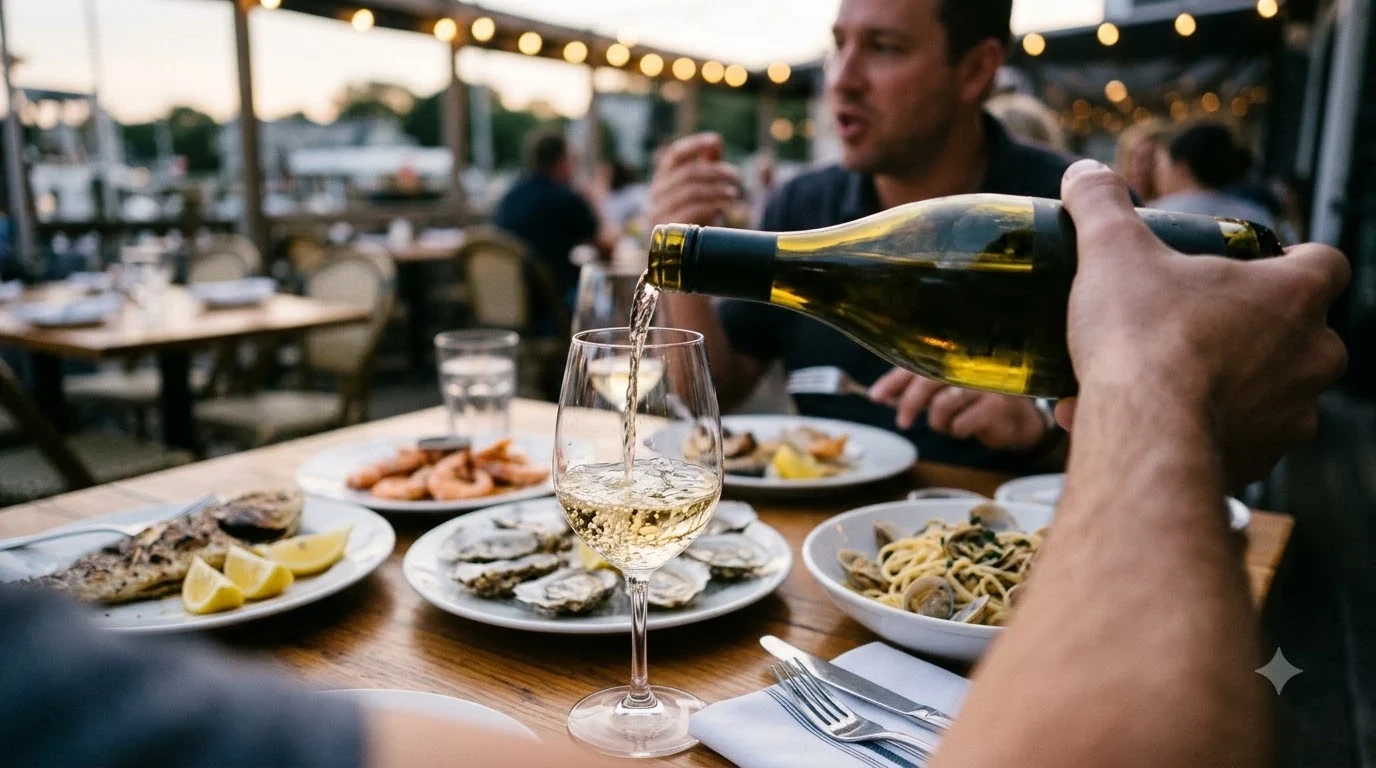
Underwood Pinot Gris pairs particularly well with seafood, grilled chicken, salads, vegetables, and moderately seasoned dishes. Its fruit-forward profile and refreshing acidity complement lighter foods without overpowering their flavors. The best pairings emphasize freshness, moderate seasoning, and ingredients that work naturally with citrus and orchard fruit.
Seafood and shellfish are natural partners for this Oregon white wine. Grilled shrimp, steamed mussels, scallops, and white fish can work particularly well. Lemon, herbs, and light butter sauces reinforce the citrus and fruit characteristics of Pinot Gris.
For example, grilled shrimp with lemon and parsley creates a straightforward combination. The wine’s acidity refreshes the palate between bites, while its pear and apple characteristics complement the natural sweetness of shellfish.
Chicken dishes offer another reliable pairing. Roasted chicken, grilled chicken breast, and herb-seasoned chicken thighs provide enough flavor to complement the wine without overwhelming it. Creamy chicken pasta can also work, particularly when the sauce includes lemon, parsley, or other fresh herbs.
Salads and vegetables are equally suitable. Consider mixed greens with goat cheese, roasted zucchini, asparagus, cucumber, or a pear-and-walnut salad. Ingredients with citrus vinaigrette can reinforce the wine’s freshness.
However, strongly acidic salad dressings deserve some attention. A wine should have acidity equal to or greater than the food’s acidity to maintain balance. A sharply acidic vinaigrette can make a softer white wine taste flat, so moderate the vinegar or include a little more lemon-friendly flavor balance.
Cheese offers several possibilities. Fresh goat cheese, mozzarella, young Gouda, and mild Havarti can complement Pinot Gris. Their creamy textures provide contrast to the wine’s acidity, while their relatively gentle flavors allow the fruit character to remain noticeable.
For a simple appetizer, serve a cheese board with mild cheeses, green grapes, sliced pears, almonds, and plain crackers. The combination works particularly well for informal entertaining because it requires little preparation and offers several compatible flavors.
Asian-inspired dishes can also be successful. Mild vegetable stir-fries, ginger chicken, steamed dumplings, and lightly seasoned noodle dishes can work with the wine’s fruit and acidity. Avoid excessively hot chili sauces, however, because alcohol and tannin can amplify the sensation of chili heat.
Sweetness also matters when pairing wine with spicy or sweet foods. If a dish has noticeable sweetness, a wine that is at least as sweet as the food generally provides better balance. Underwood Pinot Gris is better suited to moderately seasoned dishes than very sweet sauces or intensely spicy preparations.
For a more complete dinner, consider these combinations:
- Grilled shrimp with lemon, parsley, and steamed asparagus.
- Roasted chicken with rosemary potatoes and green beans.
- Pan-seared scallops with a light citrus butter sauce.
- Goat cheese salad with pear, walnuts, and mild vinaigrette.
- Grilled zucchini with mozzarella and fresh basil.
- White fish tacos with cabbage slaw and lime.
One pairing to avoid is heavily tannic red wine with oily fish, although this is less relevant to Pinot Gris itself. Underwood’s white-wine structure makes it a more natural option for delicate seafood than a high-tannin Cabernet Sauvignon or Syrah.
Serving Temperature, Storage, and Everyday Enjoyment
Underwood Pinot Gris is best served chilled at approximately 45–50°F. This temperature range preserves its refreshing character while allowing pear, citrus, and stone-fruit aromas to remain noticeable. Proper storage also helps maintain freshness after opening.
Temperature has a significant influence on how white wine tastes. When served too warm, alcohol can become more noticeable and the wine may seem heavier. When served excessively cold, aromatic details can become muted, making the wine appear simpler than it actually is.
A refrigerator can chill a bottle before serving, but avoid leaving it at refrigerator temperature for too long if you want to experience its full aromatic profile. Pour a small amount and allow it to warm gradually in the glass. The changing temperature can reveal additional fruit and floral characteristics.
For outdoor occasions, a wine cooler or insulated bag can help maintain a consistent temperature. Individual cans are particularly convenient because they can be chilled separately and served without opening an entire bottle.
Once opened, a bottle of Pinot Gris should be recorked and stored in the refrigerator. Most opened still wines retain reasonable quality for approximately three to five days when properly sealed and chilled. The exact period depends on storage conditions and the wine’s exposure to oxygen.
For longer storage before opening, keep bottles away from direct sunlight, excessive heat, and repeated temperature changes. A cool environment near 55°F is a useful target for wine storage. Bottles with traditional cork closures are generally stored horizontally to keep the cork from drying out.
Underwood Pinot Gris is generally intended for relatively early enjoyment rather than long-term cellar aging. Its fresh fruit and aromatic characteristics are central to its appeal, so there is little reason to hold a bottle for many years waiting for a dramatic transformation.
Its practical presentation also makes it suitable for several everyday situations:
- Weeknight dinners: A chilled bottle can accompany chicken, seafood, or simple vegetable dishes.
- Outdoor gatherings: Canned formats are convenient for picnics and backyard meals.
- Casual entertaining: Pinot Gris can be served as an aperitif before a larger meal.
- Summer lunches: Its refreshing profile works with salads, sandwiches, and grilled foods.
- Small gatherings: Individual cans provide flexibility when guests want different portions.
Drinkers who enjoy comparing different styles of approachable white wine may also find it useful to explore the alcohol characteristics of other convenient formats, including Black Box Pinot Grigio alcohol content. Comparing grape variety, ABV, packaging, and regional origin provides a better understanding of what distinguishes one everyday white wine from another.
Frequently Asked Questions
Is Underwood Pinot Gris made with Pinot Grigio grapes?
Yes. Pinot Gris and Pinot Grigio are two names for the same grape variety. The difference is primarily regional naming and stylistic tradition rather than a separate grape. Oregon producers commonly use Pinot Gris, while Italian producers often use Pinot Grigio.
Does Underwood Pinot Gris contain sulfites?
Like most conventional wines, Underwood Pinot Gris contains sulfites, which occur naturally during fermentation and may also be used in winemaking. Sulfites help protect wine against oxidation and unwanted microbial activity. Bottled wine labeling in the United States follows federal sulfite disclosure requirements when concentrations reach the applicable threshold.
What glass shape works best for Underwood Pinot Gris?
A standard white wine glass with a moderately narrow bowl is a good choice. Its shape concentrates the wine’s citrus, pear, and floral aromas while allowing enough room for gentle swirling. A smaller tumbler can also work for informal outdoor occasions.
Can Underwood Pinot Gris be used in white wine sangria?
Yes. Its orchard-fruit and citrus characteristics make it suitable for white wine sangria. Combine it with sliced peaches, apples, oranges, and a modest amount of sparkling water. Allow the fruit to infuse in the refrigerator before serving over ice.
What is the difference between Pinot Gris and Sauvignon Blanc?
Pinot Gris generally emphasizes pear, apple, stone fruit, and sometimes floral aromas, while Sauvignon Blanc is commonly recognized for sharper acidity and citrus, grassy, or herbal characteristics. Sauvignon Blanc often tastes more piercingly fresh, whereas Pinot Gris can have a rounder fruit impression. Both varieties can pair successfully with seafood and fresh vegetables.
Underwood white wine offers an accessible introduction to Oregon Pinot Gris, combining recognizable fruit flavors, refreshing acidity, and convenient packaging. Its pear, apple, citrus, and stone-fruit characteristics make it a versatile companion for seafood, chicken, salads, and casual gatherings. Whether served from a traditional bottle or a can, it is a practical choice for drinkers who enjoy approachable Oregon white wine without unnecessary complexity.
More in Wine Brands
 Underwood Wine Price: Compare Bottles, Cans, and Pack SizesUpdated Nov 21, 2026
 Zenato Wine Price: Compare Styles and Choose the Right BottleUpdated Nov 21, 2026
 Zuccardi Wine Price: Compare Bottles and Find the Right RangeUpdated Nov 21, 2026
 Yellow Tail Moscato Review: Taste, Sweetness and Serving TipsUpdated Nov 21, 2026
 Wolf Blass Yellow Label Review: Choose Your Best StyleUpdated Nov 21, 2026
 Wolffer Estate Rose Review: Choose the Right Bottle for Your TableUpdated Nov 21, 2026