

We may earn a commission when you buy through links on this page, at no extra cost to you. Learn more.
Trapiche white wine includes several styles of Argentine white wine, from crisp coastal Sauvignon Blanc and Albariño to fresh, textured Chardonnay and aromatic Riesling. The winery’s portfolio also includes Chenin Blanc, Semillón, and late-harvest Chardonnay. For a refreshing, citrus-driven bottle, Costa & Pampa Sauvignon Blanc is a particularly interesting starting point, while Chardonnay offers a rounder alternative for richer meals.
Trapiche is best known internationally for its Malbec, but its white wine portfolio deserves attention for its variety of grapes and growing environments. Its wines come from both Mendoza and coastal Chapadmalal, giving drinkers a choice between mountain-influenced expressions and wines shaped by the Atlantic Ocean. Understanding the grape, region, and production style makes it easier to choose a bottle that suits a particular meal or personal preference.
Which White Wines Does Trapiche Make?
Trapiche produces white wines across several grape varieties and product lines, rather than concentrating on one signature white. The selection includes crisp Sauvignon Blanc, aromatic Albariño and Riesling, versatile Chardonnay, and less common choices such as Chenin Blanc and Semillón.
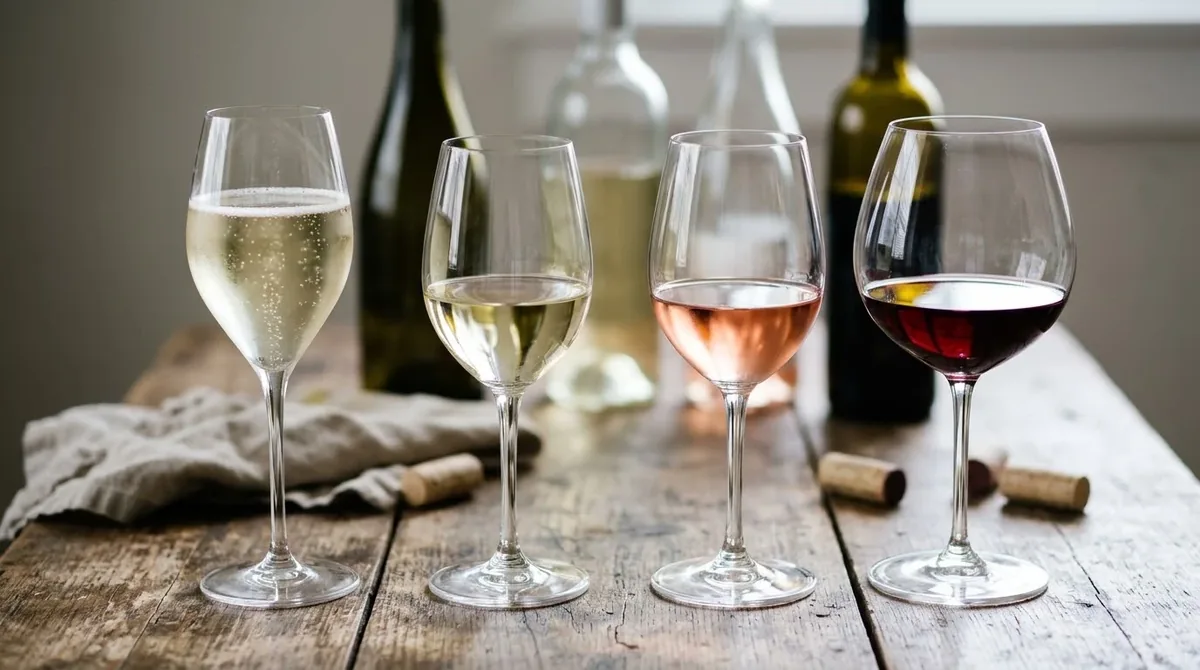
One of the most recognizable groups is Costa & Pampa, the winery’s coastal collection from Chapadmalal in Buenos Aires Province. Its white wine range includes Sauvignon Blanc, Chardonnay, Albariño, Riesling, and other varieties. These wines provide a different perspective on Argentine white wine compared with the familiar Chardonnay and Sauvignon Blanc produced in Mendoza.
Other Trapiche labels provide additional options. Medalla and Gran Medalla include Chardonnay expressions associated with Valle de Uco, while the Terroir Series includes Finca Las Piedras Chardonnay. Fond de Cave Reserva offers Sauvignon Blanc, and Lateral adds Chenin Blanc and Semillón to the selection.
The winery also produces Fond de Cave Tardive, a late-harvest Chardonnay from Valle de Uco. This is a different style from the dry table wines in the portfolio and is better suited to dessert-oriented occasions.
Here is a practical overview of the main white wine categories:
| Wine or range | Grape | Region or origin | General style |
|---|---|---|---|
| Costa & Pampa | Sauvignon Blanc | Chapadmalal | Fresh and citrus-driven |
| Costa & Pampa | Chardonnay | Chapadmalal | Fresh and textured |
| Costa & Pampa | Albariño | Chapadmalal | Aromatic and refreshing |
| Costa & Pampa | Riesling | Chapadmalal | Bright and aromatic |
| Medalla | Chardonnay | Valle de Uco | Structured white |
| Gran Medalla | Chardonnay | Valle de Uco | More substantial Chardonnay |
| Lateral | Chenin Blanc | Zona Este | Fresh, versatile white |
| Lateral | Semillón | Valle de Uco | Distinctive, textured white |
| Fond de Cave Tardive | Chardonnay | Valle de Uco | Late-harvest sweet style |
Not every wine is necessarily available in every market. Importers and retailers may carry different selections, and individual vintages can change the wines offered. The table is therefore best understood as an overview of documented Trapiche white wine styles, not a guarantee that every bottle will be stocked at a particular store.
For shoppers familiar with the winery’s red selections, exploring its whites is a useful way to understand the wider range of Argentine wine styles. The same producer that makes Trapiche red wine also works with a surprisingly broad selection of white grapes.
How Mendoza and Chapadmalal Shape the Wines
The growing region is one of the most useful clues when choosing between Trapiche white wines. Mendoza offers an inland, mountain-influenced environment, while Chapadmalal is a coastal growing area approximately 6 kilometers from the Atlantic Ocean.
Mendoza is Argentina’s best-known wine-producing province. Its vineyards benefit from sunshine, dry conditions, and the influence of the Andes. Within Mendoza, Valle de Uco is particularly important for Trapiche’s Chardonnay selections. Wines from this area can combine ripe fruit character with freshness, depending on vineyard location and winemaking choices.
Chapadmalal offers a notably different environment. According to Visit Argentina, Trapiche founded Costa & Pampa in 2015 as Argentina’s first ocean-influenced winery. The vineyards are located near the Atlantic coast, where maritime conditions influence grape development and wine character.
The coastal environment is especially relevant for white varieties. Albariño, Riesling, Chardonnay, and Sauvignon Blanc are among the grapes grown there. Visit Argentina also reports that the estate grows these grapes without irrigation, an important detail about its viticultural approach.
Ocean proximity does not mean that the finished wine literally tastes like seawater. Instead, coastal growing conditions can contribute to freshness, acidity, and distinctive mineral impressions. Saline descriptions in tasting notes refer to sensory associations rather than actual salt added to the wine.
Wine Enthusiast’s review of the 2023 Costa y Pampa Sauvignon Blanc highlights pineapple, peach, lime, apricot, and saline impressions. Its review of the 2023 Chardonnay identifies orange zest, melon, lemongrass, and citrus acidity. These descriptions illustrate how two grapes from the same coastal area can produce different aromatic profiles. Read the Wine Enthusiast review of Costa y Pampa Sauvignon Blanc for its detailed tasting assessment.
Decanter’s review of the 2020 Costa & Pampa Chardonnay also provides a useful comparison. It describes peachy tropical aromas, green apple, citrus, good acidity, and subtle oak. The wine received 91 points in that review, showing how coastal Chardonnay can combine freshness with additional texture.
For a consumer choosing between the two regions, the simplest approach is to start with the desired drinking experience. Consider a Chapadmalal Sauvignon Blanc or Albariño for a crisp, refreshing style. Choose a Mendoza Chardonnay when a fuller texture and more substantial food pairing are priorities.
Tasting Notes and Flavor Profiles
Trapiche white wines do not share one universal flavor profile because their grapes differ in acidity, aroma, body, and winemaking requirements. Sauvignon Blanc generally offers the brightest citrus and herbal impressions, while Chardonnay provides a broader range of fruit, texture, and possible oak influence.
Sauvignon Blanc: Citrus and Freshness
Sauvignon Blanc is a strong choice for drinkers who prefer lively acidity and refreshing fruit flavors. Typical aromas include lime, grapefruit, lemon, green apple, and fresh herbs. Depending on the vineyard and climate, tropical fruit notes can also appear.
The Costa & Pampa expression is particularly interesting because of its coastal origin. Wine Enthusiast describes its 2023 vintage with pineapple and peach aromas, followed by lime, pineapple, apricot, and saline notes. This combination makes it a useful alternative to Sauvignon Blanc from New Zealand or France’s Loire Valley.
Trapiche also includes Fond de Cave Reserva Sauvignon Blanc in its published selection. This gives shoppers another expression of the grape to explore, particularly if they want to compare a Mendoza-origin Sauvignon Blanc with a coastal version.
Chardonnay: Citrus, Fruit, and Texture
Chardonnay is more flexible in its expression than many drinkers realize. It can be crisp and citrus-led, or it can develop a broader mouthfeel with creamy, nutty, and toasted characteristics through winemaking choices such as oak aging and lees contact.
The Costa & Pampa Chardonnay offers an interesting coastal interpretation. Wine Enthusiast describes its 2023 vintage with orange zest, melon, citrus acidity, and lemongrass. Decanter’s earlier review identifies green apple, peach, tropical fruit, and subtle oak in the 2020 vintage.
Mendoza Chardonnay from Medalla, Gran Medalla, and Terroir Series provides additional opportunities to explore the grape. These wines should not automatically be assumed to taste identical. Vineyard location, harvest timing, fermentation, and maturation can all influence the finished wine.
Albariño and Riesling: Aromatic Alternatives
Albariño is particularly attractive to people who enjoy seafood-friendly white wines. Its typical profile includes citrus, peach, pear, and sometimes floral or lightly saline impressions. It usually has refreshing acidity, making it suitable for dishes involving lemon, herbs, and shellfish.
Riesling offers a different experience. Its aromas can include lime, green apple, peach, and floral notes. Its natural acidity can remain prominent even in wines that contain some residual sugar, which is why sweetness and freshness can coexist in this grape.
Chenin Blanc and Semillón: Less Familiar Choices
Chenin Blanc is a versatile grape capable of producing dry, off-dry, and sweet styles. Its flavors often include apple, pear, quince, and citrus. Trapiche’s Lateral Chenin from Zona Este provides a way to explore a grape that is less familiar to many American wine drinkers.
Semillón is another interesting alternative. Depending on its origin and winemaking, it can show citrus, apple, waxy texture, and subtle floral characteristics. Trapiche’s Lateral Semillón Ánfora from Valle de Uco adds another dimension to the producer’s white portfolio.
Tip: If you are uncertain which grape to choose, start with Sauvignon Blanc for pronounced freshness, Chardonnay for a rounder experience, or Albariño for a seafood-focused meal. These three styles offer a useful introduction to Trapiche’s white wine range.
Is Trapiche White Wine Dry or Sweet?
Most of the familiar Trapiche white wine styles are dry, including typical Sauvignon Blanc, Chardonnay, and Albariño expressions. However, the producer also has a late-harvest Chardonnay, so the entire portfolio should not be treated as exclusively dry.
Dry wine contains little residual sugar, although ripe fruit aromas can make it seem sweeter than it actually is. For example, pineapple and peach aromas in Sauvignon Blanc do not automatically indicate that the wine contains significant sugar.
Chardonnay is another example. A wine with melon, citrus, and ripe apple flavors can still be completely dry. Creamy texture or vanilla-like impressions can also create a perception of sweetness without necessarily indicating a sweet wine.
Riesling requires a little more attention because the grape can be produced in several sweetness levels. Some Rieslings are bone-dry, while others retain enough residual sugar to taste noticeably off-dry or sweet. Acidity provides balance and prevents some sweeter examples from tasting heavy.
The Fond de Cave Tardive Chardonnay is the most important exception to the general dry-wine expectation. Its late-harvest designation indicates a sweeter style intended for a different drinking occasion from an ordinary dry Chardonnay.
For dessert pairing, the sweetness of the wine matters more than the grape name. A sweet wine should generally be at least as sweet as the dessert. Otherwise, the dessert can make the wine seem acidic, thin, or unpleasantly tart.
For example, a late-harvest Chardonnay can work with fruit-based desserts, pastries, and certain creamy desserts. A dry Sauvignon Blanc is more appropriate for fresh seafood, vegetable dishes, and lighter appetizers than for a very sweet chocolate cake.
There is also a difference between fruitiness and sweetness. A wine can smell strongly of tropical fruit while tasting dry on the palate. This distinction is particularly useful when shopping for Sauvignon Blanc or Albariño.
For readers interested in comparing white wine with the winery’s better-known red offerings, Trapiche Malbec tasting notes provide a useful contrast in terms of body, fruit character, tannin, and food compatibility.
Food Pairings for Trapiche White Wines
The best food pairing depends on the grape’s acidity, body, and texture. Trapiche Sauvignon Blanc and Albariño are natural choices for seafood, while Chardonnay can accommodate richer fish, poultry, and creamy preparations.
Sauvignon Blanc with Seafood and Vegetables
Sauvignon Blanc’s high acidity makes it particularly suitable for dishes containing lemon, vinegar, herbs, and fresh vegetables. Try it with grilled shrimp, oysters, ceviche, or white fish served with citrus dressing.
It also works with salads containing goat cheese, asparagus, cucumber, and fresh herbs. The acidity helps refresh the palate between bites, while the fruit character complements the fresh ingredients.
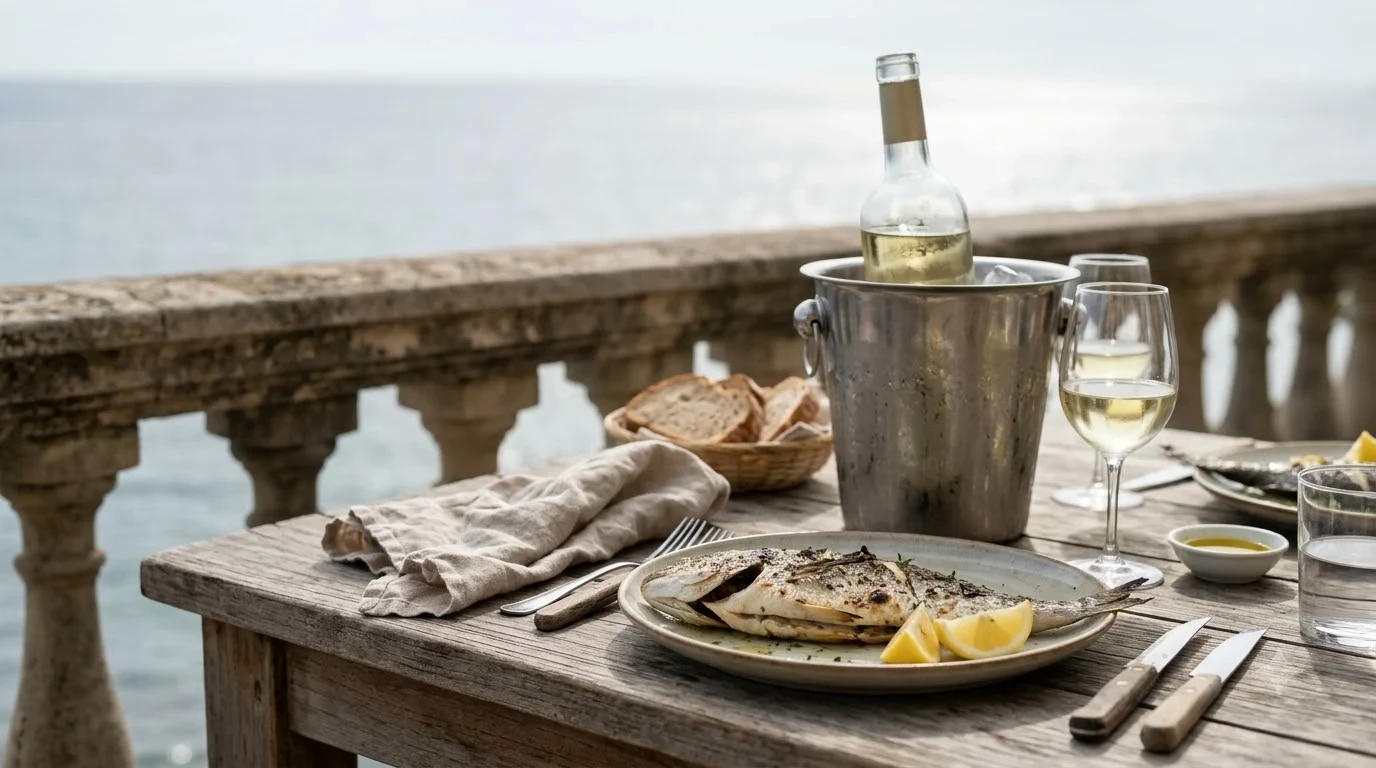
For a simple dinner, serve Costa & Pampa Sauvignon Blanc with grilled fish, parsley, and lemon. Avoid excessively hot chili sauces, since alcohol and tannin can amplify the perception of heat. Although Sauvignon Blanc generally has little tannin, its acidity and fresh fruit profile make it more suitable than a powerful red wine for many spicy seafood dishes.
Chardonnay with Rich Fish and Poultry
Chardonnay is a flexible partner for dishes with a little more richness. Consider roasted chicken, grilled salmon, scallops, lobster, or creamy pasta. A more textured Chardonnay can stand up to butter sauces and roasted vegetables without being overwhelmed.
Coastal Costa & Pampa Chardonnay can also work with shellfish and grilled fish. Trapiche’s own published tasting menu pairs a Costa & Pampa Chardonnay with chipa, cecina, and peach chutney, demonstrating that the wine can accompany savory dishes with some sweetness and texture.
When preparing salmon, use the sauce to guide the choice. Lemon and fresh herbs favor a crisp, acidic Chardonnay, while butter-based preparations can work better with a fuller-bodied expression.
Albariño with Shellfish and Mediterranean Food
Albariño is particularly suitable for shrimp, mussels, clams, and grilled white fish. Its aromatic character and lively acidity complement seafood without introducing the heavier tannins associated with many red wines.
It also pairs nicely with Spanish-inspired dishes such as grilled calamari, seafood rice, and garlic shrimp. Fresh herbs, lemon, and olive oil are useful ingredients for bringing the wine and food together.
Trapiche’s published tasting menu specifically places Costa & Pampa Albariño alongside grilled fish, squid, and mussels. This is a practical illustration of how the wine’s freshness can work with several different seafood textures.
Riesling with Spicy and Sweet-Savory Dishes
Riesling is worth considering for meals with aromatic spices or a touch of sweetness. Its acidity can balance richer sauces, while a slightly off-dry version can complement moderate chili heat more effectively than a strongly alcoholic, tannic red.
Try it with Thai-inspired seafood, ginger chicken, lightly spicy noodles, or dishes containing sweet-and-sour sauces. The exact sweetness level matters: a dry Riesling works with many savory preparations, while an off-dry version can be especially useful with spicy food.
Chenin Blanc and Semillón with Everyday Meals
Chenin Blanc can accompany roasted chicken, pork, vegetable dishes, and mild cheeses. Its combination of fruit and acidity makes it versatile enough for casual meals where several different flavors appear on the plate.
Semillón can work with roasted poultry, seafood, and dishes featuring mushrooms or soft cheeses. Its texture can make it a good alternative when Sauvignon Blanc feels too sharp or Chardonnay seems too full-bodied.
One general pairing principle applies across the portfolio: acidic food needs a wine with equal or higher acidity. A very tart lemon dressing can make a low-acid wine taste flat, while a fresh Sauvignon Blanc is more likely to retain its balance.
Serving Temperature, Glassware, and Storage
Serving temperature makes a noticeable difference to the way Trapiche white wines smell and taste. Light, aromatic whites are generally best served between 45 and 50 degrees Fahrenheit, while fuller-bodied Chardonnay benefits from slightly warmer temperatures of 50 to 55 degrees Fahrenheit.
A very cold white wine can seem muted because low temperatures suppress its aromas. This is particularly noticeable with Albariño, Riesling, and Sauvignon Blanc, where citrus, floral, and herbal notes contribute significantly to the experience.
Use the following temperature guide:
| White wine style | Serving temperature | Best use |
|---|---|---|
| Light Sauvignon Blanc | 45–50°F | Seafood and salads |
| Albariño | 45–50°F | Shellfish and grilled fish |
| Riesling | 45–50°F | Spicy dishes and lighter meals |
| Chenin Blanc | 45–50°F | Poultry and vegetables |
| Fuller Chardonnay | 50–55°F | Rich fish and roasted chicken |
| Sweet Chardonnay | 43–50°F | Desserts and cheese courses |
For most Trapiche white wines, a standard white wine glass is sufficient. A glass with a moderately narrow opening helps concentrate aromas while providing enough room to appreciate the wine’s texture. Chardonnay can benefit from a slightly wider bowl, especially when it has a more developed aromatic profile.
A standard wine pour is approximately 5 ounces. A 750-milliliter bottle contains about five such servings, making it a practical size for a small dinner or a tasting with several guests.
After opening a bottle, close it with its original closure or a suitable wine stopper and refrigerate it. Most opened still white wines remain enjoyable for approximately three to five days when stored properly. Their fruit aromas and freshness generally decline gradually after opening.
If you want to serve the wine later, avoid leaving an opened bottle on a warm kitchen counter. Temperature changes and exposure to oxygen can make the wine lose its freshness more quickly.
For unopened bottles intended for longer storage, keep them in a cool, dark place with a relatively stable temperature. A storage temperature near 55 degrees Fahrenheit is a useful general target. Bottles with natural cork closures are traditionally stored on their sides to keep the cork from drying out.
How to Choose the Right Trapiche White Wine
The easiest way to select a Trapiche white wine is to begin with the style you enjoy rather than the label alone. Consider whether you prefer crisp citrus flavors, aromatic fruit, a fuller Chardonnay texture, or a sweeter dessert wine.
For Crisp and Refreshing Wine
Start with Costa & Pampa Sauvignon Blanc if you enjoy lime, pineapple, peach, and bright acidity. It is a particularly good choice for warm-weather meals, fresh salads, seafood, and appetizers.
Albariño is another option if you want a fresh white wine with an emphasis on seafood compatibility. Its aromatic fruit and refreshing acidity make it suitable for casual lunches, shellfish platters, and grilled fish.
For a Fuller and More Textured White
Choose Chardonnay if you prefer a more substantial mouthfeel. Costa & Pampa Chardonnay provides a coastal expression, while Medalla, Gran Medalla, and Terroir Series offer additional Mendoza-origin choices.
Think about the food before choosing the specific bottle. A leaner Chardonnay is generally more suitable for delicate fish and simple grilled dishes, while a fuller expression can accompany roast chicken, creamy sauces, and richer seafood.
For Aromatic Wine
Riesling is a good starting point for someone who likes floral aromas, citrus, and pronounced freshness. It can be particularly useful for meals containing ginger, aromatic spices, or a little sweetness.
Chenin Blanc is worth exploring if you prefer a combination of orchard fruit and acidity. It is also a good choice for someone who wants to move beyond the familiar Chardonnay and Sauvignon Blanc categories.
For a Sweeter Occasion
Look for Fond de Cave Tardive Chardonnay if you specifically want a late-harvest style. This is the better direction for a dessert course than choosing an ordinary dry Sauvignon Blanc or Chardonnay.
Sweet wine is also useful for certain cheese pairings. Blue cheese, for example, can work especially well with a wine that has enough sweetness to balance the cheese’s salty, intense flavor.
Compare the Label and Grape Before Buying
Trapiche has several product families, and the same grape can appear in more than one range. A Chardonnay from Costa & Pampa should not automatically be assumed to taste like a Chardonnay from Medalla or Gran Medalla.
Look for the grape variety, geographical origin, and vintage information. These details help distinguish a coastal white from a Mendoza wine and make comparisons between different bottles more meaningful.
It is also useful to remember that a winery’s portfolio can change. A particular vintage or label may be available in one country but not another. American retailers may carry only a selection of the wines listed in the producer’s wider portfolio.
For a broader understanding of the producer and its different labels, explore our Wine Brands coverage. Readers interested in comparing Argentine producers can also learn about Baron Philippe de Rothschild wine and how different wine portfolios approach grape selection and regional expression.
Overall, Sauvignon Blanc is the most straightforward starting point for someone seeking a crisp white, while Chardonnay offers more flexibility with richer food. Albariño and Riesling are appealing alternatives for people who want to explore something beyond the most familiar white grape varieties.
Frequently Asked Questions
Is Trapiche white wine made entirely in Argentina?
Yes. The Trapiche wines discussed here are produced from Argentine wine-growing areas, including Mendoza and Chapadmalal in Buenos Aires Province. These regions offer different climates and growing conditions, which help explain the range of white wine styles in the portfolio.
Does Trapiche produce white wine from 100% Chardonnay?
Yes. Decanter identifies the 2020 Costa & Pampa Chardonnay as a wine made from 100% Chardonnay grapes. That particular vintage was also listed at 12.5% alcohol and classified as dry.
What is special about Trapiche Costa & Pampa?
Costa & Pampa is notable for its location near the Atlantic Ocean in Chapadmalal. Trapiche established the project in 2015, and Visit Argentina identifies it as the country’s first ocean-influenced winery. Its coastal setting distinguishes it from the producer’s more familiar Mendoza wines.
Does Trapiche make white wine suitable for vegetarians?
Suitability depends on the individual wine and the materials used during clarification and filtration. Some winemaking processes use animal-derived fining agents, while others use mineral or plant-based alternatives. Vegetarian or vegan drinkers should seek confirmation for the specific bottle rather than assume that every Trapiche white wine has the same production method.
Can Trapiche white wine be used for cooking?
Yes. Dry Sauvignon Blanc and Chardonnay can be used in seafood sauces, risotto, and dishes involving poultry. Sauvignon Blanc is particularly useful in recipes with citrus and herbs, while Chardonnay can contribute a broader flavor to cream-based sauces. Avoid using a sweet late-harvest wine as a direct substitute for dry white wine unless the recipe is specifically designed for sweetness.
Trapiche’s white wine portfolio offers much more than a single alternative to its famous Malbec. From coastal Sauvignon Blanc and Albariño to Mendoza Chardonnay, Riesling, Chenin Blanc, and late-harvest Chardonnay, there are options for different palates and meals. Start with Costa & Pampa Sauvignon Blanc for freshness or Chardonnay for a fuller style, then explore the other grapes to discover which Argentine white wine best suits your table.
More in Wine Brands
 Underwood Wine Price: Compare Bottles, Cans, and Pack SizesUpdated Nov 21, 2026
 Zenato Wine Price: Compare Styles and Choose the Right BottleUpdated Nov 21, 2026
 Zuccardi Wine Price: Compare Bottles and Find the Right RangeUpdated Nov 21, 2026
 Yellow Tail Moscato Review: Taste, Sweetness and Serving TipsUpdated Nov 21, 2026
 Wolf Blass Yellow Label Review: Choose Your Best StyleUpdated Nov 21, 2026
 Wolffer Estate Rose Review: Choose the Right Bottle for Your TableUpdated Nov 21, 2026