

We may earn a commission when you buy through links on this page, at no extra cost to you. Learn more.
Trapiche wine is a historic Argentine wine brand founded in 1883 in Mendoza that stands as Argentina’s largest fine wine exporter. Owned by Grupo Peñaflor, the winery spans more than 1,200 hectares of estate vineyards at the foothills of the Andes and partners with roughly 300 independent growers. Its extensive portfolio stretches from approachable everyday Malbecs to critically acclaimed single-vineyard bottlings and coastal Atlantic whites.
Whether you are browsing a neighborhood bottle shop for a reliable weeknight red or hunting down high-altitude expressions from the Uco Valley, few labels appear as consistently on American shelves as Trapiche. Understanding how the producer organizes its tiers makes it much easier to match the right bottle to your dinner table or cellar.
Who Makes Trapiche Wine
Bodegas Trapiche was established in 1883 by Tiburcio Benegas, who purchased a small vineyard property named El Trapiche in the Godoy Cruz district of Mendoza. Today, the estate is owned by Grupo Peñaflor and operates out of a landmark 1912 Florentine-style winery building in Maipú, Mendoza, which was restored and equipped with modern winemaking technology in the mid-2000s.
From its earliest decades, the winery helped shape modern Argentine viticulture by introducing French grape varieties, importing French oak barrels, and adopting stainless steel fermentation tanks. By 1889, Trapiche had already earned its first international award in Paris, laying the groundwork for an export footprint that now reaches more than 80 countries worldwide.
In the modern era, the winemaking program gained global acclaim under longtime Director of Winemaking Daniel Pi and Head Winemaker Sergio Eduardo Casé. As detailed by Wines of Argentina, Trapiche farms over 1,200 hectares of its own vineyards—including biodynamic parcels—while collaborating closely with around 300 Mendoza growers to source fruit across diverse microclimates and elevations.
The Trapiche Wine Lineup
Trapiche structures its portfolio into distinct quality tiers that progress from fresh, fruit-driven varietals to structured, age-worthy single-vineyard selections. Knowing the label names helps shoppers immediately identify the oak treatment, vineyard origin, and intensity of any given bottle.
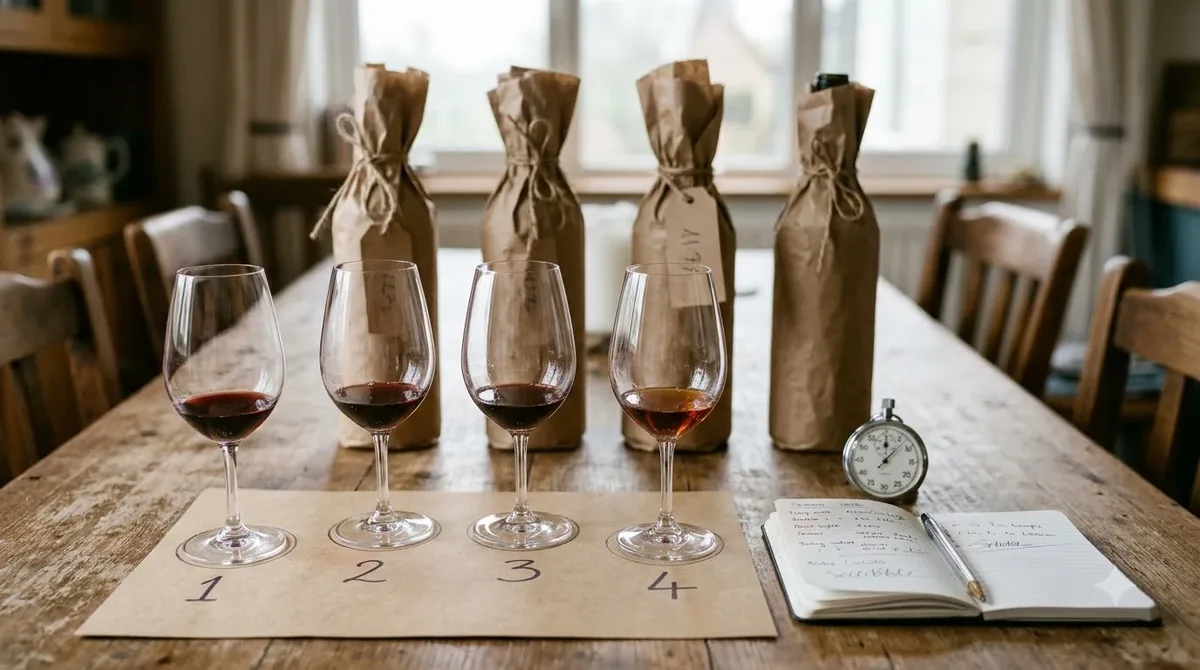
At the entry level, labels like Alaris and Trapiche Vineyards focus on clean, varietal purity with minimal oak influence, delivering bright, immediate fruit meant to be enjoyed young. Stepping up, the Oak Cask tier introduces measured barrel aging to round out the palate with subtle vanilla and spice, while the Broquel line draws from selected high-altitude vineyards in Mendoza to achieve deeper concentration and firmer structure.
Above the core everyday bottlings sit Trapiche’s flagship and terroir-driven tiers. Gran Medalla commemorates the winery’s heritage using top parcels from the Uco Valley, whereas Iscay—meaning “two” in Quechua—showcases collaborative blends such as Malbec with Cabernet Franc and Syrah with Viognier. At the pinnacle, the Terroir Series honors individual growers by bottling single-vineyard Malbecs from distinct micro-sites, while Costa & Pampa breaks away from Mendoza entirely to produce cool-climate, maritime wines in Chapadmalal near the Atlantic coast.
| Collection Tier | Key Grape Varieties | Primary Origin | Style & Aging Profile |
|---|---|---|---|
| Vineyards / Alaris | Malbec, Cabernet Sauvignon, Chardonnay | Mendoza | Fresh, fruit-forward, minimal to no oak; released for immediate drinking |
| Oak Cask | Malbec, Cabernet Sauvignon, Pinot Noir | Mendoza | Medium-to-full body with integrated vanilla and toasted oak nuances |
| Broquel | Malbec, Cabernet Sauvignon, Pinot Noir, Chardonnay | Selected Mendoza Vineyards | Concentrated high-altitude fruit, velvety tannins, extended oak aging |
| Gran Medalla | Malbec, Cabernet Franc, Pinot Noir, Chardonnay | Uco Valley | Structured, age-worthy estate selections from top vineyard parcels |
| Iscay | Malbec–Cabernet Franc, Syrah–Viognier | Mendoza / Uco Valley | Flagship expressive blends uniting complementary grape varieties |
| Terroir Series | Single-Vineyard Malbec | Specific Mendoza Micro-sites | Distinctive, site-specific bottlings named after individual growers |
| Costa & Pampa | Albariño, Sauvignon Blanc, Pinot Noir | Chapadmalal (Buenos Aires Province) | Crisp, high-acid maritime wines influenced by Atlantic ocean breezes |
Taste Profile and Regional Character
Across the portfolio, Trapiche wine is defined by vibrant Andean fruit purity balanced by natural freshness and supple tannins. Because Mendoza sits in the rain shadow of the Andes Mountains, vineyards enjoy abundant sunshine paired with sharp day-to-night temperature drops that preserve natural acidity.
In the flagship Malbec bottlings, reviewers at Wine Enthusiast and international critics frequently highlight aromas of ripe plum, blackberry, dark cherry, and violet. Depending on the tier, oak aging adds secondary layers of cocoa, mocha, sweet vanilla, dried herbs, and black pepper without masking the underlying fruit. Entry-level bottles typically sit around 13.5% ABV with a medium-to-full body, while higher-altitude selections like Broquel often reach 14% ABV with denser, more velvety structure.
Beyond red wines, Trapiche’s white and coastal offerings lean into crisp minerality and bright citrus character. Mendoza Chardonnay exhibits stone fruit and gentle toasted notes when barrel-fermented, whereas the Atlantic-influenced Costa & Pampa Sauvignon Blanc and Albariño deliver zesty lime, green apple, and saline freshness.
How to Serve and Pair Trapiche Wine
Serving Trapiche reds slightly below warm room temperature keeps their ripe fruit lively and prevents alcohol from feeling heavy on the palate. Aim for 60°F to 65°F (16°C to 18°C) for Malbec, Cabernet Sauvignon, and red blends, while chilling white wines like Chardonnay, Sauvignon Blanc, and Albariño to 45°F to 50°F (7°C to 10°C).
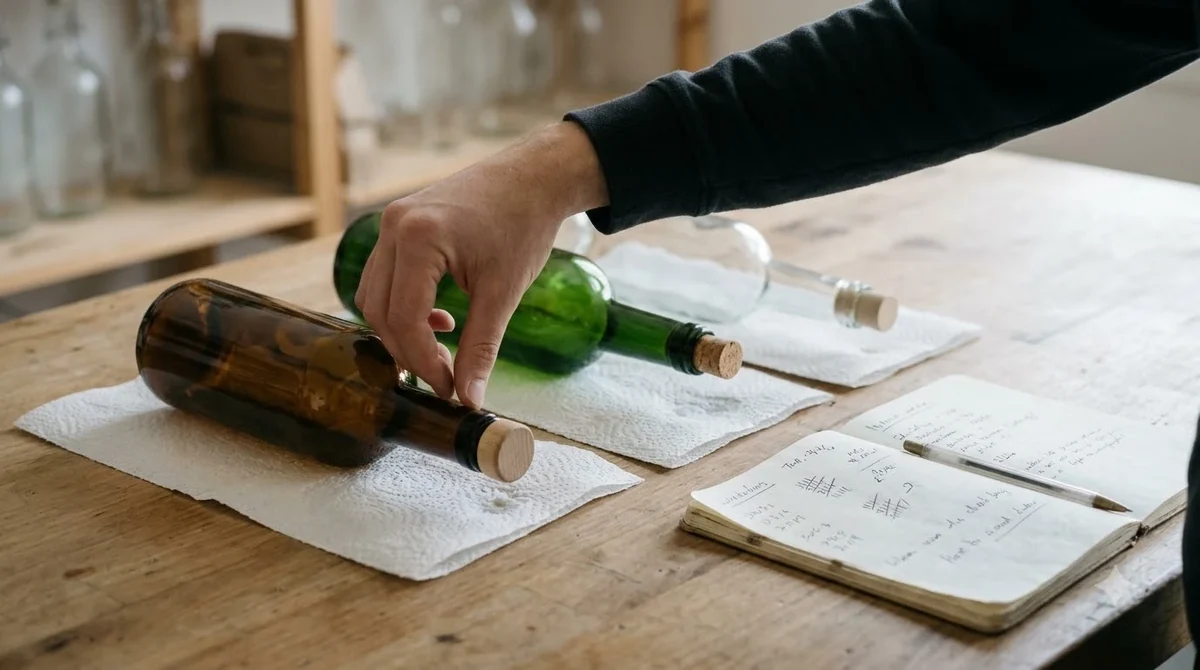
A standard large-bowled red wine glass gives Mendoza Malbec plenty of surface area to open up. Entry-level bottles can be poured straight from the bottle, though decanting Oak Cask, Broquel, or Terroir Series bottlings for 15 to 30 minutes softens their tannins and releases deeper floral and spice aromatics.
At the dinner table, Trapiche’s red wines are natural partners for grilled and roasted meats. Argentine-style skirt steak, ribeye, smoked pork ribs, beef empanadas, and burgers match the plush dark fruit and savory oak spice of Oak Cask or Broquel Malbec. For meatless meals, pair them with roasted portobello mushrooms, mushroom risotto, or aged hard cheeses like Manchego, aged Gouda, and sharp cheddar, while saving coastal Costa & Pampa whites for ceviche, grilled shrimp, and goat cheese salads.
Tip: Put your bottle of Trapiche Malbec in the refrigerator for 15 to 20 minutes before pouring—bringing it down from a warm 72°F kitchen to around 62°F sharpens the blackberry fruit and smooths out the finish.
Who Trapiche Wine Suits Best
Trapiche’s broad tier structure makes it an adaptable choice for several distinct types of wine drinkers, whether you are just exploring South American bottles or comparing specific high-altitude sites. If you are building familiarity with major wine brands, Trapiche offers a clear roadmap of how oak aging and elevation transform a single grape variety.
Newer red wine drinkers who find classic Cabernet Sauvignon too astringent often gravitate toward Trapiche Vineyards or Oak Cask Malbec because of their soft tannins and plush berry character. Those who enjoy smooth, crowd-pleasing everyday reds similar in approachability to 14 Hands Hot to Trot wine will appreciate how reliably Trapiche delivers balanced fruit for casual weeknight dinners and backyard cookouts.
At the same time, experienced enthusiasts looking for terroir nuance can bypass the entry shelves for Gran Medalla, Iscay, or the Terroir Series single-vineyard Malbecs, which showcase distinct Mendoza soils and elevations. Meanwhile, fans of crisp, refreshing whites like Avaline white wine will find plenty to enjoy in Trapiche’s maritime Costa & Pampa Sauvignon Blanc and Albariño, though anyone strictly avoiding alcohol should look instead toward dedicated non-alcoholic producers such as Ariel wine.
Frequently Asked Questions
Is Trapiche wine sweet or dry?
Trapiche wines are dry, meaning they are fermented with virtually no residual sugar. Their ripe dark fruit flavors—such as blackberry, plum, and black cherry—give them a lush, fruit-forward impression on the palate, but the finish is clean and balanced by natural acidity and tannins.
Where is Trapiche wine made?
Trapiche’s historic headquarters and primary vineyards are located in Mendoza, Argentina, at the foothills of the Andes Mountains, including prime high-altitude sites in the Uco Valley. The winery also operates a coastal sister estate called Costa & Pampa in Chapadmalal, Buenos Aires Province, near the Atlantic Ocean.
Does Trapiche Malbec need to be aged before drinking?
Entry-level bottlings like Trapiche Vineyards and Oak Cask Malbec are crafted for immediate enjoyment and drink best within one to three years of the vintage date. Higher-tier selections such as Broquel, Gran Medalla, Iscay, and the Terroir Series single-vineyard Malbecs have the structure and concentration to develop gracefully in a cool cellar for five to ten years or more.
What is the difference between Trapiche Oak Cask and Broquel?
Trapiche Oak Cask is a fruit-forward, medium-to-full-bodied tier designed for approachable everyday drinking with gentle oak spice. Broquel is a step up in concentration and structure, sourced from selected high-altitude Mendoza vineyards and aged longer in French oak barrels for deeper complexity and firmer tannins.
From accessible Mendoza Malbecs to site-specific Uco Valley bottlings and Atlantic coastal whites, Trapiche captures the geographic breadth of modern Argentine winemaking under one label. Paying attention to the tier name on the front label ensures you bring home the exact level of freshness, oak influence, and structure your meal calls for.
More in Wine Brands
 Underwood Wine Price: Compare Bottles, Cans, and Pack SizesUpdated Nov 21, 2026
 Zenato Wine Price: Compare Styles and Choose the Right BottleUpdated Nov 21, 2026
 Zuccardi Wine Price: Compare Bottles and Find the Right RangeUpdated Nov 21, 2026
 Yellow Tail Moscato Review: Taste, Sweetness and Serving TipsUpdated Nov 21, 2026
 Wolf Blass Yellow Label Review: Choose Your Best StyleUpdated Nov 21, 2026
 Wolffer Estate Rose Review: Choose the Right Bottle for Your TableUpdated Nov 21, 2026