

We may earn a commission when you buy through links on this page, at no extra cost to you. Learn more.
Sassicaia Bolgheri wine is an acclaimed Italian red made primarily from Cabernet Sauvignon and Cabernet Franc at Tenuta San Guido in coastal Tuscany. Produced in the Bolgheri Sassicaia DOC, it combines concentrated dark fruit, refined tannins, fresh acidity, and the structure needed for extended aging. Its distinctive character comes from carefully selected vineyards, Bordeaux-inspired winemaking, and the particular soils and climate of the Tuscan coast.
Sassicaia occupies a special place in Italian wine history. It helped establish Bolgheri as an important source of Cabernet-based wines and challenged the idea that Tuscany’s greatest reds had to rely on Sangiovese. Understanding its grapes, vineyard conditions, production rules, and development in the bottle makes it easier to appreciate what distinguishes this wine from other premium Italian reds.
What Makes Sassicaia Different From Other Tuscan Wines?
Sassicaia stands apart because it is a Cabernet-led red from a dedicated appellation rather than a traditional Sangiovese-based Tuscan wine. Its identity is tied to Tenuta San Guido, a particular area of Bolgheri, and a production framework created specifically for this estate’s flagship wine.

The wine began as a personal project of Marchese Mario Incisa della Rocchetta. During the 1940s, he experimented with Cabernet Sauvignon on his family’s property, believing that the landscape and soil around Bolgheri shared important characteristics with Bordeaux. His decision was unconventional in a region where Sangiovese traditionally dominated prestigious red wine production.
For many years, Sassicaia remained a private wine intended for family and friends. The 1968 vintage became its first commercial release, reaching the market in 1971. Its international reputation grew substantially after the 1978 Decanter blind tasting, where Sassicaia 1972 finished ahead of 33 Bordeaux-based wines from around the world. That result helped establish the credibility of Cabernet-based Italian wines among international wine professionals. The estate provides additional historical details on its official Sassicaia history page.
The wine also helped inspire the development of the Super Tuscan category. This informal term describes ambitious Tuscan wines that use international grapes or blends that historically fell outside traditional appellation requirements. Sassicaia became one of the most recognizable examples of this movement.
Its legal identity eventually developed beyond the broader Bolgheri designation. The 1994 regulations recognized Bolgheri Sassicaia as a subzone, and the appellation gained independent DOC status in 2013. This made it an unusual case in Italian wine law: an appellation reserved for the production of a single estate’s wine.
That distinction matters when reading a bottle label. Bolgheri is a broader geographical wine designation, while Bolgheri Sassicaia DOC identifies the specific wine produced under the dedicated Sassicaia rules. Other respected Bolgheri producers make Cabernet-based reds, but their wines do not become Sassicaia simply because they come from the same coastal area.
The wine also illustrates how international grape varieties can develop a distinctive regional identity. Its inspiration may have come from Bordeaux, but the result reflects Tuscany’s Mediterranean climate, local vineyard conditions, and the winemaking decisions made at Tenuta San Guido.
The Bolgheri Terroir and Tenuta San Guido Vineyards
Sassicaia’s vineyard environment combines stony, limestone-rich soils with varied elevations and maritime influences. These conditions help produce Cabernet grapes with concentrated fruit, aromatic complexity, and the freshness needed to balance substantial tannins.
Tenuta San Guido is located in the municipality of Castagneto Carducci, near Bolgheri on Tuscany’s western coast. The estate covers approximately 2,500 hectares, although vineyards occupy only a relatively small part of the property. The producer emphasizes selecting specific plots rather than treating the entire estate as equally suitable for premium grape production.
The Sassicaia vineyard parcels include Castiglioncello, Aia Nuova, Cerreta, Sassicaia di Sopra, and San Martino. According to Tenuta San Guido, these vineyards sit between approximately 100 and 360 meters above sea level. Differences in elevation, exposure, and soil composition give the winemaking team several distinct sources of fruit to consider during blending.
The soils are particularly important. Limestone, marl, pebbles, stones, and clay appear across the estate’s vineyard areas. These materials create different growing conditions, including variations in drainage, water availability, and vine development. The name Sassicaia itself refers to the stony character of the land.
Bolgheri’s proximity to the Tyrrhenian Sea also influences the growing season. Maritime air can moderate temperature extremes, while local woodland contributes to differences in humidity and vineyard conditions. The result is a setting that can support Cabernet Sauvignon’s relatively long ripening cycle while helping preserve aromatic freshness.
Elevation adds another layer of variation. Lower parcels and higher hillside vineyards do not necessarily experience identical temperatures or ripening patterns. Combining fruit from different locations allows the producer to respond to individual vintage conditions rather than relying on a single vineyard’s characteristics.
The producer’s emphasis on plot selection is a defining feature of Sassicaia. Its vineyards are not simply planted wherever land is available. Soil composition, exposure, and microclimate influence decisions about where Cabernet varieties can achieve the desired balance between maturity and acidity.
These factors explain why Sassicaia cannot be fully understood through grape variety alone. Cabernet Sauvignon grown in another Tuscan location may produce a very different wine because the growing environment, vineyard management, and production choices are not identical.
Grape Varieties and Bolgheri Sassicaia DOC Rules
Cabernet Sauvignon is the foundation of Sassicaia, with Cabernet Franc providing additional complexity and balance. The appellation’s regulations require at least 80% Cabernet Sauvignon and allow up to 20% for other authorized red grape varieties.
Cabernet Sauvignon contributes much of the wine’s structural identity. It is naturally high in tannin and can produce concentrated blackcurrant, blackberry, and dark cherry characteristics. Its firm structure helps Sassicaia develop complexity during bottle aging.
Cabernet Franc offers a different set of qualities. Depending on the vintage and growing conditions, it can contribute red fruit, herbal aromas, floral notes, and freshness. Its role is not simply to increase the percentage of grape varieties in the blend; it helps shape the wine’s aromatic expression and overall balance.
Although the exact blend can vary, a familiar reference point is approximately 85% Cabernet Sauvignon and 15% Cabernet Franc. The precise proportions should not be treated as identical across every vintage.
The DOC rules establish important production boundaries beyond grape composition. According to the official Bolgheri Sassicaia production code, the wine must undergo at least two years of aging, including a minimum of 18 months in oak barrels no larger than 225 liters. The rules also specify a maximum grape yield of 7 tonnes per hectare.
| Production detail | Bolgheri Sassicaia DOC requirement or reference |
|---|---|
| Primary grape | At least 80% Cabernet Sauvignon |
| Other authorized red grapes | Up to 20% combined |
| Maximum yield | 7 tonnes per hectare |
| Minimum aging | 2 years |
| Minimum barrique aging | 18 months |
| Barrique capacity | 225 liters maximum |
| Independent DOC status | 2013 |
These requirements help distinguish Sassicaia from the wider Bolgheri DOC category. The general Bolgheri designation allows a broader selection of grape varieties and production styles. Bolgheri Superiore has its own aging requirements, while Bolgheri Sassicaia has a particularly focused Cabernet-based identity.
The appellation also provides geographical protection. Its grapes must come from the designated production area, and production requirements help preserve the connection between the wine and Tenuta San Guido’s particular vineyard environment.
For readers exploring the wider category, the distinction between an individual producer’s flagship wine and a regional designation is important. The broader Wine Brands category provides useful context for understanding how producers establish recognizable identities within established wine regions.
How Sassicaia Is Made and Aged
Sassicaia combines controlled fermentation, careful extraction, and extended oak maturation to produce a red wine with concentration and structure. Its production approach aims to preserve the character of Cabernet Sauvignon while allowing the different vineyard parcels to develop into a harmonious blend.
The precise winemaking process can vary with the harvest, but the estate’s published vintage information provides useful examples. For the 2000 vintage, Tenuta San Guido documented fermentation in stainless steel tanks at approximately 30–31°C. Skin maceration lasted around two weeks, with regular movement of the wine over the grape skins to encourage extraction.
This stage is important because Cabernet Sauvignon has substantial tannin and color potential. Contact between the fermenting juice and grape skins extracts the pigments and phenolic compounds that contribute to the wine’s appearance, mouthfeel, and aging capacity.
Extraction must remain controlled. Excessive extraction can make a Cabernet-based wine feel harsh, especially when its tannins are already substantial. A balanced approach allows the wine to develop structure without losing its freshness or becoming excessively heavy.
Malolactic fermentation is another important part of the process. It converts sharper malic acid into softer lactic acid, helping shape the finished wine’s texture and acidity. The estate’s 2000 vintage documentation records malolactic fermentation in stainless steel tanks.
Oak maturation then adds another dimension. The 2000 vintage, for example, spent 22 months in French wooden barrels, with approximately one-third of the barrels being new. Other vintages have different maturation details, so individual examples should not be assumed to follow exactly the same schedule.
French oak can contribute subtle vanilla, spice, cedar, and toast characteristics. It also allows gradual oxygen exposure, which can help the wine’s tannins become more integrated over time. The purpose is to support the fruit and structure rather than make the oak the dominant flavor.
Blending is equally important. Individual vineyard parcels and fermentation lots can have different levels of fruit concentration, acidity, and tannin. Assessing these components allows the winemaking team to create a final wine that expresses the character of the vintage while retaining the producer’s recognizable style.
The final result is not intended to be a simple demonstration of oak or extraction. Sassicaia’s reputation rests partly on the relationship between concentration and restraint. Its structure is substantial, but the finished wine should also retain freshness and aromatic definition.
What Sassicaia Tastes Like
Sassicaia generally offers concentrated dark fruit, savory herbal notes, cedar-like oak nuances, and firm but refined tannins. Its defining characteristic is the balance between Cabernet Sauvignon’s structural power and the freshness associated with Bolgheri’s growing conditions.
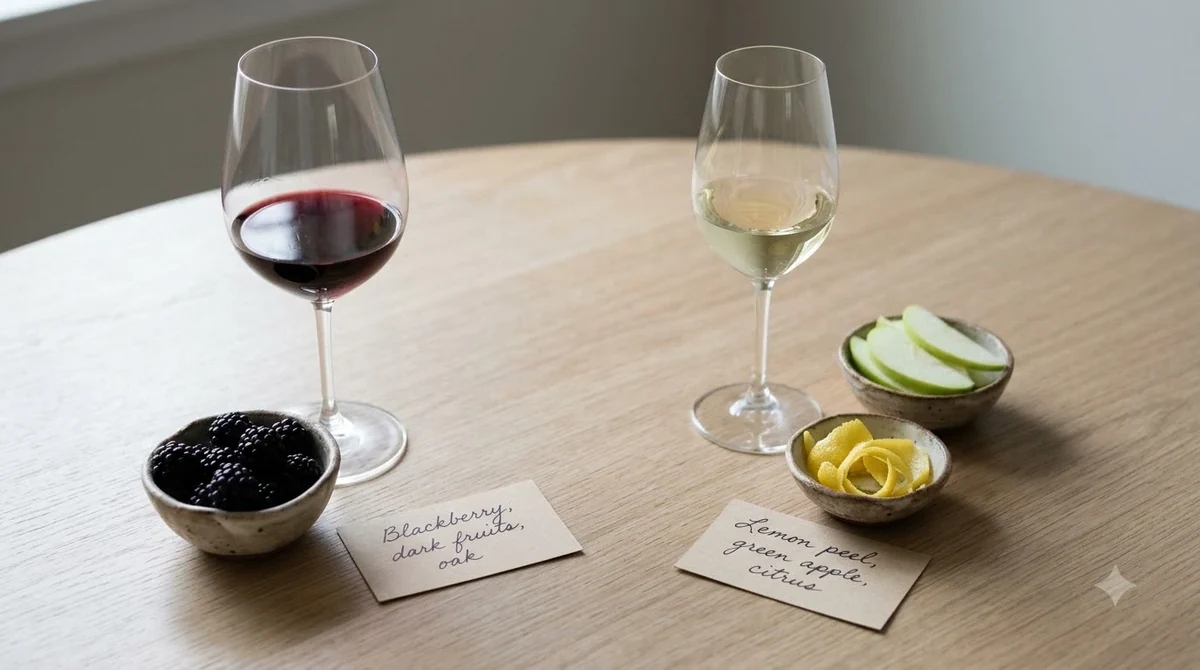
Blackcurrant, blackberry, and dark cherry are useful reference aromas when approaching the wine. Depending on the vintage and bottle age, additional notes can include plum, dried herbs, tobacco, cedar, graphite, and subtle spices. These aromas do not appear in identical proportions in every bottle.
The palate typically combines substantial fruit concentration with fresh acidity. Cabernet Sauvignon supplies much of the wine’s firm structure, while Cabernet Franc can contribute aromatic lift and additional definition. The result is generally a dry red with a persistent finish rather than a soft, fruit-forward wine intended for immediate casual drinking.
Tannin is a central part of the experience. Young Sassicaia can feel firm, particularly when opened soon after release. With time, tannins often become more integrated, and the fruit can develop greater complexity. The wine may gradually show more earthy, savory, and tertiary characteristics as its primary fruit aromas evolve.
Its style is often described as elegant rather than excessively powerful. In its Sassicaia vertical tasting and masterclass report, Decanter emphasizes finesse, balance, concentration, velvety texture, and lively acidity. This is an important distinction because high-quality Cabernet-based wine does not need to feel heavy to demonstrate depth.
Vintage variation also matters. Warmer growing seasons can produce riper fruit and a fuller impression, while cooler conditions may emphasize freshness, aromatic definition, and firmer structure. Decanter’s discussion of the 2015 and 2017 vintages illustrates how differing weather conditions can influence the finished wine.
Bottle age changes the character further. A younger bottle may emphasize blackcurrant, blackberry, fresh herbs, and oak spice. An older bottle can gradually reveal dried tobacco, leather, earth, cedar, and more developed savory aromas.
It is useful to approach Sassicaia as a structured Cabernet-based wine rather than expecting the soft fruit profile of Merlot or the lighter body of many Pinot Noir wines. Its tannins and acidity are part of its identity, not flaws that need to be hidden by rich food or excessive decanting.
For a comparison with Bordeaux-inspired wine traditions, readers may also find it helpful to explore Baron Philippe de Rothschild wine. The comparison provides context for the influence of Cabernet varieties and French winemaking traditions, although Sassicaia has its own Tuscan identity.
How Long to Age Sassicaia and When to Open It
Sassicaia is built for extended bottle development, and many vintages benefit from several years of aging before opening. A useful general starting point is around 10 years after the vintage, although individual bottles can be enjoyable earlier or continue developing for considerably longer.
Decanter’s masterclass discussion of the 2019 vintage describes approximately 10 years as a useful drinking benchmark, with the possibility of another 20 years of life. This is a broad indication rather than a guarantee for every vintage, bottle, or storage condition.
Young Sassicaia can be rewarding for drinkers who appreciate primary fruit, lively acidity, and firmer tannins. However, its structure may initially dominate the palate. Allowing the wine to develop in the bottle gives its tannins and aromatic components time to integrate.
During bottle aging, primary fruit characteristics gradually change. Fresh blackberry and blackcurrant may become less prominent, while tobacco, leather, forest floor, dried herbs, and cedar can become more noticeable. The transition is gradual and depends on the vintage and the bottle’s storage history.
Understanding vintage variation
Vintage selection is important because weather affects grape ripeness, acidity, and tannin development. Decanter’s vertical tasting included examples from 1999, 2002, 2005, 2006, 2008, 2011, 2013, 2015, 2017, and 2019, illustrating how differently individual years can develop.
The 2013 vintage was described by Decanter’s Susan Hulme MW as particularly harmonious after a decade of development. The 2017 vintage also demonstrated freshness and aromatic definition despite very hot and dry growing conditions. These examples show why vintage reputation alone cannot predict precisely how a particular bottle will taste.
Storage conditions matter
Store Sassicaia bottles on their sides in a cool, dark location near 55°F. Consistent temperature is more important than frequent changes between warmer and cooler environments. Avoid direct sunlight, strong vibration, and locations close to heating equipment.
For a bottle intended for long-term cellaring, a wine refrigerator or professionally managed cellar provides more dependable conditions than an ordinary kitchen cabinet. Humidity should also be sufficient to prevent natural corks from drying out excessively.
Tip: For a young Sassicaia, allow approximately 30–60 minutes of decanting before serving. Older bottles may need gentler handling because extended aeration can diminish delicate developed aromas. Taste periodically rather than assuming that every vintage requires the same amount of air.
Best Food Pairings and Serving Temperature
Sassicaia pairs particularly well with red meats, roasted lamb, grilled beef, aged hard cheeses, and richly flavored dishes featuring herbs and mushrooms. Its firm tannins and fresh acidity provide the structure needed to complement savory food without overwhelming the wine.
Beef is a natural starting point. Grilled ribeye, roast beef, and beef tenderloin have enough protein and savory character to balance Cabernet Sauvignon’s tannins. The salt and fat in these foods soften the perception of astringency, making the wine feel more approachable.
Roasted lamb is another excellent option. Rosemary, thyme, garlic, and other Mediterranean herbs complement the wine’s dark fruit and savory aromas. A slowly roasted leg of lamb or herb-crusted rack of lamb provides both richness and enough flavor intensity to match Sassicaia’s structure.
Wild boar is particularly appropriate for a Tuscan-inspired meal. Its rich, savory character works well with Cabernet-based reds, especially when the meat is prepared with rosemary, juniper, tomatoes, or other traditional regional ingredients. A slow-cooked wild boar ragù served with pasta is another suitable pairing.
For cheese, consider aged Parmigiano Reggiano, mature Pecorino Toscano, or well-aged hard cheeses. Their concentrated savory flavors and firm textures can complement the wine’s structure. Very delicate fresh cheeses are generally less successful because they may disappear beside a powerful red.
Mushroom dishes can also work well. Roasted portobello mushrooms, mushroom risotto, and dishes featuring porcini bring earthy flavors that complement the developed aromas of mature Sassicaia. Butter and moderate seasoning can add richness without making the dish excessively heavy.
Serving temperature makes a noticeable difference. A practical range for a full-bodied red like Sassicaia is 60–65°F. Excessive warmth can make alcohol seem more prominent, while serving it too cold can make the tannins feel harder and reduce aromatic expression.
A standard wine pour is approximately 5 ounces. A 750 ml bottle provides roughly five standard glasses, making it a convenient reference when planning a dinner for several guests.
Food preparation also matters. A highly acidic tomato sauce needs a wine with sufficient acidity, while extremely spicy dishes can make alcohol and tannins seem more aggressive. Mildly seasoned meats, roasted vegetables, and savory sauces are generally safer choices than dishes dominated by chili heat.
Although seafood is important in coastal Tuscan cuisine, heavily tannic Cabernet-based reds are not the easiest match for oily fish. Grilled sea bass or other delicate fish dishes are often better served with a fresh white wine from the region rather than Sassicaia.
For a meal that includes several courses, serve lighter dishes first and reserve Sassicaia for the main course. This gives the wine an opportunity to show its structure without competing with delicate flavors.
Frequently Asked Questions
Is Sassicaia considered a Super Tuscan wine?
Yes. Sassicaia is widely regarded as one of the original Super Tuscan wines because it challenged the traditional emphasis on Sangiovese in prestigious Tuscan reds. Its Cabernet-based composition helped demonstrate that international grape varieties could produce exceptional wines in coastal Tuscany.
Is Sassicaia made by the same producer every year?
Yes. Sassicaia is produced by Tenuta San Guido, the estate responsible for its vineyard management, winemaking, and bottling. This continuity helps preserve its recognizable identity even when weather conditions and blending proportions differ between vintages.
Does Sassicaia contain Sangiovese?
Sassicaia’s defining blend is based on Cabernet Sauvignon and Cabernet Franc rather than Sangiovese. Its dedicated DOC rules require at least 80% Cabernet Sauvignon and permit authorized additional red varieties within the remaining 20%. This makes its grape composition quite different from traditional Chianti Classico.
What does the name Sassicaia mean?
The name refers to a place characterized by stones and rocky ground. This reflects the stony, pebbly soils found in the vineyards around Tenuta San Guido. The connection between the name and the landscape is an important part of the wine’s regional identity.
Can Sassicaia be enjoyed without decanting?
Yes. Decanting is not compulsory, and an older bottle may be best served with minimal aeration. A young vintage can benefit from approximately 30–60 minutes of air, while older bottles should be opened carefully and assessed before deciding whether additional aeration is appropriate.
Sassicaia brings together Cabernet Sauvignon, Cabernet Franc, and the distinctive vineyard conditions of Bolgheri in a wine recognized for its balance, structure, and aging potential. Understanding its dedicated DOC, production traditions, and food-pairing possibilities makes each bottle more rewarding to explore. Whether enjoyed relatively young or after years in the cellar, it remains one of the defining expressions of modern Italian red wine.
More in Wine Brands
 Underwood Wine Price: Compare Bottles, Cans, and Pack SizesUpdated Nov 21, 2026
 Zenato Wine Price: Compare Styles and Choose the Right BottleUpdated Nov 21, 2026
 Zuccardi Wine Price: Compare Bottles and Find the Right RangeUpdated Nov 21, 2026
 Yellow Tail Moscato Review: Taste, Sweetness and Serving TipsUpdated Nov 21, 2026
 Wolf Blass Yellow Label Review: Choose Your Best StyleUpdated Nov 21, 2026
 Wolffer Estate Rose Review: Choose the Right Bottle for Your TableUpdated Nov 21, 2026