

We may earn a commission when you buy through links on this page, at no extra cost to you. Learn more.
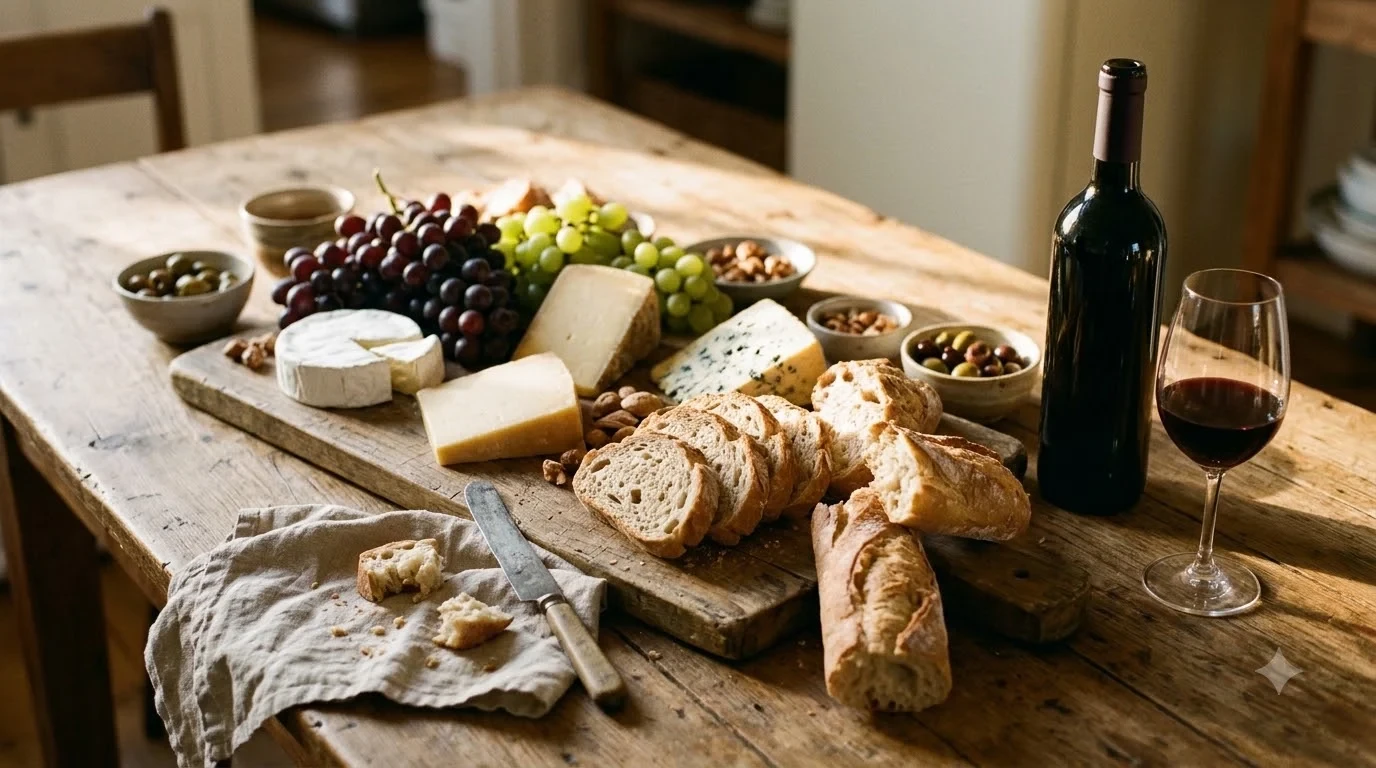
Pairing rose with cheese works exceptionally well because dry pink wines combine crisp, mouthwatering acidity with gentle red-berry fruit and almost no harsh tannins. This structural balance lets rose cut right through creamy, salty, and semi-soft cheeses without overwhelming their delicate milk flavors. Light-bodied styles like Provence rose shine alongside fresh goat cheese, burrata, and Havarti, while deeper, fuller-bodied roses stand up to aged Gouda, Gruyere, and young Manchego.
Many hosts default to bold reds or crisp whites when assembling a cheese board, leaving pink wine off the table entirely. Yet rose bridges the gap between those two categories, offering the refreshing lift of a white wine alongside subtle red-fruit character that flatters both mild and savory dairy.
Why Rose Works So Well on a Cheese Board
Rose succeeds alongside cheese because its acidity refreshes the palate after rich bites while its low tannin profile avoids clashing with milk proteins and salt. Unlike heavy red wines that can turn metallic or bitter against creamy curds, a well-chilled pink wine keeps every bite tasting clean and bright.
From a structural standpoint, cheese presents two main challenges for any wine: high butterfat and concentrated salt. Butterfat coats the tongue and dulls delicate aromatics, which is why high-acid wines are essential for resetting your palate between bites. Because most dry roses are harvested early to preserve natural tartness, they slice through creamy textures like brie, fresh mozzarella, and chèvre just as effectively as traditional white wine with cheese.
At the same time, rose brings subtle notes of wild strawberry, watermelon, white peach, and crushed herbs that mirror classic cheese board accompaniments. Salt in feta, aged sheep’s milk cheeses, or salted butter amplifies those bright fruit notes rather than making the wine taste thin. If you are browsing different Wine by Type options for a mixed platter where guests have varied preferences, a dry pink bottle is often the single safest pour on the table.
Best Cheeses to Pair With Different Styles of Rose
The easiest way to match a bottle of rose to the right cheese is to align weight and intensity: pair pale, delicate roses with fresh, milky cheeses and fuller-bodied, darker roses with firmer, nuttier wheels. Paying attention to color, grape variety, and sweetness level takes the guesswork out of building a cohesive board.
Pale, minerally wines from southern France—such as classic Côtes de Provence blends made from Grenache, Cinsault, and Syrah—carry brisk citrus and herbal notes. According to Wine Folly’s classic pairing guide, Provence rose and Havarti make an ideal match because the wine’s steely minerality contrasts with the cheese’s smooth, supple texture. Fresh goat cheese (chèvre), burrata, ricotta, and briny feta also thrive next to crisp, light-bodied pink wines.
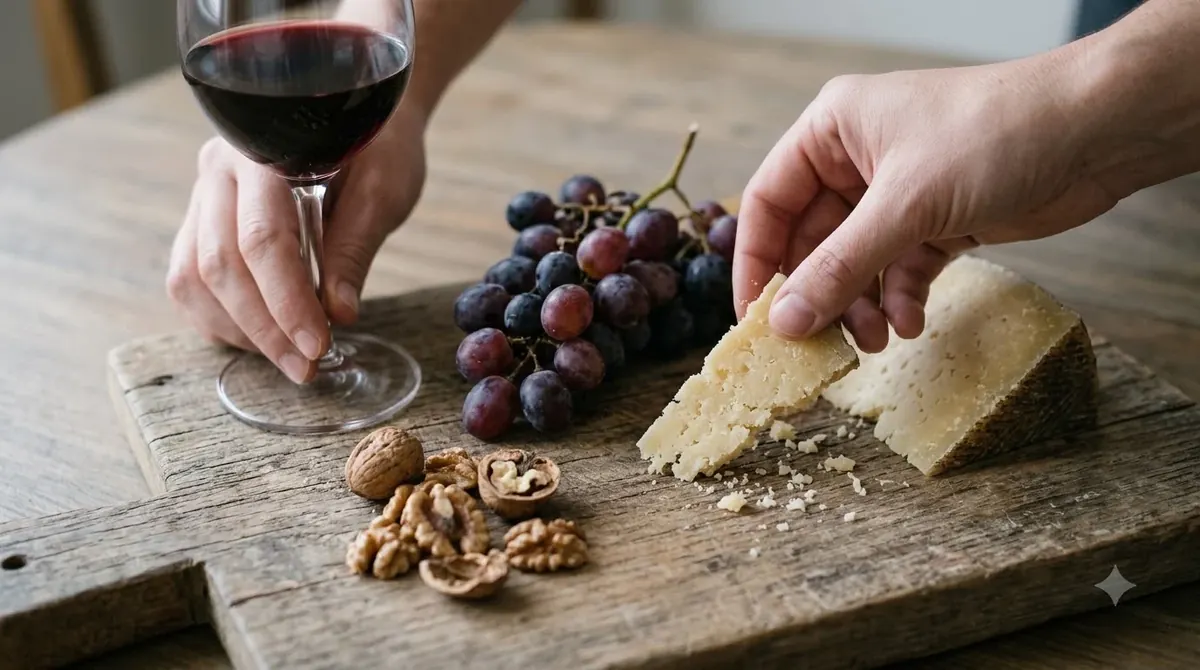
When you reach for a darker, more structured rose—such as a Tavel, a Spanish rosado made from Garnacha, or a deeper Pinot Noir or Syrah rose—you gain enough body to handle semi-hard and aged cheeses. Young Manchego, Comté, Gruyère, and medium-aged Gouda offer nutty, caramelized flavors that match the richer red-cherry and spice notes in these fuller styles. If you prefer off-dry styles, a touch of residual sugar becomes an asset alongside salty blue cheeses like Gorgonzola or Roquefort, softening their pungent bite.
| Rose Style | Body & Flavor Profile | Best Cheese Matches | Why the Pairing Works |
|---|---|---|---|
| Provence & Pale Dry Rose | Light-bodied, crisp acidity, citrus, white peach, herbal notes | Fresh chèvre, burrata, fresh mozzarella, Havarti, feta | Brisk acidity cuts creamy richness without burying mild milk flavors |
| Pinot Noir & Sangiovese Rose | Light-to-medium body, bright strawberry, red cherry, floral lift | Fontina, ricotta, baby Swiss, mild young cheddar | Delicate red-berry fruit complements sweet, nutty dairy notes |
| Tavel, Syrah & Dark Dry Rose | Medium-to-full body, deeper berry, spice, subtle grip | Young Manchego, Gruyère, Comté, aged Gouda | Richer texture and savory depth stand up to firm, nutty cheeses |
| Sparkling Rose (Brut) | Lively bubbles, high acid, toasted brioche, tart berry | Triple-cream Brie, Camembert, Chaource, Parmesan | Effervescence scrubs heavy butterfat from the palate between bites |
| Off-Dry & Semi-Sweet Rose | Noticeable sweetness, juicy watermelon, ripe strawberry | Gorgonzola, Roquefort, Stilton, spiced washed-rind cheeses | Residual sugar balances intense salt and pungent blue-veined funk |
Sparkling Rose and Cheese Pairings
Sparkling rose brings carbonation into the equation, making it one of the most versatile wines for rich, double- and triple-cream cheeses that can otherwise feel heavy on the palate. Tiny bubbles act like a palate cleanser, lifting dense butterfat while highlighting the wine’s crisp berry and citrus flavors.
Bloomy-rind cheeses such as Brie de Meaux, Camembert, and triple-cream Délice de Bourgogne coat the mouth with lush creaminess. A dry Brut sparkling rose—whether Champagne, Crémant de Loire, or a traditional-method bottle from California—uses bright acidity and lively mousse to slice cleanly through that richness. Reviewers at Decanter’s sparkling wine pairing guide note that extended lees aging adds brioche and toast aromas that allow weightier sparkling wines to partner with nutty, aged Comté as well as fresh mozzarella.
Sparkling pink wines also bridge savory and salty extremes on a larger grazing board. Alongside aged Parmigiano-Reggiano, the contrast between salty crystalline crunch and cold, fruity bubbles creates an effortless sweet-and-savory balance without needing honey or jam on the plate.
Cheeses to Avoid or Handle With Care
While dry rose is remarkably flexible, ultra-pungent, heavily aged, or intensely smoky cheeses can easily overpower delicate pink wines and leave them tasting flat or sour. Understanding where rose hits its structural limits helps you avoid awkward clashes at the table.
Bone-dry, pale roses lack the heavy tannins and concentrated oak structure needed to stand up to aggressive blue cheeses like aged Stilton or sharp Roquefort. When you pair a lean, tart Provence rose with a fiercely salty, pungent blue, the cheese dominates the palate and strips away the wine’s fruit, leaving behind an unpleasant metallic edge. Similarly, extra-sharp aged cheddar with intense acidity and crystalline sharpness can make a delicate rose taste thin by comparison.
Heavily smoked cheeses—such as strongly smoked Gouda or smoked provolone—pose a similar challenge because intense wood-smoke compounds clash with subtle floral and citrus aromatics. If you want to serve blue or intensely aged cheeses alongside pink wine, switch to an off-dry style with noticeable sweetness or choose a bold, darker rose de saignée with deeper fruit concentration. Checking is rose sweet or dry before you open the bottle ensures your wine has enough sweetness or weight for the boldest wedges on your board.
How to Serve Rose and Cheese Together
Temperature control is the single most important factor when serving rose with cheese, because wine that is too cold mutes its fruit while cheese straight from the refrigerator tastes waxy and closed. Getting both elements into their ideal temperature window brings out aroma, texture, and flavor balance.
Serve dry still rose chilled to 44–55°F (7–12°C), and keep sparkling rose slightly colder at 38–45°F (3–7°C). A standard kitchen refrigerator runs closer to 37–40°F, so pulling a bottle of still rose out of the fridge 15 to 20 minutes before pouring prevents the cold from locking up its berry and floral notes. For step-by-step chilling times and glassware tips, see our full guide on how to serve rose.
Cheese needs the opposite treatment: remove your wedges from the refrigerator 30 to 60 minutes before guests arrive so they warm closer to room temperature. Cold butterfat stays firm and suppresses volatile aromas, whereas tempered cheese becomes supple, creamy, and expressive. Arrange your board from mildest to strongest—starting with fresh chèvre or burrata, moving through semi-soft Havarti or Gruyère, and finishing with aged sheep’s milk cheese—so your palate never fatigues early.
Tip: Add salty, briny accompaniments like Marcona almonds, green olives, and fresh berries rather than heavy sugary jams, which can make dry rose taste tart.
Frequently Asked Questions
What is the best cheese to pair with dry rose wine?
Fresh goat cheese (chèvre), burrata, Havarti, and briny feta are among the best matches for dry rose. Their creamy textures and gentle tang play directly into the wine’s crisp acidity and bright red-berry fruit without overwhelming its delicate finish.
Can you serve rose wine with brie or camembert?
Yes, especially if you choose a dry sparkling rose or a crisp, high-acid still rose. The wine’s acidity and bubbles cut right through the rich, buttery paste of bloomy-rind cheeses so your palate feels refreshed after every bite.
Does blue cheese go well with rose?
Classic dry rose usually struggles next to pungent blue cheeses like Roquefort or Stilton because the intense salt and funk overpower the wine. However, an off-dry or semi-sweet rose works well, since a touch of residual sugar balances the cheese’s sharp, salty bite.
Should you chill rose before serving it with a cheese board?
Yes, serve still rose chilled between 44°F and 55°F and sparkling rose between 38°F and 45°F. Avoid serving still rose ice-cold straight from the fridge, as extreme cold mutes the subtle fruit and herbal notes that make cheese pairings shine.
Matching rose with cheese comes down to respecting weight, acidity, and serving temperature rather than following rigid rules. Start with crisp, pale bottles for fresh and creamy cheeses, reach for darker or sparkling styles when firmer and richer wedges appear on the board, and let both wine and dairy rest at the right temperature before your first pour.
More in Wine Types & Grapes
 Zinfandel Sugar Content: Dry Red vs. White Zinfandel GramsUpdated Nov 21, 2026
 Best Zinfandel Substitute Options for Sipping and CookingUpdated Nov 21, 2026
 Zweigelt Food Pairing: Best Dishes, Cheeses, and Serving TipsUpdated Nov 21, 2026
 Zinfandel Tannins Explained: How Structure Shapes Every BottleUpdated Nov 21, 2026
 Zinfandel Sweetness Level: Dry Red vs. Sweet White Zin ExplainedUpdated Nov 21, 2026
 Xinomavro Food Pairing: Best Dishes, Styles, and Serving TipsUpdated Nov 21, 2026