

We may earn a commission when you buy through links on this page, at no extra cost to you. Learn more.
Josh cabernet tasting notes center on ripe blackberry, toasted hazelnut, and cinnamon, supported by hints of vanilla and toasted oak. Josh Cellars Cabernet Sauvignon is a California red wine with a round, juicy character and an approachable full-bodied profile. Expect dark-fruit flavors, gentle spice, and a smooth impression from its rounded tannins, making it a versatile choice for beef, pork, lamb, and chocolate desserts.
Josh Cellars Cabernet Sauvignon is a familiar California Cabernet that combines recognizable dark-fruit flavors with warm baking spices and oak-influenced notes. Its appeal comes from the balance between ripe fruit, savory accents, and a relatively approachable texture. Understanding its aromas, palate, structure, and finish makes it easier to decide whether this wine suits your preferences and how to serve it alongside a meal.
Primary Aromas and Flavor Profile
The defining character of Josh Cellars Cabernet Sauvignon is a combination of blackberry, toasted hazelnut, and cinnamon. Vanilla and toasted oak provide additional layers, giving the wine a fruit-forward profile with recognizable savory and baking-spice accents.
The producer’s official description identifies blackberry, toasted hazelnut, and cinnamon as its central flavor notes. These characteristics provide a useful starting point for understanding the wine. Blackberry contributes a dark-fruit impression, toasted hazelnut adds a nutty dimension, and cinnamon introduces warmth rather than the sharpness of pepper or fresh herbs.
Blackberry is particularly important because it helps establish the wine’s overall identity. The fruit character is ripe and generous rather than particularly tart or delicate. Depending on the vintage and serving conditions, drinkers may also recognize black cherry, plum, or other dark-fruit impressions. These additional descriptors are useful tasting comparisons, although they should not be confused with the producer’s stated core flavor profile.
The toasted hazelnut note gives the wine a more savory dimension. It helps balance the impression of ripe fruit and makes the overall profile feel more layered. Cinnamon works similarly, adding warmth that can become more noticeable as the wine opens in the glass.
Vanilla and toasted oak complete the main aromatic picture. Vanilla can create an impression similar to baking spices or sweet-smelling pastry, while toasted oak contributes a gentle roasted character. These notes complement the fruit instead of completely replacing it.
Independent tasting descriptions provide additional context. Wine Enthusiast’s review of a 2022 Lodi bottling identifies dark berries, coriander, sage, florals, and toasty oak on the nose. Its palate description includes blackberry, boysenberry, vanilla cream, nutmeg, and mocha. This illustrates how individual vintages and regional bottlings can show additional characteristics beyond the producer’s standard description.
For a useful comparison, consider the difference between primary fruit aromas and oak-related aromas. Blackberry and black cherry suggest the grape’s fruit character, while vanilla, toasted hazelnut, and toasted oak provide a warmer, more developed impression. Cinnamon and nutmeg bridge these two groups by adding spice without making the wine taste like a sweet dessert beverage.
Appearance, Body, and Palate Texture
Josh Cellars Cabernet Sauvignon is a red wine with a full-bodied presentation and a rounded, juicy palate. Its structure is designed to support dark fruit and oak notes without making the overall drinking experience excessively austere.
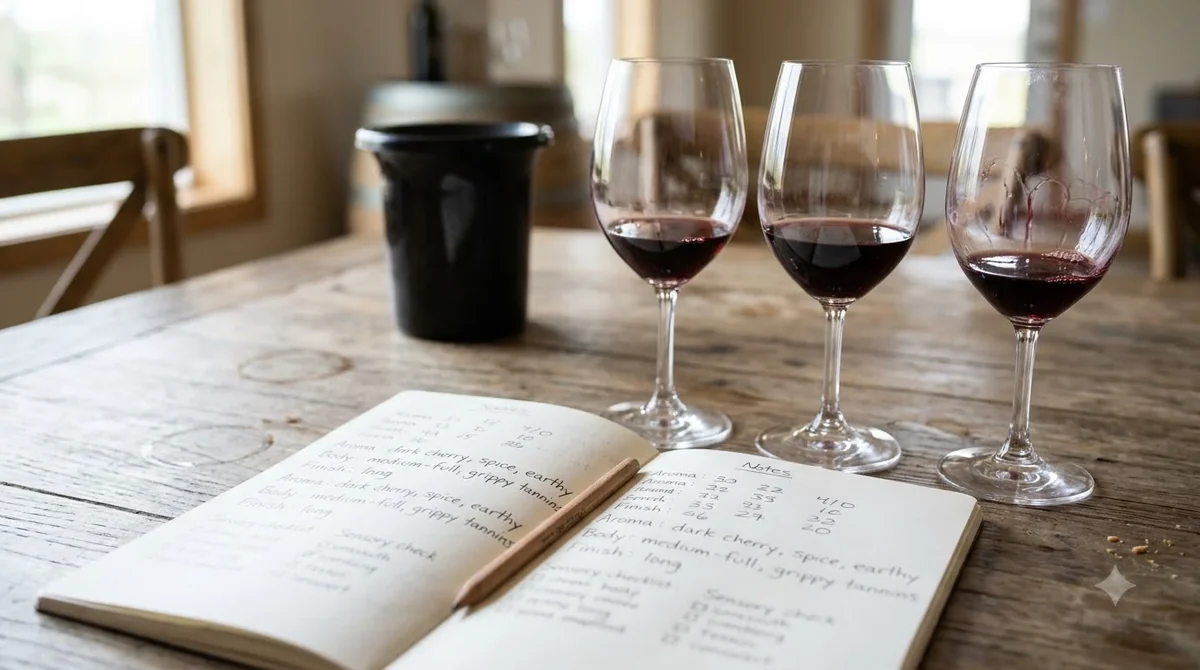
In the glass, a Cabernet Sauvignon of this style is generally expected to show a deep ruby to garnet-red appearance. Its color provides the first visual indication of a concentrated red-wine style, although the exact shade can change with the vintage, bottle age, and lighting. A young bottle will generally appear more vividly ruby than an older red wine showing developing garnet tones.
The body describes how substantial the wine feels in the mouth. Josh Cellars presents its Cabernet as round and juicy, while the SAQ classifies its listed bottling as full-bodied. These descriptions suggest a wine with enough weight to accompany substantial dishes such as grilled beef, roasted lamb, and richly seasoned pork.
Texture is another important part of the experience. Cabernet Sauvignon is naturally associated with significant tannin structure, but the perception of tannin varies according to grape growing conditions and winemaking decisions. Josh Cellars is frequently described with rounded, soft, or supple tannins, which can make its structure more approachable than a particularly firm, heavily extracted Cabernet.
Acidity provides another balancing element. A wine with dark fruit, body, and oak needs enough freshness to prevent the palate from feeling heavy. The SAQ describes the listed bottling as having present acidity, which supports the idea that the wine is not simply a flat combination of ripe fruit and wood flavors.
Alcohol also contributes to the perception of body. Product listings report different alcohol figures for particular bottlings, so it is important not to assume that every vintage has identical specifications. The SAQ listing reports 13.5% ABV, while Wine Enthusiast records 14% for its reviewed 2022 Lodi wine. These figures refer to different listings and should not be treated as interchangeable measurements.
On the palate, look for a progression from dark fruit to warmer secondary impressions. Blackberry may be the first recognizable flavor, followed by hazelnut, cinnamon, vanilla, or toasted oak. The combination creates a relatively familiar Cabernet profile rather than a highly unusual or experimental flavor experience.
How the Finish and Tannins Shape the Experience
The finish of Josh Cellars Cabernet Sauvignon is generally rounded and fruit-driven, with oak and spice helping extend the impression after each sip. Its tannins provide structure while remaining comparatively approachable in descriptions of the standard bottling.
Tannins are naturally occurring compounds found in grape skins, seeds, and stems, as well as in oak used during wine aging. In red wine, they contribute the drying sensation that can be felt along the gums and inside the cheeks. Cabernet Sauvignon is generally a high-tannin grape, although the finished wine’s perceived firmness depends on the fruit, extraction, oak treatment, and overall style.
Josh Cellars is presented as a round and juicy Cabernet rather than an especially aggressive example. Total Wine describes its finish as long, with round, soft tannins. The SAQ similarly describes its tannins as supple. These descriptions suggest that the wine’s structure is intended to support its fruit character without dominating the palate.
The finish is not simply about how long a flavor remains. It also concerns which characteristics stay noticeable. With this Cabernet, blackberry, black cherry, vanilla, and toasted oak provide a useful framework for evaluating the final impression.
A short finish might leave mostly fruit impressions before fading. A more persistent finish can allow toasted oak, cinnamon, or savory notes to remain noticeable after the fruit begins to recede. Differences in perception are normal because food, glass shape, serving temperature, and individual sensitivity all affect how wine tastes.
Pay attention to the relationship between fruit and tannin. If the wine feels dry along the gums but still tastes juicy, that is a normal combination in Cabernet Sauvignon. Tannin is not the same as sweetness, and a rounded texture does not automatically mean the wine contains substantial residual sugar.
For comparison, a highly structured Cabernet Sauvignon may feel firmer and more drying than Josh Cellars. Merlot generally has medium tannin and a softer profile, while Pinot Noir usually has lower to medium tannin and higher acidity. These differences help explain why Cabernet Sauvignon is particularly suited to dishes with protein and fat.
California Origin and Vintage Differences
Josh Cellars Cabernet Sauvignon carries a California identity, but tasting descriptions can vary between regional bottlings and individual vintages. A California designation and a Lodi-specific review should therefore be understood as different levels of geographic information.
The standard producer description identifies the wine as a California Cabernet Sauvignon. This broad designation communicates its origin without claiming that every bottle comes from one particular vineyard or subregion. California produces Cabernet Sauvignon in several different winegrowing areas, and regional conditions can influence the balance of fruit, acidity, and tannin.
Wine Enthusiast’s review of the 2022 Josh Cellars Cabernet Sauvignon identifies Lodi in the Central Valley as its specific region. The reviewer describes ripe dark berries alongside coriander, sage, florals, and toasty oak. The palate includes blackberry, boysenberry, vanilla cream, nutmeg, and mocha.
That description is particularly useful because it demonstrates how a regional bottling can develop a broader aromatic profile than the standard producer description. Blackberry remains a recognizable connection, but herbs, florals, boysenberry, and mocha introduce additional details.
Vintage also matters. Weather conditions during the growing season influence grape ripeness, acidity, and the eventual balance of a wine. A warmer growing season may contribute to a riper fruit impression, while differences in growing conditions and production decisions can affect tannin and aromatic expression.
It is therefore better to treat the producer’s flavor notes as a general description of the wine’s intended style rather than a guarantee that every bottle will taste exactly the same. The standard profile provides a reliable framework, while vintage-specific reviews offer additional detail about individual releases.
Wine Enthusiast awarded its reviewed 2022 Lodi bottling 90 points. That review also identifies a 14% alcohol level and describes the tannins as silky. The score and tasting description apply to that particular reviewed wine, not automatically to every Josh Cellars Cabernet Sauvignon release. Read the Wine Enthusiast review of Josh Cellars 2022 Cabernet Sauvignon for the vintage-specific tasting assessment.
For readers comparing California Cabernet producers, it can be helpful to explore Austin Hope Cabernet tasting notes. That comparison provides another reference point for understanding how different California Cabernet styles express dark fruit, oak, body, and tannin.
Serving Temperature, Glassware, and Decanting
Serve Josh Cellars Cabernet Sauvignon slightly cooler than a typical warm room, ideally around 60–65°F. A suitable red-wine glass and a little time for the wine to breathe help make its fruit, spice, and oak characteristics easier to recognize.
Serving temperature has a meaningful effect on the way Cabernet Sauvignon tastes. If the wine is too warm, alcohol can become more noticeable and the fruit may seem heavier. If it is too cold, the tannins can feel firmer and the aromatic details may become less expressive.
A temperature between 60°F and 65°F is a useful target for a full-bodied red wine. The SAQ’s recommended range of 15°C to 17°C translates to approximately 59°F to 63°F, which fits comfortably within this serving guidance.
For a bottle stored in a warm room, place it in the refrigerator briefly before serving. The goal is to cool the wine gently rather than serve it refrigerator-cold. If the bottle becomes too cold, allow it to warm gradually in the glass.
Glassware also matters. A medium-to-large red wine glass with a rounded bowl gives the wine room to release its aromas. The wider opening allows the drinker to assess the blackberry, cinnamon, vanilla, and oak notes without needing to swirl excessively.
Decanting is optional for this style. A young, full-bodied red can benefit from approximately 30–60 minutes in a decanter, particularly if it initially seems closed or dominated by a single flavor. However, Josh Cellars Cabernet Sauvignon is designed as an approachable wine, so an extended decant is not a requirement.
A practical alternative is to open the bottle and pour a small tasting glass first. Swirl gently, wait several minutes, and taste again. If the aromas become more expressive and the texture seems better integrated, continue serving from the bottle or transfer the remaining wine to a decanter.
Tip: Start by serving Josh Cellars Cabernet Sauvignon at approximately 62°F. Pour a small amount, allow it to sit for 5–10 minutes, and compare its blackberry, cinnamon, and vanilla aromas before deciding whether additional aeration is necessary.
For a standard 750 ml bottle, five glasses of approximately 5 oz each provide a practical serving estimate. If the bottle is not finished, reseal it and store it in the refrigerator. Most opened still wines are best enjoyed within approximately 3–5 days, although freshness depends on storage conditions and the wine itself.
Best Food Pairings for Josh Cellars Cabernet Sauvignon
Josh Cellars Cabernet Sauvignon works particularly well with seasoned beef, pork, lamb, and chocolate desserts. Its dark-fruit character, rounded tannins, and toasted oak notes make it a natural companion for savory dishes with enough richness to balance the wine.
Beef: Grilled steak, roast beef, and burgers are dependable choices. Protein and fat soften the perception of tannin, while the savory flavors of grilled meat complement blackberry and toasted oak. A pepper-seasoned steak or herb-crusted roast provides additional aromatic connections with the wine’s spice notes.
Lamb: Roasted lamb with rosemary and garlic is another strong pairing. The richness of the meat helps balance the Cabernet’s structure, while herbs can connect with the savory aromatic notes identified in independent tasting descriptions. Slow-roasted lamb shoulder is especially suitable because its texture and seasoning provide a substantial match.
Pork: Well-seasoned pork chops and roasted pork tenderloin can work particularly well. Choose preparations with herbs, black pepper, or a savory glaze rather than an excessively sweet sauce. The wine’s fruit and cinnamon characteristics can complement lightly caramelized surfaces without making the entire pairing taste sugary.
Chocolate: Dark chocolate desserts provide a different but equally interesting pairing. Chocolate brownies, chocolate tart, and flourless chocolate cake can complement the wine’s dark fruit, vanilla, and mocha-like impressions. The dessert should not be dramatically sweeter than the wine, since excessive dessert sweetness can make a dry red taste more bitter or sour.
Mushrooms: Roasted mushrooms, mushroom risotto, and grilled portobello provide earthy flavors that can work with Cabernet’s darker fruit and oak characteristics. Butter and other rich ingredients also help soften the wine’s tannins. A mushroom dish with thyme and roasted garlic offers a particularly useful combination.
Cheese: Aged cheddar, Gouda, and other flavorful firm cheeses are sensible choices. Their richness and savory character help balance the wine’s tannins. Blue cheese can also work with certain preparations, particularly when served with beef or a savory burger, although its strong saltiness may make the fruit seem more prominent.
Some foods are less suitable. Very spicy chili dishes can make the wine’s alcohol and tannins seem more aggressive. Highly acidic sauces can make the wine taste flatter by comparison, while oily fish can clash with the structure of a tannic red. For fish courses, a fresher white wine is often a better choice.
The following table summarizes practical pairing ideas and serving suggestions.
| Food | Recommended preparation | Why it works |
|---|---|---|
| Beef | Grilled steak or roast beef | Protein and fat soften tannins |
| Lamb | Rosemary and garlic roast | Richness complements the wine’s structure |
| Pork | Herb-seasoned pork chops | Seasoning connects with cinnamon and oak |
| Chocolate | Dark chocolate tart | Dark fruit and vanilla complement cocoa |
| Mushrooms | Butter-roasted mushrooms | Earthy flavors complement savory notes |
| Aged cheese | Cheddar or Gouda | Richness softens tannin perception |
For another California comparison, Caymus Cabernet tasting notes can help readers understand how a different producer’s Cabernet emphasizes fruit concentration, oak, and texture. Those differences are useful when choosing a wine for a particular meal or personal preference.
How Josh Cabernet Compares With Other Cabernet Styles
Josh Cellars Cabernet Sauvignon is best understood as an approachable, fruit-forward California Cabernet with warm spice and rounded texture. Comparing it with other Cabernet producers helps clarify the differences between fruit intensity, tannin structure, oak influence, and overall weight.
Cabernet Sauvignon is a grape variety rather than a single flavor profile. Wines made from the same grape can differ considerably depending on climate, vineyard location, ripeness, blending, extraction, and oak treatment. As a result, two California Cabernet Sauvignons may share blackberry and black cherry notes while offering noticeably different textures.
Josh Cellars emphasizes blackberry, toasted hazelnut, cinnamon, vanilla, and toasted oak. Its producer description highlights a round and juicy style. This makes it a useful reference for drinkers who enjoy familiar dark-fruit flavors without looking for particularly aggressive tannins.
Other producers may place greater emphasis on concentrated fruit, firmer tannins, herbal complexity, or stronger oak impressions. These distinctions are especially noticeable when tasting several Cabernet Sauvignons side by side. Using the same glassware and serving temperature helps make the differences easier to recognize.
For example, DAOU Cabernet tasting notes provide another California reference for comparing fruit, oak, and structure. Readers interested in a broader selection of producers can also explore Wine Brands for additional background on different wine labels and styles.
The following characteristics provide a simple framework for comparing popular red grapes and their typical structure.
- Cabernet Sauvignon: High tannin, dark-fruit flavors, and a structured finish.
- Merlot: Medium tannin and a softer, generally more rounded structure.
- Pinot Noir: Low-to-medium tannin with higher acidity and a lighter body.
- Syrah: Medium-plus to high tannin, often with dark fruit and savory spice.
These are general grape characteristics rather than guaranteed descriptions of every bottle. Winemaking choices can make an individual Cabernet feel softer or firmer than another wine made from the same variety.
When comparing Josh Cellars with another bottle, pay particular attention to three questions. First, is the fruit more black-fruit-driven or red-fruit-driven? Second, does the wine feel rounded or noticeably drying? Third, does oak contribute a supporting flavor or dominate the palate?
Those questions make tasting more informative than relying exclusively on a numerical rating. They also help identify whether a wine will work better with grilled meat, rich sauces, roasted vegetables, or a cheese course.
Frequently Asked Questions
Is Josh Cellars Cabernet Sauvignon vegan?
The producer’s standard tasting description does not establish whether every bottling is vegan. Wine clarification can involve animal-derived fining agents, but production practices vary. Contact the producer about the specific bottling if vegan certification or ingredient sourcing is important to your decision.
Does Josh Cellars Cabernet Sauvignon contain sulfites?
Like most conventional wines, Josh Cellars Cabernet Sauvignon may contain naturally occurring sulfites and may also have sulfites added during production. In the United States, wine containing at least 10 parts per million of sulfites must carry a sulfite declaration. The exact amount is not provided in the standard tasting description.
Can Josh Cellars Cabernet Sauvignon be used in cooking?
Yes. It can be used in beef braises, red-wine pan sauces, and slow-cooked dishes. Its blackberry and toasted oak characteristics can contribute depth to savory recipes, while cinnamon-like spice can complement dishes containing herbs and roasted vegetables. Avoid reducing the wine excessively, since concentrated flavors can become more pronounced during cooking.
What is the difference between Josh Cellars Cabernet and Josh Cellars Reserve Cabernet?
They are separate bottlings within the Josh Cellars range rather than interchangeable names for the same wine. A Reserve designation identifies a different product, and its regional designation and tasting characteristics should be considered independently. Wine Enthusiast has reviewed a Josh Cellars Reserve Cabernet Sauvignon from North Coast separately from its standard Cabernet bottlings.
Can Josh Cellars Cabernet Sauvignon be stored for several years?
Storage potential depends on the particular vintage, bottle condition, and intended style. The standard bottling is positioned as an approachable wine rather than a wine that necessarily requires long-term cellaring. For proper storage, keep the bottle away from direct sunlight and significant temperature fluctuations, ideally in a consistently cool environment near 55°F.
Josh Cellars Cabernet Sauvignon offers a recognizable California Cabernet profile built around blackberry, toasted hazelnut, cinnamon, vanilla, and toasted oak. Its rounded texture and dark-fruit character make it a practical choice for grilled beef, lamb, seasoned pork, and chocolate desserts. Serve it around 60–65°F to appreciate its aromas, balance, and approachable structure.
More in Wine Brands
 Underwood Wine Price: Compare Bottles, Cans, and Pack SizesUpdated Nov 21, 2026
 Zenato Wine Price: Compare Styles and Choose the Right BottleUpdated Nov 21, 2026
 Zuccardi Wine Price: Compare Bottles and Find the Right RangeUpdated Nov 21, 2026
 Yellow Tail Moscato Review: Taste, Sweetness and Serving TipsUpdated Nov 21, 2026
 Wolf Blass Yellow Label Review: Choose Your Best StyleUpdated Nov 21, 2026
 Wolffer Estate Rose Review: Choose the Right Bottle for Your TableUpdated Nov 21, 2026