

We may earn a commission when you buy through links on this page, at no extra cost to you. Learn more.
Bodegas Roda wine is a premium Rioja wine from Haro, Spain, known for its expressive Tempranillo-based reds, carefully selected vineyard parcels, and French oak aging. Founded in 1987, Bodegas Roda produces several distinct wines, including Sela, Roda, Roda I, and Cirsion. Its approach combines detailed vineyard selection with modern winemaking techniques to create wines that balance ripe fruit, freshness, structure, and oak complexity.
Rioja has a long history of producing age-worthy Spanish wines, but individual producers take different approaches to grape selection, fermentation, and maturation. Bodegas Roda stands out for its attention to individual vineyard sites and its ability to express different characteristics of Tempranillo. Understanding its wine range, growing conditions, and production methods makes it easier to choose a bottle for dinner, a special occasion, or a developing wine collection.
Where Bodegas Roda Comes From: Haro and Rioja
Bodegas Roda is based in Haro, a historic wine town in La Rioja, northern Spain. Its location in the Barrio de la Estación, beside the Ebro River, places it among the important traditional wine producers of Rioja Alta, an area particularly associated with structured, balanced wines and long-established cellaring practices.
The winery was founded in 1987 by the Rotllant Daurella family. Rather than simply reproducing an established Rioja style, the project focused on combining careful vineyard management with an approach to winemaking that could reveal differences between individual vineyard parcels. The winery occupies a site above a nineteenth-century underground cellar, historically used to store wine before it was transported by rail to Bordeaux.
Haro is an important reference point when understanding the style of Bodegas Roda. Its position near the Ebro River and the surrounding mountain ranges creates varied growing conditions. Atlantic, Mediterranean, and Continental climatic influences meet in this part of Rioja, producing differences in temperature, rainfall, and seasonal development.
The winery’s facilities have developed through four major phases, in 1991, 1996, 2000, and 2018. These improvements allowed production and storage facilities to evolve alongside the winery’s vineyard-focused philosophy. The result is a producer that uses modern equipment without abandoning the traditional importance of oak maturation and careful cellar work.
For American wine drinkers, the easiest comparison is with other Spanish red wine producers. However, Rioja is not a single uniform style. A bottle from Roda may have a different fruit profile, oak influence, and texture from another Rioja made in a more traditional or more fruit-forward style. Exploring producers such as Campo Viejo red wine can help illustrate the range of expressions available from the same broader wine region.
The Vineyards and Grapes Behind Roda Wines
Vineyard selection is central to Bodegas Roda’s identity. The winery cultivates approximately 120 hectares, including 70 hectares of owned vineyards and 50 hectares managed through agreements with local growers, according to its vineyard information.
These vineyards are distributed across different ecosystems and elevations, ranging from approximately 380 to 650 meters above sea level. That variation matters because altitude, exposure, soil characteristics, and local weather patterns can influence grape ripening and the resulting balance between fruit concentration and freshness.
Tempranillo is the principal grape associated with the winery’s red wines. It is one of Spain’s most important red varieties and is especially well suited to Rioja. Depending on growing conditions and winemaking, Tempranillo can produce flavors of cherry, red plum, blackberry, dried herbs, vanilla, and spice. Its moderate acidity and medium tannin structure also make it adaptable to oak maturation.
Garnacha and Graciano provide additional blending possibilities. Garnacha can contribute ripe red fruit, body, and warmth, while Graciano is valued for its acidity, color, and aromatic character. Their proportions vary between wines and vintages, so a single grape formula should not be assumed for the entire Roda range.
The following table illustrates the composition of two specific wines using their published technical information. These percentages describe individual vintages rather than permanent recipes.
| Wine and vintage | Tempranillo | Garnacha | Graciano | Oak aging |
|---|---|---|---|---|
| Sela 2022 | 89% | 7% | 4% | 12 months |
| Roda Reserva 2021 | 89% | 6% | 5% | 14 months |
The Sela 2022 blend comes from a technical sheet published by its US distributor, while the Roda Reserva 2021 figures come from a separate technical sheet. Both demonstrate how Tempranillo provides the foundation, with smaller quantities of other varieties contributing additional dimensions.
Vineyard age and site selection also influence the character of the wines. Roda’s official information describes its interest in identifying parcels with different ripening patterns and selecting the best fruit for individual wines. This approach helps explain why two bottles from the same producer can have noticeably different aromatic and structural profiles.
Rather than treating the vineyard as a uniform source of grapes, the winery considers the characteristics of individual parcels before deciding how to use their fruit. This attention to vineyard variation is one of the defining features of its production philosophy.
How Bodegas Roda Makes and Ages Its Wines
Bodegas Roda combines careful grape sorting, parcel-by-parcel fermentation, and French oak maturation. The winery uses temperature-controlled oak vats and separate fermentation vessels to preserve the distinctions between vineyard sites before blending and aging.
After arriving at the winery, grape bunches pass through a selection process. The winery describes using a conveyor system and a sorting table where six people complete the selection that began in the vineyard. The grapes are then destemmed before fermentation.
Roda operates two production buildings containing 17 and 18 French oak vats, respectively. Their capacities range from 4,000 to 20,000 liters. Each vat has temperature-monitoring equipment, individual pump-over systems, and cooling and heating controls. The winery renews these oak vats approximately every ten years.
One important detail is that grapes from different vineyard parcels are fermented separately. The winery generally allows native yeast flora to conduct fermentation rather than routinely introducing selected commercial yeast. Its stated vinification sequence includes cold pre-fermentation maceration, fermentation, and post-fermentation maceration.
The complete fermentation and maceration process typically takes 18 to 20 days, although the treatment of each vineyard can be adjusted to its individual characteristics. Daily evaluation helps determine when the wine should be separated from the skins and transferred into barrels.
French oak and the development of flavor
French oak is a defining part of Roda’s winemaking approach. The wines undergo malolactic fermentation in barrels, a process that converts sharper malic acid into softer lactic acid. This can help create a rounder mouthfeel and integrate the wine’s acidity with its fruit and oak characteristics.
The winery describes using 225-liter barrels for this stage. Its malolactic fermentation room was developed to maintain suitable conditions for managing a large number of barrels, with temperature and humidity controls supporting the process.
Oak aging contributes additional aromatic and textural characteristics. Depending on the wine and vintage, these can include vanilla, clove, cedar, toasted spice, and subtle cocoa notes. Barrel age and the proportion of new oak influence how noticeable these characteristics become.
For example, the published Sela 2022 technical information describes 12 months in second- and third-year French oak barrels. Roda Reserva 2021 is listed with 14 months of maturation, divided between new and second-use barrels, followed by 30 months of bottle aging before release.
These differences illustrate why it is important to consider the individual bottling rather than assuming every wine from the estate receives identical treatment.
For a closer look at the producer’s approach, the official Bodegas Roda winemaking process explains the grape selection, fermentation, and barrel stages in greater detail.
The Main Bodegas Roda Wines and Their Differences
The Bodegas Roda portfolio includes several wines with distinct profiles. Sela, Roda, Roda I, and Cirsion are particularly important names to understand when choosing a bottle, while Roda I Blanco and Rosado Perdigón Reserva offer alternatives beyond the main red wine range.

Sela: Fresh, approachable Rioja
Sela is a useful starting point for someone discovering the producer. It is designed around a fresh, fruit-focused expression of Rioja, with Tempranillo supported by smaller amounts of Garnacha and Graciano in the published 2022 blend.
The Sela 2022 technical information describes fresh cherry aromas, hints of sage and cedar, and fine, silky tannins. Its use of second- and third-year French oak barrels allows the wine to develop additional complexity without making new oak the dominant characteristic.
Expect a red wine that emphasizes fruit and freshness while retaining enough structure for food. It is a sensible choice for people who enjoy Spanish reds but do not necessarily want the deepest or most concentrated expression in the winery’s portfolio.
Roda: A red-fruit-focused expression
RODA represents the red-fruit side of the producer’s Tempranillo philosophy. The winery explains that it selects vineyard parcels displaying a red-fruit profile in a particular vintage, emphasizing aromatic freshness and a smooth, continuous texture.
Typical flavor expectations include red cherry, plum, sweet spice, and fresh fruit aromas. Its texture is described by the producer as silky and generous, making it an appealing option for drinkers who prefer elegance over particularly heavy structure.
The name also has an interesting history. Before the 2002 vintage, this wine was called RODA II. Older bottles may therefore carry the earlier name, which is useful information for anyone browsing a restaurant list or wine collection.
Roda I: Greater depth and concentration
Roda I is generally the choice for someone looking for a more structured and complex red wine. Its profile emphasizes darker fruit, greater concentration, and a more substantial overall impression than the fruit-focused Roda bottling.
Tempranillo remains the principal grape, with Graciano and sometimes Garnacha contributing to the blend. The exact composition depends on the vintage. Roda I also receives extended barrel and bottle maturation, allowing its tannins and oak characteristics to become more integrated.
In a tasting report covering multiple vintages, James Suckling describes the wine’s approach to oak, parcel selection, and tannin management as central to its consistent style. The report also highlights the separate vinification of individual vineyard parcels before the wines are assembled.
Expect darker berry fruit, spice, earthy details, and a more pronounced structure. Roda I is particularly suitable for substantial meals and occasions when a wine with greater depth is preferred.
Cirsion: A distinctive top-tier expression
Cirsion occupies a special position within the Roda portfolio. It represents a more selective expression of the winery’s approach to identifying exceptional fruit and creating a distinctive wine from carefully chosen vineyard material.
Its place in the range makes it interesting for experienced Rioja drinkers who want to explore beyond the familiar Sela, Roda, and Roda I labels. It should not be treated as simply another vintage of Roda I, since it has its own identity and selection philosophy.
White and rosé alternatives
Although the winery is particularly associated with red Rioja, its official portfolio also includes Roda I Blanco and Rosado Perdigón Reserva. These wines demonstrate that the producer’s vineyard-focused approach extends beyond Tempranillo-based reds.
They are useful alternatives for drinkers who want to explore different styles from the same producer. However, their grape composition, maturation, serving temperatures, and food pairings should be considered separately from those of the red wines.
Tip: If you are choosing your first bottle, start with Sela for a fruit-focused introduction, Roda for a red-fruit-driven and silky style, or Roda I for greater depth and structure. Compare the same vintage when possible to make the stylistic differences easier to recognize.
What Bodegas Roda Wine Tastes Like
The overall style of Bodegas Roda is built around ripe fruit, controlled oak influence, and carefully managed tannins. However, the specific experience depends on which wine you select, its vintage, and how long it has developed in the bottle.
Tempranillo provides the foundation for much of the red range. In younger or more fruit-focused expressions, expect red cherry, raspberry, and plum. Darker-fruited examples can show blackberry, black plum, and concentrated berry flavors.
Oak maturation introduces additional layers. Depending on the barrel treatment, aromas can include cedar, vanilla, baking spice, clove, cocoa, and subtle toast. These characteristics should complement the fruit rather than completely obscure it.
Another important feature is the balance between acidity and tannin. Tempranillo generally provides moderate acidity and medium tannin, although blending, extraction, ripeness, and maturation can alter the final impression. Graciano can contribute freshness and structural definition, while Garnacha can add a softer, rounder fruit character.
Roda’s different wines can therefore appeal to different preferences:
- Fruit-forward drinkers: Sela and Roda offer attractive red-fruit characteristics.
- Oak and spice enthusiasts: Roda and Roda I provide more developed aromatic complexity.
- Fuller-bodied red wine fans: Roda I offers greater depth and concentration.
- Experienced Rioja collectors: Cirsion offers another direction within the winery’s selective portfolio.
Vintage variation is also important. Weather conditions influence ripening, acidity, fruit concentration, and tannin development. The same label can therefore show different levels of richness and freshness from one vintage to another.
For a broader understanding of how individual producers develop different styles within the wine industry, our overview of wine brands provides useful background on producer identity, grape selection, and regional character.
When evaluating a bottle, pay attention to the relationship between fruit, acidity, tannin, and oak. A well-balanced Rioja should feel integrated rather than dominated by a single characteristic. The finish should also remain pleasant after swallowing, with fruit and spice continuing to develop.
Food Pairings and Serving Bodegas Roda Wines
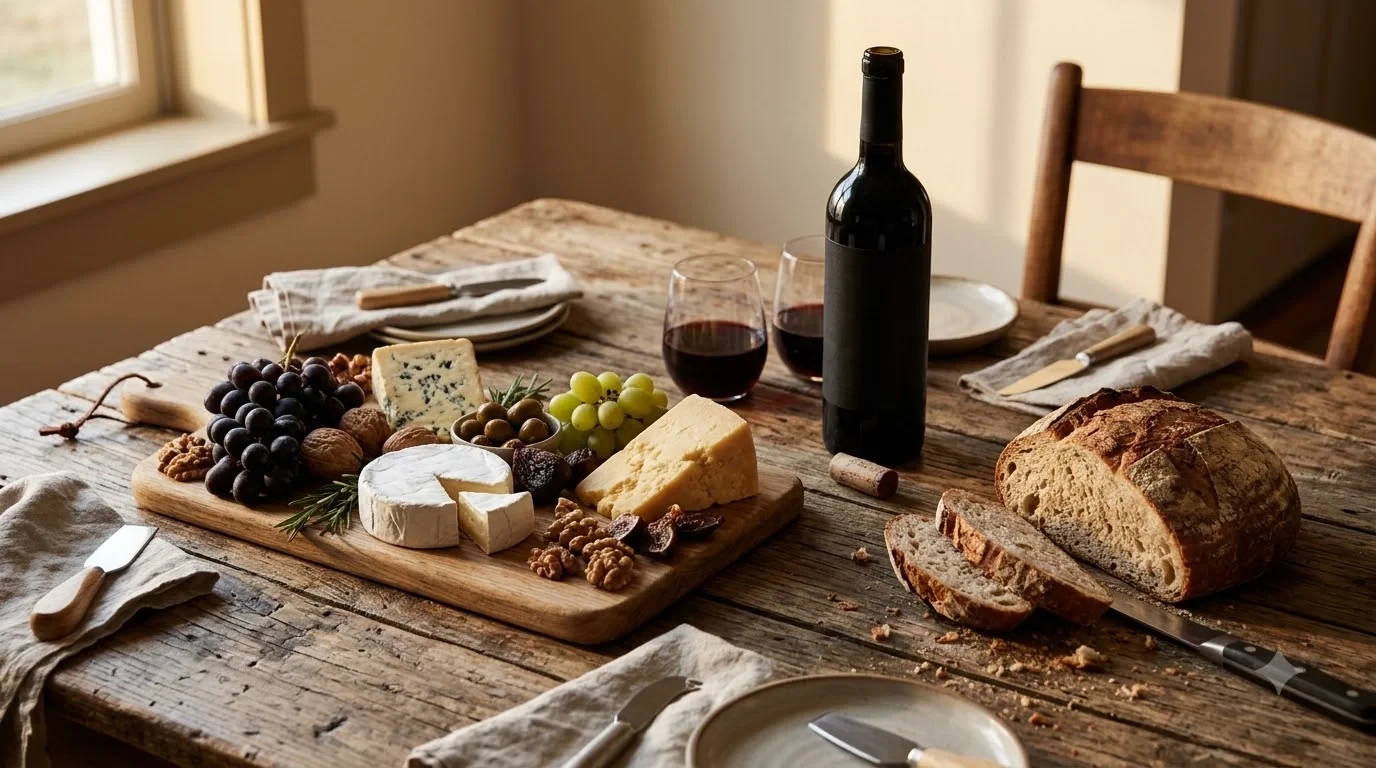
Bodegas Roda’s red wines work particularly well with grilled meats, roasted vegetables, aged cheeses, and richly flavored Spanish dishes. Their combination of fruit, acidity, and tannin makes them versatile at the dinner table, especially when the intensity of the food matches the intensity of the wine.
For Sela and Roda, consider roast chicken, grilled pork, lamb chops, or tomato-based pasta. Their fruit-forward profiles complement browned meat and savory seasoning without overwhelming moderately rich dishes.
Roda I is a stronger candidate for grilled ribeye, roast lamb, beef short ribs, or slow-cooked stews. Its more substantial structure can stand up to protein and concentrated cooking flavors. Salt and fat also soften the perception of tannin, making richer meat dishes particularly suitable.
Spanish-inspired meals offer additional possibilities. Patatas bravas, grilled chorizo, mushroom dishes, roasted peppers, and aged Manchego can work well with different expressions of Rioja. The combination of savory flavors and moderate richness helps bring out the wine’s fruit and spice.
Pairing by wine style
- Sela: Roast chicken, grilled pork, mushroom risotto, and semi-aged cheeses.
- Roda: Lamb kebabs, grilled vegetables, pork tenderloin, and tapas.
- Roda I: Ribeye steak, braised short ribs, roast lamb, and aged Manchego.
- Cirsion: Beef dishes with concentrated sauces, roasted game, and mature hard cheeses.
Avoid pairing strongly tannic red wine with oily fish. The combination can produce an unpleasant metallic impression. If serving seafood, a white or rosé wine from the producer’s broader range may be a better choice.
Serving temperature also makes a noticeable difference. Light and medium-bodied reds are generally best around 55–60°F, while fuller-bodied reds benefit from approximately 60–65°F. Serving a bottle too warm can make alcohol seem more prominent and reduce the impression of freshness.
For a young, full-bodied Roda I or Cirsion, decanting for approximately 30–60 minutes can help the wine open up. Older bottles require more care because extended exposure to air can reduce their aromatic freshness. If the wine contains sediment, gentle decanting can separate it from the liquid.
Storage and serving suggestions
Store unopened bottles on their sides in a cool, dark location near 55°F, with reasonably stable temperature and humidity. Avoid frequent temperature changes, direct sunlight, and vibration.
For a standard 750 ml bottle, a 5 oz serving provides approximately five glasses. Once opened, reseal the bottle and place it in the refrigerator. Most still wines retain their best character for around three to five days under suitable storage conditions, although the precise period depends on the wine’s age and structure.
Allow refrigerated red wine to warm slightly before serving. A brief period at room temperature can help restore its aromatic expression without allowing it to become excessively warm.
How to Choose the Right Bodegas Roda Bottle
The best Bodegas Roda wine depends on your preferred fruit profile, body, tannin level, and the occasion. Someone new to Rioja may prefer a fresher, more accessible bottle, while an experienced collector may want a wine with greater concentration and a longer maturation history.
Start by identifying the style you enjoy. If you usually drink lighter reds with bright cherry and raspberry flavors, Sela or Roda may be the most natural starting point. If you prefer darker fruit, a fuller mouthfeel, and more substantial tannins, consider Roda I.
Next, consider how you intend to serve the wine. A bottle for casual dinner service should be enjoyable without extensive preparation. A more structured wine may benefit from decanting and a meal with enough richness to balance its tannins.
Vintage is another important consideration. Differences in rainfall, growing-season temperatures, and harvest timing can influence the final blend and the wine’s structure. Comparing technical information for individual vintages is more useful than assuming a particular grape percentage or aging period applies to every release.
For collectors, bottle age and storage history deserve particular attention. Rioja wines can develop tertiary aromas over time, including dried fruit, leather, tobacco, earth, and savory spice. However, the pace of development depends on the individual wine and its storage conditions.
It is also useful to distinguish between Reserva and other classifications. Reserva is a regulated Rioja aging category with minimum maturation requirements for both barrel and bottle aging. The designation provides useful information about maturation, but it does not automatically mean that every Reserva will taste richer or better than every non-Reserva wine.
Roda’s own bottlings should be evaluated according to their individual identities rather than by the classification alone. The fruit-focused character of Roda, the greater depth of Roda I, and the particular selection behind Cirsion all contribute to the range’s appeal.
Finally, consider the producer’s broader background. Readers exploring Spanish wines may also find it useful to compare different regional and international producers, including Baron Philippe de Rothschild wine. Such comparisons can help clarify how grape varieties, regional traditions, and oak choices influence the finished bottle.
Frequently Asked Questions
Is Bodegas Roda an independent winery or part of a larger wine group?
Bodegas Roda belongs to a wider group of wine and agricultural businesses that also includes Bodegas La Horra and Aubocassa. These businesses produce wines in different Spanish regions and olive oils in Mallorca. Their products have separate regional identities and should not be confused with the Rioja wines made at the Haro winery.
Does Bodegas Roda use organic or biodynamic certification?
The winery’s published vineyard information emphasizes detailed vineyard management and environmental awareness, but its general portfolio information does not establish that every wine carries organic or biodynamic certification. Certification is a specific regulated status, not simply a description of vineyard practices. Anyone seeking a certified bottle should verify the designation for the particular release.
What does the name Roda mean on older wine bottles?
The original RODA bottling was previously marketed as RODA II before the 2002 vintage. This historical name is useful when researching older Rioja bottles or comparing archived wine lists. It is distinct from the Roda I label, which represents a separate wine in the portfolio.
Does Bodegas Roda produce wine outside Rioja?
The broader Roda group also operates Bodegas La Horra in Ribera del Duero, in the province of Burgos. That winery produces wines including Corimbo and Corimbo I using the local Tinta del País grape variety, which is the regional name commonly used for Tempranillo. These wines come from a different appellation and have their own production identity.
Can visitors taste several Bodegas Roda wines at the winery?
Yes. The winery offers organized wine tourism experiences in Haro, including guided visits and tastings. Spain’s official tourism website describes a tasting experience featuring wines such as Sela, Roda, Roda I, Cirsion, and Roda I Blanco, subject to the particular experience offered. Advance reservations are required, and visitors should confirm the current schedule directly with the winery.
Bodegas Roda offers a distinctive introduction to modern Rioja, combining Tempranillo’s regional character with careful vineyard selection, parcel-specific fermentation, and French oak maturation. Whether you choose the fresh fruit of Sela, the silky red-fruit profile of Roda, or the deeper structure of Roda I, the range provides several ways to explore the character of Haro and Rioja Alta. Start with the style that best matches your food and personal preferences, then compare different vintages to discover how the winery expresses each growing season.
More in Wine Brands
 Underwood Wine Price: Compare Bottles, Cans, and Pack SizesUpdated Nov 21, 2026
 Zenato Wine Price: Compare Styles and Choose the Right BottleUpdated Nov 21, 2026
 Zuccardi Wine Price: Compare Bottles and Find the Right RangeUpdated Nov 21, 2026
 Yellow Tail Moscato Review: Taste, Sweetness and Serving TipsUpdated Nov 21, 2026
 Wolf Blass Yellow Label Review: Choose Your Best StyleUpdated Nov 21, 2026
 Wolffer Estate Rose Review: Choose the Right Bottle for Your TableUpdated Nov 21, 2026