

We may earn a commission when you buy through links on this page, at no extra cost to you. Learn more.
Shiraz with steak is an excellent pairing because the wine’s dark fruit, black pepper, and firm tannins complement beef’s savory flavor, grilled crust, and natural fat. Australian Shiraz is particularly well suited to ribeye, New York strip, and barbecued steak, while more restrained cool-climate styles work beautifully with leaner cuts. The best bottle depends on the steak’s marbling, cooking method, seasoning, and sauce.
Steak and Shiraz make a satisfying combination for a reason: both have enough flavor and structure to hold their own. A well-marbled ribeye brings richness, a hot grill creates smoky char, and Shiraz adds ripe blackberry, plum, pepper, and sometimes savory notes of smoke. The pairing can be equally successful at a backyard barbecue or a formal steak dinner. The key is choosing a wine with the right weight and adjusting the food’s seasoning to suit its personality.
Why Shiraz and Grilled Steak Work Together
Shiraz works especially well with steak because its dark fruit, peppery character, and tannins complement the meat’s richness and grilled flavors. The combination is particularly successful with beef cooked over an open flame or in a hot cast-iron skillet.
One important part of this pairing is tannin. Tannins create the drying, slightly grippy sensation associated with many red wines. Shiraz typically has medium-plus to high tannin, giving it enough structure to accompany substantial food. The protein and fat in steak soften the perception of tannin, so the wine can feel rounder and less drying alongside a bite of beef. A fatty ribeye, for example, often makes a structured Shiraz feel more approachable than it might when tasted by itself.
Grilling creates another connection. The browned exterior of a steak develops savory flavors that complement Shiraz’s pepper, smoke, and dark-fruit character. A blackened crust on a ribeye or the browned edges of a grilled strip steak can make the wine’s smoky and spicy notes more noticeable. This is why the grape is frequently recommended for barbecue, roasted beef, and other hearty grilled dishes. Decanter specifically identifies the peppery character of Syrah, also known as Shiraz, as a natural partner for smoky barbecued steak.
There is also a useful balance of intensity. A delicate red wine can disappear beside a large steak with a thick crust, while a concentrated Shiraz may overwhelm a small, simply prepared filet. The goal is to give both the food and wine enough presence without allowing either to dominate. A full-bodied Barossa Shiraz generally suits a richly marbled steak better than a delicate, lighter-bodied red. A fresher, more restrained expression can provide a better match for a leaner cut with subtle seasoning.
These principles are useful beyond steak. The same combination of savory richness and peppery fruit can work with lamb chops, grilled sausages, roast beef, and mushroom-based dishes. For more combinations involving different preparations and ingredients, see our Shiraz food pairing recommendations. Understanding why the basic pairing works makes it easier to adjust the wine when the cut, sauce, or cooking method changes.
Barossa Fruit and Cooler-Climate Syrah Styles
Not every bottle labeled Shiraz tastes the same. Warm-climate wines from Australia’s Barossa Valley and McLaren Vale often have ripe, generous fruit, while cooler-climate expressions tend to show more freshness, savory character, and pepper.
Barossa Valley is a particularly useful starting point for a classic steak dinner. Shiraz from this South Australian region commonly displays concentrated blackberry, blueberry, plum, and dark spice. Some examples also show chocolate, licorice, vanilla, and smoked-meat characteristics from ripeness and oak aging. These flavors complement the substantial richness of a ribeye, T-bone, or strip steak. When the meat has plenty of marbling and a strongly browned exterior, the wine’s concentration can stand up to the food without disappearing.
McLaren Vale offers another appealing direction. Its Shiraz can be generous and fruit-forward, with a combination of dark berries, spice, and savory depth. It is a good choice for grilled sirloin, barbecue steak, or beef served with roasted vegetables. The exact character varies between producers and vineyards, so there is room to choose a softer, more fruit-driven bottle or one with firmer structure. For a steak dinner with peppercorn sauce or grilled onions, either approach can be successful.
Cooler-climate wines labeled Syrah can offer a different experience. Northern Rhône examples from France, including Crozes-Hermitage, Saint-Joseph, and Côte-Rôtie, are often more restrained and savory than powerful Australian Shiraz. Black pepper, herbs, smoked meat, and fresh acidity can take a more prominent role. These wines are excellent with steak seasoned with rosemary, thyme, cracked pepper, or mushrooms. They are also worth considering when the beef is flavorful but not especially fatty.
Other regions offer useful options. Australia’s Yarra Valley and parts of Victoria produce cooler-climate expressions with freshness and savory spice, while South Africa’s Swartland is known for interesting Syrah and Shiraz styles. In the United States, California and Washington also produce wines from this grape. The Wine Enthusiast overview of Syrah and Shiraz explains how climate influences the grape’s expression, including the more powerful, fruit-forward character associated with many Australian wines.
For a straightforward decision, choose a ripe, full-bodied Barossa or McLaren Vale Shiraz for a thick ribeye or heavily charred strip steak. Choose a fresher, more savory Syrah for filet mignon, herb-seasoned beef, or steak served with mushrooms. The name on the bottle can provide a useful clue, but regional reputation and the wine’s actual weight are more helpful than assuming every Shiraz tastes identical.
Choose the Right Cut: Ribeye, Strip, or Filet
The steak cut is one of the most useful starting points when selecting Shiraz. Ribeye, New York strip, and filet mignon have different levels of fat and flavor intensity, so each benefits from a slightly different style of wine.
Ribeye is among the strongest matches for full-bodied Shiraz. Its marbling creates a rich texture and substantial beef flavor, making it suitable for wines with ripe fruit and firm tannins. A Barossa or McLaren Vale example can handle the meat’s richness, especially when the steak is grilled or pan-seared with a dark crust. Simple seasoning with sea salt and cracked black pepper helps connect the wine’s savory character with the food.
New York strip is another dependable option. It has a substantial beef flavor and a firmer texture than some more heavily marbled cuts. A medium-to-full-bodied Shiraz with dark fruit and noticeable pepper works particularly well. Consider a strip steak cooked over charcoal, served with roasted onions or a small amount of herb butter. The wine should have enough concentration to complement the browned exterior without making the meal feel overly heavy.
Filet mignon needs a little more consideration. It is relatively lean and tender, with a milder beef flavor than ribeye. A particularly powerful, high-alcohol Shiraz can overpower it, especially when the steak is lightly seasoned. A fresher, medium-bodied Syrah or a restrained Shiraz offers a better balance. Alternatively, add a savory element such as mushroom ragout, charred onion, or a small serving of red wine jus to give the dish more intensity.
| Steak cut or preparation | Recommended wine style | Why it works | Serving temperature |
|---|---|---|---|
| Grilled ribeye | Full-bodied Barossa Shiraz | Ripe fruit and tannin complement rich marbling and char. | 60–65°F |
| New York strip | Medium-to-full-bodied Australian Shiraz | Dark fruit and pepper match the strong beef flavor. | 60–65°F |
| Filet mignon | Fresher, medium-bodied Syrah | More restrained fruit and structure avoid overwhelming lean meat. | 55–60°F |
| T-bone steak | Structured, full-bodied Shiraz | Concentration suits the substantial beef flavor and grilled crust. | 60–65°F |
| Grilled flank steak | Fruit-forward, moderately structured Shiraz | Dark fruit complements the char and savory seasoning. | 55–60°F |
The recommendations are starting points rather than rigid rules. A heavily seasoned filet may need a more powerful wine than a simply cooked ribeye, while a lean strip steak with mushroom sauce can support a savory, structured Syrah. Consider the entire plate instead of focusing exclusively on the cut. A rich sauce, generous portion of herb butter, or smoky side dish can change the balance considerably.
Other beef preparations are worth considering, too. A grilled hanger steak can work with peppery Shiraz, especially when accompanied by caramelized onions. Beef short ribs have enough richness and savory depth for a concentrated red, particularly when braised for several hours. Steak sandwiches with roasted peppers and grilled onions also suit fruit-forward styles. The more intense the seasoning and cooking method, the more structure the wine can comfortably carry.
Match the Sauce: Peppercorn, Mushroom, and Béarnaise
Sauce can change a steak pairing just as much as the cut itself. Black pepper, mushrooms, herbs, and savory pan juices usually complement Shiraz, while very sweet barbecue glazes and intensely hot chili sauces require more care.
Peppercorn, herbs, and savory sauces
Peppercorn sauce is a natural choice because it echoes a familiar characteristic of Shiraz. The wine’s black pepper notes can connect with the seasoning, while its dark fruit provides contrast to the sauce’s creamy texture. A medium-to-full-bodied Shiraz from Barossa, McLaren Vale, or a savory northern Rhône Syrah can work well. Keep the pepper seasoning noticeable but not so intense that it masks the steak or makes the wine seem harsh.
Mushroom sauce is another particularly reliable match. Mushrooms have a savory, earthy character that complements the darker and more savory elements of Syrah and Shiraz. A pan sauce made with mushrooms, shallots, stock, butter, and a little cooking wine works especially well with filet mignon or New York strip. More concentrated Shiraz can also accompany grilled portobello mushrooms served alongside ribeye. The mushrooms add depth without introducing the strong sweetness found in some barbecue sauces.
Herb-based sauces provide another direction. Rosemary, thyme, garlic, and black pepper all work naturally with the wine’s spice profile. A simple herb butter is especially effective on grilled steak because it adds richness without turning the dish into something sweet or overly complex. Chimichurri can also work, provided it is not dominated by hot chili or excessive vinegar. Use fresh parsley, oregano, garlic, olive oil, and a restrained amount of red pepper to keep the sauce balanced.
Sweet sauces and chili heat
Béarnaise is a richer option, combining butter, egg yolks, vinegar, and aromatic herbs. Its creamy texture can suit a mature, fruit-forward red with enough acidity and structure. However, an excessively powerful Shiraz may dominate the delicate herbal character of the sauce. Choose a bottle with good freshness and moderate oak influence rather than automatically selecting the biggest wine available.
Barbecue sauce is popular with grilled steak, but sweetness deserves attention. A sauce made with a generous amount of brown sugar, honey, molasses, or sweet ketchup can make a dry, tannic Shiraz taste harder and more alcoholic. Use a fruit-forward bottle and moderate the amount of glaze. Better still, combine a little sweetness with smoked paprika, black pepper, salt, and vinegar so the finished sauce does not taste like dessert. The wine should remain comfortably dry beside the meal.
Chili requires even more restraint. Alcohol and tannin can amplify the perception of heat, so a powerful Shiraz is not always a good partner for very spicy steak. A heavily seasoned steak with jalapeños or a hot chili sauce may taste hotter alongside a high-alcohol wine. Choose a riper, softer example with moderate tannin and keep the chili at a comfortable level. If you enjoy exploring these different combinations, our Grape x Food resource provides more guidance on matching wine characteristics with ingredients and preparation methods.
Tip: Build the sauce around the wine rather than adding every flavor at once. For a powerful Shiraz, start with black pepper, mushrooms, garlic, or rosemary. Keep sugary barbecue glaze and very hot chili under control so the wine’s fruit and savory character remain enjoyable.
Grilling, Pan-Searing, and Steak Doneness
How steak is cooked changes its flavor intensity, texture, and relationship with wine. Grilling, pan-searing, and slow cooking each create different results, and Shiraz can work with all three when the wine’s weight is suited to the finished dish.
Grilling is the classic preparation. Direct heat creates browning and char, adding smoky and savory flavors that complement Shiraz’s black pepper and dark fruit. A ribeye over charcoal or a strip steak cooked on a gas grill makes a strong match for full-bodied Australian Shiraz. Avoid burning the exterior so severely that bitter flavors dominate the meal. A deeply browned crust is desirable, but excessive charring can make an already tannic wine taste more aggressive.
Pan-searing is an excellent alternative, particularly for filet mignon and New York strip. A heavy skillet creates a browned crust while allowing the steak to retain its tenderness. Once the meat is removed from the pan, browned bits can be used to prepare a sauce with shallots, stock, mushrooms, or a small amount of dry red wine. These savory flavors make the dish more substantial and give Shiraz additional points of connection. Finish with a modest amount of butter rather than a large quantity that would overwhelm the other flavors.
Slow cooking creates a different kind of richness. Braised beef short ribs, beef cheek, and other long-cooked cuts develop tender textures and concentrated savory flavors. A full-bodied Shiraz can accompany these preparations particularly well. The wine’s fruit complements the depth of the beef, while its structure stands up to reduced cooking juices and dark sauces. For braised dishes, a fruit-forward but balanced bottle is generally preferable to one dominated by aggressive oak or excessive alcohol.
Doneness also influences the choice. Rare and medium-rare steaks often preserve more of the meat’s natural tenderness and subtle flavor. A restrained Syrah or medium-bodied Shiraz can be a good match when the steak has a relatively light crust and simple seasoning. More thoroughly cooked steak often develops stronger roasted and browned characteristics, making a riper, fruit-driven wine appealing. A well-done strip steak with pepper seasoning, for example, can work with a generous Australian Shiraz that has enough fruit to remain expressive.
Think about side dishes as part of the cooking style. Crispy potatoes, grilled asparagus, roasted carrots, sautéed mushrooms, and caramelized onions can support a steak dinner without making it feel excessively heavy. Creamed spinach and rich potato gratin add more fat, so a fresh, savory wine can provide useful contrast. A salad dressed with lemon or vinegar should remain a side element rather than the main flavor competing with the wine.
Serving Temperature, Decanting, and Bottle Storage
Serving temperature and preparation affect how Shiraz performs beside steak. A full-bodied bottle generally shows best at 60–65°F, while a young, concentrated example may benefit from 30–60 minutes of decanting before dinner.
Red wine is often served too warm, particularly when the dining room or kitchen is hot. Excessive warmth can make alcohol seem more prominent and reduce the impression of freshness. Full-bodied Shiraz is best served at approximately 60–65°F rather than typical warm room temperature. Lighter, more restrained red expressions can be served closer to 55–60°F. A brief period in the refrigerator can bring a bottle into the appropriate range if it has been stored in a warm room.
Decanting is useful for young, full-bodied Shiraz, especially when it has firm tannins and concentrated fruit. Give a young, structured example approximately 30–60 minutes in a decanter before serving. This allows the wine to aerate and can make its aromas more expressive. Blackberry, plum, black pepper, and savory notes may become easier to recognize as the wine opens. Not every bottle needs an hour of air, however. A softer, more mature wine may be ready to serve shortly after opening, so taste it periodically instead of automatically leaving every bottle in a decanter.
Glassware also makes a difference. Use a reasonably large red wine glass with enough space for swirling. This helps concentrate the wine’s aromas while allowing them to develop above the bowl. Pour approximately 5 ounces per serving, leaving room for the wine to move in the glass. A standard 750-milliliter bottle provides about five servings at that size, making it straightforward to plan a dinner for several guests.
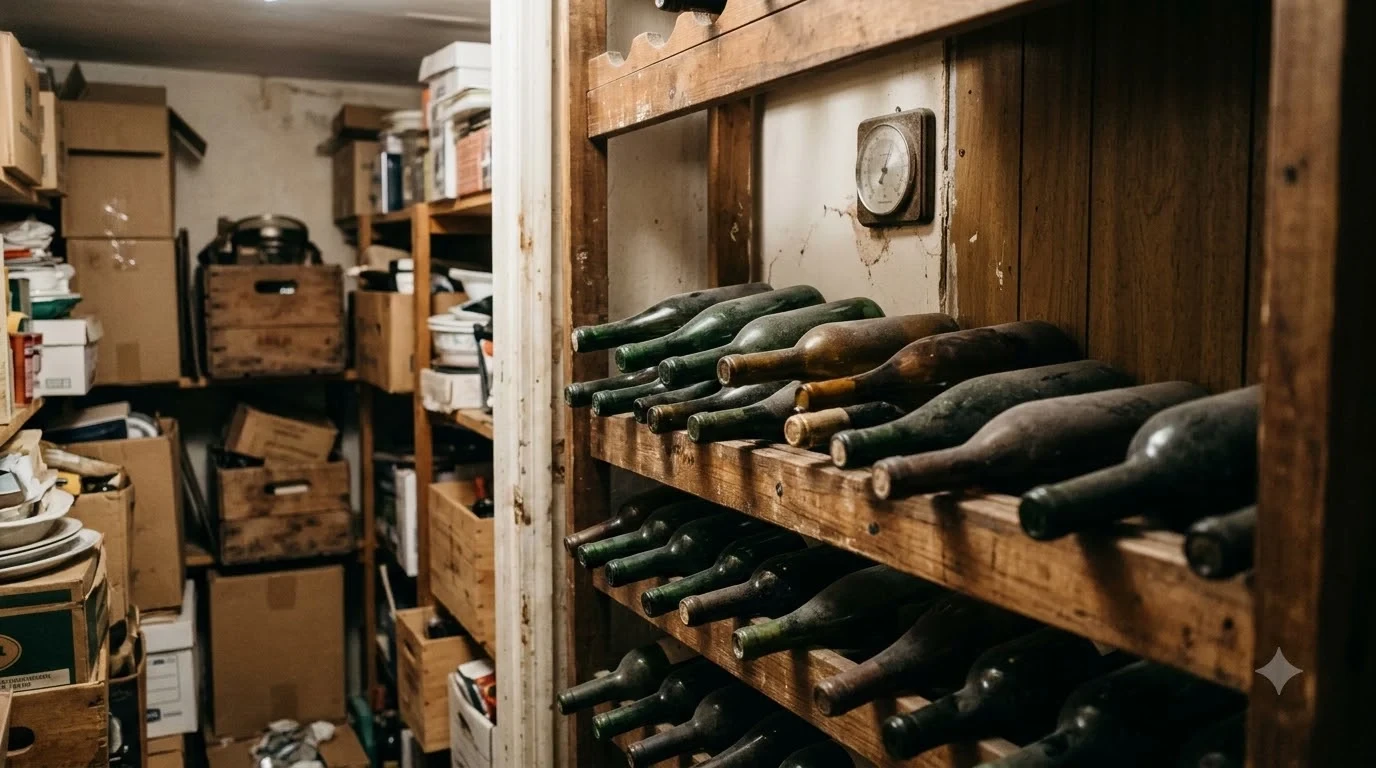
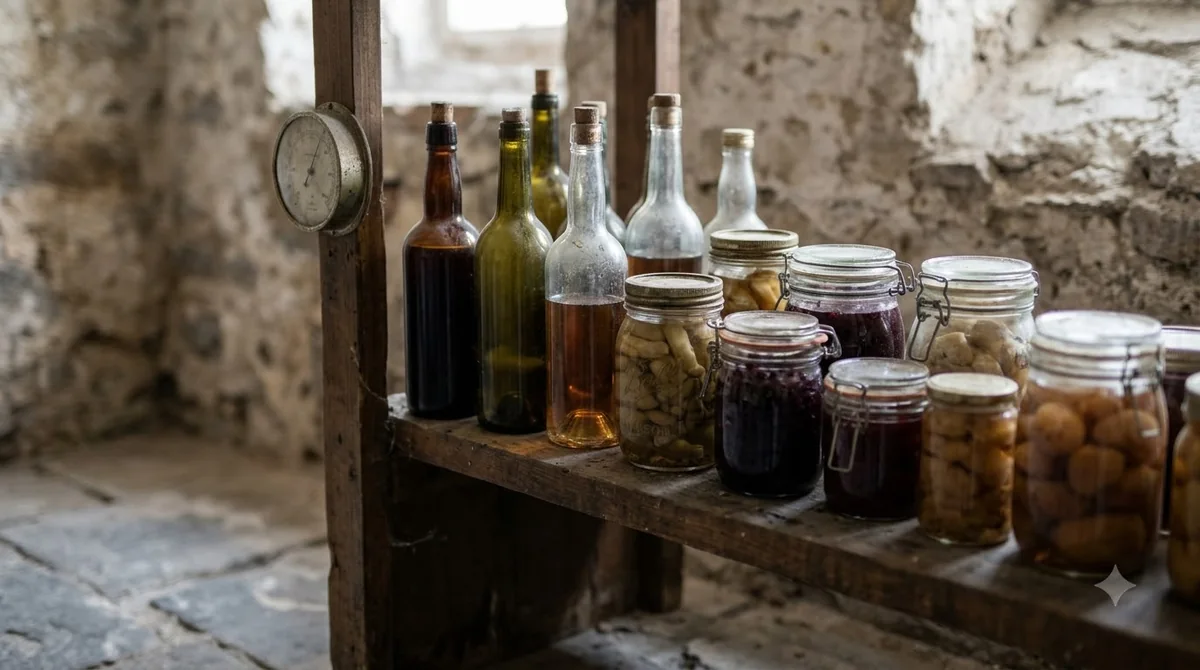
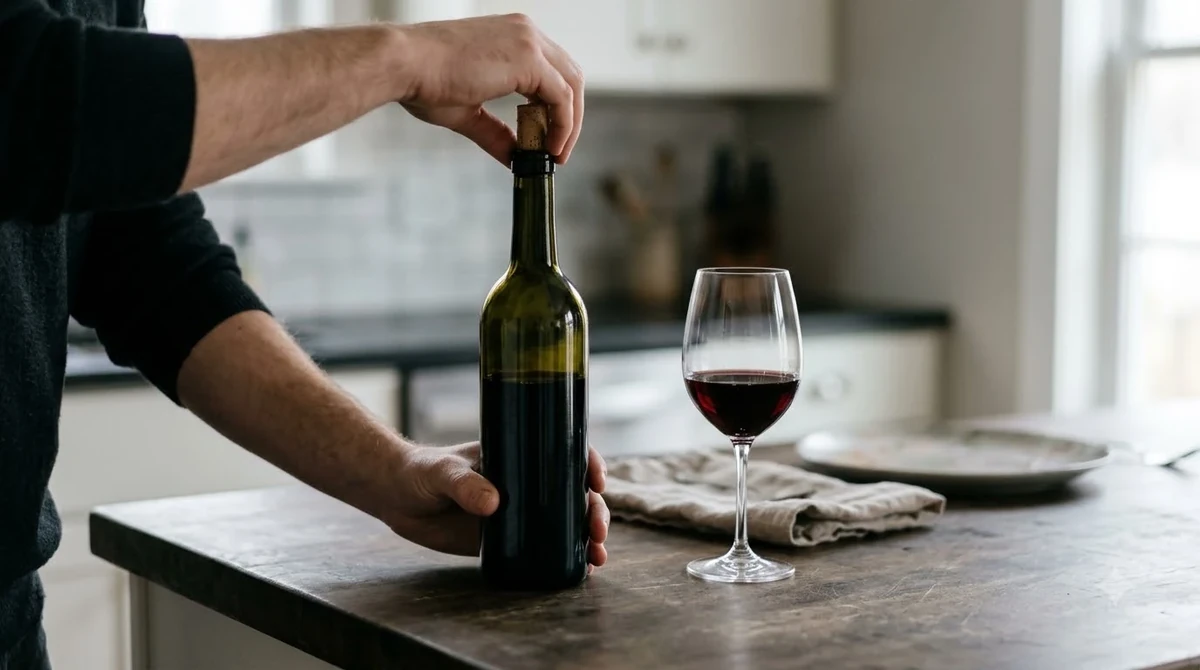
For storage, keep unopened bottles on their sides in a cool, dark location near 55°F, away from direct sunlight and frequent temperature changes. Once opened, replace the cork or closure and refrigerate the remaining still wine. Most opened still wines maintain their best character for approximately three to five days under refrigeration, although their condition varies with the bottle and the amount of air remaining inside. Allow the wine to warm slightly before pouring another glass.
Plan the timing around the meal. Open the bottle while the steak is resting or finishing its preparation, rather than waiting until everyone is seated and the meat has become cold. For a young, powerful Shiraz, start the decanting process before the steaks go onto the grill. For a more delicate bottle, simply open it when you begin preparing the side dishes. These small adjustments make it easier to serve both food and wine at their best.
There is no need to make every part of the meal elaborate. A grilled ribeye, roasted potatoes, mushrooms, and a well-chosen Shiraz are already a strong combination. Focus on the steak’s richness, the wine’s tannin and fruit, and the sauce’s main flavors. With those elements in balance, the pairing feels complete without unnecessary additions.
Champagne is another possibility for a steak dinner, particularly when you want a very different contrast of freshness and texture; see our article about Champagne with steak. For another structured red-wine option, Barolo with steak offers a different approach based on Nebbiolo’s distinctive tannins and acidity.
Frequently Asked Questions
Is Shiraz the same grape as Syrah?
Yes. Shiraz and Syrah are two names for the same grape variety. The choice of name often reflects regional tradition and the style a producer wants to communicate, rather than a difference in grape genetics. The name alone does not guarantee how powerful or restrained the finished wine will be.
Is Shiraz a dry wine or a sweet wine?
Most Shiraz is made in a dry style. Ripe blackberry and blueberry flavors can create an impression of sweetness even when the wine contains little residual sugar. Some examples retain a small amount of residual sugar, but a fruity flavor should not automatically be interpreted as actual sweetness.
How many glasses can I get from a bottle of Shiraz?
A standard 750-milliliter bottle provides approximately five glasses when each serving is 5 ounces. For a dinner with four adults, one bottle therefore allows a little extra for a second pour. Larger servings or a longer dinner may require additional bottles.
What color should a young Shiraz have?
Young Shiraz commonly displays a deep ruby-red to purple color. The intensity comes from its dark-skinned grapes and can be particularly noticeable in concentrated examples. With bottle age, the color can gradually become less vivid and develop garnet tones.
Does Shiraz always have a high alcohol content?
No. Alcohol depends on growing conditions, ripeness, and the winemaking choices made by the producer. Cooler-climate Syrah commonly falls around 13–14% ABV, while warmer South Australian Shiraz can reach approximately 14.5–15.5% ABV. This variation is one reason two wines made from the same grape can feel quite different beside steak.
Shiraz with steak is a dependable pairing when the wine’s body, tannin, and fruit match the cut and preparation. Start with a full-bodied Australian Shiraz for grilled ribeye or strip steak, or choose a more restrained Syrah for leaner beef and herb-based sauces. Pay attention to the seasoning, serving temperature, and richness of the whole plate, and you can create a steak dinner in which both the food and wine stand out.
More in Food & Wine Pairing
 Risotto With White Wine Recipe: Make a Creamy Dinner at HomeUpdated Nov 20, 2026
 Wassail With Wine Recipe for a Festive Spiced Holiday DrinkUpdated Nov 20, 2026
 Spritz Veneziano Recipe: Make a Classic Venetian Aperitivo at HomeUpdated Nov 20, 2026
 Summer Wine Punch Recipe for Easy Homemade EntertainingUpdated Nov 20, 2026
 Bishop Recipe: How to Make a Bright, Citrus-Forward Red Wine CocktailUpdated Nov 20, 2026
 Wine Cupcakes Recipe: Bake Rich Chocolate Cupcakes at HomeUpdated Nov 20, 2026