

We may earn a commission when you buy through links on this page, at no extra cost to you. Learn more.
Barolo with lamb is an excellent pairing because Nebbiolo’s firm tannins, fresh acidity, and savory complexity complement lamb’s rich meat, natural fat, and roasted flavors. The combination works particularly well with grilled lamb chops, herb-crusted rack of lamb, and slow-roasted leg of lamb. Choose a Barolo with enough freshness and fruit to balance the preparation, and pay attention to the sauce, cooking method, and serving temperature.
Barolo comes from Piedmont in northwestern Italy, where Nebbiolo produces structured red wines with considerable acidity and tannin. Lamb offers the richness and savory depth needed to make those characteristics appealing at the dinner table. The pairing can feel especially natural when the meat is roasted with rosemary, thyme, garlic, or other Mediterranean seasonings. However, the best results depend on matching the wine’s maturity and structure to the particular cut rather than treating every lamb recipe as the same dish.
Why Barolo Works So Well With Lamb
Barolo and lamb share a useful balance of richness, savory character, and structure. The wine’s tannins meet the meat’s fat, while its acidity refreshes the palate between bites.
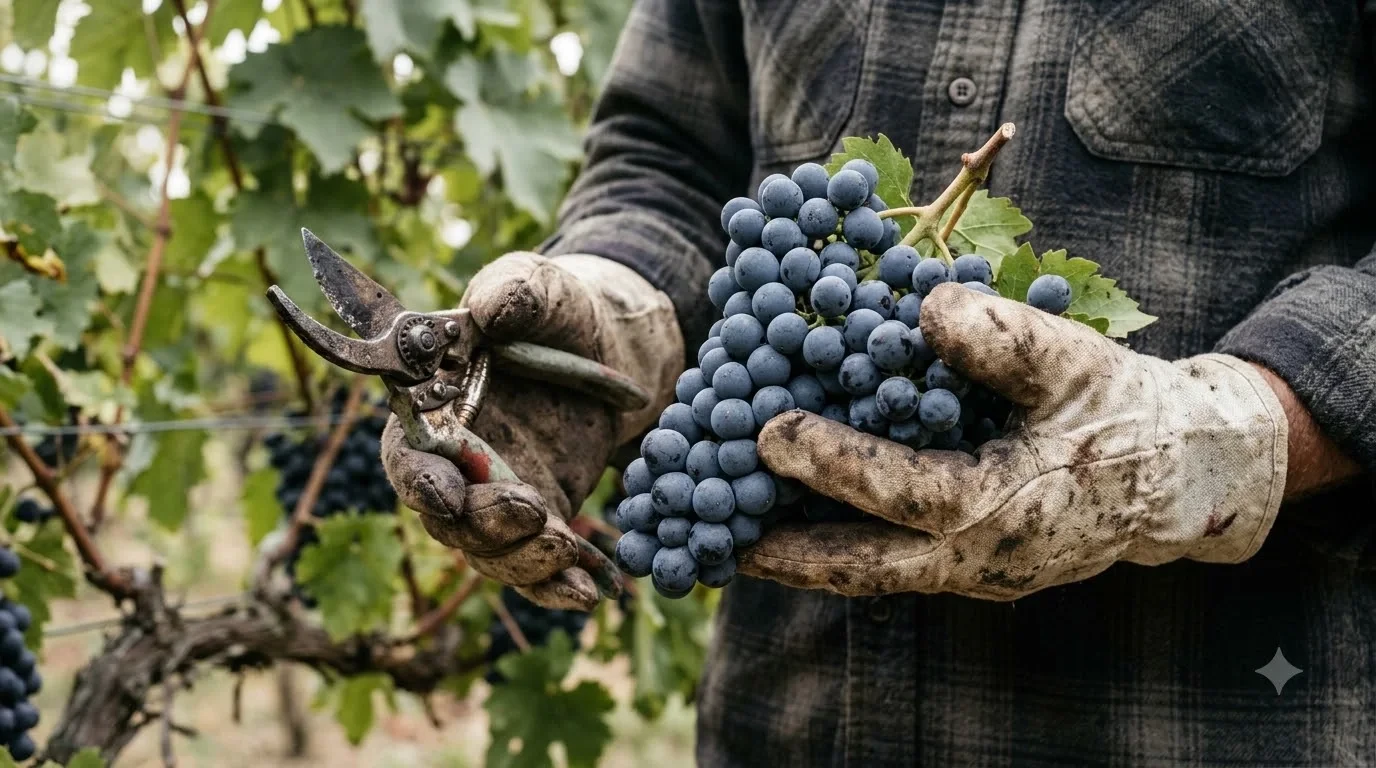
Barolo is made entirely from Nebbiolo, a grape known for producing wines with high tannin and high acidity. According to the Piemonte regional agricultural authority, Barolo has a minimum total acidity of 4.5 grams per liter and a minimum alcoholic strength of 13% by volume. These characteristics help explain why the wine can stand alongside a substantial meat dish without disappearing behind it.
Lamb contains natural fat, particularly around the shoulder, ribs, and chops. Fat softens the sensation of tannin, making a structured red wine feel less drying when enjoyed with food. This interaction is especially useful with a well-marbled lamb chop or a roast with a crisp, rendered exterior. Decanter also discusses how fatty molecules in meat interact with wine tannins and reduce the perception of astringency.
Acidity contributes another important element. Lamb can leave a rich coating on the palate, especially when served with pan juices, butter, or a reduced meat sauce. Barolo’s freshness helps cut through that richness, keeping successive bites and sips enjoyable.
The wine’s savory complexity also makes sense alongside roasted meat. Nebbiolo commonly develops floral, red-fruit, earthy, and spice-related characteristics. Depending on the bottle and its maturity, aromas can include rose, cherry, dried herbs, leather, and licorice. These characteristics complement the browned edges of lamb and the aromatic qualities of rosemary and thyme.
There is also a regional connection. Piedmontese cooking includes substantial meat dishes, and the Piemonte regional authority identifies roasts and traditional Langa cuisine as suitable companions for Barolo. Its recommendations provide a natural foundation for pairing the wine with American-style roast lamb, grilled chops, and braised preparations. See the regional Barolo production and food-pairing information for further details.
The Best Lamb Cuts for Barolo
Grilled lamb chops and herb-crusted rack of lamb are particularly strong matches for Barolo. Roast leg and slow-cooked shoulder can also work, provided the wine has enough fruit and acidity to balance the preparation.
Rack of lamb is an excellent choice for a structured Barolo. The meat close to the bone has a concentrated savory flavor, while the outer layer of fat provides a natural counterpoint to the wine’s tannins. A rack roasted with garlic, rosemary, and black pepper creates a dish with enough flavor to meet a substantial Nebbiolo.
For a particularly rich preparation, serve the rack medium-rare to medium and allow the browned exterior to develop a little texture. A rosemary crust or a thin mustard coating can add aromatic complexity without overwhelming the wine. Decanter’s lamb-pairing recommendations specifically identify Barolo and Barbaresco as options for flavorful, fatty lamb chops, emphasizing their tannic structure, fruit purity, and freshness.
Lamb chops are another reliable option. Rib chops have a generous amount of fat and a concentrated flavor, making them suitable for Barolo with noticeable tannin. Loin chops are generally leaner and more delicate, so they can benefit from a younger, more approachable bottle with expressive fruit.
Grilling is particularly effective because the high heat produces browned surfaces and smoky notes. Keep the seasoning straightforward: salt, black pepper, garlic, and fresh thyme are enough. Avoid coating the chops with an excessively sweet glaze, which can make a dry, tannic wine seem harsher.
Roast leg of lamb offers another good opportunity. A whole leg has substantial meat, a browned exterior, and enough natural flavor to stand up to Barolo. A garlic-and-herb rub creates a classic pairing, while a sauce made from the roasting juices adds further richness.
For a leaner leg of lamb served pink, choose a Barolo with well-integrated tannins and good fruit concentration. A very young, intensely structured bottle may dominate the more delicate texture of the meat. A bottle with some development is often a more comfortable choice.
Lamb shoulder requires a little more consideration. Slow cooking produces tender meat with concentrated juices and a rich, sometimes gelatinous texture. A mature Barolo with softened tannins can complement this preparation, particularly when the sauce is based on stock, roasted vegetables, and herbs rather than sweetness.
Lamb shanks are similarly substantial, but their braising liquid can determine whether Barolo is the right choice. A savory red-wine or beef-stock braise can work nicely. A heavily spiced or sweet preparation may call for a fruitier, less tannic alternative.
Roasted, Grilled, and Braised Lamb Preparations
Cooking method changes the intensity of lamb, so it should influence the style of Barolo you select. Roasting and grilling produce concentrated browned flavors, while long braising creates a softer texture and a richer sauce.
For roasted lamb, the combination of caramelized meat, rendered fat, and herbs makes a natural match for Nebbiolo. A leg of lamb roasted at moderate heat develops a savory exterior while retaining a tender center. The wine’s acidity provides contrast, and its tannins work with the meat’s fat. A traditional roasting pan sauce made with stock and drippings will usually support the pairing better than a sweet fruit reduction.
Grilled lamb has a different character. Direct heat creates smoky aromas and a more pronounced crust, particularly on chops and smaller cuts. Barolo can handle this intensity, especially when the seasoning includes black pepper, garlic, and rosemary. Allow the grilled meat to rest before serving so that its juices remain in the meat rather than running onto the plate.
Braised lamb has a softer texture and often comes with a more concentrated sauce. The shoulder and shank are especially suitable for this method. A braise with onions, carrots, celery, garlic, stock, and a modest amount of red wine creates a savory base that works with mature Barolo.
Be careful with the cooking liquid. If it becomes excessively reduced, salty, or sweet, it can overpower the wine. The best sauce has enough concentration to accompany the meat without becoming the strongest element on the plate. A little acidity from tomatoes or a small amount of wine can help balance a rich braise.
For a wine-centered dinner, consider the following preparation guide:
| Lamb preparation | Cooking method | Recommended Barolo style | Pairing consideration |
|---|---|---|---|
| Rack of lamb | Roasted, 20–30 minutes depending on size and doneness | Structured, balanced Barolo | Herb crust and rendered fat |
| Rib chops | Grilled, approximately 3–5 minutes per side depending on thickness | Young or moderately aged Barolo | Char, fat, and savory meat |
| Leg of lamb | Roasted, approximately 15–20 minutes per pound at 325°F for medium-rare, depending on shape and oven | Fruit-forward or mature Barolo | Roasted garlic and pan juices |
| Lamb shoulder | Slow-roasted, approximately 4–5 hours at low heat | Mature Barolo with integrated tannins | Rich meat and concentrated juices |
| Lamb shanks | Braised, approximately 2½–3½ hours | Developed Barolo with freshness | Gelatin-rich sauce and savory depth |
These cooking times are planning estimates, not guarantees. The size of the cut, oven temperature, cookware, and desired doneness all affect the actual time. Use an appropriate food thermometer to determine when the lamb has reached the desired internal temperature.
For a dinner with several lamb preparations, choose the dish with the strongest flavor as the reference point. A bottle that works with grilled chops and roasted rack will usually be more versatile across a menu than one selected for a delicate, lightly seasoned lamb dish.
Herbs, Sauces, and Side Dishes That Complement Barolo
Rosemary, thyme, garlic, and black pepper are dependable seasonings for Barolo and lamb. Savory sauces and earthy side dishes help preserve the balance between the wine’s acidity, tannin, and fruit.
Rosemary is one of the most useful herbs for this pairing. Its pine-like fragrance brings an aromatic element to roasted lamb, particularly when combined with garlic and olive oil. A simple rosemary crust on a rack of lamb provides enough flavor to complement Nebbiolo without introducing unnecessary sweetness.
Thyme is another natural choice. Its earthy, slightly floral character works with the savory side of Barolo and suits both grilled chops and braised shoulder. Use fresh thyme in a roasting pan or add a few sprigs to the braising liquid. Sage can also work, especially with slow-cooked lamb and roasted root vegetables.
Garlic provides depth and reinforces the browned flavors of the meat. Roasted garlic is particularly effective because its sweetness is restrained and mellow rather than sugary. A few roasted cloves alongside lamb can bring out the wine’s fruit and spice characteristics without making the combination taste sweet.
For sauces, a reduction made from stock, roasting juices, and a modest quantity of red wine is a strong option. The sauce should be savory, moderately concentrated, and balanced rather than thick or syrupy. A light touch of butter can give it a smooth texture, although the natural fat from the lamb may already provide sufficient richness.
Mint sauce requires more thought. Traditional sweet mint jelly can clash with a dry, tannic Barolo because pronounced sweetness makes the wine taste more bitter and austere. If mint is important to the menu, a fresh salsa verde with parsley, mint, capers, lemon, and olive oil is a better direction. Its herbal and acidic qualities provide a fresher counterpoint.
Horseradish is another possible accompaniment, particularly with roast leg of lamb. Use it moderately. A creamy horseradish sauce can work, but an extremely sharp or pungent preparation may dominate the wine’s more delicate aromas.
Side dishes matter just as much as the sauce. Roasted potatoes, sautéed mushrooms, grilled eggplant, and white beans can all accompany Barolo and lamb. Mushrooms are especially useful because their earthy and savory flavors complement the wine’s developed aromas.
Consider these combinations:
- Roast potatoes: Their crisp exterior and soft interior work with the rich texture of roasted lamb.
- Wild mushrooms: Their earthy character complements mature Nebbiolo and savory meat juices.
- White beans: Their creamy texture provides a gentle contrast to tannic red wine.
- Roasted carrots: Their natural sweetness works in moderation alongside garlic and herbs.
- Grilled eggplant: Its smoky character complements charred lamb chops.
- Green beans: Their freshness provides a lighter counterpoint to a rich roast.
Avoid making every component of the plate sweet, acidic, or heavily seasoned. A sweet glaze, sugary carrots, and sweet mint sauce together can make the Barolo feel unusually dry. Similarly, a very acidic sauce can make the wine seem less balanced. The goal is to let the lamb remain the central flavor while the accompanying ingredients support both the meat and the wine.
Choosing the Right Barolo for Your Lamb Dinner
The best bottle depends on the lamb’s intensity and preparation. Younger Barolo generally brings more noticeable tannin and primary fruit, while bottle-aged examples often show more integrated structure and developed savory aromas.
Barolo’s production rules provide useful context when selecting a bottle. According to the Piemonte regional agricultural authority, Barolo requires at least three years of aging in barrels, while the Riserva designation requires at least five years of aging. These minimums help distinguish the wine from simpler Nebbiolo reds, although they do not guarantee that every bottle will taste the same.
A younger Barolo can be an excellent match for grilled lamb chops or a herb-crusted rack. Its fruit character can stand alongside the meat’s browned exterior, while its firm tannins find a counterpoint in the lamb’s fat. If the wine feels especially structured, decanting for approximately 30–60 minutes can help it open up before dinner.
For slow-roasted shoulder or braised shanks, a bottle with some maturity may be more appealing. With time, the tannins can become less aggressive and the wine can develop additional savory and earthy characteristics. Those qualities can complement the concentrated flavors of long-cooked lamb.
There are also differences among Barolo’s growing areas and individual producers. Wines from La Morra, for example, can differ in texture and expression from wines made around Serralunga d’Alba or Monforte d’Alba. These are broad regional tendencies rather than absolute rules. Vineyard conditions, vintage, extraction, oak use, and the producer’s decisions all influence the final wine.
When choosing a bottle, consider the following points:
- For grilled chops: Look for freshness, fruit concentration, and enough structure to balance the meat.
- For rack of lamb: Choose a Barolo with noticeable structure and a balanced finish.
- For roast leg: Favor a wine with expressive fruit and integrated tannins.
- For braised shoulder: Consider a more mature bottle with savory complexity.
- For lamb shanks: Choose a developed wine that can stand alongside the concentrated braising liquid.
Vintage also deserves consideration. Some vintages produce wines with more immediate fruit and softer tannins, while others produce firmer wines that benefit from extended bottle aging. Rather than assuming that an older bottle is automatically better, consider how its current structure will interact with the particular dish.
If you are planning a broader Italian dinner, compare this pairing with Barolo with steak. Both dishes benefit from Nebbiolo’s structure, although the fat distribution, seasoning, and texture of beef and lamb can lead to different choices.
Tip: If you are opening a young Barolo for grilled lamb chops or rack of lamb, decant it for approximately 30–60 minutes before dinner. Taste a small amount first, then give it additional air if the tannins feel particularly firm. Older, mature bottles may need less aeration, so handle them more gently.
Serving Barolo With Lamb at the Right Temperature
Serve Barolo slightly cool rather than warm, ideally around 60–65°F. This temperature range helps preserve freshness and aromatic detail while allowing the wine’s structure to complement hot lamb.
A bottle served too warm can emphasize alcohol and make tannins feel heavier. This is particularly noticeable when a substantial lamb dish already contains rich fat and concentrated roasting juices. Conversely, serving Barolo too cold can make the wine seem hard and suppress its aromatic complexity.
If the bottle has been stored at a typical room temperature, place it in a cool area or briefly chill it before opening. A wine thermometer can help, but a practical approach is to aim for approximately 62°F when pouring. The temperature in the glass will rise as the wine sits beside the warm food.
Glassware is also important. Use a large-bowled red wine glass that allows the wine to spread out and release its aromas. A generous bowl gives Barolo room to develop its floral and savory notes, while a narrower opening helps direct those aromas toward the nose.
Pour approximately 5 ounces per serving. A standard 750-milliliter bottle provides about five such glasses, making one bottle suitable for a small dinner with several guests. Avoid filling the glass too high; leaving space allows the aromas to collect above the wine.
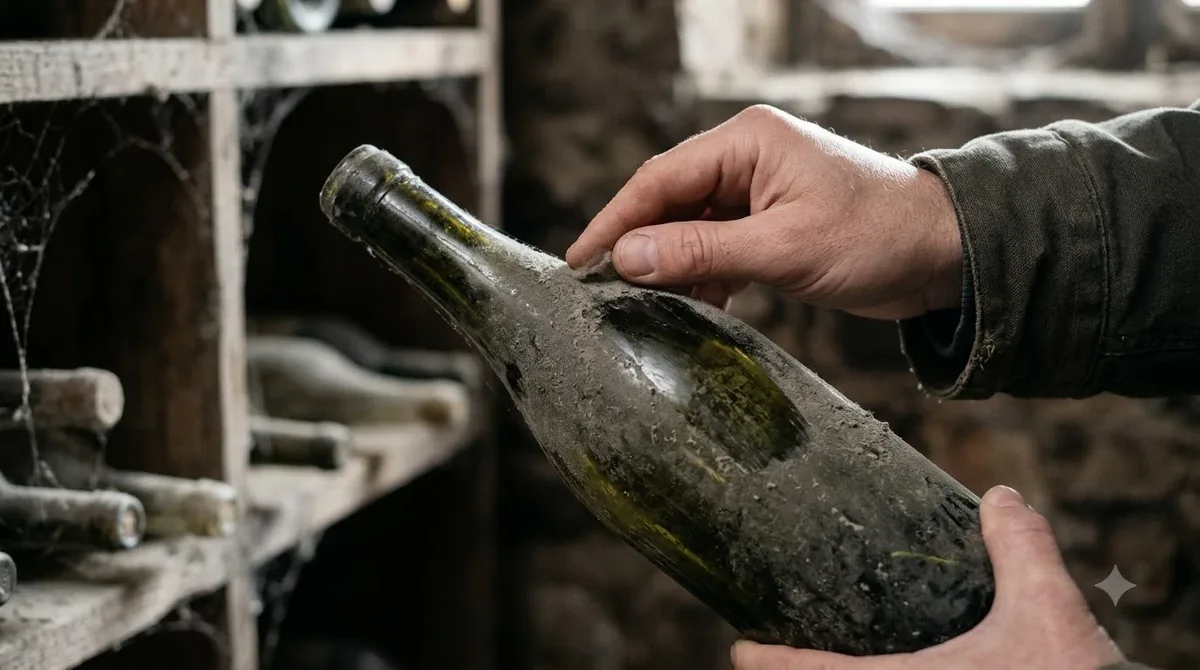
Opening the bottle requires a little planning. Young Barolo often benefits from 30–60 minutes of aeration, especially when paired with a rich cut such as lamb shoulder or a well-marbled chop. Older Barolo may already have developed considerable complexity, so excessive exposure to air can cause its more delicate aromas to fade.
For an older bottle with visible sediment, decant carefully and stop pouring when the sediment approaches the neck of the bottle. The purpose is to separate the clear wine from the deposit, not to expose the entire bottle to prolonged aeration.
Serve the lamb immediately after resting, and pour the Barolo shortly before the meal begins. A brief pause between courses can help diners appreciate the wine’s changing aromas as the meal progresses. If the menu includes a rich appetizer, a lighter first course can also prevent the palate from becoming fatigued before the lamb arrives.
For a complete food-matching approach, consider the principles in Grape x Food. The same basic ideas apply across red wines: consider acidity, tannin, alcohol, sweetness, and the intensity of the food rather than choosing a bottle based only on the color of the meat.
When to Choose Another Wine for Lamb
Barolo is an excellent choice for many lamb dishes, but it is not always the most suitable one. Delicate preparations, strong chili heat, sweet sauces, and very acidic accompaniments can favor a different wine style.
For a lightly seasoned rack served pink, Pinot Noir may be a more delicate alternative. Its lower-to-medium tannin and higher acidity make it suitable for meat that has not developed the concentrated flavor of a long roast. A bottle from Burgundy or a fruit-forward New Zealand Pinot Noir can provide a different balance of freshness and savory character.
Compare this alternative with Pinot Noir with lamb if your recipe focuses on delicate herbs, a lighter sauce, and a relatively lean cut. The lighter structure can be more comfortable than Barolo when the meat is particularly tender and its seasoning is restrained.
For a heavily seasoned grilled preparation, Syrah can be another useful alternative. Its darker fruit, peppery notes, and medium-plus to high tannin can work with charred meat, rosemary, and black pepper. It is especially suitable when the dish has a more pronounced smoky character.
Cabernet Sauvignon is another possibility for roast lamb, particularly when the meat is served medium to well-done. Its high tannin and firm structure can match a substantial roast, although the exact balance depends on the bottle and the sauce. Merlot offers a softer alternative when the meal calls for less tannin.
Food preparation can also change the direction of the pairing. Lamb with lemon, oregano, and olive oil has a brighter, more acidic profile than lamb with roasted garlic and pan gravy. A crisp white such as Assyrtiko may work better with the former, particularly if the dish is grilled and served with feta.
Chili heat is another reason to reconsider a powerful red. Alcohol and tannin can amplify the sensation of heat, making a strongly structured Barolo uncomfortable alongside a very spicy lamb curry. For a milder curry, a fruitier red may be appropriate; for a hot preparation, an aromatic wine with some residual sweetness can provide a more balanced experience.
Sweet sauces also require care. Barolo is a dry red, so a heavily sweetened glaze can make its tannins seem more pronounced and its fruit less expressive. If the lamb is served with dried fruit, honey, or a sweet pomegranate reduction, choose a wine with enough fruit concentration to stand alongside those flavors or consider a different style.
Another useful comparison is the specific preparation of the meat. A grilled chop with a crisp, fatty edge can handle considerably more tannin than a small piece of lean spring lamb. This is why there is no single correct wine for every lamb recipe. Barolo remains a strong choice when the dish has sufficient richness and savory depth, but the best pairing is the one that maintains balance across the entire plate.
Frequently Asked Questions
Is Barolo made from only one grape variety?
Yes. Barolo is made from 100% Nebbiolo under its production requirements. Nebbiolo is also used in other Piedmont wines, including Barbaresco and Langhe Nebbiolo, but the wines have different regional designations and production rules.
Can Barolo be paired with lamb kidneys?
Yes. The International Wine & Food Society includes Barolo among its suggested matches for lamb kidneys. Organ meats have a more pronounced mineral and savory character than ordinary lamb cuts, so the wine’s structure can be useful. Preparation matters, particularly if the kidneys are served with a strongly flavored sauce.
Does Barolo need to be aged before drinking?
Barolo is subject to minimum aging requirements before release, but individual bottles vary in how approachable they are when young. The wine’s tannin level, vintage, and producer’s style influence its development. Riserva is a separate designation with a longer minimum aging requirement.
Can Barolo be used in a lamb marinade?
Yes. Barolo can be used in a marinade with olive oil, garlic, rosemary, and black pepper. The wine contributes acidity and savory flavor, although prolonged marinating is not necessary for tender lamb chops. Reserve a separate portion of fresh ingredients for serving rather than reusing marinade that has contacted raw meat without proper cooking.
What cheese can follow Barolo and lamb?
Aged Parmigiano-Reggiano and mature Pecorino are good Italian choices for a cheese course after lamb. Their concentrated savory flavors can complement the developed aromas of Nebbiolo. Serve modest portions so the cheese does not overwhelm the remaining wine.
Barolo with lamb is a classic combination that rewards attention to the cut of meat, cooking method, and seasoning. Start with grilled chops, roasted rack, or garlic-and-rosemary leg of lamb, then select a bottle whose fruit, acidity, and tannins match the richness of the dish. With thoughtful preparation and proper serving temperature, this Piedmontese red can make a memorable centerpiece for a lamb dinner.
More in Food & Wine Pairing
 Risotto With White Wine Recipe: Make a Creamy Dinner at HomeUpdated Nov 20, 2026
 Wassail With Wine Recipe for a Festive Spiced Holiday DrinkUpdated Nov 20, 2026
 Spritz Veneziano Recipe: Make a Classic Venetian Aperitivo at HomeUpdated Nov 20, 2026
 Summer Wine Punch Recipe for Easy Homemade EntertainingUpdated Nov 20, 2026
 Bishop Recipe: How to Make a Bright, Citrus-Forward Red Wine CocktailUpdated Nov 20, 2026
 Wine Cupcakes Recipe: Bake Rich Chocolate Cupcakes at HomeUpdated Nov 20, 2026