

We may earn a commission when you buy through links on this page, at no extra cost to you. Learn more.
In tempranillo vs zinfandel, Tempranillo is usually the fresher, more savory choice, while Zinfandel is riper, fuller, and warmer. Tempranillo usually points to Spain, with cherry, plum, tobacco, and oak spice, while Zinfandel is strongly associated with California and blackberry, jammy fruit, pepper, and higher alcohol. Both can be dry, medium-full reds with noticeable tannin, but their fruit ripeness and acidity create different personalities at the table. Choosing between them is easiest when you match the wine’s weight and freshness to the food.
These grapes are not simply two labels for the same style. Tempranillo can be youthful and fruit-driven or savory and oak-aged; Zinfandel ranges from lively red-fruited examples to plush, powerful reds. The comparison below focuses on dry red wines, not sweet White Zinfandel, which is a separate rosé style made from the same grape.
Tempranillo vs Zinfandel: The Main Difference
Tempranillo generally offers firmer freshness, red-fruit character, and a savory edge, while Zinfandel tends to emphasize ripe berry flavors, warm spice, and a broader, more alcoholic impression. Both can have medium-full body and medium-high tannins, so acidity, fruit ripeness, and alcohol often separate them more clearly than color or weight alone.
Tempranillo’s familiar flavors include cherry, plum, strawberry, dried fig, cedar, tobacco, and sometimes dill or leather. In a young Rioja, red fruit can feel direct and lively; with oak aging, vanilla, cocoa, and spice build around the fruit. Decanter’s Tempranillo profile describes a grape capable of producing both juicy young reds and structured, oak-aged wines, often with strawberry, vanilla, and tobacco-spice notes. That range is why the grape can suit a casual tapas dinner as well as a slow-cooked roast.
Zinfandel is usually more immediate and generous in its fruit expression. Expect blackberry, raspberry, black cherry, jammy plum, cinnamon, black pepper, and sometimes sweet tobacco or smoky notes. Cooler California sites can preserve red-berry freshness, while warmer growing conditions often give the wine a darker, riper profile. The impression of sweetness may come from ripe fruit and higher alcohol rather than residual sugar: a dry Zinfandel can taste lush without being a sweet wine.
The practical shortcut is to choose Tempranillo when the meal has tomato, herbs, roasted meat, or a savory sauce and you want acidity to keep each bite lively. Choose Zinfandel when the table is built around barbecue, charred meat, smoky seasoning, or rich dishes that can absorb its ripe fruit and warmth. For other side-by-side decisions, the site’s wine-vs-wine comparison basics explain how body, acidity, tannin, and sweetness shape a match.
| Comparison | Tempranillo | Zinfandel |
|---|---|---|
| Typical body | Medium to full | Medium-full to full |
| Tannin | Medium-high | Medium-high; can feel firm |
| Acidity | Medium-high | Medium-low to medium |
| Profile alcohol reference | 13.5-15% ABV in Wine Folly’s guide | Often 14% ABV or higher; some examples exceed 15% |
| Common flavor direction | Cherry, plum, dried fig, cedar, tobacco | Blackberry, raspberry, jammy plum, pepper, cinnamon |
Tip: Compare both reds at 60-65°F with the same dish and pour size; temperature can change how strongly alcohol, fruit, and tannin register.
How Flavor, Tannin, and Acidity Compare
Flavor gives the first clue, but the structure of the wine explains why the two grapes behave differently with food. Tempranillo usually balances ripe fruit with medium-high acidity and firm tannin; Zinfandel often feels plusher, with lower acidity and a stronger impression of alcohol. Those are typical tendencies, not rules for every vineyard or winemaker.
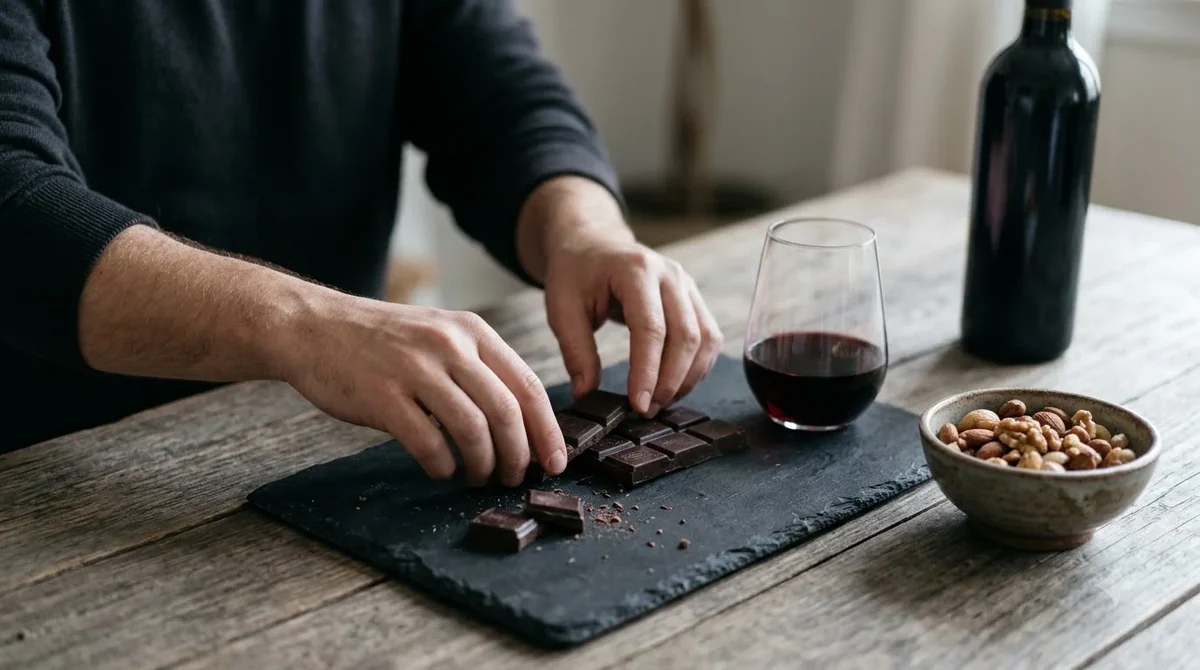
In Tempranillo, red cherry and plum often lead, with dried herbs, tobacco leaf, cedar, or earthy notes in the background. Oak-aged examples can add vanilla, clove, cocoa, and leather as the fruit develops. A younger wine may seem bright and direct; an aged Rioja can be more layered, with softer fruit and savory aromas. The acidity gives the wine a refreshing line through the finish, especially when the dish includes tomatoes or herbs.
Zinfandel commonly leans toward blackberry, raspberry, ripe plum, and baking spice. The fruit may seem almost jam-like in warmer-climate bottles, while pepper and smoky notes can provide contrast. Tannin is not absent: concentrated Zinfandel can grip the gums, particularly when the wine is young. Its lower-to-medium acidity and higher alcohol can make the finish feel rounder and warmer than a similarly weighted Tempranillo.
Do not confuse ripe flavor with sweetness. A dry Zinfandel may smell like blackberry preserves yet finish without much sugar; sweetness is a question of residual sugar, not just fruit aroma. White Zinfandel is different: it is a pink rosé made from Zinfandel grapes and is often noticeably sweeter than a dry red Zin. The distinction matters on restaurant lists, where the two styles may appear under similar names.
Where the Grapes Grow and Why Place Matters
Tempranillo’s center of gravity is Spain, especially Rioja and Ribera del Duero, while Zinfandel is closely identified with California. Place changes ripeness, acidity, and the balance between fruit and savory detail, so the grape name alone does not tell the whole story.
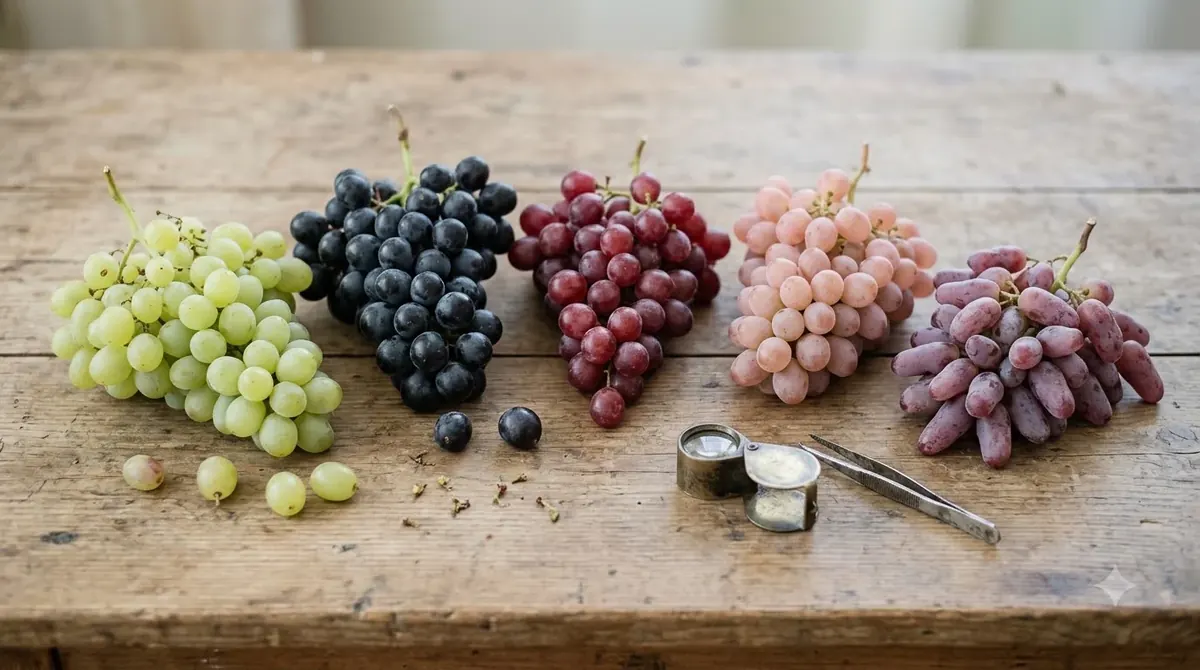
In Rioja, Tempranillo is the signature red variety and a foundation for both young reds and wines intended for aging. The Rioja regulatory council’s Tempranillo profile describes the grape as versatile enough for rosé, young red wines, and aged reds, with aromas that can include strawberries, plums, other forest fruits, and flowers. Extended aging can bring vanilla, cocoa, and licorice-like notes. Rioja bottlings may be blended with other permitted varieties, including Garnacha, Graciano, or Mazuelo, which can adjust freshness, color, aroma, and structure.
Ribera del Duero is another major Tempranillo region, where the grape is also known as Tinto Fino. Toro uses the name Tinta de Toro. These regional names are useful clues, not different grapes. The variety is also cultivated in Portugal, where local naming traditions can make it less obvious that a wine is related to Spanish Tempranillo.
California Zinfandel has several distinct homes. Lodi often produces ripe, generous fruit, while Sonoma’s Dry Creek Valley, Rockpile, Alexander Valley, and Russian River Valley can show more variation in berry character and freshness. In warmer sites, black fruit and high alcohol are common; cooler nights and coastal influence can help retain acidity. Southern Italy also produces concentrated, savory expressions of the grape. For a more focused comparison among peppery reds, see Shiraz vs Zinfandel and Syrah vs Zinfandel.
Oak Aging, Alcohol, and Dryness
Winemaking can make Tempranillo taste more polished and savory or keep it fresh and fruit-led, while Zinfandel’s ripe fruit and alcohol often remain central to its identity. Oak, harvest ripeness, fermentation choices, and blending all influence the final style, so two bottles made from the same grape can feel quite different.
Rioja offers a useful way to understand Tempranillo’s aging range. Young wines often put cherry and strawberry in the foreground, while oak-aged bottlings may add vanilla, cedar, tobacco, cocoa, and spice. Rioja uses aging terms such as Crianza, Reserva, and Gran Reserva to communicate categories of maturation. These terms describe regulated wine styles, not sweetness levels, and they help explain why one Tempranillo can taste brisk and fruit-centered while another feels more developed and savory.
Zinfandel is often picked at high ripeness, which helps explain its ripe black fruit and high alcohol. Wine Folly’s representative tasting profile lists Zinfandel above 15% ABV, while its style notes also describe ripe examples at 14% ABV or higher; actual bottles vary by climate and producer. Oak can contribute vanilla, toast, smoke, and baking-spice flavors, but the grape’s fruit is usually still prominent. A wine that smells of jam and spice is not automatically sweet; the red style is commonly fermented dry.
Alcohol is part of the food-pairing calculation. Higher alcohol can make chili heat feel hotter, and tannin can add to that drying, aggressive impression. A Zinfandel with pronounced warmth may be less comfortable beside very hot wings than beside gently smoked ribs. Tempranillo’s acidity can be more refreshing with tomato-rich dishes, but a heavily oaked, high-alcohol example can still overwhelm delicate food. When the goal is balance, compare alcohol and structure rather than relying on fruit descriptors alone.
Food Pairings: Tapas, Barbecue, and Weeknight Meals
Tempranillo is the more natural choice for savory, herb-led dishes and tomato-based meals; Zinfandel tends to shine with smoky, grilled, or richly seasoned food. Both can work with beef, pork, and lamb, but salt, fat, acidity, and chili heat change how the wine feels alongside the dish.
For Tempranillo, start with roast lamb, grilled pork, beef stew, meatballs in tomato sauce, mushroom dishes, or Spanish-style tapas. Its acidity can cut through the richness of lamb shoulder and keep tomato sauce from tasting flat. Young Tempranillo is often an easy partner for baked pasta, roasted vegetables, and charcuterie; more structured oak-aged Rioja can stand up to steak, braised beef, and aged hard cheese. Choose a dish with enough flavor to meet the wine’s tannin rather than pairing a bold red with delicate white fish.
Zinfandel is well suited to barbecue ribs, pulled pork, burgers, grilled sausages, smoked brisket, and charred vegetables. The ripe fruit complements sweet-smoky barbecue sauce, while tannin and alcohol can meet the fat in pork shoulder or a burger. Salt and fat soften the perception of tannin, so a salty, rich dish can make a structured Zin seem smoother. Roasted mushrooms, caramelized onions, and smoked Gouda also echo the wine’s savory and spice notes.
Use caution with fiery seasoning. Alcohol and tannin can amplify chili heat, so a high-alcohol Zinfandel may make a spicy dish feel hotter rather than soothing it. If the meal is heavily spiced, reduce the chili or choose a fresher, lower-alcohol wine. Very acidic foods also need a wine with equal or higher acidity; Tempranillo is usually the safer red for tomato-heavy dishes, while a low-acid Zinfandel can seem flatter beside sharp vinaigrette. Neither tannic red is the best match for oily fish, where a crisp white is usually more comfortable. For pink, sweeter styles, compare rosé vs White Zinfandel before choosing a bottle. Dessert is a separate calculation: the wine should be at least as sweet as the dessert. Standard dry Tempranillo and dry red Zinfandel will taste tart or bitter beside a very sweet cake or fruit tart, so look for a wine made in a sweet style.
Serving Temperatures and Choosing a Bottle
Serve each wine slightly cool rather than warm at room temperature, then let it open in the glass. Full-bodied Tempranillo and Zinfandel are best around 60-65°F, while lighter red styles can be served around 55-60°F; modest chilling keeps alcohol from dominating the aromas.
For a structured young Tempranillo or a concentrated Zinfandel, opening the bottle 30-60 minutes before dinner can soften the first impression. A young full-bodied red may benefit from 30-60 minutes in a decanter, especially if tannins feel tight. Older bottles are more delicate, so a long decant is not automatically helpful. Taste a small pour first and decide whether the wine needs air rather than treating decanting as a fixed ritual.
When buying, read the region and style cues together. Rioja, Ribera del Duero, or Toro generally signals a Spanish Tempranillo path; Crianza, Reserva, and Gran Reserva indicate aging categories in Rioja. California, Lodi, Sonoma, and Dry Creek Valley are useful geographic clues for Zinfandel. Alcohol percentage offers another clue: a higher figure often signals a warmer, riper style, although site and winemaking matter too.
A standard 750 ml bottle gives about five 5-ounce glasses, which is a useful planning measure for dinner. Store unopened bottles on their sides in a cool, dark place near 55°F, away from temperature swings. Once opened, keep either still red wine in the refrigerator and aim to finish it within 3-5 days; bring the remaining wine back toward serving temperature before pouring. If a wine seems too warm, a short spell in the refrigerator is easier than trying to cool it in the glass.
Frequently Asked Questions
These quick answers cover grape names, age potential, and a few details that can make unfamiliar labels easier to understand, including Portuguese synonyms and the source of Zinfandel’s high alcohol.
Is Tempranillo called something else in Portugal?
Yes. The grape is commonly called Tinta Roriz or Aragonez in Portugal, depending on the regional naming tradition. Those names refer to the same variety rather than a different grape.
Can Tempranillo age for more than 20 years?
Well-made examples can age for two decades or longer, although not every bottle is intended for extended cellaring. Age-worthy wines need sound structure and balanced acidity, and they develop more savory, dried-fruit, and spice notes over time.
Why can Zinfandel have such high alcohol?
Zinfandel can ripen unevenly, so a single cluster may contain underripe, ripe, and raisined berries. Raisined fruit concentrates sugar, which can raise the potential alcohol of the finished wine.
Are Zinfandel and Primitivo the same grape?
They are widely recognized as the same variety under different names. Genetic research links the grape to Croatia’s Tribidrag, also known as Crljenak Kaštelanski, before it became established in California and southern Italy.
What does Tinta del País mean on a Spanish wine label?
Tinta del País is a regional synonym for Tempranillo, especially associated with Ribera del Duero. The name is often translated as “country red,” and it signals the grape rather than a separate style of wine.
Choose Tempranillo for a fresher, more savory red that can handle tomatoes, herbs, and roast meats; choose Zinfandel for ripe berry fruit, spice, and a fuller partner for barbecue. Comparing the region, alcohol, and aging style on the bottle will help you find the expression that suits the meal, not just the grape name.
More in Wine vs Wine
 Chenin Blanc vs Pinot Gris: Acidity, Body, and Pairing DifferencesUpdated Nov 20, 2026
 Chianti vs Lambrusco: How Tuscany and Emilia-Romagna Reds CompareUpdated Nov 20, 2026
 Chianti vs Primitivo: Key Differences in Taste, Body, and PairingUpdated Nov 20, 2026
 Chianti vs Rioja: Key Differences in Taste, Aging, and PairingUpdated Nov 20, 2026
 Chianti vs Shiraz: How Acidity, Body, and Food Pairings CompareUpdated Nov 20, 2026
 Chianti vs Syrah: Key Differences in Taste, Body, and Food PairingUpdated Nov 20, 2026