

We may earn a commission when you buy through links on this page, at no extra cost to you. Learn more.
When you compare verdejo vs vinho verde, you are really weighing a single Spanish grape against a Portuguese wine region that makes mostly blended white wines. According to Decanter, Verdejo is planted on around 85% of the 16,000 hectares of vines in Spain’s Rueda region, and it produces dry, citrus-driven whites with a herbal edge. Vinho Verde comes from the cool, rainy north of Portugal and typically yields light, zippy wines that sit lower in alcohol and are often slightly spritzy. Both are crisp, food-friendly whites, so the right pick usually depends on how much body and fizz you want.
Verdejo and Vinho Verde show up side by side on shop shelves and restaurant lists, and the confusion is easy to understand. Both are pale, both are white, and both come from the Iberian Peninsula. Underneath, though, they follow different logic. Verdejo is a single grape variety that can be made lean or richly textured depending on the winemaker’s choices, while Vinho Verde is a whole region of wines, most of them blends, built around freshness and moderate alcohol. This guide covers where each comes from, how each one tastes, how strong and how acidic each tends to be, how to serve and store them, and which foods they handle best.
Grape Versus Region: What Each Name Actually Means
Verdejo names a grape, while Vinho Verde names a legal region with its own rules and a long habit of blending.
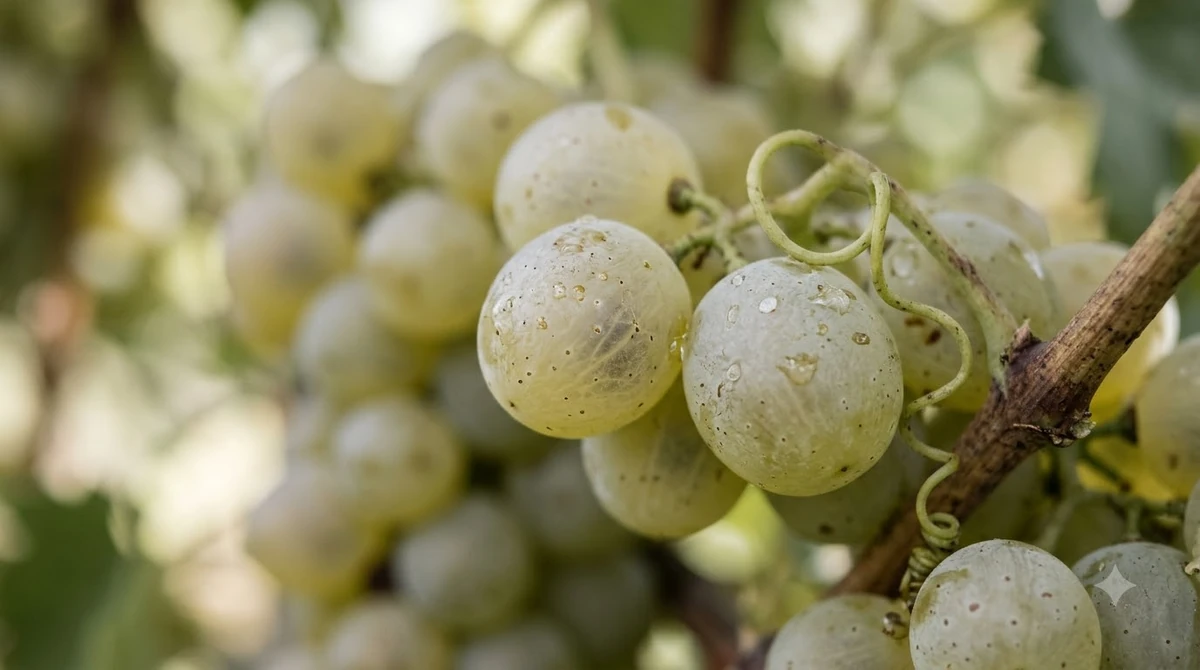
Verdejo, pronounced roughly “vurr-day-ho,” is a light-bodied white that grows almost exclusively in Spain. Wine Folly’s Verdejo guide points out that it is an uncommon choice for many drinkers, so a bottle labeled with the grape name gives you a direct clue about what is inside. The grape is often confused with Verdelho, a separate Portuguese variety, and that mix-up can send shoppers toward the wrong bottle.
Vinho Verde works differently. Wine Folly describes Vinhos Verdes as a demarcated region in Portugal’s cool, Atlantic north, known for naturally low-alcohol white wines made from indigenous grapes. Six of those grapes form the backbone of the whites: Alvarinho, Arinto, Azal, Avesso, Loureiro, and Trajadura. Because the name describes a place rather than a variety, one bottle can be a single-grape wine made from Alvarinho while another is a blend of several local grapes. The grape list on the back of the bottle tells you more about the style than the name on the front does.
The distinction matters because it changes what you should expect in the glass. A Verdejo bottle mostly reflects one grape and the winemaker’s decisions about oak and lees contact. A Vinho Verde bottle also reflects a region-wide blending tradition, which is why quality and style can vary so much from one producer to the next.
Tip: Verdejo is not the same grape as Verdelho, a Portuguese variety, so double-check the spelling before you search or buy.
Where Each Wine Comes From
Rueda is a high, dry plateau in central Spain, while Vinho Verde covers the rainy north of Portugal along the Atlantic coast.
According to Decanter, Rueda sits about 175 km north of Madrid and stretches across parts of Valladolid, Segovia, and Ávila. Its vineyards are planted high, near 800 meters above sea level, and winters can drop to -8°C for weeks at a time. A constant breeze moves through the vines, and cool nights help preserve the freshness of the grapes. Javier Herrero of Bodega Herrero explains that the winter cold is good for the vineyards because it kills pests. The soils are mostly sand and pebbles, and some of the oldest vines still grow on their own roots after surviving phylloxera.
Rueda is almost entirely a white wine region. Decanter reports that 98% of its vineyards are planted to white grapes, and Verdejo alone covers around 85% of the 16,000 hectares of vines. Sauvignon Blanc, Viura, and Palomino fill out the rest of the plantings, and just 2% of the area is red. Decanter also notes that Rueda ranks third in Spanish wine production, behind Rioja and Ribera del Duero, which shows how far the region has moved from its older fortified-wine history.
Vinho Verde is a much larger operation. VinePair notes that the region makes roughly 75 to 85 million liters of wine a year, making it the largest region in Portugal, while Rías Baixas across the border produces about 10 million liters. Wine Folly divides the Minho into nine sub-regions and notes that the coast is fully exposed to Atlantic weather systems. The coastal zones of Lima, Cávado, and Ave are very rainy and known for aromatic whites based on Loureiro, Arinto, and Trajadura. Inland zones such as Sousa and Baião are more mountainous and sheltered, which lets later-ripening grapes like Azal and Avesso reach maturity while keeping their acidity. If you want to see how the Portuguese side compares with its Spanish neighbor, our albarino vs vinho verde breakdown covers that border story in detail.
How the Two Wines Taste
Verdejo leans toward lime, grapefruit, and fennel, while Vinho Verde tends toward citrus, melon, and a light, zippy spritz.
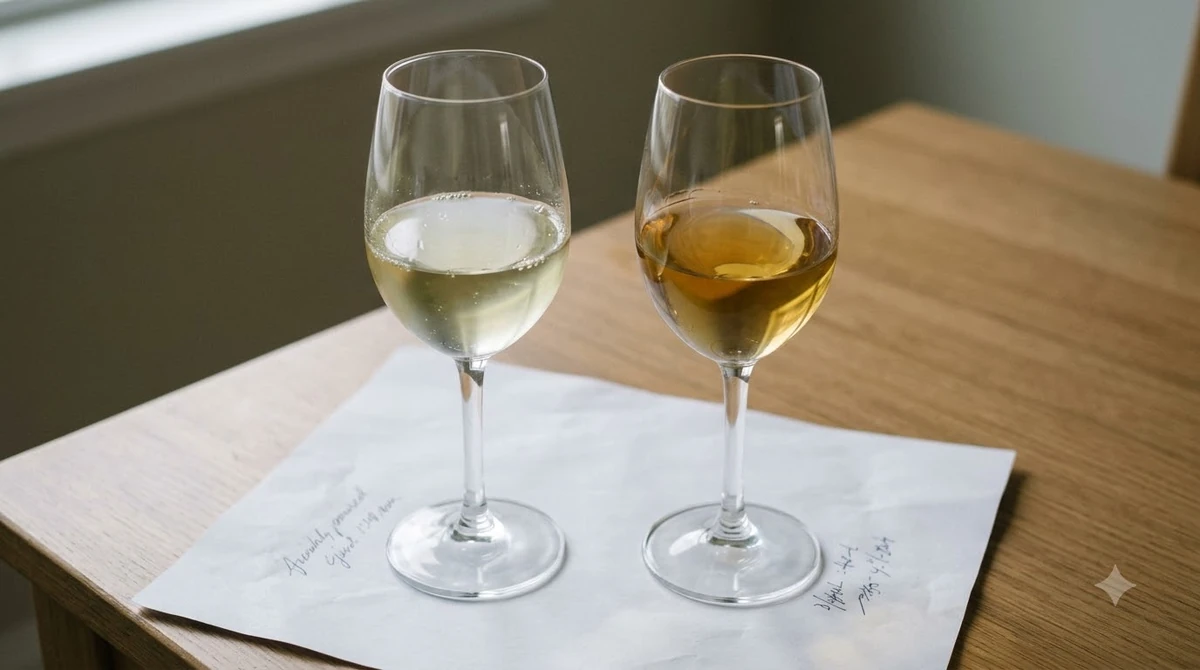
Wine Folly describes Verdejo as a subtle white with flavors of lime, Meyer lemon, grapefruit, grass, fennel, and citrus blossom. Those notes give the wine a crisp finish, and the bitter edge of grass and fennel comes in at the back of the palate. The wine is often compared with Sauvignon Blanc, but Wine Folly argues it deserves its own category. Its lively acidity also works as a palate cleanser alongside food.
Verdejo changes with winemaking. Wine Folly separates a lean, minerally style, often bottled in high-shoulder Bordeaux-style bottles, from a medium-weight, smoky style made with oak fermentation, oak aging, or other oxidative techniques. The oaked style picks up toasted almond and lemon curd notes along with a creamy texture. Decanter describes one oak-fermented Verdejo from Diez Siglos as having a complex, creamy style that keeps its fresh citrus intensity. Wine Folly also notes that Verdejo keeps improving over several years in the bottle, gaining richer texture and flavors of toasted Marcona almonds.
Vinho Verde has a different profile. Wine Folly lists lemon, white melon, gooseberry, grapefruit, and lime blossom among the flavors of its white wines, and notes that the wines feel fresh because of their natural acidity. VinePair says Vinho Verde tends to be lower in alcohol and less intense than many whites, and often slightly effervescent. Wine Folly describes Alvarinho as carrying citrus, grapefruit, and floral notes over a mineral palate, and VinePair says single-varietal Alvarinhos from the north sit closer to the wines of Spain’s Rías Baixas than their blended siblings do. Azal, another regional grape, brings sharp citrus and green apple, which makes it useful for lifting blends.
Both wines are usually fresh and lean, but the difference shows up in texture and weight. Verdejo expresses itself through citrus and herb flavors with a bitter finish, while Vinho Verde is defined by lightness and freshness. For a Spanish white with more floral, peachy character, the comparison with Albariño is worth reading in our albarino vs verdejo guide.
Alcohol, Acidity, and Body Side by Side
Verdejo generally carries more alcohol and body than the lighter Vinho Verde styles, while both bring bright acidity to the table.
Alcohol is the clearest difference on paper. Wine Folly lists lighter Vinho Verde at 8.5 to 10.5 percent ABV and richer styles at 11.5 to 13 percent. The Verdejo wines in Decanter’s Rueda selection run from 12.5 to 14 percent. The table below puts the key numbers side by side.
| Trait | Verdejo (Rueda, Spain) | Vinho Verde (Portugal) |
|---|---|---|
| Typical alcohol | 12.5% to 14% | 8.5% to 10.5% for lighter styles; 11.5% to 13% for richer ones |
| Acidity | High, with a subtle bitterness | Bright and natural |
| Body | Light-bodied; oaked versions feel medium-weight | Light, often lightly spritzy |
| Grape base | Verdejo covers about 85% of Rueda’s 16,000 hectares | 45 grape varieties, with Loureiro the most planted white |
| Serving temperature | 45 to 50°F for lean styles; 50 to 55°F for oaked styles | 45 to 50°F |
| Bottle aging | Gains texture over several years | Entry-level blends are for early drinking; top bottlings can age |
The table explains why a glass of Rueda Verdejo often feels fuller than a typical Vinho Verde. Wine Folly describes Verdejo’s acidity as high, and its subtle bitterness helps it work as a palate cleanser. Vinho Verde’s natural acidity gives its wines a bright, fresh structure, but the lower alcohol keeps the overall weight light. Neither wine is meant to feel heavy, which is why both usually serve well in the same cool range.
Verdejo vs Vinho Verde: Serving and Storage Tips
Both wines are best served cold, but oaked Verdejo can handle a few degrees warmer than the lightest Vinho Verde.
The working range for crisp whites is clear. Light whites and rosé show best around 45 to 50°F, while full whites open up at 50 to 55°F. Lean Verdejo and light Vinho Verde both belong in the first range, and a couple of hours in the refrigerator will usually get them there. Oak-fermented Verdejo, with its creamy texture, can be served at the warmer end of the second range without losing its citrus lift. Pour about five ounces per glass, since a standard 750 ml bottle yields roughly five glasses at that size.
Storage matters just as much once the cork is out. Still wines typically keep three to five days in the refrigerator after opening, so finish a bottle of either within that window. A lightly spritzy Vinho Verde is best finished early, since its fizz fades faster than the wine’s structure. Store unopened bottles on their sides in a cool spot near 55°F to keep the wine steady over time.
Food Pairings for Each Wine
Verdejo’s lime and herb notes suit fish tacos, lime chicken, and sheep’s milk cheeses, while Vinho Verde’s lightness works well with fresh seafood.
Wine Folly offers a simple rule for Verdejo: if you would put lime in the dish, the wine will probably pair well. Its examples include lime chicken, carnitas, fish tacos, and sole, along with sheep’s milk cheeses such as Manchego, Pecorino, and Ossau-Iraty. Herbs such as tarragon, cilantro, and basil fit the same logic, as do green vegetables like asparagus and artichoke that echo the wine’s grassy edge. Oaked Verdejo has more richness, so it works better with dishes that include cream or coconut-based sauces.
Acidity has to match acidity. Acidic food needs a wine that is equally acidic or more so, which is why dishes built on lemon, lime, or vinaigrette suit both wines well. Verdejo’s acidity lets it refresh the palate between bites, and Vinho Verde’s bright natural acidity does the same job with lighter food. Because neither wine carries heavy oak in most bottlings, their freshness is easy to pair with simple preparations.
Vinho Verde is well suited to seafood. VinePair describes Albariño and Alvarinho as the perfect accompaniment to fresh seafood, the specialty of both of their homelands. The light body keeps shellfish from being overwhelmed, and the slight spritz helps cut through fried dishes. Pair the wine with raw oysters, grilled shrimp, or a simple piece of grilled fish, and let the citrus carry the meal.
Choosing a Bottle: Label Clues That Matter
The grape name, sub-region, and old-vine language on a bottle tell you most of what you need to know about its style and structure.
For Vinho Verde, Wine Folly recommends looking for the word Alvarinho on the label as a shortcut to more structured, serious wines. It also suggests paying attention to sub-regions such as Monção e Melgaço, along with inland areas, because these bottlings tend to show more ripeness and complexity. Alcohol is a useful guide as well, since bottles in the 11.5 to 13 percent range often show riper fruit and firmer structure than the lightest styles.
Fizz is a style decision rather than a quality marker, according to Wine Folly. Some Vinho Verdes carry a subtle spritz from retained carbon dioxide, but many modern producers reduce it to highlight texture and minerality. VinePair adds a caution: Vinho Verde quality varies much more than Rías Baixas, with excellent bottles sitting alongside simpler, cheaper blends. Choosing a producer you trust matters more here than choosing by region alone.
For Verdejo, look at the vineyard and the winemaking. Old vines are one of the clearest signals. Decanter’s Rueda selection includes Bodegas Naia’s Naiades, made from low-yielding vines up to 130 years old, and Verderrubí’s Atipyque, which is fermented in oak and spends six months on lees before bottle aging. Lees contact adds texture and depth, so match the bottle to the meal you plan to serve. If you are still building a framework for comparing wines like these, the Wine vs Wine learning hub covers the core differences in style and structure.
Frequently Asked Questions
These questions cover the details that most shoppers ask after they have compared the two wines.
Can Vinho Verde age?
Most Vinho Verde is made for early drinking, but Wine Folly says Arinto, which it calls one of Portugal’s top white grapes, can age seven years or more in great examples. Its juicy melon and citrus flavors come with some bitter notes on the finish. Those long-lived bottles are the exception, so check the vintage and producer before you cellar a bottle.
Why do Verdejo vines grow as bushes?
Decanter explains that many Verdejo vines are trained as bushes rather than on trellises, a shape that requires plenty of hand labor. The low, bushy form shields the grapes from wind and excess sun. That protection matters on Rueda’s flat highlands, where the air moves constantly.
Is there a red Vinho Verde?
Yes, although red Vinho Verde is rare outside Portugal. Wine Folly highlights Vinhão, also called Sousão, as a deeply colored red with high acidity and tannins, plus dark fruit and peppery notes. Padeiro, a rare native grape, makes pale, light-bodied wines with bright red fruit and high acidity.
Can Verdejo be made sparkling?
Yes. Decanter notes that Verdejo’s crisp acidity suits sparkling styles, and Bodega Yllera makes sparkling wine using traditional in-bottle fermentation. Its Cantosán Reserva de Familia Brut Nature carries the citrus, herb, and slight bitter note of Verdejo in a sparkling format.
Why does Rueda want the grape name on its labels?
Decanter reported that the regional regulatory board planned to put the grape name on the front label beside Rueda. The goal was to get shoppers and bartenders to ask for Rueda rather than a generic Verdejo, since many Verdejo wines come from other regions. The change was meant to tie the grape to the place where it does its best work.
Verdejo and Vinho Verde share a crisp, food-friendly character, but they differ in grape, region, and strength. If you need a simple default, reach for Verdejo when the meal leans on lime, herbs, or creamy cheese, and choose Vinho Verde for lighter seafood and warm afternoons. Either way, serve both cool and finish the bottle within a few days of opening.
More in Wine vs Wine
 Chenin Blanc vs Pinot Gris: Acidity, Body, and Pairing DifferencesUpdated Nov 20, 2026
 Chianti vs Lambrusco: How Tuscany and Emilia-Romagna Reds CompareUpdated Nov 20, 2026
 Chianti vs Primitivo: Key Differences in Taste, Body, and PairingUpdated Nov 20, 2026
 Chianti vs Rioja: Key Differences in Taste, Aging, and PairingUpdated Nov 20, 2026
 Chianti vs Shiraz: How Acidity, Body, and Food Pairings CompareUpdated Nov 20, 2026
 Chianti vs Syrah: Key Differences in Taste, Body, and Food PairingUpdated Nov 20, 2026