

We may earn a commission when you buy through links on this page, at no extra cost to you. Learn more.
Choosing between rose vs zinfandel is really a question of a dry, crisp pink wine versus a bold red grape, unless you mean white Zinfandel, a sweet pink made from Zinfandel grapes. The biggest practical difference is sweetness, since most dry rosé contains very little residual sugar while white Zinfandel tastes clearly sweet. Red Zinfandel is fuller, spicier and more tannic, so it calls for a warmer serving temperature and heartier food. Matching the style to the meal matters more than the color in the glass.
Pink wine causes a lot of confusion, which is why people search for rose vs zinfandel so often. Two bottles can look nearly identical on a shelf, yet one may taste bone dry while the other tastes like candy. Zinfandel is usually discussed as a big California red, so many shoppers do not realize the same grape can also produce a pink wine. Once you separate the category, which is rosé, from the grape, which is Zinfandel, the choice becomes much easier. This article covers what each one is, how sweetness shapes the glass, how to serve and pair them, and how long opened bottles keep. If you are comparing other grape or style pairs, the broader guide at Wine vs Wine is a useful starting point.
What Rosé and Zinfandel Actually Are
Rosé is a style of wine, while Zinfandel is a grape variety, so the comparison mixes two different kinds of categories. Understanding that difference clears up most of the confusion before you even open a bottle.
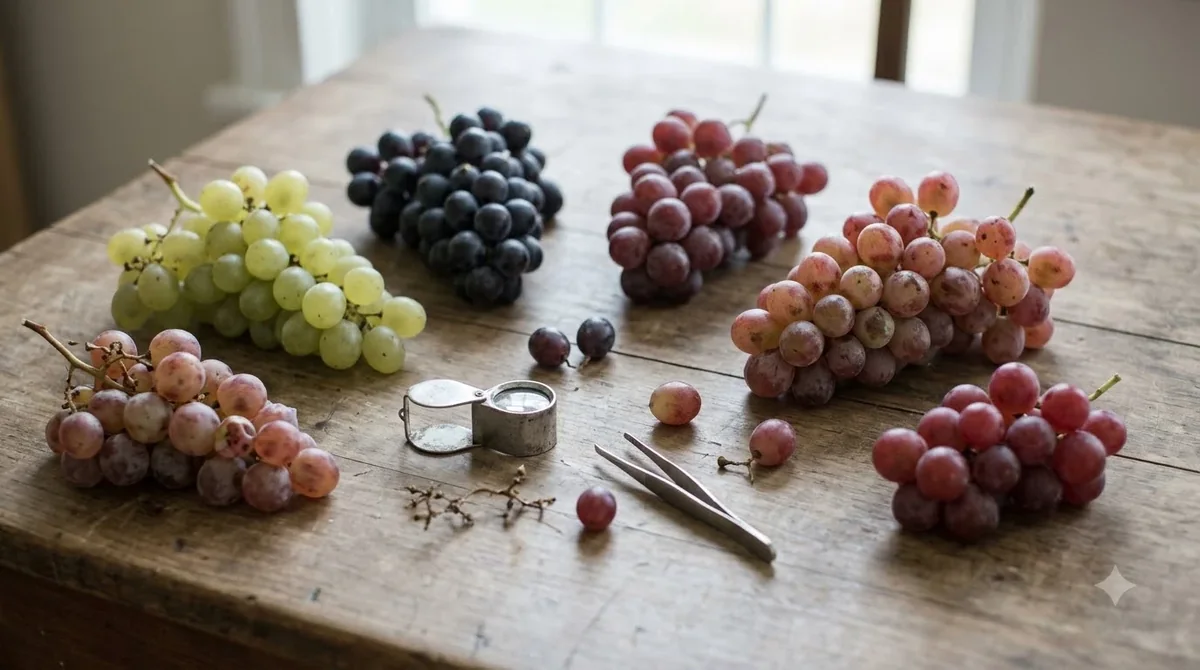
Rosé is made from dark-skinned grapes whose juice spends a short time in contact with the skins before it is separated. Wine.com’s dry rosé guide explains that direct-press rosés, where the juice touches the skins for only a few hours before pressing, tend to be pale, crisp and lively. Saignée rosés are bled off from a red wine fermentation, so they often show deeper color and more body. Rosé is an umbrella term that covers still and sparkling pink wines from bone dry to sweet, which is why one bottle can feel nothing like the next.
Zinfandel is a red grape that many people in America affectionately regard as a heritage variety. It was planted heavily in California during the 19th-century Gold Rush, and today it produces everything from fruity, approachable bottles to dense, tannic wines. California Zinfandel commonly reaches between 14 and 17 percent alcohol by volume, which places it among the more powerful reds on most shelves. That weight is part of why it feels so different from a light, dry rosé.
The link between the two is that Zinfandel can also become a rosé. White Zinfandel is a pink wine made from red Zinfandel grapes, so the name points to a grape while the style points to a pink wine. Dry Zinfandel rosés exist as well, and they form a separate category from the sweet bottle most people picture. If your question is mainly about the sweet pink, our breakdown of rose vs white zinfandel covers that specific match in more depth.
How Sweetness Separates Dry Rosé from White Zinfandel
Sweetness is the biggest difference, and it comes down to residual sugar left in the wine after fermentation. Dry rosé and White Zinfandel can look almost identical in the glass, yet their sugar levels can sit far apart.
Residual sugar is the grape sugar that survives fermentation, when yeast converts sugar into alcohol. According to Wine.com’s dry rosé guide, a dry rosé typically contains fewer than four grams of residual sugar per liter, which is below what most people can taste as sweetness. The same guide says White Zinfandel can carry 20 grams per liter or more. Other sources report a broader range, so the exact figure depends on the bottling, but the direction does not change: White Zin is the sweeter wine by a clear margin.
The sugar in White Zinfandel was not planned at the start. Wine Enthusiast explains that it was created at Sutter Home in the 1970s, when a batch of must bled from a red-wine fermentation failed to ferment dry. The sweet result became a commercial success, and most examples still carry a few grams of residual sugar. Dry rosé makers take the opposite path, fermenting until nearly all the sugar converts to alcohol. Shoppers can read the label for clues, since terms like blush, off-dry and semi-sweet usually point toward a sweeter bottle.
| Trait | Dry rosé | White Zinfandel |
|---|---|---|
| Residual sugar | Fewer than 4 g per liter | Noticeably sweet; reported from a few grams up to 20 g per liter or more |
| Typical grapes | Grenache, Cinsault, Mourvèdre, Sangiovese | Red Zinfandel only |
| Serving temperature | 45–50°F | Ice cold, about 43–50°F |
| Label clues | Dry, sec, rosado, rosato, Provence, Tavel | White Zinfandel, blush, off-dry, semi-sweet |
Rose vs Zinfandel in the Glass: Flavor, Color and Body
Dry rosé tastes brighter and lighter, while red Zinfandel tastes deeper and more concentrated, and White Zinfandel sits in its own sweet category. The flavor gap is easy to notice after a sip or two.
Dry rosé usually shows strawberry, watermelon, citrus and a savory or mineral edge. Wine Folly describes Provence rosé as fresh and crisp, with aromas of strawberry, fresh-cut watermelon and rose petal that finish with a salty minerality. Tavel is a deeper, fuller option. Wine Folly calls it unusually dry and says it has the character of a good red wine with less color, which is why it can handle richer food than most pinks.
Red Zinfandel plays a different game. Wine Enthusiast says California Zinfandel is often jammy, full-bodied and spicy, and that bottlings range from fruity and approachable to dense and tannic. Cooler-site examples can feel lighter and more savory. If you like the bigger end of the red spectrum, the guide to shiraz vs zinfandel is a natural next step. White Zinfandel, by contrast, is juicy and overtly sweet, with strawberry, watermelon, raspberry and spice notes. A dry Zinfandel rosé from California can taste of red berries and watermelon with more citrus and herb notes like mint, which makes it a good bridge for anyone who likes the color of White Zin but wants more structure.
Serving Temperature and Glassware for Each Style
Serving temperature changes how sweet, bright or heavy a wine feels, so the same bottle can taste different depending on how cold it is. Each style has a sweet spot.
Dry rosé should be served chilled but not icy. Wine.com recommends 45 to 50°F for the best balance of fruit and acidity, and notes that Tavel is best poured around 50°F to keep its fruit bright. The same guide points out that rosé loses its edge as it warms, so keep the bottle in an ice bucket and refill glasses often.
White Zinfandel can go colder. Wine Folly suggests serving it ice cold, and a range of about 43 to 50°F works well for sweet whites and pinks. Cool service keeps sweetness in check and makes the wine taste crisper, which matters for a sweet style that can feel heavy on a warm afternoon. Letting a bottle sit out through a long barbecue will make it taste cloying, so return it to the cooler between pours.
Red Zinfandel needs more warmth. Full reds are usually served between 60 and 65°F, and young, tannic bottles benefit from decanting for 30 to 60 minutes. Wine Folly suggests serving a bolder pink, Syrah rosé, slightly above fridge temperature in a regular red wine glass, which is a useful hint for any rosé with more body. A red wine glass gives a bold wine room to show its aroma.
Pairing Food: Where Each Wine Shines
Dry rosé is the most flexible of the three, red Zinfandel handles heavier and smoky food, and White Zinfandel works best with sweet-spiced dishes. The right match depends on how much weight and sugar your food brings to the table.
Dry rosé is one of the easiest food wines to match. Wine.com lists grilled chicken and sausages, grilled shrimp and fish tacos, brunch dishes like eggs Benedict and smoked salmon, and cheese boards with Brie or fresh goat cheese as good partners. Its acidity cuts through char and fat, while its fruit complements smoky marinades. A Provence rosé suits delicate seafood, and a fuller Tavel or Spanish rosado can handle burgers and pulled pork without being overwhelmed.
Red Zinfandel suits food with enough weight to stand up to its alcohol and tannin. Grilled and barbecued meats, hearty stews and aged cheeses give its structure something to work against, and fat and salt help soften tannin in the mouth. Chili heat is amplified by alcohol and tannin, so a high-alcohol red can make a fiery dish taste hotter. For very spicy food, a wine with some sweetness is the safer choice, which is why White Zinfandel works so well with Thai dishes when served ice cold.
If you want a pink wine for brunch or lighter bites rather than a summer barbecue, bubbly options deserve a look. Our guide to prosecco vs rose compares the sparkling style with its still cousin before you choose for a brunch table.
Choosing Between Them for a Party, Dinner or Budget
Pick dry rosé for a mixed crowd and summer food, red Zinfandel for a bold dinner, and White Zinfandel when guests want something sweet and simple. Each choice suits a different occasion.
For a party where guests have different tastes, a dry rosé will suit most people, and a sweet White Zin can sit alongside it for anyone who prefers a sweeter sip. Wine.com notes that dry rosé delivers strong value across every tier, and that the gap between an everyday bottle and a premium one comes down to where the grapes grow and how the wine is made. Everyday pours tend to come from larger production zones that source fruit in volume, while premium Bandol bottlings are farmed from older vines at low yields. You do not need to spend heavily to get a clean, well-made rosé.
For a dinner centered on red meat, red Zinfandel is the natural pick. Wine Enthusiast suggests a Zinfandel from Lodi or Amador County to show the New World style, or a bold Primitivo di Manduria from southern Italy if you want a more savory, earthy character. Pour it with a roast or a rich steak, and decant it if the bottle is young. The bolder the wine, the more alcohol and tannin it brings, so pair it with food that can hold its own.
Tip: If you want a dry pink and are unsure, look for “rosado,” “rosato” or “Chiaretto” on the label. Wine.com says these terms almost always signal a dry wine, while “blush” or “semi-sweet” usually signals sweetness.
How Long Each Wine Keeps After Opening
Opened dry rosé keeps for two to three days in the fridge, while red Zinfandel typically holds for three to five. Knowing this helps you plan leftovers and avoid pouring out a good bottle.
Wine.com says most dry rosé stays fresh for two to three days after opening if it is resealed and refrigerated promptly. Lighter Provence-style pours may lose their brightness after the second day, while fuller Tavel and Bandol rosés often hold up to day three or four. A vacuum pump that removes air from the bottle before refrigerating can extend that window. Once the fruit fades and the wine tastes flat, it has passed its best.
Red Zinfandel, as a still red, generally keeps about three to five days once opened and resealed in the fridge. Young, full-bodied bottles benefit from decanting for 30 to 60 minutes before serving, which opens the aromas and softens the tannins. Sparkling pink is a different case, since its bubbles fade quickly, so it is best finished within one to three days. For unopened stock, store bottles on their side in a cool place near 55°F to keep the corks moist and the wine stable.
Frequently Asked Questions
Is White Zinfandel a real rosé or just a marketing label?
White Zinfandel is a real rosé made from Zinfandel grapes, and it remains a major part of the category. Wine Folly describes Zinfandel rosé as possibly the most popular rosé sold in the United States by volume, though it adds that popularity does not always mean quality. That is why it helps to judge each bottle on its sweetness and balance rather than on the name alone.
Can Zinfandel be made into a dry pink wine?
Yes, and dry versions are a different product from the sweet classic. Wine Enthusiast says newer dry Zinfandel rosés are picked early and fermented dry in stainless steel to keep their freshness and bright fruit. A Primitivo rosato from southern Italy offers a similar dry, citrusy style if you want to compare regions.
Which pink wine is best with very spicy food?
White Zinfandel is usually the safest match because its sweetness can calm the heat. For a drier choice, Wine Folly recommends Syrah rosé with pepperoni pizza or a bowl of chili, calling it a surprisingly good pairing. Its extra body lets it hold up to bolder flavors than a delicate Provence pour.
Where did Zinfandel come from before it reached California?
Zinfandel did not originate in the United States, and Wine Enthusiast says the first Zinfandel was likely made in the Caucasus roughly eight thousand years ago. California Zinfandel and Italian Primitivo share genetic material from Croatia’s Tribidrag grape, also known as Crljenak Kaštelanski. Terroir and winemaking make the two behave differently, even though they are close relatives.
How can I tell whether a pink wine will be dry before I buy it?
Wine.com suggests that when you are unsure, an alcohol level of 12 percent or higher often correlates with a fully dry fermentation. Combine that with the region and the grape, since Grenache and Cinsault bottles from Provence are usually dry. A higher alcohol number alongside a dry-leaning region is a reasonable signal to trust.
Rose vs zinfandel is less a rivalry than a choice of style. Start with sweetness, then match serving temperature and food to the bottle you are holding, and you will rarely pick wrong. If you want to explore the bubbly side of pink, the prosecco guide is a good next read.
More in Wine vs Wine
 Chenin Blanc vs Pinot Gris: Acidity, Body, and Pairing DifferencesUpdated Nov 20, 2026
 Chianti vs Lambrusco: How Tuscany and Emilia-Romagna Reds CompareUpdated Nov 20, 2026
 Chianti vs Primitivo: Key Differences in Taste, Body, and PairingUpdated Nov 20, 2026
 Chianti vs Rioja: Key Differences in Taste, Aging, and PairingUpdated Nov 20, 2026
 Chianti vs Shiraz: How Acidity, Body, and Food Pairings CompareUpdated Nov 20, 2026
 Chianti vs Syrah: Key Differences in Taste, Body, and Food PairingUpdated Nov 20, 2026