

We may earn a commission when you buy through links on this page, at no extra cost to you. Learn more.
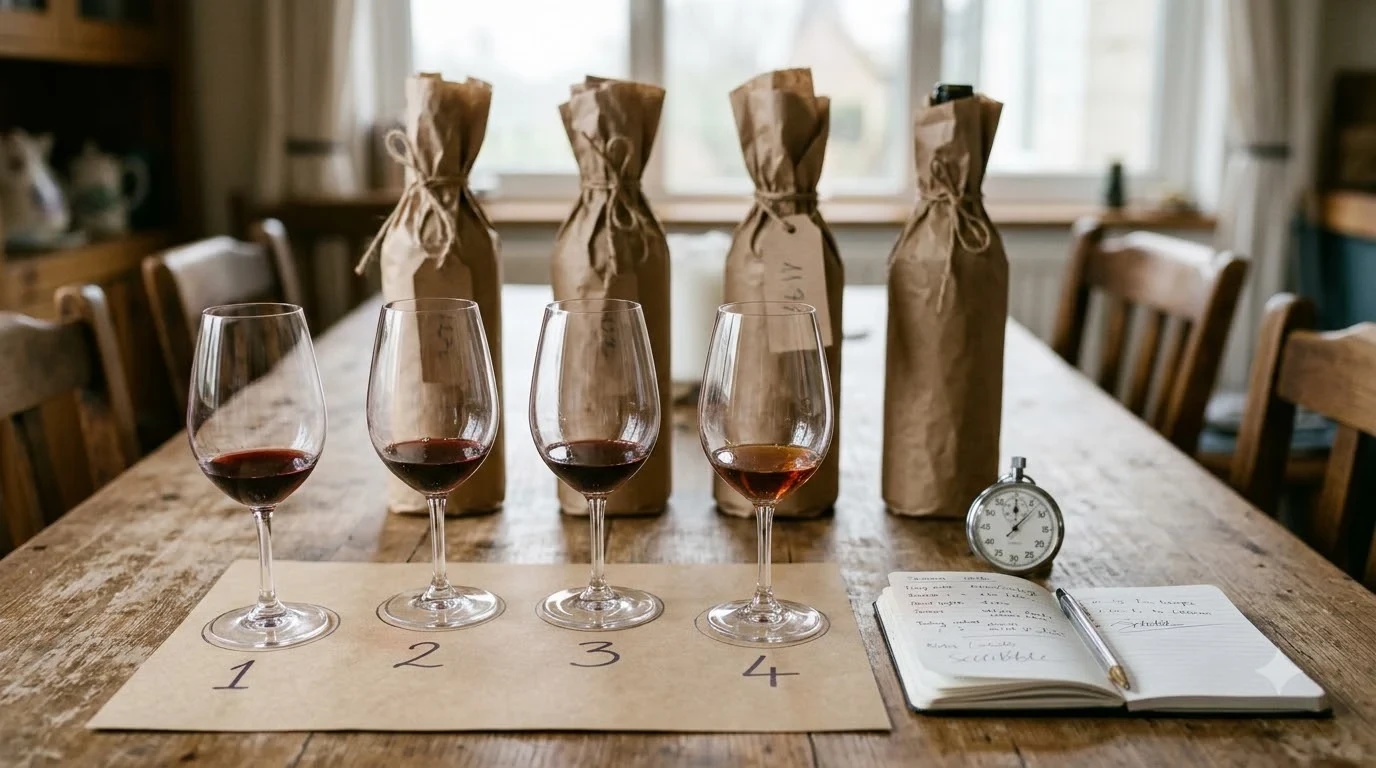
Knowing how to sip wine properly means slowing down at every stage, from looking at the color to letting the last flavor fade after you swallow. Sipping turns a glass into a short tasting exercise rather than a quick drink. The method is simple, and it works with easy-drinking bottles as well as more complex wines.
This guide explains what sipping means, how it differs from ordinary drinking, which glass shape helps most, and how to move through a simple tasting routine. It also covers serving temperature, pacing, and a few easy-drinking wines that suit a slow pour.
What Does It Mean to Sip Wine?
Sipping wine means taking small amounts and paying attention to what you smell and taste. The goal is to notice the aromas, texture, and finish instead of finishing the glass quickly. Most people can do this at home with a normal bottle and a normal glass.
Professional tasters use a formal version of the same idea. The Wine & Spirit Education Trust style of tasting breaks the process into looking, smelling, and tasting, which is why the method feels so structured. You do not need the professional vocabulary to enjoy the benefits. A few deliberate steps are enough to change how the wine seems.
Sipping also gives the wine time to change in the glass. As the temperature rises and the wine opens up, different flavors can become easier to notice. A slow approach lets you see those shifts instead of missing them between large gulps.
How Sipping Differs From Drinking Wine
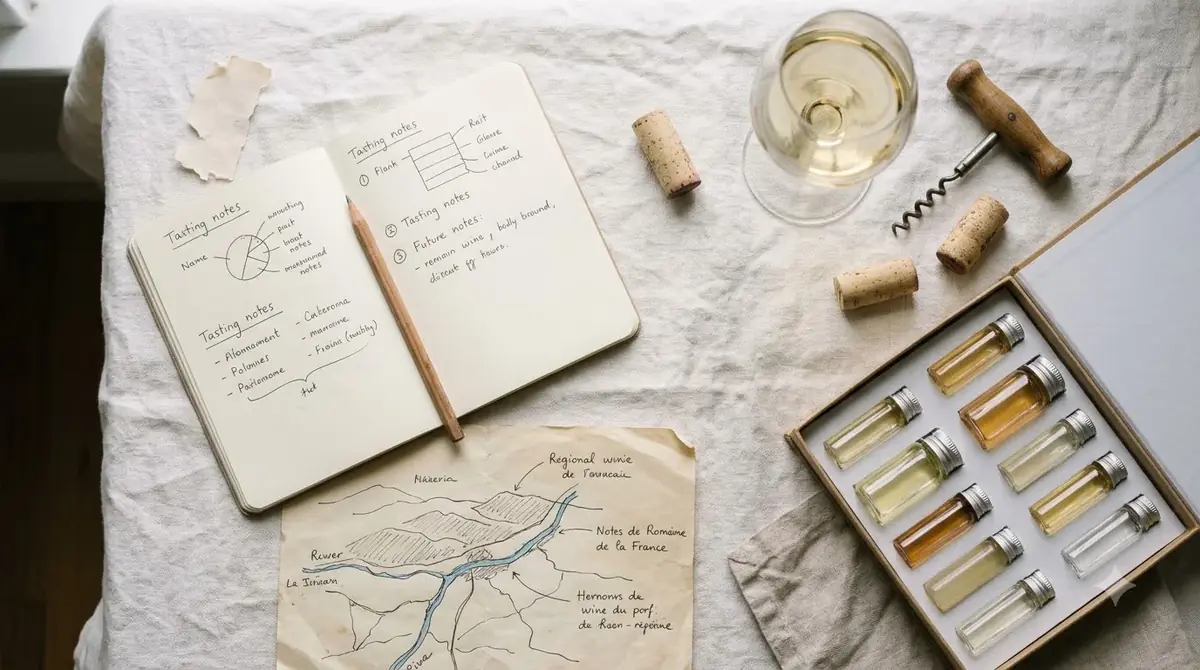
Drinking wine is usually about enjoying the glass with a meal or conversation. Sipping is about focusing on the wine itself for a few minutes. Both are valid, but the two habits lead to different amounts poured, different speeds, and different levels of attention.
| Aspect | Sipping | Ordinary drinking |
|---|---|---|
| Amount per sip | Small, enough to coat the palate | Larger, often swallowed quickly |
| Attention | On color, aroma, texture and finish | Often on food or conversation |
| Pace | Slow, with pauses between sips | Steady, often faster |
| Best use | Learning a wine or enjoying a single glass | Everyday meals and social settings |
Tasting guides also point out that a wine can change as it warms and meets air. A glass that is sipped over twenty or thirty minutes may show more than a glass gulped in five. That is why sipping suits a wine you want to understand, while drinking may suit a wine you simply want to enjoy with dinner.
Tip: Pour a smaller amount than you normally would. A modest pour leaves room to swirl and keeps the glass from warming too quickly.
The Right Glass for Sipping Wine
The glass matters because its shape affects how aromas reach your nose. According to the Les Roches guide to tasting wine, the size and shape of the glass can change how a wine is perceived. A glass that is too small or too narrow can make aroma harder to capture.
Many tasting references favor a glass that is wider at the bottom and narrower at the top, often described as tulip or egg shaped. This shape concentrates the bouquet near the rim. Glasses that are widest at the top are generally considered less ideal for evaluating aroma, although the difference is more about aroma than appearance.
For home sipping, choose a stemmed glass with enough room to swirl without spilling. Keep the bowl clean and free of soap residue, since scents can linger on the glass. Sparkling wines need a different approach, because swirling can release bubbles too quickly. A flute with a steady pour is usually the better choice for those.
Step-by-Step Technique for Sipping Wine
The technique follows a clear order, and each step gives you a different kind of information. Taste experts commonly describe five steps: color, swirl, smell, taste, and savor. You can use the same order at home without any special equipment.
- Hold the glass by the stem or base so your hand does not warm the wine.
- Look at the color against a white background, tilting the glass slightly to see the edge.
- Swirl the wine gently to release aromas, keeping the glass on the table.
- Hover your nose over the top of the glass and take a few quick sniffs before you sip.
- Take a small sip, then draw a little air through it as if pulling it through a straw to spread it across your mouth.
- Hold the wine on your palate for a few seconds and notice the texture, sweetness, acidity and length of the finish.
- Pause, breathe, and take the next sip only when the first one has faded.
Some educators suggest that you avoid plunging your nose straight into the glass. A quick series of sniffs usually gives a clearer read than one deep inhale. Taking a moment between sniffs helps you separate fruit, floral or earthy notes. Keep the pace relaxed so each stage has room to register.
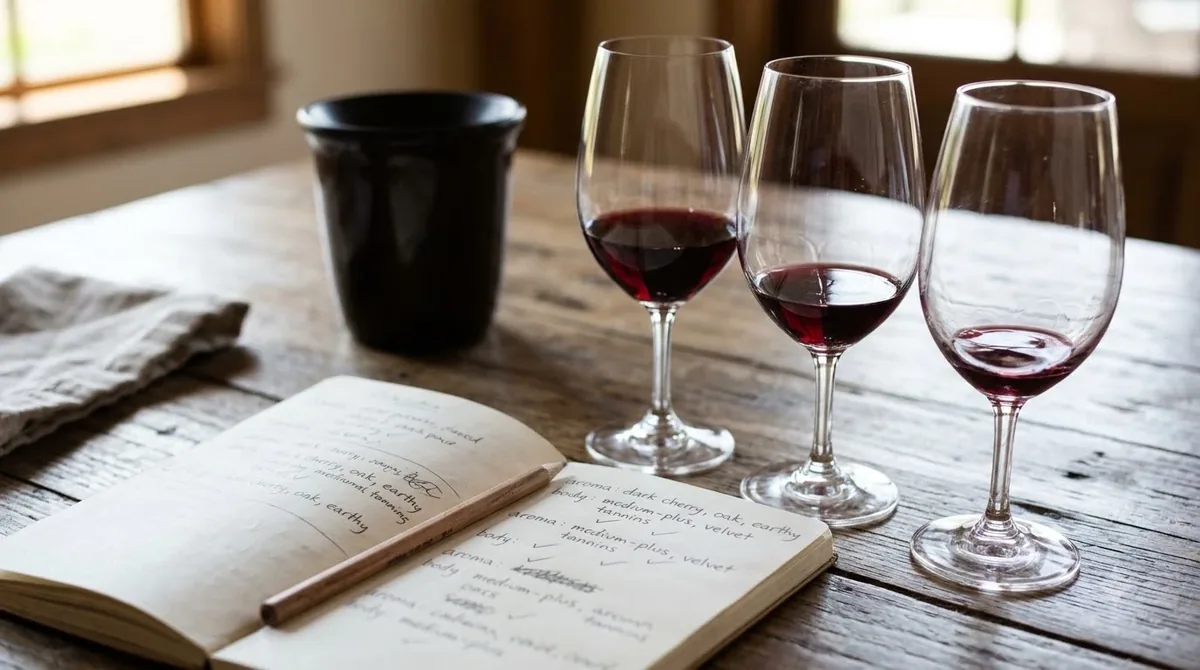
Sipping at a winery follows similar habits. Tasting references note that it is not considered rude to spit at a winery, and a spittoon is usually provided. Spitting helps you taste many wines without taking in too much alcohol, and it is a practical habit for anyone sampling a flight. Tasting references also explain why professionals often spit after formal assessments.
Serving Temperature and Storing Wine for Better Sips
Serving temperature has a large effect on how a sip feels. Lower temperatures emphasize acidity and tannins, while muting the aromas. Higher temperatures soften acidity and tannins while bringing out more scent. A wine served too cold can taste sharp and closed, and a wine served too warm can taste flat or heavy.
The Wine & Spirit Education Trust publishes temperature ranges by style. Light-bodied reds, for example, are generally served lightly chilled at about 13 °C (55 °F), while sparkling wines are served well chilled. Check the label or the producer’s website for guidance on the specific bottle you have. For a broader view of how temperature shapes taste, the Wine tasting entry on Wikipedia summarizes the principle.
Store open bottles with the cork or stopper back in place and keep them cool. Oxygen changes wine over time, so a bottle left open for several days will not show the same character as a fresh pour. Keep a few bottles at different stages of openness if you plan to sip over a longer week.
Best Wines for Slow Sipping
Easy-drinking wines are often the best practice bottles for sipping because they are approachable and forgiving. Light, fruit-forward styles show their character quickly, and you can notice the difference between a first sip and a last sip without much effort. Brands such as 14 Hands hot to trot wine and Avaline white wine are often mentioned in the easy-drinking category, so they make useful examples when you compare how a sip feels.
When you sip a wine like this, focus on one or two qualities at a time. Notice whether the wine tastes fruity, dry, or bright, and whether the finish is short or lingering. Compare the same wine at a cool and a slightly warmer temperature, then decide which you prefer. Keep notes if you want to track your favorites over time.
If you want to explore more producers and styles, the Wine Brands section of this site gathers guides to popular labels. Try one new style at a time so you can compare sips directly rather than mixing impressions across many bottles.
Frequently Asked Questions
What is the first step in how to sip wine properly?
Start by looking at the color of the wine against a white background. This tells you a little about the wine before you smell or taste it. Then move to a gentle swirl and a few quick sniffs before the first sip.
How much wine should I pour for sipping?
Pour less than you would for a casual glass. A smaller amount gives you room to swirl and keeps the wine from warming too fast. The exact amount is a matter of personal taste, so start small and adjust.
Do I need a special glass to sip wine?
You do not need special equipment, but a stemmed glass with a bowl that narrows at the top is helpful. This shape concentrates aromas near the rim. Choose a clean glass and avoid strong soap residue.
Is it rude to spit wine while tasting?
Spitting is generally accepted at winery tastings, and a spittoon is often provided. It helps you sample many wines without drinking too much. If you are sipping at home, you simply enjoy the glass and pace yourself with water and food.
Learning how to sip wine properly takes only a few minutes of focus per glass. Begin with a modest pour, a clean glass, and a slow sequence of looking, swirling, smelling, and tasting. Please drink responsibly and pace yourself with water and food.
More in Wine Brands
 Underwood Wine Price: Compare Bottles, Cans, and Pack SizesUpdated Nov 21, 2026
 Zenato Wine Price: Compare Styles and Choose the Right BottleUpdated Nov 21, 2026
 Zuccardi Wine Price: Compare Bottles and Find the Right RangeUpdated Nov 21, 2026
 Yellow Tail Moscato Review: Taste, Sweetness and Serving TipsUpdated Nov 21, 2026
 Wolf Blass Yellow Label Review: Choose Your Best StyleUpdated Nov 21, 2026
 Wolffer Estate Rose Review: Choose the Right Bottle for Your TableUpdated Nov 21, 2026