

We may earn a commission when you buy through links on this page, at no extra cost to you. Learn more.
Château Margaux wine is the flagship red from Château Margaux, a family-owned estate in the Médoc that was ranked a First Growth in the 1855 Bordeaux classification. The estate also makes white and second wines, but the Grand Vin is what most people mean by the name. It is a structured, age-worthy Bordeaux red, and it rewards careful serving and patience. This guide covers the estate, the style, and how to serve and pair the wine.
Château Margaux is one of the most talked-about names in Bordeaux, and it is often used as a benchmark for the region. Many shoppers see the name on a restaurant wine list or in an auction catalogue without knowing what sets it apart from other Médoc wines. Here is what to know about the estate, what the wine tastes like, and how to make it the center of a good meal.
The estate behind Château Margaux wine
Château Margaux is a family-owned estate in the Médoc region of southwest France. According to the estate’s official website, its history reaches back more than five centuries, and the Mentzelopoulos family has owned it since 1977. The site describes the estate as combining tradition with a constant drive for excellence, and it says the wine was classified as a First Growth in 1855.
The estate’s current range includes the Grand Vin, the Pavillon Rouge, Margaux du Château Margaux, and white wines under the Pavillon Blanc name. The official site also mentions a research and development department that studies soils and experimental winemaking. For a reader, that means the wine is the result of long-running work in the vineyard and cellar rather than a single vintage style.
The estate offers both virtual and on-site tours. If you plan a visit to Bordeaux, check the official website for current booking details before you travel, since visiting hours and access can change from year to year.
What the Château Margaux style tastes like
The Grand Vin is a red Bordeaux, and Bordeaux reds from the Médoc are typically built around Cabernet Sauvignon. Wine Folly’s Cabernet Sauvignon guide lists black cherry, black currant, cedar, baking spices and graphite as the main flavors of the grape, with medium-high tannins and acidity and a dry, full-bodied structure. Those notes give a good starting point for what a Margaux red can show, although each vintage has its own balance. Weather during the growing season shapes that balance more than any other single factor, so two bottles from neighboring years can feel quite different.
In practice, a young bottle tends to show dark fruit and firm tannins that feel grippy on the palate. As the wine ages, the fruit softens and the tannins settle, and the cedar and graphite notes come forward. The tasting is more about structure and length than about sweetness or heavy oak, so a glass usually needs time to open up.
How to serve Château Margaux wine
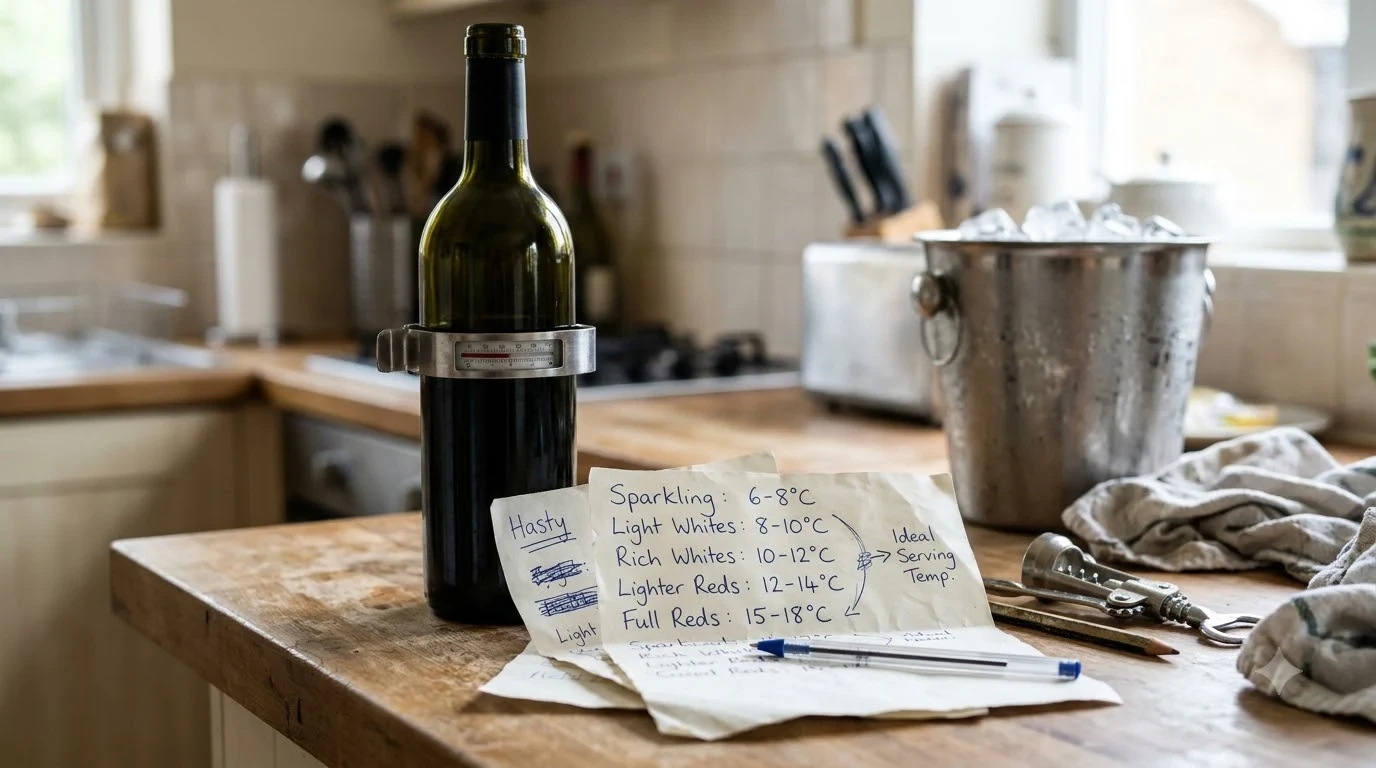
Serving details matter with a wine built on firm tannins. Wine Folly suggests serving Cabernet Sauvignon at 60 to 68 degrees Fahrenheit (15 to 20 degrees Celsius), which keeps the fruit clear without letting the tannins feel harsh. The same guide suggests an oversized glass, which gives the aromas room to develop as the wine opens.
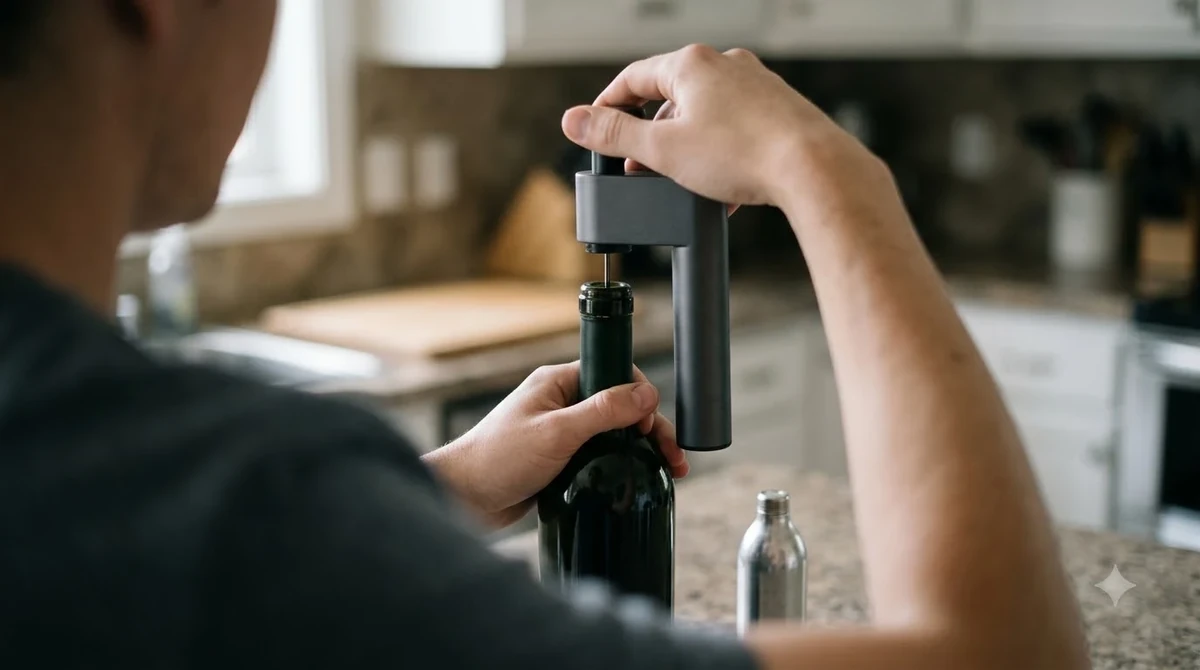
Decanting is the most useful step for a young Bordeaux red. Wine Folly suggests decanting for about one hour, which lets the wine breathe and softens the tannins before you pour. If you are opening an older bottle, decant more gently and pour it soon after, since older wines can fade quickly once they meet air.
Tip: Pour a small taste first. If the wine seems tight, let it sit in the decanter for another 30 minutes before you serve it.
Château Margaux and other First Growths
The 1855 classification named five red First Growths and one sweet white, and the Château Margaux name is one of the most familiar from that list. Comparing a Margaux with another First Growth is a good way to see how the same region can produce different styles. Our guide to Chateau Mouton Rothschild wine covers another estate in the same classification, so you can compare the two side by side.
Differences often come down to the blend, the age of the vines, and the house style. Each estate makes its own choices in the vineyard and the cellar, which is why two First Growths from the same vintage can feel quite different in the glass.
| Element | What to look for | Why it matters |
|---|---|---|
| Tannins | Medium-high, firm when young | Shapes how long the wine needs to open |
| Fruit | Black cherry and black currant | Signals the core flavor of a Cabernet-led red |
| Secondary notes | Cedar, graphite, baking spices | Show up more as the wine ages |
| Serving | 60 to 68 degrees Fahrenheit, about one hour of decanting | Helps the wine show its structure |
How to pair Château Margaux wine with food
A structured Bordeaux pairs best with food that has enough weight to stand up to firm tannins. Roast lamb, beef tenderloin, and braised short ribs are classic choices, because the fat in the meat softens the tannins and lets the fruit come through. Aged hard cheeses such as Comté or aged cheddar also make a good match.
Avoid pairing a young Margaux with very spicy dishes, which can make the wine taste bitter. Lighter fish or delicate vegetable courses are better served with a white wine. If you are cooking for a special dinner, plan the menu around the wine rather than fitting the wine to the menu, because the Grand Vin deserves the main course spot.
How to buy and store Château Margaux wine
Buy from a retailer that stores wine at a steady, cool temperature away from direct light. Fine Bordeaux is sensitive to heat, and a bottle that has been stored badly can taste dull even when the cork looks sound. If you plan to keep the wine for many years, ask the retailer about its storage history and whether the bottle has been kept upright.
If you are buying as a gift or for a special occasion, check the vintage and the bottle condition before you pay. Older bottles are more fragile than young ones, so look for clean labels, a firm cork and a retailer who can explain where the bottle came from.
Frequently Asked Questions
Is Château Margaux wine a First Growth?
Yes. The estate’s website states that Château Margaux was classified as a First Growth in 1855, which places it among the top-ranked estates in the Bordeaux classification.
What grapes go into Château Margaux wine?
The estate’s site does not list grape percentages. Bordeaux reds from the Médoc are typically Cabernet Sauvignon-led, according to Wine Folly, and the exact blend changes by vintage.
Should I decant Château Margaux?
Young bottles usually benefit from about one hour of decanting. Older bottles need gentler handling, so decant carefully and serve soon after.
How long can Château Margaux be kept?
Cabernet-led reds like this one are often cellared for ten years or more. The right window depends on the vintage and how the bottle was stored.
Château Margaux wine is best approached as a long-term project rather than a quick pour. Learn the style, serve it with care and give it time in the glass. For a broader look at how producers build their ranges, read the wine brands guide and compare it with how other estates present their flagship bottles.
More in Wine Brands
 Underwood Wine Price: Compare Bottles, Cans, and Pack SizesUpdated Nov 21, 2026
 Zenato Wine Price: Compare Styles and Choose the Right BottleUpdated Nov 21, 2026
 Zuccardi Wine Price: Compare Bottles and Find the Right RangeUpdated Nov 21, 2026
 Yellow Tail Moscato Review: Taste, Sweetness and Serving TipsUpdated Nov 21, 2026
 Wolf Blass Yellow Label Review: Choose Your Best StyleUpdated Nov 21, 2026
 Wolffer Estate Rose Review: Choose the Right Bottle for Your TableUpdated Nov 21, 2026