

We may earn a commission when you buy through links on this page, at no extra cost to you. Learn more.
Margaux wine comes from the Margaux appellation in the Médoc, on the left bank of the Gironde estuary in southwest France. It is known for elegant, aromatic red Bordeaux blends that are built for aging, and its most famous estate, Château Margaux, holds a First Growth classification from 1855. Margaux reds are usually described as finer and more perfumed than many of their neighbors, which is why they are often a favorite with collectors and with drinkers who enjoy a graceful style.
If you have seen the name Margaux on a Bordeaux label and wondered what makes it special, you are not alone. The name covers both an appellation and a famous estate, and the two are closely linked. This guide explains where Margaux sits, what the wines taste like, how the estate fits into the region’s history, and how to choose and serve a bottle. It is written for curious drinkers who want to understand the style, not only the prestige.
Where Margaux sits in Bordeaux
Margaux is one of the best-known communes of the Médoc, the long strip of gravel-rich land that runs north from the city of Bordeaux along the Gironde estuary. The Médoc is the home of many of the region’s most famous red wines, and Margaux is among the most celebrated villages in that group. Its vineyards benefit from well-drained gravel soils and from the mild moderating effect of the estuary, both of which help the grapes ripen slowly and keep their freshness.
That location matters for the wine. Gravel soils drain quickly, which encourages deep vine roots and a concentrated character in the grapes. The Médoc’s climate is maritime, so the vines get enough warmth to ripen fully without losing the acidity that keeps the wines lively over time. The result is a red that tends to be structured and fine rather than heavy.
The famous estate: Château Margaux
Château Margaux is the name most people associate with the appellation. The estate is listed as a Premier Grand Cru Classé, or First Growth, in the 1855 classification of Bordeaux, which places it at the top tier of the historic ranking. The château is family-owned, under the Mentzelopoulos family since 1977, and it produces several wines, including the Grand Vin, the Pavillon Rouge, and the Pavillon Blanc.
The estate describes its wines as complex, elegant, and capable of remarkable aging, with finesse and aromatic richness. That description is a useful guide to the Margaux style more broadly. The château also highlights its research and development work in viticulture and in winemaking, which is part of why its wines are widely studied.
You do not need to buy a First Growth to enjoy Margaux, though. Many other estates in the appellation make wines in a similar spirit at lower prices, and they give you a way to taste the style without committing to a rare bottle.
What Margaux wine tastes like
Margaux reds are typically Bordeaux blends, and Cabernet Sauvignon usually leads the blend, with Merlot and other varieties adding softness and depth. The style is often described as aromatic and perfumed, with notes of dark fruit, violet, cedar, and graphite, and a fine, firm structure that becomes silkier with age. Young Margaux can be tight and reserved, so the best bottles often need time in the cellar before they show their full character.
The wines are generally less blunt than the big, powerful reds of some other Bordeaux appellations. When you taste a well-made Margaux, look for balance rather than weight. The acidity, the tannins, and the fruit should work together, and the finish should be long and clean. That balance is what collectors mean when they call the appellation elegant.
| Feature | What to expect in Margaux | Why it matters |
|---|---|---|
| Main style | Red Bordeaux blends, led by Cabernet Sauvignon | Gives the structure and the aging potential |
| Aromas | Dark fruit, violet, cedar, and graphite | Shows the perfumed character of the appellation |
| Texture | Fine tannins that soften with time | Makes young bottles taste tighter than mature ones |
| Aging | Often a long, slow evolution in the bottle | Explains why collectors value the top estates |
These are general tendencies rather than rules. Vintage weather, the producer’s choices, and the proportion of each grape all shape the final wine, so two Margaux bottles from different estates can taste quite different.
How to serve Margaux wine
Serving temperature and decanting make a visible difference with Margaux. Serve the wine slightly below room temperature rather than warm, since warmth can make the alcohol feel more prominent and hide the fruit. Young, firm bottles benefit from decanting an hour or two before the meal, which opens the aromas and softens the tannins. Older bottles need a gentler approach, and a short decant is often enough, since too much air can fade the perfume.
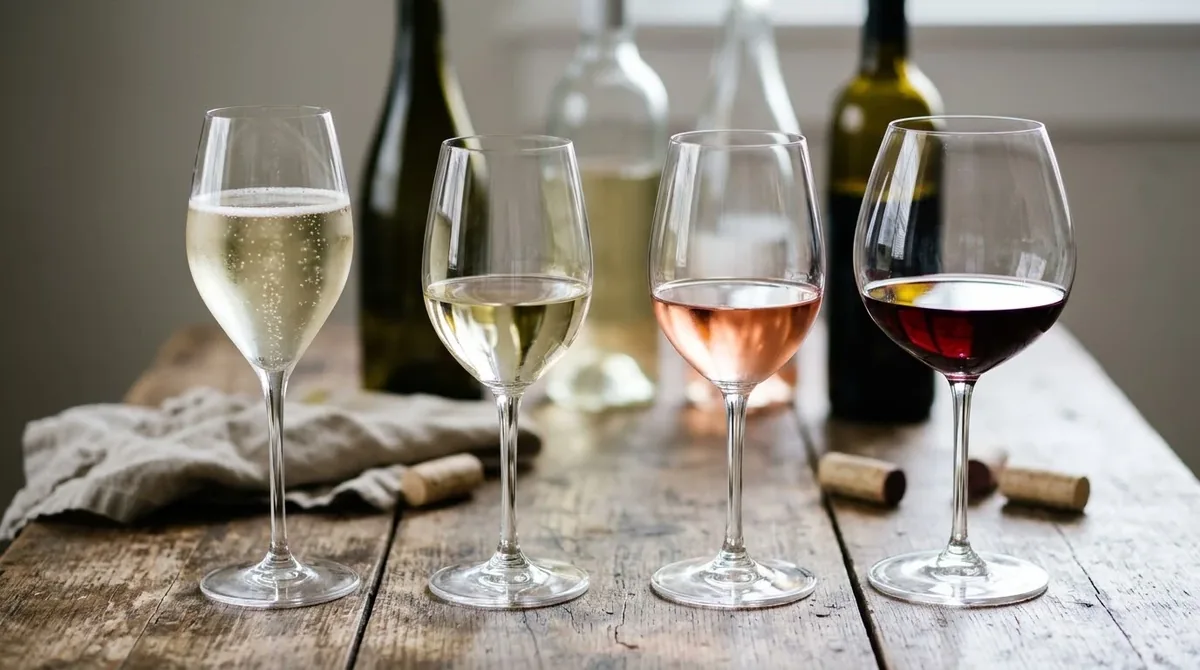
Use a large red wine glass so the aromas can gather. A generous bowl helps you pick up the violet and cedar notes that make the style distinctive. Pour a modest amount so that the wine has room to breathe in the glass.
Food pairings for Margaux red
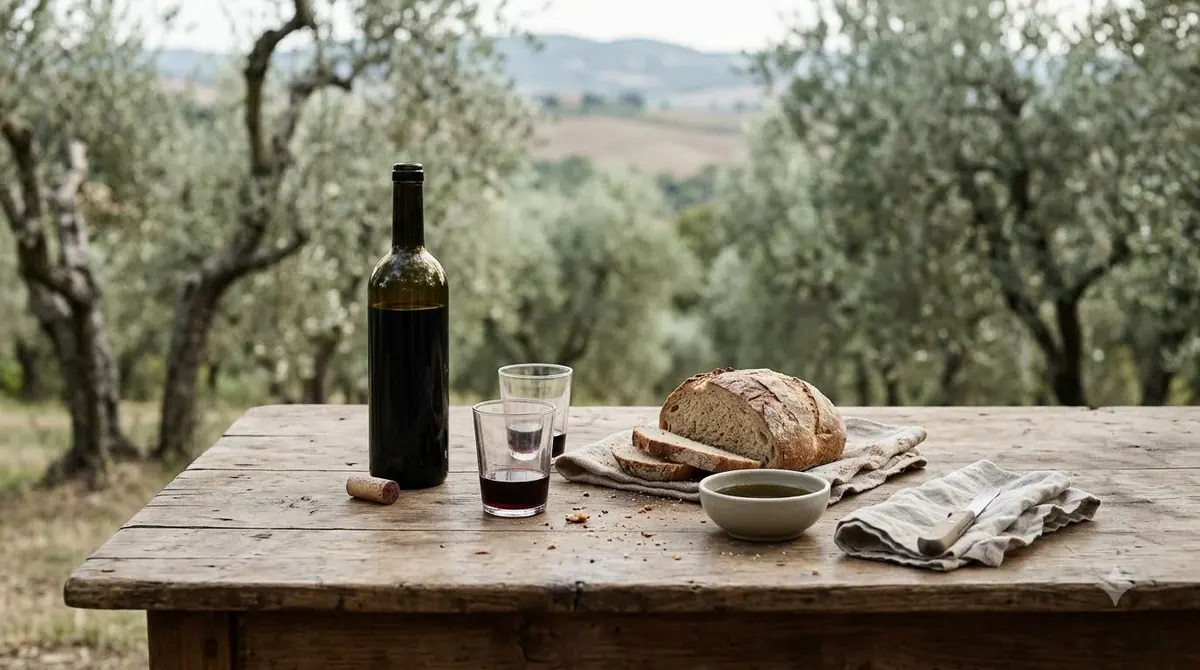
Margaux pairs well with dishes that have enough richness to meet its structure. Roast lamb, beef, and game are classic matches, because the tannins and acidity cut through fat and bring out the fruit. Duck and braised dishes with herbs also work well, especially when the sauce has some depth.
Cheese is another strong partner. Aged hard cheeses such as Comté or an aged Cheddar stand up well to the wine’s structure, while milder cheeses may be overwhelmed. If you want a simpler meal, try a Margaux with roasted vegetables and mushrooms, which keeps the pairing rich without making it heavy.
How to choose a bottle of Margaux
Start by deciding whether you want a classic, age-worthy bottle or a more approachable one for a meal this week. A First Growth from Château Margaux is an investment in aging and prestige, while other estates in the appellation can give you the same style at a more modest level. Read the producer’s description and the vintage notes, since the year can matter a great deal in Bordeaux.
When you buy, check the storage history of older bottles. A well-kept Margaux will age gracefully, but poor storage can spoil even a great wine. If you are not sure where to start, a mid-range Margaux from a respected producer is often the best way to learn the style before you spend more.
For more context on the broader Bordeaux region, see our guide to Bordeaux wine, which explains the other areas that share the Médoc’s grapes and styles.
Frequently Asked Questions
What is Margaux wine known for?
Margaux is known for elegant, aromatic red Bordeaux blends with fine tannins and long aging potential. Its most famous producer, Château Margaux, holds a First Growth classification from 1855.
Is Margaux a region or a wine?
Margaux is both. It is an appellation and a village in the Médoc, and the name is also used for the wines produced there. The famous estate, Château Margaux, takes its name from the same place.
How long can you age Margaux wine?
Top Margaux wines can age for decades, while everyday bottles from the appellation are meant to be opened sooner. The producer’s description and the vintage both affect how long a bottle will develop, so check before you cellar it.
What food goes best with Margaux?
Roast lamb, beef, game, and duck are classic pairings because their richness balances the wine’s structure. Aged hard cheeses also pair well, and roasted mushrooms make a good vegetarian match.
Margaux is a wine worth learning slowly. Taste a mid-range bottle first, then compare it with an older or more famous example to see how the style develops. For a broader view of how Margaux fits among the world’s regions, visit our wine regions guide, and read the official producer information on Château Margaux’s website.
More in Wine Regions
 Willcox Wine Trail: Discover Arizona’s High-Elevation Wine CountryUpdated Nov 20, 2026
 Yakima Valley Wine Region: Find the Best Styles to TryUpdated Nov 20, 2026
 Vosne Romanee Wine Tasting: Identify Aromas and Choose Better PairingsUpdated Nov 20, 2026
 Yakima Valley Wine Festival: Find the Best Seasonal Wine EventsUpdated Nov 20, 2026
 Wales Vineyards: Discover Cool-Climate Wines and Where to VisitUpdated Nov 20, 2026
 Yountville Wine Festival: Discover Napa Wines and Local FoodUpdated Nov 20, 2026