


We may earn a commission when you buy through links on this page, at no extra cost to you. Learn more.
How to pronounce franciacorta: say “frahn-chah-KOR-tah,” with the strongest emphasis on KOR, the third syllable. The Italian wine name has four syllables: Fran-cia-cor-ta. The “cia” sounds like “cha” in English, while the final “ta” is pronounced clearly rather than disappearing into an unstressed vowel. Once you recognize the sound pattern, saying Franciacorta naturally becomes much easier.
Franciacorta is an Italian sparkling wine denomination from Lombardy, and its name can initially look more complicated than it sounds. The good news is that you do not need an advanced understanding of Italian to pronounce it convincingly. A little attention to the soft consonant, open vowels, and stressed third syllable will help you say it comfortably at a restaurant, wine shop, or dinner party.
The Correct Italian Pronunciation of Franciacorta
The most useful English-friendly pronunciation is “frahn-chah-KOR-tah.” Divide the name into four parts, keep the vowels clear, and give the third syllable the strongest emphasis. This approximation captures the main features of the Italian pronunciation without requiring you to learn the International Phonetic Alphabet.
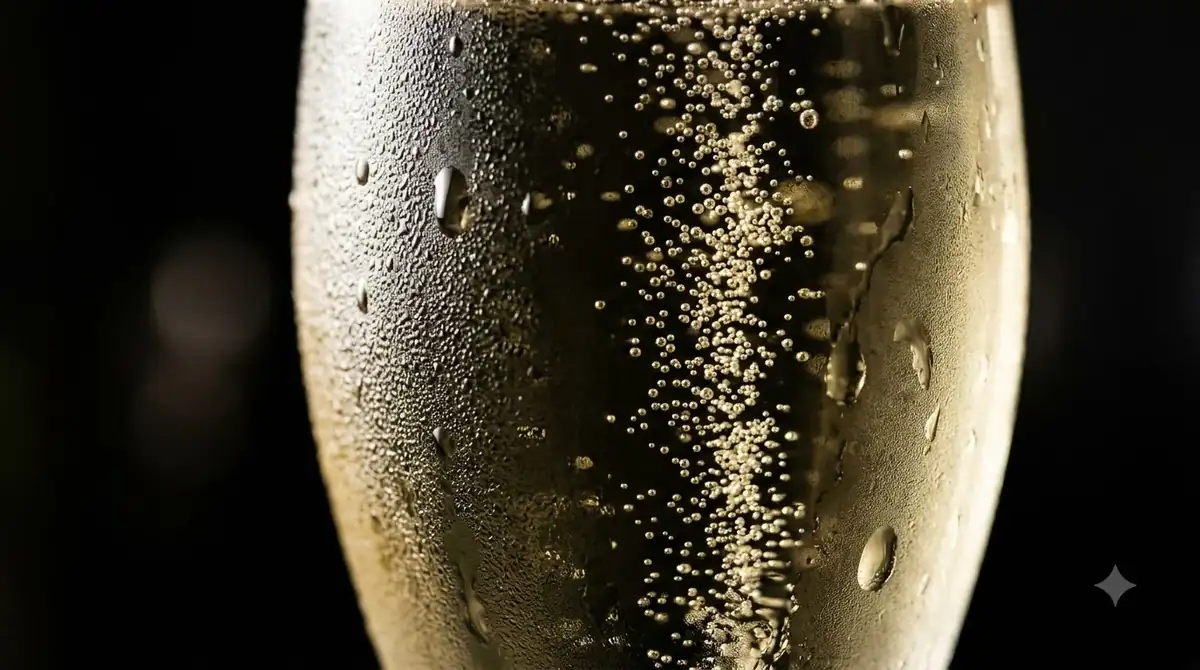
Here is the breakdown:
- Fran: Say “frahn,” with an open vowel. Keep the sound relatively short and natural.
- cia: Say “chah,” using the soft English ch sound found in “chair.”
- cor: Say “KOR,” making this the strongest and most prominent syllable.
- ta: Finish with a clear “tah,” without swallowing the final vowel.
Put the pieces together slowly: frahn-chah-KOR-tah. Then repeat the word at a normal conversational pace. The important point is that the emphasis belongs on COR, not on the first syllable or the ending.
In Italian phonetic notation, the pronunciation is commonly represented as /frantʃaˈkorta/. The symbol /tʃ/ represents the soft ch sound, while the mark before /kor/ indicates the stressed syllable. You do not need to reproduce every technical detail perfectly to be understood, but the transcription confirms the central pronunciation pattern.
English speakers sometimes pronounce the beginning as “fran-see-ah,” treating the letters as separate English vowel sounds. That makes the name longer and less natural. Italian spelling uses combinations of letters that do not always correspond to their English equivalents, so recognizing “cia” as a single soft consonant-and-vowel combination is especially helpful.
For a practical reference, listen to the Italian Franciacorta recording on Forvo. Hearing an Italian speaker is useful because written approximations cannot fully communicate the natural rhythm, vowel quality, and timing of a spoken word.
How to Break the Name Into Four Syllables
The easiest way to remember Franciacorta is to treat it as four connected syllables rather than one long unfamiliar word. The rhythm is Fran-cia-COR-ta, with the third part receiving the emphasis. Practicing each part separately helps prevent common English pronunciation habits from changing the sound.
Start with the first syllable, Fran. The initial F is straightforward, but avoid making the opening sound too much like the English word “France.” The word does not have an extra final consonant sound after the first syllable. Keep it connected to the following syllable rather than creating a pause.
Next, focus on cia. In standard Italian pronunciation, the combination ci before an a produces a soft ch sound followed by the open a vowel. Think of the beginning of “charm,” not the beginning of “city.” The distinction is important because a hard English-style pronunciation can make the entire wine name sound unfamiliar.
The third syllable, cor, deserves the most attention. Italian stress is not always placed where an English speaker might expect it, and Franciacorta is a good example. Say KOR slightly more strongly and clearly than the other syllables. Do not exaggerate it into a shout; the goal is a natural emphasis rather than a theatrical pronunciation.
Finally, pronounce ta with a clean ending. Italian generally maintains its written vowel sounds more clearly than casual American English does. Avoid turning the final a into an indistinct uh sound. Keeping the ending open makes the complete word easier to recognize.
| Syllable | English approximation | Pronunciation instruction | Emphasis |
|---|---|---|---|
| Fran | Frahn | Begin with a clear F and open vowel | Light |
| cia | Chah | Use a soft ch sound | Light |
| cor | KOR | Keep the vowel open and distinct | Strongest |
| ta | Tah | Finish with a clear Italian-style a | Light |
A useful practice exercise is to say the word three times, changing the speed each time. First, pronounce every syllable slowly. Second, connect the syllables without pauses. Third, say it at normal conversational speed. This progression helps the word sound like one natural expression instead of four separate pieces.
Another useful exercise is to emphasize COR while keeping the other syllables relatively relaxed. If all four parts receive equal weight, the result can sound mechanical. If the first syllable is too prominent, the pronunciation may sound closer to an English interpretation than to the Italian original.
Common Franciacorta Pronunciation Mistakes
The most common errors involve the letters “cia,” misplaced stress, and the final vowel. English speakers often read the word according to familiar English spelling rules, but Italian uses different sound combinations. Correcting these three details makes the biggest difference.
Mistake 1: Pronouncing cia as see-ah. This is perhaps the easiest error to make when encountering the word on a bottle for the first time. The Italian combination ci followed by a produces a soft ch sound. Replace the separate see-ah sounds with one connected “chah.”
Mistake 2: Stressing the first syllable. Some speakers begin with a strong FRAN and rush through the rest of the name. The emphasis should instead fall on COR. Try saying “frahn-chah-KOR-tah” while making the third syllable slightly longer and clearer.
Mistake 3: Pronouncing every letter as English. Italian spelling has consistent pronunciation patterns, but those patterns are not identical to English. The combination of c and i is particularly important here. Reading the entire word as though it were an English geographical name can introduce unnecessary sounds.
Mistake 4: Dropping the final vowel. An American English speaker may naturally reduce the ending to a quick, indistinct sound. Italian pronunciation generally keeps the final vowel audible. Make sure the final tah completes the name.
Mistake 5: Adding an extra syllable. Pronouncing the beginning as fran-see-ah creates an unnecessarily long version. Franciacorta is best understood as four syllables, not five or six. Keeping the word compact helps maintain its natural rhythm.
These mistakes are not reasons to avoid ordering the wine. Pronunciation guides are approximations, and regional accents can influence how a word sounds. The goal is to use a recognizable Italian pronunciation rather than imitate every subtle feature of a native speaker’s accent.
Tip: Remember the phrase “frahn-chah-KOR-tah.” If you remember only one detail, make sure KOR receives the emphasis. Getting the stressed syllable right is more useful than trying to reproduce every Italian vowel perfectly.
What Franciacorta Means on an Italian Wine Label
Franciacorta is both a geographical wine denomination and the name used for the sparkling wines produced under its regulations. It comes from Lombardy, in the province of Brescia, near the southern shore of Lake Iseo. Understanding this distinction helps explain why the name appears so prominently on Italian sparkling wine bottles.
Unlike a grape variety such as Chardonnay or Pinot Noir, Franciacorta identifies a specific production area and its regulated wine category. A bottle labeled Franciacorta is not simply any Italian sparkling wine. It must meet the denomination’s production requirements, including the use of secondary fermentation in the bottle.
The production area includes municipalities such as Erbusco, Iseo, Adro, and Rovato. Its vineyards occupy a landscape shaped by glacial activity, with rolling hills and moraine soils containing sand, silt, and gravel. Nearby Lake Iseo and the surrounding mountains also influence the local growing conditions.
The denomination received DOC recognition in 1967 and DOCG recognition in 1995. DOCG is Italy’s highest traditional wine classification, and the designation indicates that the wine must comply with specific geographical and production requirements.
One useful distinction is that Franciacorta is not the name of a grape. Chardonnay, Pinot Nero, Pinot Bianco, and Erbamat are among the permitted varieties used in its production. The blend can vary according to the producer and the intended style.
For example, standard Franciacorta can use Chardonnay and/or Pinot Nero, while Pinot Bianco is permitted up to 50% and Erbamat up to 10%. Franciacorta Rosé must contain at least 35% Pinot Nero. Satèn, by contrast, is made exclusively from white grapes, with Chardonnay accounting for at least 50%.
If you are exploring Italian wine terminology more generally, our guide to Wine by Type provides useful context for understanding the difference between grapes, geographical denominations, and wine styles. You can also learn how to pronounce chardonnay, one of the most important grape names associated with Franciacorta.
How Franciacorta Differs From Prosecco and Champagne
Franciacorta, Prosecco, and Champagne are all sparkling wines, but they have different geographical origins, grape requirements, and production methods. The most important distinction is that Franciacorta and Champagne use bottle fermentation for their second fermentation, while most Prosecco uses the tank method.
Franciacorta comes from Lombardy in northern Italy. Champagne comes from the Champagne region of France, while Prosecco is associated with northeastern Italy. Although all three can produce refreshing wines with lively bubbles, they should not be treated as interchangeable names.
Franciacorta uses the metodo classico, the Italian name for the traditional method. The first fermentation creates the base wine, which is then blended as needed. A second fermentation takes place inside the individual bottle, producing carbon dioxide and creating the wine’s bubbles. The wine subsequently ages on its lees before the sediment is removed through disgorgement.
Champagne follows the same fundamental traditional-method principle, although its permitted grapes, geographical boundaries, and detailed regulations are different. This is why Franciacorta can be compared with Champagne in terms of production technique without being described as Champagne from Italy.
Prosecco is generally made using the tank method, also known as the Charmat or Martinotti method. Its second fermentation occurs in a pressurized tank before bottling. Glera is its principal grape variety, and the method commonly emphasizes fresh fruit, floral aromas, and accessible sparkling character.
Franciacorta can show citrus, apple, pear, almond, and toasted bread characteristics, depending on its grape blend and aging. Longer lees aging can contribute additional complexity and texture. The bubbles and creamy impression can therefore differ from the lighter, fruit-forward character commonly associated with many Prosecco wines.
These differences also help explain why the three names are pronounced differently. Champagne is a French name, Prosecco is an Italian geographical name, and Franciacorta is an Italian denomination with its own four-syllable pronunciation.
If you enjoy learning how wine terminology changes between languages, you may also find our explanations of how to pronounce claret and how to pronounce cuvee useful. Both terms appear frequently in wine conversations, although neither refers to the same production denomination as Franciacorta.
Franciacorta Wine Styles and Their Production Requirements
Franciacorta is available in several styles, including standard Franciacorta, Satèn, Rosé, vintage Millesimato, and Riserva. Their differences involve grape composition, pressure, and aging time. Recognizing these categories helps you understand what a producer means when using additional terms on a label.
Standard Franciacorta is the general sparkling wine category. It can use Chardonnay and/or Pinot Nero, with Pinot Bianco and Erbamat allowed within their respective limits. Nonvintage wine requires at least 18 months on the lees, giving the finished wine time to develop characteristics associated with bottle fermentation.
Franciacorta Satèn is a distinctive white sparkling style. It uses white grapes, principally Chardonnay, and has a maximum bottle pressure of five atmospheres. This is lower than the five-to-six-atmosphere range associated with standard Franciacorta. The result is often a softer impression, with particularly fine bubbles and a creamy texture.
Franciacorta Rosé contains at least 35% Pinot Nero. The red grape contributes the color and can provide red-fruit characteristics alongside the freshness and texture of the finished sparkling wine. The minimum lees-aging period for this category is 24 months.
Franciacorta Millesimato is a vintage wine made with grapes from a particular harvest. At least 85% of its grapes must come from the stated vintage, and the wine must age for at least 30 months on the lees. Vintage expression can be particularly important when comparing different producers and harvests.
Franciacorta Riserva represents a longer-aged vintage category. It requires a minimum of 60 months on the lees, allowing additional time for development. Its flavors can include more developed yeast, nut, pastry, and dried-fruit characteristics, depending on the wine.
| Style | Key grape requirement | Minimum lees aging |
|---|---|---|
| Standard Franciacorta | Chardonnay and/or Pinot Nero | 18 months |
| Franciacorta Satèn | White grapes; at least 50% Chardonnay | 24 months |
| Franciacorta Rosé | At least 35% Pinot Nero | 24 months |
| Franciacorta Millesimato | At least 85% from the stated vintage | 30 months |
| Franciacorta Riserva | Vintage category | 60 months |
The figures in this comparison describe minimum aging requirements rather than a guarantee that every wine will have the same flavor. Individual producers can choose longer aging periods, and grape proportions can create noticeably different expressions. The table is a practical starting point for interpreting the categories rather than a prediction of exactly how a bottle will taste.
Sweetness is another important part of the label. Franciacorta’s permitted dosage categories include Dosage Zero, Extra Brut, Brut, Extra Dry, Sec, and Demi-Sec. These indicate different levels of residual sugar, with Dosage Zero representing the driest end and Demi-Sec offering a sweeter style.
For most food occasions, Brut is a useful starting point because its dryness and acidity make it versatile. Extra Brut and Dosage Zero can suit oysters, seafood, and salty appetizers, while a sweeter Demi-Sec can work better with fruit-based desserts. As with other sparkling wines, the sweetness of the wine should be at least as pronounced as the sweetness of the dessert.
How to Order Franciacorta and Serve It Properly
Once you know the pronunciation, ordering Franciacorta is straightforward. Say the name naturally, then specify the style or sweetness level if you have a preference. A simple request for a glass of Franciacorta Brut is enough to communicate what you want without needing to use additional Italian expressions.
At a restaurant, you might say, “Could I have a glass of frahn-chah-KOR-tah Brut, please?” The pronunciation is clear, and the word Brut tells the server that you prefer a dry sparkling wine. If you are ordering a bottle, you can also ask whether the wine is standard Franciacorta, Satèn, Rosé, or Millesimato.
Franciacorta is best served chilled, but excessive cold can make its aromas difficult to appreciate. A practical serving temperature for sparkling wine is 40–50°F. For a more aromatic or complex bottle, serving toward the warmer end of that range can help reveal additional detail as the wine opens in the glass.
A tulip-shaped sparkling wine glass is useful because it allows aromas to collect while preserving the visual appeal of the bubbles. A standard flute is another option, particularly for casual celebrations. Avoid filling the glass to the top, since a moderate pour leaves room for the wine’s aromas.
A typical wine serving is 5 ounces, and a standard 750 ml bottle provides approximately five glasses. For a gathering, this is a helpful calculation when estimating how many bottles to have available. A smaller pour can also be useful when serving several sparkling styles during the same meal.
Food pairing depends on the sweetness, acidity, and texture of the wine. Brut Franciacorta is particularly adaptable to seafood, shellfish, fried appetizers, and salty snacks. Its acidity can refresh the palate after richer foods, while the bubbles provide a contrasting texture.
Try pairing a dry Franciacorta with oysters, shrimp, fried calamari, or Parmesan appetizers. Satèn can work with delicate fish dishes, creamy risotto, and poultry, while Rosé can complement salmon, charcuterie, and dishes featuring mushrooms or red berries. The best pairing depends on the specific wine and the preparation of the food.
Store unopened bottles away from direct light and major temperature changes, ideally near 55°F. Keep bottles on their sides if they have natural cork closures. After opening, refrigerate the bottle and use a sparkling-wine stopper to preserve carbonation. Sparkling wine generally retains its best character for about one to three days after opening.
Do not confuse the bottle’s appearance with its sweetness. A pale straw-colored Franciacorta can be Brut, Extra Brut, or another dosage category. The sweetness designation provides more useful information than color when selecting a bottle for a particular meal.
Frequently Asked Questions
Is Franciacorta pronounced fran-see-ah-corta?
No. The Italian combination “cia” produces a soft ch sound followed by an open a vowel. The more accurate English approximation is “frahn-chah-KOR-tah.” Saying “see-ah” introduces an extra sound and makes the word less natural.
Is Franciacorta a grape or a wine region?
Franciacorta is a geographical wine denomination, not a grape variety. Its production area is in the province of Brescia in Lombardy. The denomination covers sparkling wines made from permitted varieties such as Chardonnay, Pinot Nero, Pinot Bianco, and Erbamat.
What does the name Franciacorta mean?
The historical origin of the name is commonly connected with the medieval expression “francae curtes,” referring to settlements with particular tax-exempt privileges. The name has also appeared in historical records in forms such as Franzacurta. Its precise historical development is separate from the modern wine denomination.
Does Franciacorta have a different pronunciation in American English?
American English speakers often adapt the vowels slightly, particularly in the first syllable. However, the four-syllable structure and stress on COR remain useful guides. There is no separate official American version of the Italian wine name.
Can Franciacorta be made without alcohol?
The regulated Franciacorta denomination describes an alcoholic sparkling wine. Its production rules specify a minimum alcohol strength of 11.5% by volume for standard Franciacorta. A nonalcoholic sparkling drink cannot use the same denomination simply because it resembles the wine’s appearance or flavor.
Remember the simple pronunciation “frahn-chah-KOR-tah,” with the emphasis firmly on the third syllable. Understanding the name also gives you a useful introduction to one of Italy’s distinctive traditional-method sparkling wines. The next time you see Franciacorta on a restaurant wine list or bottle label, you can pronounce it confidently and recognize the style behind the name.
More in Wine Types & Grapes
 What Does Mourvèdre Taste Like? Flavor Profile, Regions, and PairingsUpdated Nov 20, 2026
 What Does Marsanne Taste Like? Flavors, Styles, and Food PairingsUpdated Nov 20, 2026
 What Does Malvasia Taste Like? Styles, Flavors, and Food PairingsUpdated Nov 20, 2026
 What Does Grenache Blanc Taste Like? Flavor Profile, Styles, and PairingsUpdated Nov 20, 2026
 What Does Garnacha Taste Like? Key Flavors, Styles, and Pairing TipsUpdated Nov 20, 2026
 What Does Fruit Wine Taste Like? A Complete Flavor and Style BreakdownUpdated Nov 20, 2026