

We may earn a commission when you buy through links on this page, at no extra cost to you. Learn more.
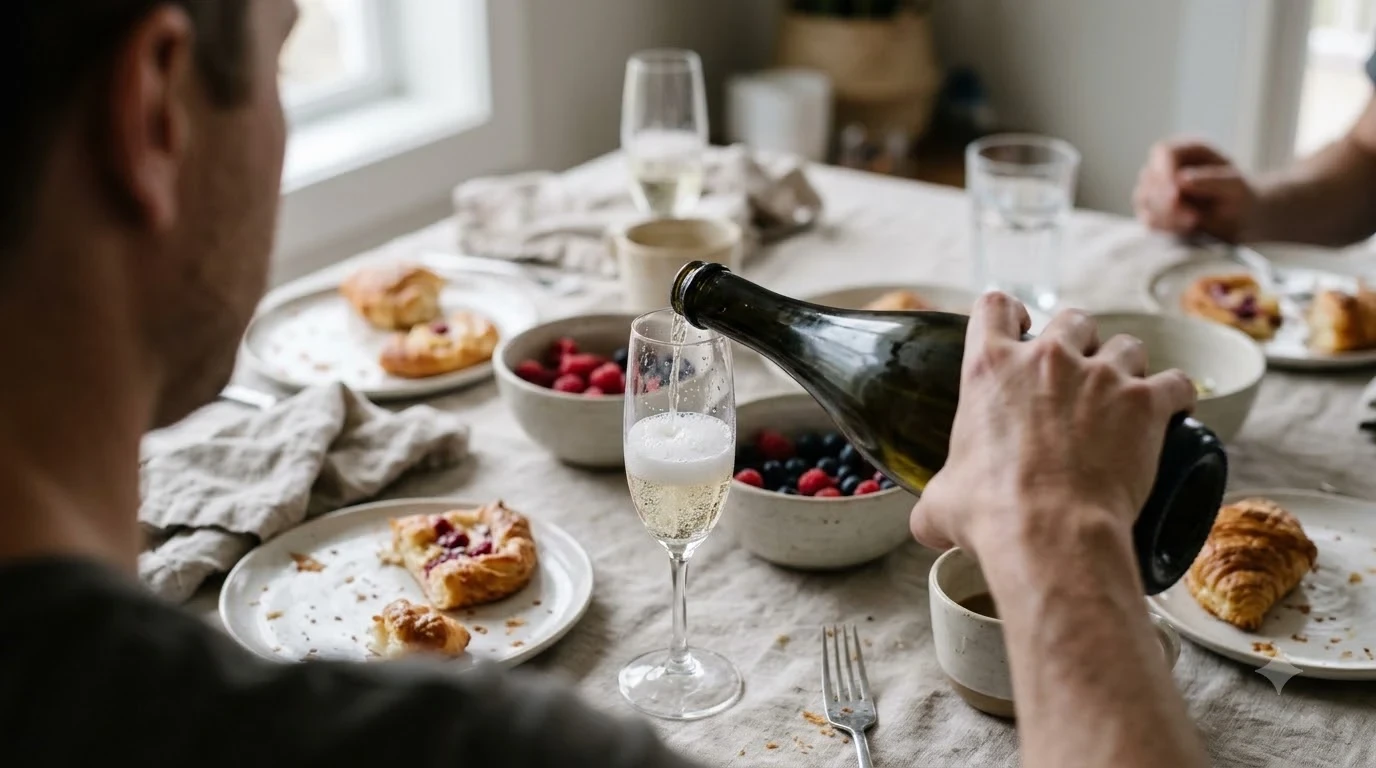
The ideal sparkling wine serving temperature is usually 40–50°F, with many bottles showing their best balance near the middle of that range. For a practical starting point, chill Prosecco to 43–46°F and serve Champagne around 46–50°F. Keep the bottle cold between pours, then let each glass warm slightly so its aromas have room to emerge.
Sparkling wine is easy to serve well once the bottle is cold but not numbingly cold. A few degrees can change how clearly you notice citrus, orchard fruit, toast, sweetness and the fine stream of bubbles. The best target depends on the style, the bottle’s body and how quickly guests will drink it, so use the ranges below as a guide rather than treating one temperature as a rule for every sparkling wine.
The best temperature range for sparkling wine
Most sparkling wines should be served between 40°F and 50°F, with 41–45°F a useful general target and Champagne commonly poured a little warmer at 46–50°F. That range keeps the wine refreshing while giving its fruit, acidity and yeast-derived aromas enough room to show.
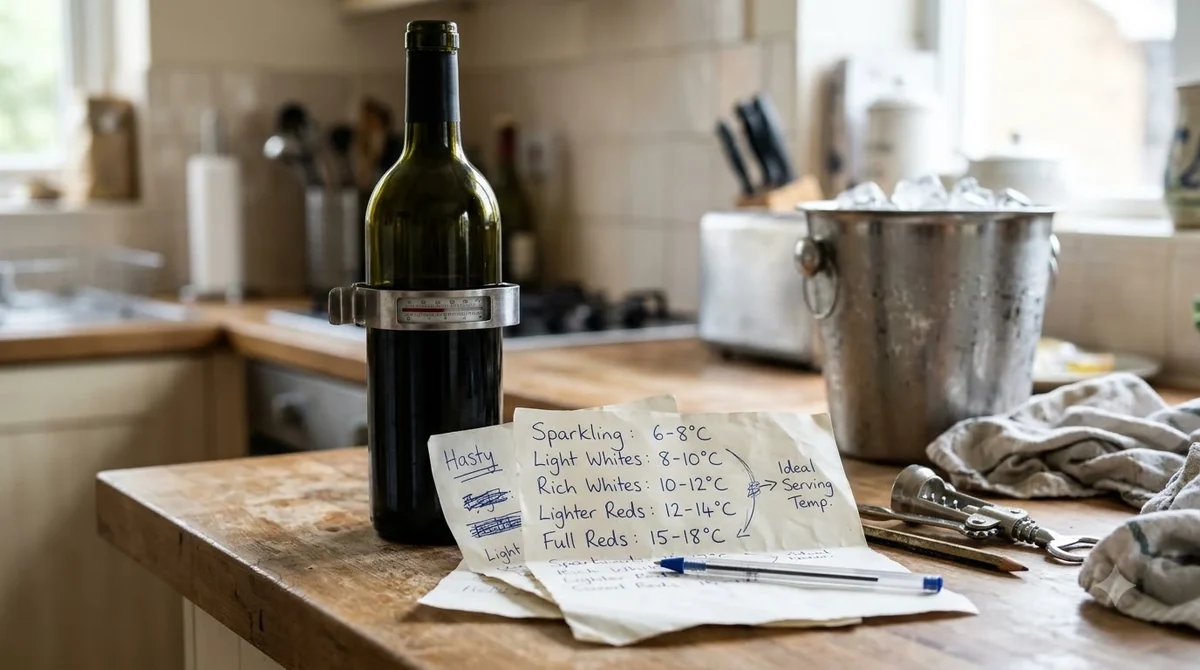
For everyday service, aim for approximately 43–46°F for a fresh, fruit-forward bottle and 46–50°F for a more complex Champagne. These are close enough that a single well-chilled ice bucket can handle a mixed sparkling-wine gathering; take a bottle out briefly before pouring when it seems especially cold. The wine will warm in the glass, especially in a warm room or when guests hold the bowl rather than the stem.
The official Champagne serving guidance recommends 8–10°C, or 46–50°F, for Champagne. Wine Enthusiast’s temperature and glassware guide gives 41–45°F as a broader range for Champagne, Cava, Prosecco and Sekt, while suggesting 45–50°F for vintage Champagne. These recommendations reflect the difference between a crisp, youthful sparkling wine and a layered vintage bottle.
| Style | Serving temperature | Practical cue |
|---|---|---|
| Most fresh sparkling wines | 41–45°F | Start here for bright, fruit-led styles |
| Champagne | 46–50°F (8–10°C) | Official Comité Champagne range |
| Vintage Champagne | 45–50°F | A little warmth helps reveal toast and biscuit notes |
| Prosecco | 43–46°F (6–8°C) | Keep it chilled between pours |
Use the range as a starting point and adjust in small steps. A bottle that seems muted at 40°F may open after five minutes in the glass; one that seems broad at 55°F may regain its shape after a short return to the bucket. For a mixed group, about 45°F is a sensible compromise.
How Champagne, Prosecco and other styles differ
Champagne, Prosecco and Cava all sparkle, but their styles and production methods differ enough to justify slightly different serving targets. Start around 46–50°F for Champagne, 43–46°F for Prosecco, and use the general 41–45°F range for a lighter, fresh Cava or other crisp sparkling wine.
Champagne often benefits from the upper end of the range because its aromas can include citrus, apple, pear, brioche and toast. The official Champagne website recommends 8–10°C (46–50°F), and says to place the bottle in an ice bucket half filled with water and ice for 20–30 minutes before serving. Vintage Champagne can also be served at 45–50°F, a touch warmer than a simple, very crisp aperitif style, to give its developed notes more room.
Prosecco is generally made mainly from Glera grapes and is associated with fresh fruit character. Prosecco.com’s serving guidance recommends 6–8°C (43–46°F), with a tulip-shaped or white-wine glass and a cold bottle between pours. Prosecco DOC spumante develops its bubbles in a sealed tank, whereas Champagne undergoes its second fermentation in the bottle; the difference in method helps explain why the wines can have distinct textures and aromatic profiles, not a need to serve them at exactly the same temperature. For more detail on sparkling categories and still styles, see Wine by Type.
Cava is a Spanish sparkling wine made using bottle fermentation, so a crisp Cava can sit in the broad 41–45°F range. Traditional-method wines with developed flavors may benefit from a few degrees of warmth, as can vintage Champagne. For sparkling rosé, start around 43–46°F; a structured red fizz may need warmer service than delicate Prosecco. The guide to sparkling red wine serving temperature is useful for Lambrusco and other red styles.
How to chill a bottle without rushing it
The refrigerator is the easiest way to prepare sparkling wine: allow up to two hours for a bottle to chill, and use an ice-water bath when time is short. For Champagne, the Comité Champagne suggests 20–30 minutes in a bucket that is half filled with ice and water, while a few hours in the lower part of the refrigerator is another option.
Water matters in an ice bucket because it surrounds more of the bottle than ice cubes alone and transfers cold efficiently. Add enough ice to keep the water very cold, lower the bottle into the mixture, and rotate or reposition it once if one side is exposed. Check the bottle after about 20 minutes; a small bottle may chill sooner, while a warm bottle from a hot car or sunny counter can need more time. Keep a towel nearby so condensation does not make the bottle slippery.
Do not rely on the freezer as a routine shortcut. A forgotten bottle can freeze, expand and push the cork or damage the glass, and extreme chilling can make the wine taste less expressive even before it becomes a safety problem. A planned refrigerator chill is more predictable. For a last-minute occasion, an ice-water bath is the better choice; set a timer and check the bottle instead of leaving it unattended.
Tip: Chill the bottle before guests arrive, then use an ice-water bucket to hold it near serving temperature. Once opened, return the bottle to the bucket between rounds rather than leaving it on the table for 30–45 minutes.
Room temperature matters too. Outdoors on a warm patio, keep the bottle shaded in its bucket and pour modest amounts more often. Refill melting ice and add cold water if the bucket becomes mostly ice; steady contact with cold water cools more effectively than a loose pile of cubes.
What temperature changes in aroma and bubbles
Cold temperatures make sparkling wine feel brisk and focused, while a modest rise in temperature helps fruit, floral and savory aromas become easier to detect. The useful range is a balance: too cold can mute aroma and make sweetness seem less apparent, while too warm can make the wine feel softer and less refreshing.
At the cooler end, acidity and carbon dioxide give a sharp, energetic impression. Citrus, green apple and crisp pear can seem especially vivid, which is one reason a fresh Prosecco or a simple sparkling aperitif can work well around 43–45°F. As the wine warms, the nose can reveal more than fresh fruit: Champagne may show bread dough, pastry, hazelnut or subtle spice, depending on the grapes and its time aging.
Warmth also changes the way a wine feels on the palate. A wine served very cold can seem tighter and less sweet than it does after a few minutes. A sweeter sparkling wine may therefore taste more balanced when it is not served at the coldest possible temperature. On the other hand, a bottle served well above 50°F can lose some of the crisp impression that makes bubbles refreshing, particularly during a warm afternoon or with salty appetizers.
Think of the first pour as a temperature check. If the wine smells faint and tastes hard-edged, wait three to five minutes and try again. If it seems broad, low in energy or less refreshing than expected, return the bottle to the ice bucket for a short spell. Small adjustments are more useful than repeatedly adding ice to the glass, which dilutes the wine and changes its balance.
Choose the glass and pour with care
A tulip-shaped glass or a stemmed white-wine glass is a strong choice for many sparkling wines because the bowl gives aromas space while the narrower opening directs them toward the nose. A flute highlights the rising bubbles and suits a quick celebratory toast, but a wider bowl is often more useful for appreciating a complex Champagne or aged sparkling wine.
The Comité Champagne recommends a tall, bulbous glass that narrows at the top, a shape that lets aromas gather while leaving room for the bubbles to develop. Wine Enthusiast also reports that wine professionals favor a white-wine glass for some sparkling wines because a wider bowl gives the wine more air and makes its aromas easier to explore. A coupe is a nostalgic option for a party, but its broad, shallow shape lets bubbles and aromas escape more quickly than a tulip or flute.
Open the bottle gently and keep control of the cork. Hold the cork firmly while removing the wire cage, angle the bottle about 30–45 degrees away from people, and rotate the bottle rather than twisting the cork. The goal is a quiet release of pressure, not a loud pop. Cold wine is easier to handle because it helps keep the pressure under control, but careful technique is still essential.
Pour slowly in two stages if the wine foams, allowing the first small measure to settle before topping up. The Champagne website recommends filling the glass to about two-thirds, leaving room for aromas while preserving the sparkle. Smaller pours also warm gradually. Clean glassware matters more than elaborate stemware: detergent residue or grease can interfere with bubble formation, so rinse glasses thoroughly and air dry them or use a clean lint-free cloth.
Pair sparkling wine with food and the occasion
Temperature should support the wine’s role at the table: cooler service makes a fresh sparkling wine especially appealing with salty snacks and seafood, while a slightly warmer pour can suit a more complex bottle alongside richer dishes. Pair the sweetness of the wine with the sweetness of the food, and match the acidity of the wine to acidic ingredients such as lemon, vinaigrette or pickled vegetables.
For oysters, shrimp, fried appetizers and potato chips, a crisp Brut sparkling wine around 41–46°F gives a refreshing contrast to salt and fat. The bubbles and acidity help clear the palate between bites, while the wine’s citrus and apple notes complement seafood without the tannin clash that can happen when oily fish meets a tannic red. A bottle of Champagne around 46–48°F is a flexible partner for smoked salmon, tempura, salty cheeses or a platter of shellfish.
For creamy pasta, roast chicken or mushroom dishes, a more structured Champagne or traditional-method sparkling wine can be served near 46–50°F so its fuller aromas are not muted. A bottle with noticeable residual sweetness is often a better match for spicy food than a very dry, high-alcohol or tannic wine; chili heat can feel amplified by alcohol and tannin. With a spicy dish, avoid pairing a high-alcohol sparkling red simply because its fruit seems generous.
Dessert calls for a careful sweetness match: the wine should be at least as sweet as the dessert, so a dry Brut can taste thin beside a very sweet cake or fruit tart. A sweeter sparkling style may suit dessert at 43–50°F, depending on body. For still dessert wine, see Sauternes serving temperature; for sushi or delicate savory dishes, see sake serving temperature. For a toast, a brisker pour is refreshing; at a seated meal, use a tulip glass and let a complex wine warm slightly. The goal is a lively glass whose aromas remain clear.
Frequently Asked Questions
These quick answers cover a few details that sit alongside the main serving ranges, including Champagne sweetness terms, Prosecco’s different styles and the best way to store an unopened bottle.
Does Extra Dry sparkling wine taste drier than Brut?
No. In Champagne’s sweetness scale, Extra Dry is sweeter than Brut: the Comité Champagne lists Brut at less than 12 grams of sugar per liter and Extra Dry at 12–17 grams per liter. The wording can surprise shoppers because “Extra Dry” sounds drier than it is.
Does every Prosecco have the same amount of fizz?
No. Prosecco is made as spumante (fully sparkling), frizzante (semi-sparkling) or tranquillo (still). The style name describes the level of effervescence, not the wine’s sweetness.
Should Champagne rest after a long journey?
Yes. The Champagne FAQ recommends letting a bottle rest for a few days after a long journey before drinking it. This gives the wine time to settle after transport rather than being opened immediately on arrival.
Can Champagne bottles be stored upright?
Yes. The official Champagne website says bottles may be stored upright or on their sides in a cool place with a constant temperature of 10–15°C (50–59°F). It also advises protecting them from light, vibration and strong odors, with humidity kept between 60% and 80%.
How many servings are in a standard bottle of Champagne?
A standard 750 mL bottle provides about six 125 mL pours, according to the Champagne website. With a larger 150 mL pour, the same bottle serves five glasses, so the number depends on glass size and how generously the wine is poured.
For most sparkling wine, start between 41°F and 46°F, then make small adjustments for the bottle’s style and complexity. Keep it cold between pours, use a glass that lets the aromas show, and aim for a lively, expressive glass rather than the coldest one possible.
More in Wine Types & Grapes
 What Does Mourvèdre Taste Like? Flavor Profile, Regions, and PairingsUpdated Nov 20, 2026
 What Does Marsanne Taste Like? Flavors, Styles, and Food PairingsUpdated Nov 20, 2026
 What Does Malvasia Taste Like? Styles, Flavors, and Food PairingsUpdated Nov 20, 2026
 What Does Grenache Blanc Taste Like? Flavor Profile, Styles, and PairingsUpdated Nov 20, 2026
 What Does Garnacha Taste Like? Key Flavors, Styles, and Pairing TipsUpdated Nov 20, 2026
 What Does Fruit Wine Taste Like? A Complete Flavor and Style BreakdownUpdated Nov 20, 2026