

We may earn a commission when you buy through links on this page, at no extra cost to you. Learn more.
How to pronounce arneis: Say “ahr-NAYSS,” with the emphasis on the second syllable and a clear final S sound. This Italian white wine grape comes from Piedmont, particularly the Roero area, where it produces fragrant, dry white wines. Once you know the two-syllable pronunciation, you can comfortably order a glass, discuss the grape with a wine professional, and recognize it on an Italian wine list.
Some Italian wine names look considerably harder to say than they actually are. Arneis is a good example: its spelling can confuse English speakers, but the spoken name is relatively straightforward once you understand its Italian pronunciation. The grape also has an interesting history, a distinctive regional identity, and a flavor profile that makes it worth recognizing beyond its name. Here is how to say it, understand the pronunciation, and use the word naturally when discussing wine.
The Correct Pronunciation of Arneis
Arneis is pronounced approximately “ahr-NAYSS.” Divide the name into two syllables, give the second syllable the emphasis, and finish with a clean S sound. The result should sound like one connected word rather than two separately spoken parts.
For American English speakers, the easiest approach is to begin with “ahr,” similar to the opening sound in “artist,” and follow it with “NAYSS,” rhyming approximately with “face” without the final C sound. Keep the second syllable slightly stronger than the first. Avoid pronouncing the ending as “ees,” which is a common mistake when readers try to interpret the spelling as an English word.
Wine Folly provides the accessible phonetic spelling “Ar-nay-ss.” An Italian dictionary provides a more technical transcription, /arˈnɛjs/, which also indicates that the stress falls on the second syllable. These references support the same practical takeaway: the important sound is “NAYSS,” not “NEES.” You can compare the English-friendly spelling with the Italian dictionary entry at the Italian pronunciation and definition of Arneis.
Think of the name as two connected beats:
- First syllable: AR — short, relaxed, and unstressed.
- Second syllable: NAYSS — clearer, slightly stronger, and emphasized.
Do not stretch the first syllable or add an extra vowel at the end. Arneis should not become “AR-nee-iss,” “ar-NEES,” or “AR-nice.” Those versions move away from the Italian pronunciation and can make the word less recognizable to someone familiar with Piedmontese wine names.
There is no need to imitate an exaggerated Italian accent to pronounce it convincingly. A natural American English approximation is perfectly understandable in a restaurant or wine shop. Concentrate on the two syllables and the second-syllable stress rather than trying to reproduce every detail of an Italian regional accent.
Why the Italian Spelling Can Be Confusing
The unusual-looking combination of letters in Arneis is one reason English speakers hesitate before saying it aloud. The written ending does not follow the pronunciation patterns that many Americans expect from familiar English words.
In English, a final combination of vowels and consonants can produce several different sounds depending on the word. Italian spelling follows different conventions, so applying an English reading automatically can lead to an inaccurate result. With Arneis, the practical solution is to learn the complete spoken form rather than attempt to pronounce each letter independently.
The Italian dictionary records the word as arnèis, with the pronunciation /arˈnɛjs/. The accent mark identifies the stressed vowel, while the phonetic transcription provides a more precise representation of the spoken sounds. For everyday use, however, the English-friendly “ahr-NAYSS” remains an effective approximation.
Another useful distinction is the difference between written accents and spoken emphasis. The spelling Arneis normally appears without an accent in wine labels and restaurant menus. That does not mean the speaker should give equal weight to both syllables. The stress remains on the second syllable.
Try practicing the name slowly before increasing your speaking speed:
- Say “ahr” once, without emphasizing it.
- Say “NAYSS” with a little more energy.
- Join the two sounds together: “ahr-NAYSS.”
- Repeat the complete name three times at a comfortable conversational pace.
A useful practice technique is to place the word inside a familiar sentence. For example, say, “I’d like a glass of Arneis,” rather than repeating the grape name without context. This makes the pronunciation easier to recall when you encounter it on a wine list.
Where Arneis Comes From and Why It Matters
Arneis comes primarily from Piedmont, or Piemonte, in northwestern Italy. Its strongest historical association is with the Roero hills, an area north of Alba and across the Tanaro River from the Langhe wine region.
Roero is particularly important because it is closely associated with the grape’s identity and modern revival. The Wine Enthusiast regional overview places its origins on the left bank of the Tanaro River. The area’s Roero Arneis designation is now recognized as a DOCG wine, while Arneis is also produced under the Langhe DOC designation.
The grape’s history is not entirely straightforward. Arneis was once used in the production of sweet wines and was also associated with traditional vineyard practices involving Nebbiolo. Some growers planted it alongside the red grape, and its aromatic fruit helped attract birds away from Nebbiolo. Its juice was also used in historical blends to soften Nebbiolo’s powerful tannins.
As wine production changed and Piedmont’s celebrated red wines became increasingly important, Arneis fell out of favor. Its demanding growing characteristics made it less attractive to some vineyard owners. During the early 1970s, the grape was close to disappearing from commercial production.
Renewed interest in the 1980s helped restore its reputation. Producers began focusing on varietal bottlings, allowing consumers to experience Arneis as a white wine in its own right rather than simply as a supporting ingredient in red wine production.
The regional name also helps explain why you may see more than one version on a wine list. Roero Arneis refers to the recognized wine from the Roero area, while Langhe Arneis identifies a wine made under the Langhe designation. Both can provide an introduction to the grape, although their vineyard locations and production choices can influence their individual character.
Outside Piedmont, smaller plantings exist in places such as Sonoma County in California and Oregon’s Willamette Valley. However, Italy remains the grape’s most important home, and Piedmont is the reference point for understanding its traditional identity.
What the Name Arneis Means
Arneis is commonly translated as “little rascal” in the local Piedmontese dialect. The nickname reflects the grape’s reputation for being difficult to cultivate, rather than describing its flavor or the personality of the finished wine.
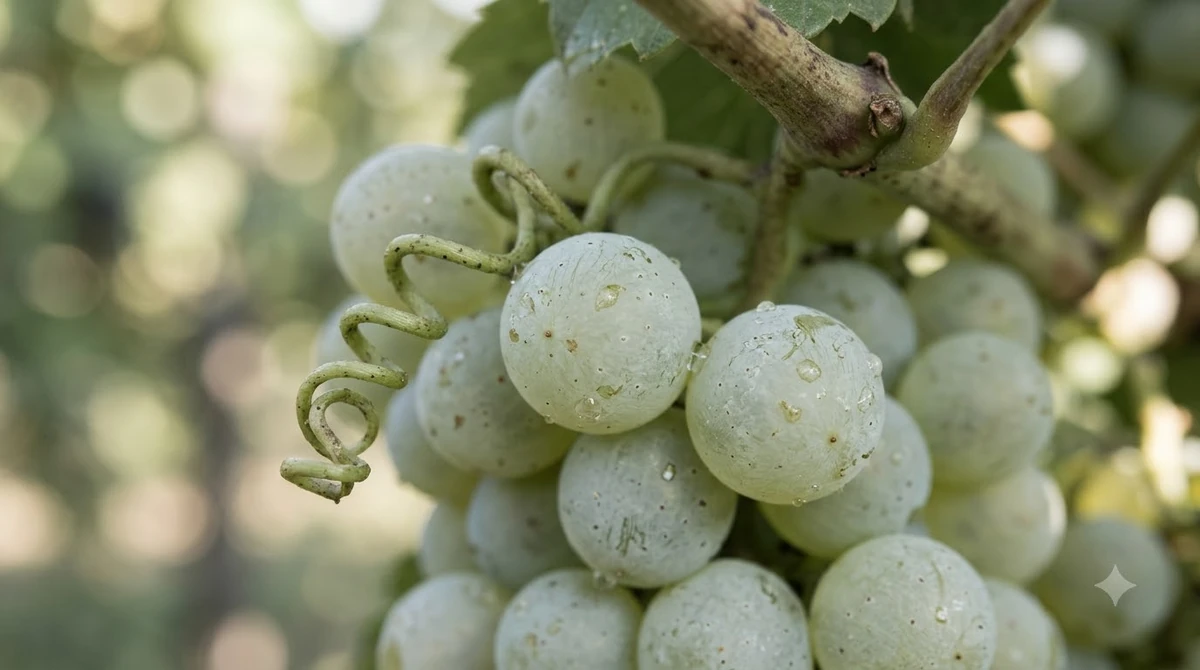
Arneis presents several challenges in the vineyard. It is susceptible to powdery mildew, can produce low yields, and may lose acidity as its fruit ripens. Picking too late can result in overly ripe grapes, so growers must pay attention to harvest timing and vineyard conditions.
These growing difficulties help explain why Arneis became less popular during the twentieth century. A variety that requires careful attention and does not always produce abundant fruit can be less attractive than easier alternatives. Its decline was particularly significant while Piedmont’s producers concentrated on internationally recognized red varieties.
However, the nickname should not suggest that the grape is inherently poor quality. Its challenges are part of what makes successful Arneis production interesting. Good vineyard management and careful winemaking can preserve the fruit’s aromatic character and create a white wine with personality.
It is also helpful to distinguish the local meaning from the grape’s other historical names. Arneis has sometimes been associated with names such as Bianchetta and Nebbiolo Bianco. These synonyms reflect historical regional usage, but they do not mean that Arneis is simply a white version of Nebbiolo.
In particular, the term Nebbiolo Bianco can confuse newcomers. Arneis and Nebbiolo are distinct grape varieties with different characteristics. Nebbiolo is the red grape associated with Barolo and Barbaresco, while Arneis produces aromatic white wines with little or no tannin.
What Arneis Wine Tastes Like
Arneis is generally a dry, medium-bodied white wine with aromatic fruit, floral notes, and a rounded texture. Common flavors include pear, peach, apricot, yellow apple, almond, and white flowers.
The aroma can be more expressive than its relatively restrained acidity might suggest. Depending on the producer and growing conditions, a glass may show citrus, chamomile, honey-like impressions, hazelnut, or gentle herbal notes. These characteristics make Arneis an appealing choice for drinkers who enjoy aromatic whites but want something different from the more familiar Sauvignon Blanc or Pinot Grigio.
Its acidity is usually moderate rather than aggressively sharp. That gives the wine a softer impression than highly acidic whites such as Riesling or Sauvignon Blanc. The body is often medium, although some examples have a fuller, creamier texture, especially when the winemaker uses oak or extended lees contact.
Most traditional examples are dry. Aromatic fruit and a rounded mouthfeel can create an impression of sweetness, but ripe pear or peach flavors do not necessarily mean that residual sugar is present. A small quantity of sweet wine is also made as Arneis Passito, so the grape can appear in more than one style.
Here is a practical overview of its typical characteristics:
| Characteristic | Typical Arneis profile |
|---|---|
| Wine color | White |
| Typical style | Dry |
| Body | Medium |
| Acidity | Moderate |
| Tannin | Very low or none |
| Typical alcohol | 11.5–13.5% ABV |
| Serving temperature | 45–55°F |
| Common fruit notes | Pear, peach, apricot, yellow apple |
| Common secondary notes | Almond, hazelnut, white flowers |
| Suggested drinking window | Within approximately 0–3 years for fresh aromatic styles |
These are general reference points rather than guarantees for every bottle. Winemaking choices, vintage conditions, vineyard location, and bottle age all influence the final result.
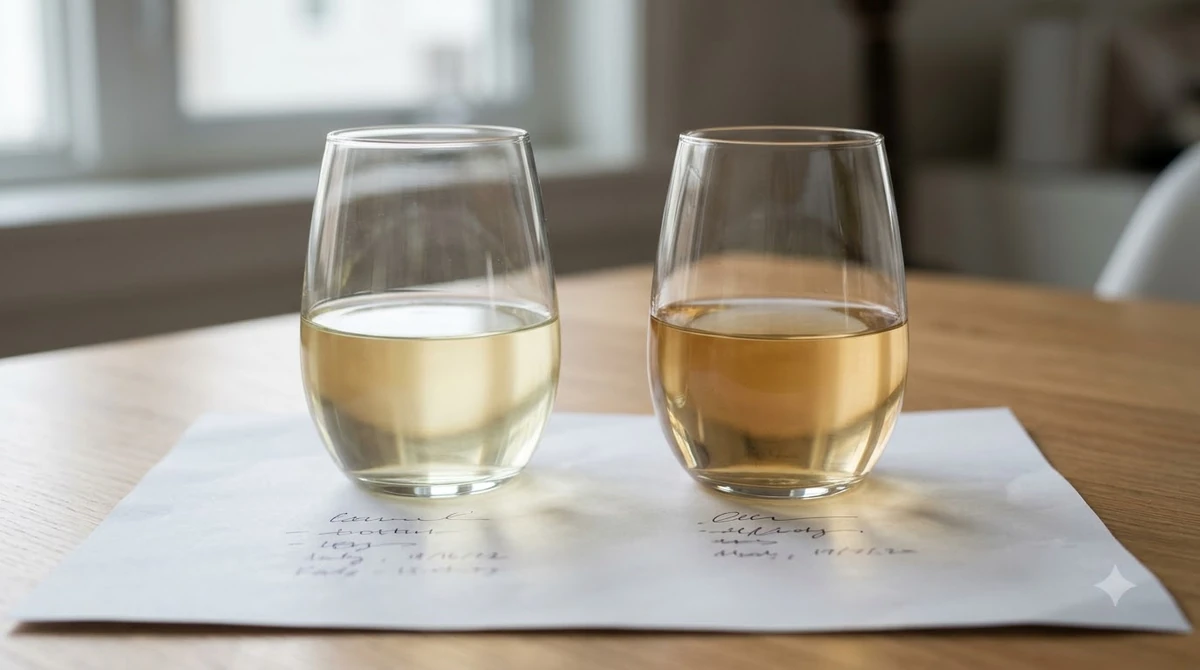
One particularly useful distinction is the difference between stainless-steel and oak-influenced Arneis. Stainless-steel fermentation generally preserves fresh fruit and floral aromas, while oak fermentation or aging can create a broader texture and more noticeable creaminess.
For readers interested in comparing different grape styles, the Wine by Type section provides a useful starting point for understanding how white, red, sparkling, and other wine categories differ.
How to Order Arneis and Use the Name Naturally
Once you have learned the pronunciation, ordering Arneis is straightforward. Say “ahr-NAYSS” when asking for a glass or bottle, and use the full regional name if the wine list specifies Roero Arneis or Langhe Arneis.
In a restaurant, you might say, “Could you tell me more about the Arneis?” or “I’d like to try a glass of Roero Arneis.” Both are natural ways to use the name. You do not need to give a long explanation of the grape’s origin to make a confident request.
If you are ordering from a wine shop, asking whether the bottle is from Roero or Langhe can help you understand its regional identity. You can also ask whether it is unoaked or oak-influenced, since those production choices may affect the texture and aromatic profile.
Pronunciation becomes easier when you connect the word with the wine rather than memorizing it in isolation. Picture a dry white wine from Piedmont with pear, peach, white flowers, and almond notes. Then repeat the name aloud while thinking about its regional origin.
It can also help to become familiar with other Italian and French wine terms. For example, how to pronounce Chardonnay is useful when comparing international white wine styles, while how to pronounce cuvée helps when reading labels that describe a particular blend or bottling.
Another common wine-list term is claret, which has a different linguistic background and is traditionally associated with red Bordeaux wine. Learning how to pronounce claret alongside Arneis gives you a useful vocabulary for discussing several wine regions and styles.
Do not worry if your pronunciation is not identical to that of a native Piedmontese speaker. Regional accents can affect vowel quality, rhythm, and consonant sounds. The goal is to make the name recognizable and to communicate clearly when talking about the wine.
Serving Arneis and Choosing Food Pairings
Arneis is best served chilled, generally between 45°F and 55°F. Its moderate acidity, aromatic fruit, and medium body make it especially suitable for seafood, poultry, vegetables, and dishes with gentle herbs or creamy textures.
For a practical starting point, place the bottle in the refrigerator before serving and allow it to reach the appropriate drinking temperature. Very cold temperatures can make its floral and fruit aromas harder to detect, while serving it too warm may make the wine seem heavier than intended.
Arneis works particularly well with scallops, mild white fish, roasted chicken, and creamy risotto. Its pear and almond characteristics can complement dishes containing toasted nuts, while its floral aromas work nicely with sage, thyme, and other fragrant herbs.
Food texture is another useful consideration. A medium-bodied Arneis can accompany a creamy sauce without being overwhelmed, while its gentle acidity provides some freshness alongside richer ingredients. However, extremely spicy dishes may be less successful because alcohol can amplify chili heat.
Pairing ideas for different meals
- Seafood: Serve Arneis with seared scallops, grilled shrimp, or delicate white fish. Citrus butter and fresh herbs can complement the wine’s aromatic profile.
- Poultry: Roasted chicken with thyme, lemon, or pear provides a natural match for the grape’s fruit and floral characteristics.
- Vegetarian dishes: Creamy mushroom risotto, vegetable frittata, and roasted squash can work well with its medium body.
- Cheese: Mild, creamy cheeses are generally more suitable than very sharp or intensely salty varieties.
- Light appetizers: Almonds, savory pastries, and small seafood bites can make Arneis a pleasant aperitif.
For a simple dinner, try roasted chicken with herbs and a creamy risotto. The dish has enough richness to complement Arneis without overwhelming its fruit and floral notes. A little lemon or fresh thyme can help tie the flavors together.
Arneis can also be an interesting alternative to Chardonnay for people who prefer a dry white with less pronounced oak influence. Both grapes can produce rounded wines, but the aromatic profile and acidity can be quite different depending on the producer and style.
Tip: Chill Arneis to around 48–50°F when serving it with seafood or a light appetizer. This temperature keeps the wine refreshing while allowing pear, almond, and floral aromas to remain noticeable. Use a standard white wine glass rather than a narrow sparkling-wine flute.
There is no need to decant most young Arneis wines. Open the bottle shortly before serving and pour a modest first glass to allow the aromas to develop. If the wine seems too cold, give it a few minutes in the glass before deciding that its character is muted.
Frequently Asked Questions
Is Arneis pronounced differently in different parts of Italy?
Regional Italian speech can influence the exact vowel quality and rhythm, particularly in Piedmont, where the grape has its strongest traditional association. The dictionary transcription /arˈnɛjs/ provides a useful standard reference. The English approximation “ahr-NAYSS” is a practical way to communicate the name internationally.
Is Arneis the same grape as Nebbiolo Bianco?
Nebbiolo Bianco is a historical synonym associated with Arneis, not evidence that it is a white mutation of the red Nebbiolo grape. The two varieties have different identities and wine styles. Nebbiolo is particularly associated with structured red wines, while Arneis is used primarily for dry white wines.
Can Arneis be used to make sparkling wine?
Arneis is primarily known for still white wine, but the grape can appear in other wine styles. Wine references also identify sparkling examples. The precise production method and sweetness depend on the individual producer and bottling.
Does Arneis have a protected wine designation?
Yes. Roero Arneis is associated with the Roero DOCG designation in Piedmont. Langhe DOC is another regional designation under which Arneis wines are produced. These names identify recognized geographical wine categories rather than simply describing the grape’s flavor.
Can Arneis develop interesting flavors with bottle age?
Some carefully produced examples can develop additional complexity as they mature, particularly wines made with more substantial structure or specialized winemaking techniques. However, the grape’s fresh fruit and floral character is a major attraction, so many everyday examples are intended to be enjoyed relatively young. Bottle aging potential varies considerably by producer, vintage, and wine style.
Remember the pronunciation “ahr-NAYSS,” with the emphasis on the second syllable, and you will have the essential detail right. Arneis is more than an unusual name: it is a distinctive Piedmontese white grape with an interesting history, aromatic character, and plenty of versatility at the table. The next time you see Roero Arneis or Langhe Arneis on a wine list, you can order it confidently and know what to expect in the glass.
More in Wine Types & Grapes
 Zinfandel Sugar Content: Dry Red vs. White Zinfandel GramsUpdated Nov 21, 2026
 Best Zinfandel Substitute Options for Sipping and CookingUpdated Nov 21, 2026
 Zweigelt Food Pairing: Best Dishes, Cheeses, and Serving TipsUpdated Nov 21, 2026
 Zinfandel Tannins Explained: How Structure Shapes Every BottleUpdated Nov 21, 2026
 Zinfandel Sweetness Level: Dry Red vs. Sweet White Zin ExplainedUpdated Nov 21, 2026
 Xinomavro Food Pairing: Best Dishes, Styles, and Serving TipsUpdated Nov 21, 2026