

We may earn a commission when you buy through links on this page, at no extra cost to you. Learn more.
The langhe wine region is a hilly viticultural zone in southern Piedmont, Italy, best known as the home of Barolo, Barbaresco, and approachable everyday Nebbiolo wines. Stretching across the province of Cuneo south and east of the Tanaro River, this UNESCO-recognized landscape produces age-worthy single-variety reds alongside crisp whites from Arneis and Chardonnay. Under the broad Langhe DOC appellation, winemakers also enjoy greater blending and vineyard flexibility than inside neighboring DOCG zones.
Pronounced “long-gay,” the area takes its name from the Italian word for narrow, steep-sided hill ridges that ripple across the countryside around Alba. For wine drinkers exploring wine regions across Europe, understanding how this overarching territory connects prestigious hilltop crus with accessible regional bottles is the easiest way to shop Piedmont with confidence.
Overview of the Langhe Wine Region
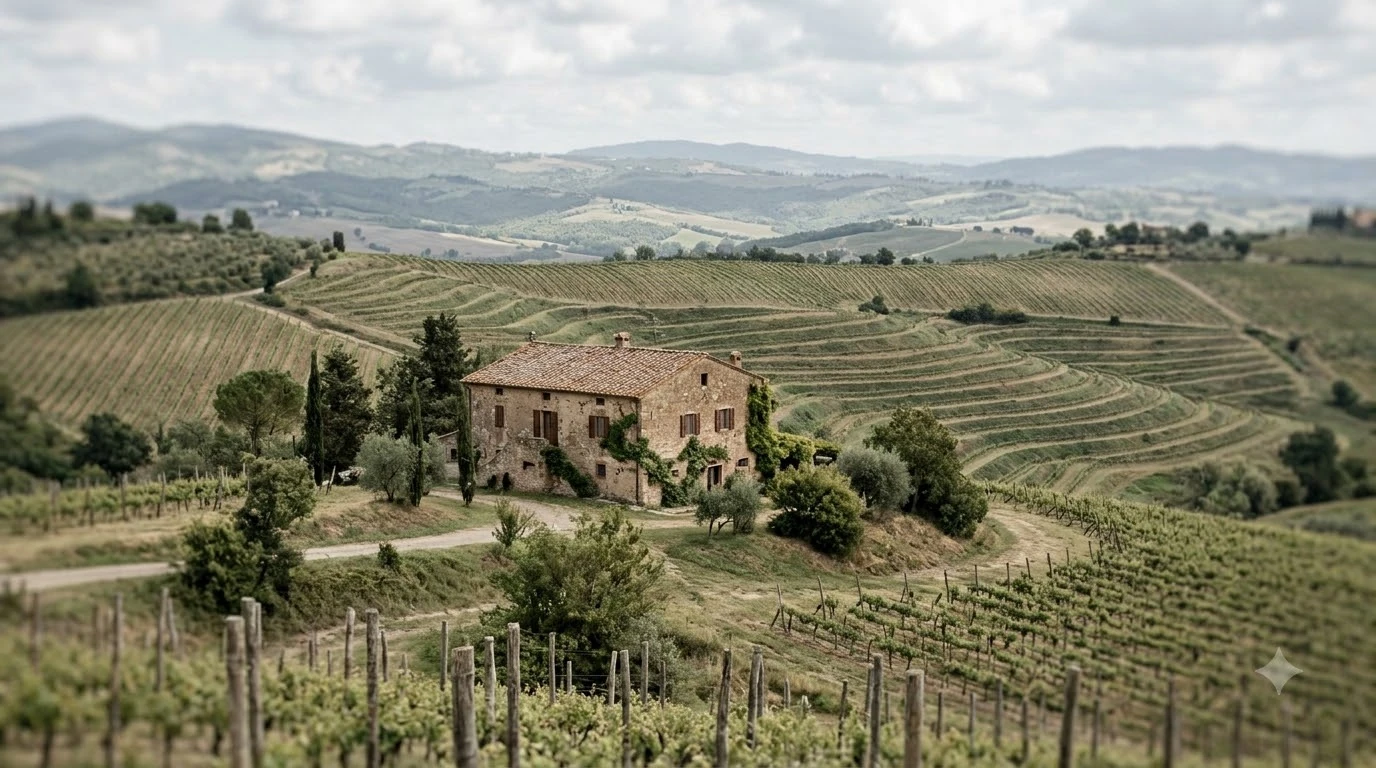
The Langhe sits in the southern reaches of Piedmont in northwestern Italy, bordered by the Tanaro River to the north and the Ligurian Apennines to the south. Its defining geography consists of rolling calcareous marl and sandstone hills blanketed in morning fog that burns off under bright afternoon sun.
According to Wine Folly’s guide to Piedmont wines, strong diurnal temperature swings fill the valleys with dense autumn mist, leaving the higher hilltop exposures bathed in sunlight. Because slow-ripening grapes need maximum warmth to reach full maturity, growers historically reserved the upper south- and southwest-facing slopes for Nebbiolo while planting earlier-ripening varieties on cooler lower sites.
In 1994, Italian authorities established the Langhe DOC as a versatile umbrella appellation covering dozens of communes across the hills. While Barolo and Barbaresco operate under strict DOCG rules requiring 100 percent Nebbiolo and extended wood aging, the Langhe DOC gives estates room to bottle declassified young-vine fruit, single-varietal whites, and creative red blends without sacrificing regional identity.
Sub-Regions and Appellation Structure
Rather than acting as a single uniform vineyard zone, the Langhe functions as an interconnected hierarchy of prestigious DOCG enclaves nested inside a broad regional DOC. Knowing where a bottle sits on that pyramid clarifies both its flavor structure and how long it needs in the cellar.
| Appellation | Classification | Primary Grapes | Minimum Aging & Style |
|---|---|---|---|
| Barolo | DOCG | 100% Nebbiolo | 38 months total (18 in wood); full-bodied, firm tannins, built for decades |
| Barbaresco | DOCG | 100% Nebbiolo | 26 months total (9 in wood); aromatic, floral, slightly softer structure |
| Langhe Nebbiolo | DOC | Minimum 85% Nebbiolo | No mandatory oak aging; bright red fruit, supple tannins, early drinking |
| Langhe Arneis | DOC | Minimum 85% Arneis | Crisp, unoaked white with pear, white peach, and subtle almond notes |
| Alta Langa | DOCG | Pinot Noir and Chardonnay | Traditional-method sparkling wine aged at least 30 months on lees |
Barolo occupies eleven communes southwest of Alba, where heavier clay-limestone soils in Serralunga d’Alba and Monforte d’Alba yield muscular reds, while the sandier marls of La Morra and Barolo produce more perfumed expressions. Northeast of Alba, Barbaresco spans four communes near the Tanaro River, benefiting from moderating river breezes that ripen Nebbiolo slightly earlier.
Surrounding and overlapping those famous zones is the broader Langhe DOC, alongside specialized appellations like Dogliani DOCG for Dolcetto and Alta Langa DOCG for high-elevation sparkling wines. Across the Tanaro River to the northwest lies Roero, a sandy-soiled neighbor often grouped with the Langhe in wine shops because it works with the exact same cast of Nebbiolo and Arneis grapes.
Key Grapes and Wine Styles
Nebbiolo commands the spotlight across the Langhe, yet the region’s hillsides sustain a diverse roster of native and international varieties. Together, they span delicate traditional-method sparkling wines, floral whites, juicy weeknight reds, and monumental cellar bottles.
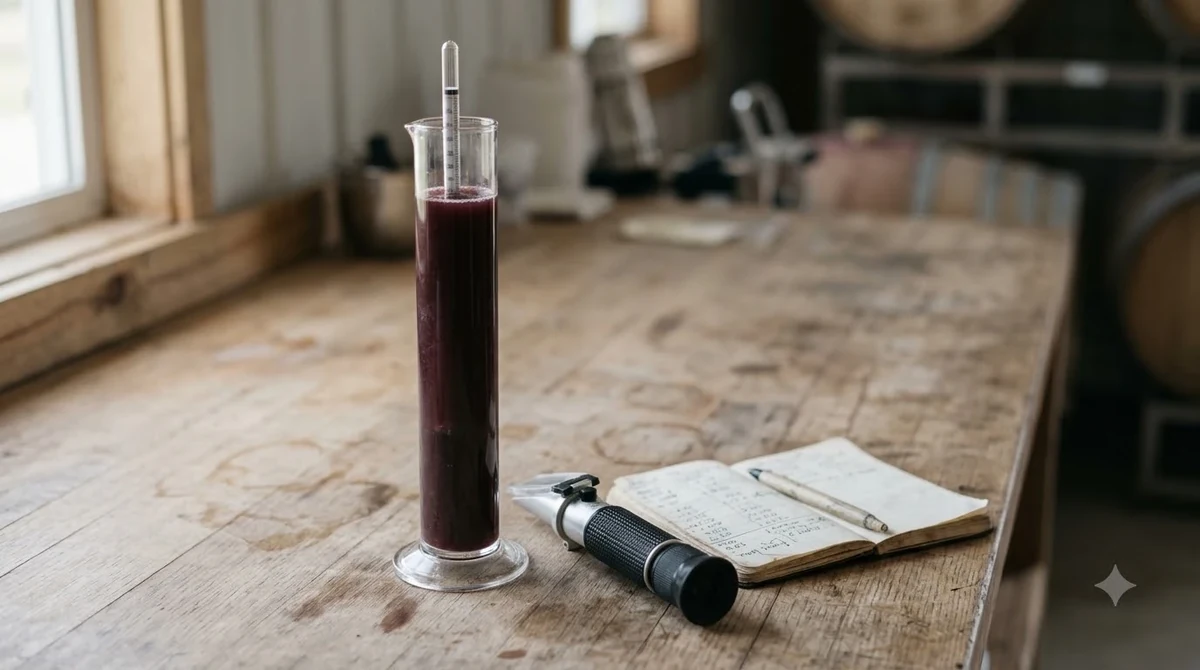
As VinePair notes in its Nebbiolo guide, the grape is famous for a deceptive contrast between its pale, translucent ruby color and its assertive grip of tannins and high acidity. In Langhe Nebbiolo DOC bottlings—which must contain at least 85 percent Nebbiolo—winemakers typically shorten skin maceration and age the wine in stainless steel or neutral casks, highlighting sour cherry, rose petal, and wild strawberry notes that drink smoothly within a few years of harvest.
Below the top ridges, Barbera and Dolcetto thrive in warmer, lower-elevation pockets. Langhe Dolcetto DOC (minimum 85 percent Dolcetto) delivers deep purple color, blackberry fruit, and a pleasant bitter-almond finish with low acidity, whereas Barbera offers vibrant red-berry brightness and minimal tannin. On the white wine side, Langhe Arneis DOC produces refreshing, medium-bodied pours scented with orchard fruit and white flowers, joined by structured barrel-fermented Langhe Chardonnay and aromatic Langhe Riesling.
Winemakers also bottle red blends under the Langhe Rosso designation, pairing native Nebbiolo or Barbera with international varieties like Cabernet Sauvignon, Merlot, or Syrah. Meanwhile, high-altitude vineyards in the southern hills supply Pinot Noir and Chardonnay for Alta Langa DOCG, a bone-dry traditional-method sparkling wine modeled after Champagne.
Notable Producers to Know
Because the Langhe encompasses both historic Barolo estates and multi-appellation family wineries, many of Piedmont’s benchmark producers bottle entry-level Langhe DOC wines alongside their flagship single-vineyard crus. Recognizing a handful of reliable names makes navigating retail shelves far simpler.
In the commune of Barolo, G.D. Vajra has earned wide acclaim from critics at Wine & Spirits and Wine Advocate for pairing classic single-vineyard Barolos like Bricco delle Viole with inventive Langhe DOC releases. The estate produces everything from skin-macerated Langhe Freisa and mineral-driven Langhe Riesling to Claré J.C., a lighter, chillable style of Langhe Nebbiolo inspired by 17th-century winemaking notes.
Other respected names frequently highlighted by reviewers at Wine Enthusiast and Wine Spectator include Giovanni Rosso, whose Serralunga d’Alba vineyards supply both structured Barolos and a bright, accessible Langhe DOC Nebbiolo, and Monchiero Fratelli, a family estate farming parcels across Barolo and Alba. Producers such as Pertinace, Bel Colle, and Cantina Clavesana also earn consistent praise for clean, varietally expressive Langhe Arneis, Langhe Chardonnay, and everyday Nebbiolo bottlings.
Visiting Tips for Wine Travelers
Planning a trip through the Langhe rewards travelers who treat the region as a network of small hilltop villages rather than a single resort town. Alba serves as the most convenient culinary and logistical base, sitting right along the Tanaro River within a 15-to-30-minute drive of Barbaresco, La Morra, Barolo, and Monforte d’Alba.
Unlike tasting rooms in Napa or Sonoma that welcome walk-in visitors all afternoon, nearly all Langhe wineries are small family operations where the winemaker or a family member personally hosts tastings. Appointments must be booked by email or phone at least several weeks in advance, especially during the busy autumn white truffle and harvest season in October and November.
Tip: Rent a compact car and map out no more than two or three winery appointments per day, leaving time for a slow lunch at a local osteria where village wine lists often feature rare back-vintage bottles.
Spring (April through June) and early autumn (September through October) offer the clearest views across the patchwork vineyards before late-fall fog settles permanently into the valleys. If you want to taste dozens of labels without driving between estates, stop by the Enoteca Regionale del Barolo inside Castello Falletti or the Enoteca Regionale del Barbaresco, housed in a deconsecrated church.
How to Buy and Serve Langhe Wines
Shopping smartly in the Langhe comes down to matching the appellation on the label to your timeline and dinner menu. If you want a wine to open tonight without decanting for hours, reach for Langhe Nebbiolo DOC, Langhe Dolcetto, or Langhe Arneis rather than a young Barolo.
Inspecting the vintage and alcohol level on the back label provides helpful clues about house style. Langhe Nebbiolo bottlings commonly sit around 13.5 to 14.5 percent ABV; warmer vintages yield riper cherry-compote fruit and rounder tannins, while cooler years emphasize crisp acidity, crushed cranberry, and dried rose aromas.
Serve Langhe reds slightly below room temperature at 60 to 65 degrees Fahrenheit in a wide-bowled Burgundy or Nebbiolo glass so the delicate floral aromatics can collect above the rim. Even approachable Langhe Nebbiolo benefits from 30 to 45 minutes in a decanter to soften its youthful tannic grip, whereas Langhe Arneis and Alta Langa sparkling wines shine chilled to 45 to 50 degrees Fahrenheit alongside mushroom risotto, tajarin pasta with butter and sage, or aged hard cheeses. Wine lovers who enjoy the savory, high-acid balance of Nebbiolo also tend to appreciate the expressive Mencía reds of Spain’s Bierzo wine region, while those drawn to richer southern Mediterranean warmth can explore Jumilla wine region Monastrell or coastal Italian whites from the Marche wine region.
Frequently Asked Questions
Is Langhe Nebbiolo the same grape as Barolo?
Yes, both wines are made from the Nebbiolo grape grown in the same Piedmontese hills. The difference lies in appellation rules: Barolo DOCG requires 100 percent Nebbiolo from eleven specific communes and at least 38 months of aging, whereas Langhe Nebbiolo DOC allows fruit from a wider zone, requires a minimum of 85 percent Nebbiolo, and has no mandatory oak aging so it can be enjoyed young.
What does Langhe wine taste like?
Red Langhe Nebbiolo typically smells of sour cherry, wild raspberry, dried rose petals, and subtle earth or licorice, backed by lively acidity and firm, food-friendly tannins. White Langhe Arneis offers crisp flavors of green pear, white peach, citrus blossom, and a clean, slightly nutty finish.
How long should you decant Langhe Nebbiolo?
Decanting a young Langhe Nebbiolo for 30 to 45 minutes allows air to open up its floral aromatics and smooth out its natural tannins. Older bottles or more structured barrel-aged selections from top Barolo producers can benefit from up to an hour of aeration before serving.
Does the Langhe wine region make white wine?
Yes, white wines are an important part of the region’s output under the Langhe DOC. Arneis is the flagship native white grape, prized for dry, aromatic bottles, while local producers also craft mineral-driven Chardonnay, Riesling, Nascetta, and traditional-method Alta Langa sparkling wines.
From cellar-worthy Barolo and Barbaresco crus to vibrant, everyday bottles of Langhe Nebbiolo and Arneis, this corner of southern Piedmont rewards curious wine drinkers at every level. Keeping a few Langhe DOC labels on hand makes it effortless to bring authentic northern Italian aromatics and food-friendly structure to the dinner table any night of the week.
More in Wine Regions
 Willcox Wine Trail: Discover Arizona’s High-Elevation Wine CountryUpdated Nov 20, 2026
 Yakima Valley Wine Region: Find the Best Styles to TryUpdated Nov 20, 2026
 Vosne Romanee Wine Tasting: Identify Aromas and Choose Better PairingsUpdated Nov 20, 2026
 Yakima Valley Wine Festival: Find the Best Seasonal Wine EventsUpdated Nov 20, 2026
 Wales Vineyards: Discover Cool-Climate Wines and Where to VisitUpdated Nov 20, 2026
 Yountville Wine Festival: Discover Napa Wines and Local FoodUpdated Nov 20, 2026