

We may earn a commission when you buy through links on this page, at no extra cost to you. Learn more.
Hermann wine country is a historic Missouri wine region along the Missouri River, where visitors can explore family-owned wineries, taste distinctive regional wines, and discover more than 180 years of German-American winemaking heritage. Its centerpiece is the Hermann Wine Trail, a scenic route connecting six participating wineries between Hermann and New Haven. The region combines historic underground wine cellars, traditional grape varieties such as Norton, countryside tasting rooms, and German-inspired food and cultural experiences.
Located in central Missouri, Hermann offers a different kind of American wine getaway. Rather than focusing exclusively on contemporary tasting rooms and familiar international grape varieties, the area connects its wine production to the immigrant communities that helped establish Missouri’s agricultural identity. Visitors can spend a weekend exploring historic wineries, sampling wines ranging from dry reds to sweet whites, enjoying local food, and walking through a town shaped by generations of German heritage. Understanding the region’s geography, wineries, and wine styles makes it easier to plan a rewarding visit.
Where Hermann Wine Country Is Located
Hermann wine country lies along the Missouri River in central Missouri, approximately 80 miles west of St. Louis. The historic town of Hermann is the region’s main visitor destination, while surrounding vineyards and wineries extend through the rolling countryside toward New Haven. The river valley, wooded hills, and agricultural landscapes give this part of Missouri a distinctive character.
The Hermann American Viticultural Area, or AVA, covers approximately 51,200 acres across several Missouri counties, according to the Missouri tourism information published by Visit Missouri. An AVA is a federally recognized grape-growing region defined by geographic and environmental characteristics. Its boundaries identify an area with shared growing conditions and a recognized wine identity rather than a single winery or town.
The Hermann Wine Trail is a practical way to explore the area’s wineries. Visit Missouri describes the route as approximately 20 miles long, connecting Hermann and New Haven along the Missouri River. The trail includes six participating wineries, with experiences ranging from traditional historic cellars to countryside vineyard settings.
Hermann’s river location is important to its identity. The surrounding hills and valleys create varied vineyard settings, while the Missouri River connects the town to a broader history of settlement, transportation, agriculture, and commerce. Visitors can combine winery visits with downtown sightseeing without treating the trip as a purely rural excursion.
The region also belongs to the larger Missouri wine industry, which includes other destinations with their own vineyard traditions. Travelers comparing American wine destinations can explore Wine Regions to understand how geography, climate, and local grape varieties influence the character of different wine-producing areas.
The German-American History Behind Missouri Wine
Hermann’s wine identity began with German immigration during the 19th century. German settlers established the town in 1837 and brought agricultural knowledge and winemaking traditions that helped turn the Missouri River valley into an important American wine-producing area.
The settlers encountered challenging agricultural conditions. Rocky ground and uneven terrain made some conventional farming activities difficult, but the landscape offered opportunities for grape growing. Local wild grapevines also encouraged early experimentation with varieties suited to the region. Over time, vineyards became an important part of Hermann’s economy and cultural identity.
One of the most influential names in the area’s history is Stone Hill Winery. Founded in 1847 by German immigrant Michael Poeschel, Stone Hill developed into a major American wine producer. According to the winery’s historical account, its underground arched cellars were mostly completed by 1869. These extensive cellars remain a major attraction for visitors interested in traditional wine storage and the history of American winemaking.
Stone Hill achieved international recognition during the late 19th century. Its Norton wine received top honors at the 1873 Vienna World’s Fair, demonstrating the commercial potential of American grape varieties. By 1900, the winery had become the second-largest winery in the United States, producing more than 1.25 million gallons annually.
Prohibition brought this prosperity to an abrupt end. Stone Hill closed in 1920, and the winery’s cellars were subsequently used to grow mushrooms. Adam Puchta Winery also experienced closure during Prohibition in 1919, although the family preserved some equipment and a small Norton vineyard.
The revival of Hermann’s wine industry began in earnest during the 1960s. Jim and Betty Held restored Stone Hill in 1965, making its first Norton since Prohibition. The winery became a National Historic District in 1969, helping preserve an important part of Missouri’s wine heritage.
This history remains visible throughout Hermann. Historic brick buildings, old winery structures, wine cellars, and German cultural attractions provide context for the wines visitors encounter today. The experience is especially rewarding for travelers who enjoy understanding how regional agriculture developed over generations.
Six Wineries to Explore Along the Hermann Wine Trail
The Hermann Wine Trail brings together six participating wineries, each offering a different perspective on the region. First-time visitors should consider choosing two or three stops rather than rushing through every tasting room in a single afternoon.
1. Stone Hill Winery
Stone Hill is an essential stop for visitors interested in Hermann’s historical significance. Founded in 1847, it is Missouri’s oldest winery and is known for its extensive underground cellars. The historic buildings and vineyard surroundings make the property particularly interesting for travelers who want more than a standard tasting-room experience.
Norton is one of the winery’s important regional wines. Visitors can also explore other Missouri-grown varieties and styles, including white and sweet wines. Guided cellar tours offer a closer look at the winery’s architectural history and the techniques that helped establish its reputation.
2. Adam Puchta Winery
Adam Puchta Winery traces its beginnings to 1855 and remains in the same family for seven generations. The winery is situated along Frene Creek, approximately 2.5 miles west of Hermann, on the original family homestead.
Its long history makes it a particularly interesting stop for visitors who want to understand how family farming and winemaking developed together in Missouri. The winery offers a range of wines and provides a connection to the Puchta family’s Bavarian origins and continued involvement in the local wine industry.
3. Hermannhof Winery
Hermannhof Winery has German heritage dating to 1852. Its historic stone-and-brick building originally operated as a brewery before becoming part of Hermann’s wine industry. The property combines architectural character with a wine selection that ranges from sweet to dry.
Visitors can enjoy the terrace and picnic areas while exploring the wines. Cheese and locally produced sausages provide additional opportunities to experience the region’s German-inspired food culture.
4. G. Husmann Wine Company
G. Husmann Wine Company is another participating Hermann Wine Trail winery. Its name connects visitors to the legacy of George Husmann, an important Missouri wine and viticulture pioneer. The region’s early development depended on people who understood grape cultivation and helped establish local winemaking knowledge.
Including this stop gives visitors a broader understanding of the area’s family-owned wine businesses and its connection to Missouri’s agricultural history. Confirm the available tasting experiences before planning the day’s route.
5. Reserve Cellars of Hermann
Reserve Cellars provides a particularly strong historical connection. Its two-story press house and wine cellar were built alongside an 1847 house and were associated with Charles Teubner’s historic farm. George Husmann also used the property, linking the site to one of Missouri’s influential wine pioneers.
The historic structure offers a different experience from a modern tasting room. Visitors interested in old wine-production buildings and the practical history of vineyard farming should consider including it in their itinerary.
6. Röbller Vineyard
Röbller Vineyard offers a vineyard-focused experience along the trail. The winery grows several French grape varieties and combines wine tasting with outdoor hospitality. Its patio and occasional live music provide a relaxed setting for enjoying the surrounding countryside.
The different personalities of these six wineries are part of the appeal of Hermann. One stop may emphasize historical cellars, another family heritage, and another vineyard scenery. For current membership information and event planning, the official Hermann Wine Trail visitor information is a useful resource.
Grapes and Wine Styles to Look For
Hermann’s wine selection reflects Missouri’s growing conditions and the region’s long agricultural history. Norton is particularly important, but visitors can also encounter hybrid grapes, traditional American varieties, French grapes, and familiar international styles. The result is a selection that can appeal to both adventurous wine drinkers and people who prefer approachable, fruit-forward wines.

Norton: A Signature Missouri Red
Norton deserves particular attention during a Hermann wine tasting. It is an American grape variety associated with Missouri’s wine heritage and has a long connection to Stone Hill. Its recognition at the 1873 Vienna World’s Fair helped establish the reputation of Missouri wine beyond the United States.
Norton generally produces deeply colored red wine with substantial structure and concentrated fruit character. Depending on the producer and winemaking approach, the wine may show dark berry, cherry, spice, or earthy notes. Its structure makes it a useful option alongside grilled meats, barbecue, and other substantial dishes.
Hybrid and American Grape Varieties
Missouri wineries work with grape varieties suited to the region’s growing conditions. Hybrid grapes are especially relevant because they can offer practical advantages in climates where winter temperatures, humidity, and disease pressure present challenges for some European grape varieties.
Visitors may encounter wines made from varieties such as Chambourcin, Vignoles, Vidal Blanc, and Norton, depending on the winery’s selection. These grapes can produce different wine styles, from structured reds to aromatic whites and sweeter dessert-friendly bottles.
American varieties such as Concord may also appear in the regional selection. These wines are often fruit-forward and can appeal to visitors who prefer a sweeter style. Rather than assuming that every Missouri wine is sweet, it is useful to sample several categories before deciding which producers and grapes suit your preferences.
Dry, Semi-Sweet, and Sweet Wines
Hermann is not limited to one sweetness level. Hermannhof, for example, produces wines ranging from sweet to dry. Other wineries offer their own combinations of red, white, and specialty wines.
Dry wines generally contain little residual sugar, while semi-sweet and sweet wines retain progressively more. A sweet white may emphasize ripe fruit and floral aromas, while a dry red may focus on structure, acidity, and darker fruit flavors. Sparkling and specialty wines can add further variety to a tasting.
For a balanced introduction, try a dry white, a semi-sweet white, a regional red, and a sweet wine. This sequence makes it easier to understand how grape variety and residual sugar influence the final wine.
Planning a Hermann Wine Country Weekend
A weekend is a comfortable amount of time for exploring Hermann’s wine trail, historic downtown, and surrounding countryside. Two days allow visitors to enjoy several wineries without rushing through tastings or missing the area’s cultural attractions.
For a first day, begin with Stone Hill Winery and its historic cellars. Allow time to explore the property, learn about the region’s wine history, and enjoy a meal nearby. Continue with one or two additional winery visits, depending on opening hours and the distance between stops.
The second day can focus on the family-owned wineries along the Hermann Wine Trail. Adam Puchta, Hermannhof, Reserve Cellars, and Röbller each provide different experiences. G. Husmann is another option for visitors interested in the broader local wine community.
Although the trail is approximately 20 miles long, it is better to allow time between appointments. Tastings, tours, food, photography, and conversations with winery staff can make even a short visit last longer than expected.
Choosing the Best Season
Hermann can be visited throughout the year. Spring offers fresh vineyard scenery and seasonal food events, while summer brings outdoor patios and opportunities to enjoy the surrounding countryside. Autumn is particularly appealing for visitors who enjoy harvest atmosphere, changing foliage, and the region’s German cultural celebrations.
Winter provides a quieter experience, with historic buildings, cellar visits, and indoor tastings offering alternatives to outdoor activities. Some winery facilities and restaurants operate with seasonal schedules, so visitors should confirm their plans before traveling.
Wine Trail Events
The Hermann Wine Trail organizes themed food-and-wine events throughout the year. These events provide a structured way to sample regional wines alongside dishes selected to complement them.
Popular themes include Chocolate Wine Trail in February, Farmers’ Table, Winetails & Tapas, Berries & BarBQ in summer, Holiday Fare in November, and Say Cheese in December. Exact event dates and participating winery arrangements can vary, making the official event calendar useful when choosing travel dates.
Practical Transportation and Scheduling
Visitors should plan transportation before beginning a day of winery visits. Designate a driver, arrange suitable transportation, or stay within walking distance of the activities planned for the day. The wineries are spread across the countryside, so walking between every tasting room is generally not practical.
Start with two or three winery visits on the first day and leave room for an additional stop if time permits. Check tasting availability, tour schedules, food service, and event requirements before setting out. This approach is more comfortable than attempting to visit all six wineries in a limited afternoon.
Tip: Plan your winery visits around geography rather than trying to complete every stop in alphabetical order. Choose two or three nearby destinations, reserve time for lunch, and arrange a safe ride before your first tasting.
Food Pairings and German-Inspired Dining
Food is an important part of the Hermann wine experience. German culinary traditions, regional barbecue, local cheeses, and familiar American dishes provide plenty of opportunities to match wine with food. The best pairing depends on sweetness, acidity, tannin, alcohol, and the weight of the dish.
For Norton and other structured red wines, consider grilled beef, smoked sausage, roasted pork, or barbecue. The protein and fat in these foods help soften tannin, while the savory flavors complement the darker fruit character of many red wines. A medium-bodied red can also work well with roasted mushrooms and herb-seasoned dishes.
Chambourcin and other approachable red wines can pair with grilled chicken, pork dishes, and tomato-based foods. When a dish contains noticeable acidity, choose a wine with comparable or greater acidity. This helps prevent the wine from seeming flat beside the food.
White wines offer useful alternatives for lighter meals. A crisp, high-acidity white can complement bratwurst, roasted chicken, salads, and dishes featuring mustard or vinegar-based sauces. Fuller white wines can work with creamy preparations, roasted vegetables, and richer poultry dishes.
Sweet wines are especially useful with desserts and spicy dishes, provided the sweetness is appropriate. A basic pairing principle is to choose a wine at least as sweet as the dessert. Otherwise, the wine may taste overly acidic or bitter after a sugary dish.
Suggested Pairings
| Wine style | Food pairing | Why it works |
|---|---|---|
| Norton red | Grilled beef or smoked sausage | Protein and fat soften tannin. |
| Dry white | Bratwurst and mustard | Acidity balances savory richness. |
| Chambourcin red | Roasted pork | Fruit complements savory flavors. |
| Semi-sweet white | Spicy barbecue | Sweetness helps balance chili heat. |
| Sweet white | Fruit tart or apple dessert | Matching sweetness keeps the wine balanced. |
| Full-bodied white | Creamy chicken dishes | Body complements the richer texture. |
Hermannhof’s picnic areas and terrace provide opportunities to combine wine with cheese and locally produced sausages. Stone Hill also has a restaurant serving German specialties and American favorites. These experiences help visitors appreciate how the region’s culinary heritage developed alongside its wineries.
For additional American wine travel ideas, comparisons with Pennsylvania wine country and Hill Country vineyards can help illustrate how different regions build their identities around local agriculture, cuisine, and hospitality.
How to Taste and Enjoy Hermann Wines
A little preparation can make winery visits more rewarding. Visitors do not need extensive wine knowledge to appreciate the regional selection, but understanding basic tasting techniques helps identify differences between grape varieties and winemaking styles.
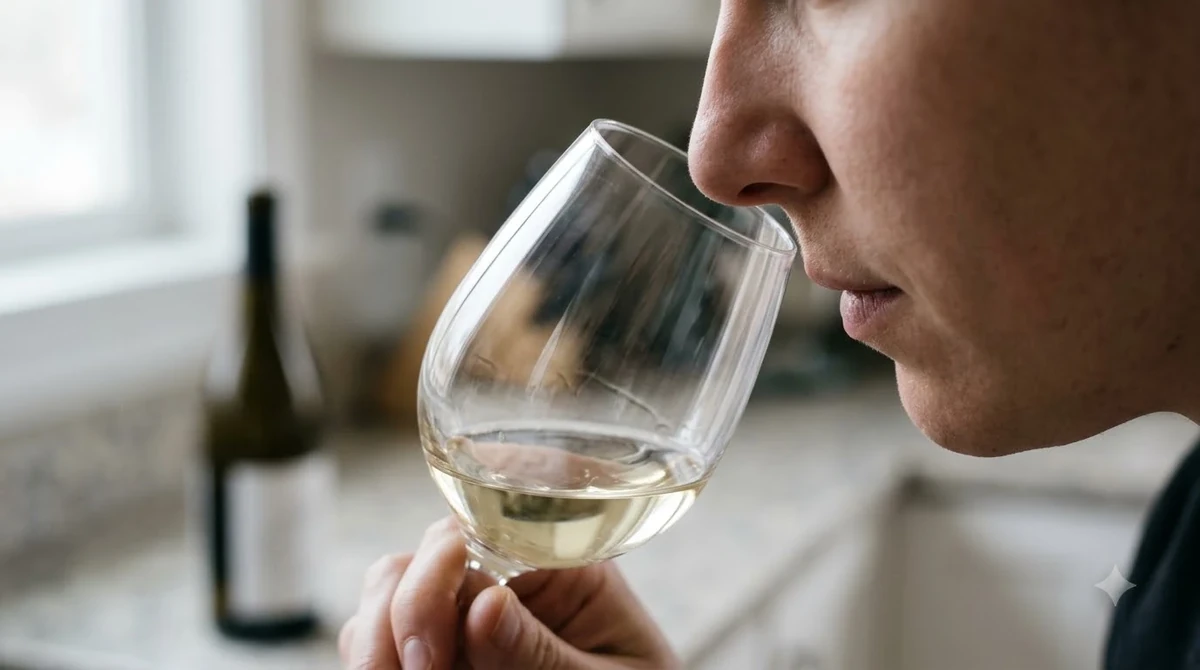
Begin by observing the wine’s color and clarity. Swirl the glass gently to release aromas, then smell the wine before taking a small sip. Consider whether the dominant impressions are fruity, floral, earthy, spicy, or herbal. Notice whether the wine feels light or full-bodied and whether its acidity, tannin, and sweetness are balanced.
When comparing several wines, pay attention to the difference between dry and sweet styles. A dry Norton and a sweet white made from an American or hybrid grape can provide very different experiences, even when both come from the same wine region.
Serving Temperatures
Serving temperature has a noticeable influence on aroma, acidity, alcohol perception, and texture. White wines served too warm may seem heavy, while reds served too cold can appear overly firm or muted.
| Wine category | Recommended temperature |
|---|---|
| Sparkling wine | 40–50°F |
| Light white wine | 45–50°F |
| Rosé | 45–50°F |
| Full-bodied white wine | 50–55°F |
| Light-bodied red wine | 55–60°F |
| Full-bodied red wine | 60–65°F |
| Sweet white wine | 43–50°F |
These ranges provide a practical starting point for enjoying the wines purchased during a Hermann visit. A refrigerator can cool a white wine before serving, while a full-bodied red may benefit from a short period outside the refrigerator if it has been stored too cold.
Pouring, Opening, and Storing Wine
A standard wine serving is approximately 5 ounces. A 750-milliliter bottle contains about five standard glasses, making it a useful measurement when planning a dinner or tasting at home.
Young, full-bodied red wines can benefit from 30 to 60 minutes of decanting. Exposure to air can soften the initial impression and allow aromas to become more expressive. Not every red requires decanting, particularly lighter-bodied wines intended for immediate enjoyment.
For storage, keep unopened bottles on their sides when they have natural cork closures, in a relatively stable environment near 55°F. Avoid excessive temperature changes, direct sunlight, and unnecessary vibration.
After opening, refrigerate still wines and use them within approximately three to five days for the best quality. Sparkling wines generally retain their character for one to three days with an appropriate stopper. Fortified wines can last several weeks, while bag-in-box wines commonly remain enjoyable for four to six weeks after opening.
These practical details make it easier to bring home a selection of Hermann wines and enjoy them after the trip. A combination of Norton, a regional white, and a sweeter specialty wine can provide a useful introduction to the area’s diversity.
Frequently Asked Questions
Is Hermann an official American Viticultural Area?
Yes. Hermann is a federally recognized American Viticultural Area, and its designation dates to 1983. The AVA recognizes the area’s geographic identity as a distinct grape-growing region rather than simply identifying the town as a tourism destination.
What is the oldest winery in Hermann?
Stone Hill Winery dates to 1847 and is recognized as Missouri’s oldest winery. Its founder, Michael Poeschel, began commercial wine production in Hermann before the area’s industry reached its late-19th-century peak.
Can visitors travel to Hermann by train?
Yes. Amtrak’s Missouri River Runner serves Hermann, connecting the community with destinations including St. Louis and Kansas City. The Hermann station is located near the historic downtown area, although visitors should arrange local transportation for winery properties outside town.
What is Missouri’s official state grape?
Norton is Missouri’s official state grape. The designation recognizes the variety’s importance to the state’s winemaking history and its longstanding association with Missouri wineries, including Stone Hill.
Is Hermann suitable for visitors who do not drink wine?
Yes. Hermann offers attractions beyond winery tastings, including Deutschheim State Historic Site, historic downtown architecture, museums, antique shopping, and seasonal festivals. Visitors can also explore local restaurants and the surrounding Missouri River landscape without making wine tasting the main purpose of their trip.
Hermann wine country combines historic American winemaking, German-American culture, distinctive regional grapes, and a welcoming collection of family-owned wineries. Whether you are interested in tasting Norton, exploring Stone Hill’s underground cellars, or spending a relaxed weekend along the Hermann Wine Trail, the region offers an engaging introduction to Missouri wine. Start with two or three wineries, leave time for local food and historic attractions, and use the official trail calendar to plan your next visit.
More in Wine Regions
 Willcox Wine Trail: Discover Arizona’s High-Elevation Wine CountryUpdated Nov 20, 2026
 Yakima Valley Wine Region: Find the Best Styles to TryUpdated Nov 20, 2026
 Vosne Romanee Wine Tasting: Identify Aromas and Choose Better PairingsUpdated Nov 20, 2026
 Yakima Valley Wine Festival: Find the Best Seasonal Wine EventsUpdated Nov 20, 2026
 Wales Vineyards: Discover Cool-Climate Wines and Where to VisitUpdated Nov 20, 2026
 Yountville Wine Festival: Discover Napa Wines and Local FoodUpdated Nov 20, 2026