

We may earn a commission when you buy through links on this page, at no extra cost to you. Learn more.
Low sugar white wine is a white wine with little or no residual sugar left after fermentation, so it tastes dry, crisp, and lighter than sweeter whites. Winemakers get there by letting yeast consume most of the grape sugar, which turns it into alcohol. How much sugar remains is the main reason one white wine tastes sweet and another tastes sharp and clean, even when the grape is the same.
If you are shopping for a white wine and want something that does not taste like fruit juice, the word “low sugar” on a label or a menu is a useful starting point. This guide explains what residual sugar is, how dry white wines differ from off-dry and sweet ones, which grapes usually make the driest styles, and how to serve and pair them so the flavor comes through.
What residual sugar means in white wine
Residual sugar is the natural grape sugar that stays in the wine after fermentation ends. Yeast turns sugar into alcohol and carbon dioxide, so a winemaker who lets fermentation run to completion ends up with a wine that has very little sugar left. VinePair describes it this way: when a winemaker leaves a little sugar behind, that sugar is called residual sugar, and the wine tastes a touch sweet.
Sugar is not the only thing that shapes sweetness on the palate. Ripe fruit flavors such as peach or pineapple can read as sweet even in a wine that is technically dry, and acidity works against the sensation of sweetness. That is why two white wines with similar sugar levels can taste very different. For a low sugar white wine, the goal is usually a clean finish where the fruit is present but the wine does not coat the mouth with sugary texture.
Dry, off-dry, and sweet: where low sugar fits
Wine terms for sweetness are informal, and producers do not always use them the same way. In general, a dry wine has no noticeable sweetness. An off-dry or semi-dry wine has a small amount of residual sugar that shows up as a soft roundness. A sweet wine has enough sugar to be obvious on first taste, and dessert wines sit at the far end of that range.
VinePair’s dry wine guide notes that many American wine drinkers actually prefer a little sweetness and do not always enjoy truly dry wines. Because of that, some bottles that sell as “dry” still carry a hint of sugar, while others are built to be as dry as the grape allows. If you want the lowest sugar level, look for wording like “dry” or “brut” on sparkling wine, and check the producer’s tasting notes for words such as “crisp,” “bone dry,” or “lean.”
A practical way to think about it: low sugar white wine sits at the dry end of the scale, and the flavor comes from fruit, acidity, minerals, and the grape’s own character rather than from sugar.
Grapes that often make low sugar white wine
Several white grapes regularly produce dry, low sugar wines. Sauvignon Blanc is one of the most common, with a sharp acidity and herbal or citrus notes that make the wine taste fresh even when it is fully dry. Pinot Grigio, especially the style from northern Italy, tends toward a light body and a clean, stony finish. Unoaked Chardonnay from cool regions can also be very dry, with green apple and citrus instead of tropical fruit and vanilla.
Some grapes that are often sweet can still be made dry. Riesling, for example, ranges from bone dry to lusciously sweet depending on the producer and the region, so the label or the producer’s notes matter more than the grape name. Always check whether the wine is described as dry before you assume it.
How to serve low sugar white wine
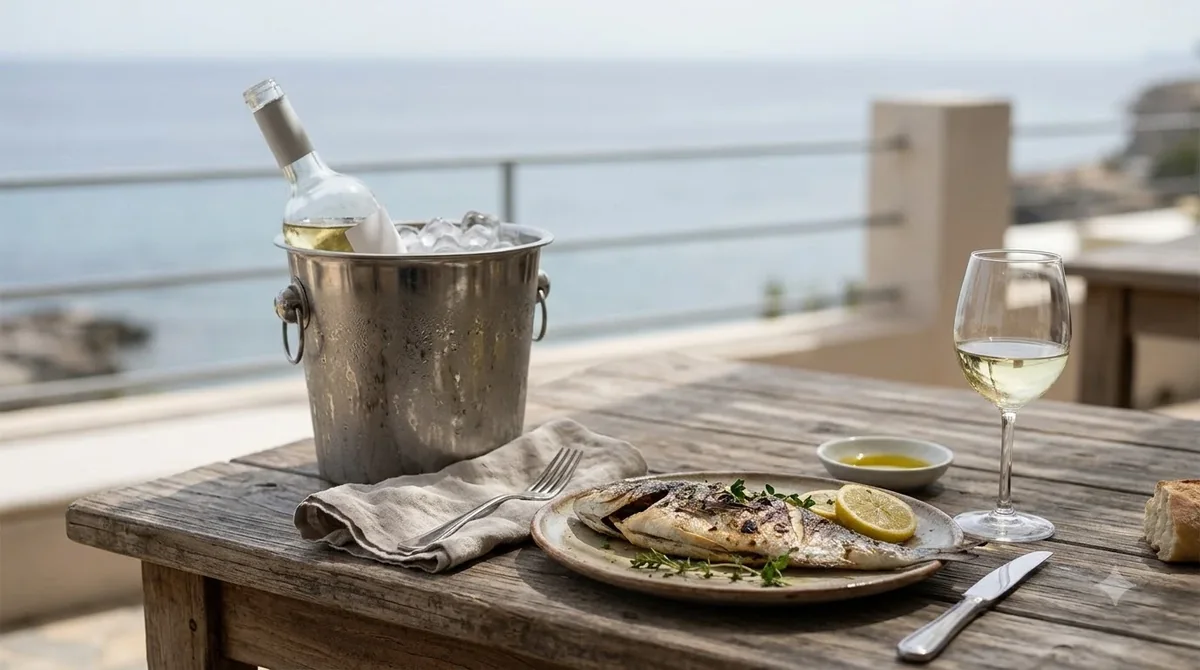
Serving temperature changes how dry a white wine tastes. Very cold wine tends to hide flavor and can make acidity feel harsher, while wine that is too warm can seem flabby and sweeter than it is. Most dry white wines show best when chilled but not ice cold. A glass with a tapered bowl helps concentrate aromas without making the wine feel heavy.
Low sugar whites also differ in how much they benefit from time in the glass. Lighter styles from Pinot Grigio or Sauvignon Blanc are usually best within a day or two of opening, while fuller dry Chardonnay can hold up a little longer. Re-cork the bottle, store it in the refrigerator, and let it come back up slightly before pouring.
| Style | Typical grape examples | What you taste | Good everyday use |
|---|---|---|---|
| Bone dry, crisp | Sauvignon Blanc, Pinot Grigio | Citrus, green herbs, high acidity | Seafood, salads, warm afternoons |
| Dry, medium body | Unoaked Chardonnay | Green apple, pear, light mineral finish | Roast chicken, creamy pasta |
| Off-dry | Some Riesling, Gewurztraminer | Soft fruit with a gentle sweet edge | Spicy takeout, pork dishes |
| Sweet | Moscato, late-harvest styles | Peach, nectarine, honey, light fizz | Dessert, fruit, aperitif |
Tip: If a label does not say whether a white wine is dry, check the producer’s website or a retailer’s tasting notes. Words such as “dry,” “crisp,” or “bone dry” are a better guide than the grape name alone.
Food pairing for low sugar white wine
Dry white wines are usually easier to match with food than sweet ones because they do not compete with savory flavors. Sauvignon Blanc works well with goat cheese, shellfish, and herb-heavy vegetable dishes, where its acidity lifts the flavors. Dry Chardonnay suits roast chicken, pork loin, and creamy sauces, since its body can stand up to richness.
Sweeter styles behave differently. VinePair’s guide to Moscato points out that a touch of sweetness can balance spice, and it compares that approach to Riesling with spicy dishes. For a dry low sugar wine, the same principle works in reverse: choose foods with acidity, salt, or herbs so the wine stays lively instead of tasting thin next to a rich plate.
How to choose a low sugar white wine
Start with the grape and the region. A Sauvignon Blanc from a cool climate is often sharper and drier than one from a warm, ripe vintage. Next, read the back label or the producer site for words like “dry,” “crisp,” or “lean.” Some producers list residual sugar on technical sheets, which is the most direct measure if you can find it. Finally, consider how you plan to drink the wine. For a dinner table, pick a dry style with good acidity. For a casual glass on its own, a dry wine with a little fruit can be more enjoyable than a very austere one.
If you are comparing options, it helps to know how the sweeter cousins of these wines taste. A guide such as sweet chardonnay shows what extra sugar does to the same grape, which makes the difference between styles easier to spot on a shelf.
Frequently Asked Questions
What does low sugar white wine taste like?
It usually tastes crisp and fresh, with the fruit and acidity doing most of the work. Depending on the grape, you may notice citrus, green apple, or herbal notes rather than honey or peach.
Is dry white wine the same as low sugar white wine?
In most cases, yes. A dry wine has no noticeable residual sugar, so a dry white wine is the lowest sugar style you can find. Off-dry wines have a small amount left and taste slightly sweet.
Which white wine has the least sugar?
Sauvignon Blanc and Pinot Grigio are common choices for very dry styles, along with many unoaked Chardonnays. Check the producer’s notes, because the same grape can be made dry or sweet.
Should I chill a low sugar white wine?
Yes, but not ice cold. A cool serving temperature lets the aromas come through and keeps the acidity balanced.
Low sugar white wine is easy to find once you know what to look for. Start with a dry Sauvignon Blanc or unoaked Chardonnay, pay attention to the label language, and serve it chilled. For more background on how styles differ, the Wine Buying Guides section covers the basics of label reading, and dry pinot grigio is a good next step if you want a light, clean white for everyday meals.
More in Wine Buying Guides
 Riesling Gift: Choose a Bottle They’ll LoveUpdated Nov 21, 2026
 Sweet Red Wine Gift: Choose a Bottle They’ll LoveUpdated Nov 21, 2026
 Malbec Gift: How to Choose a Memorable Bottle for Any OccasionUpdated Nov 21, 2026
 Sherry Gift Ideas That Match Every Wine LoverUpdated Nov 21, 2026
 Moscato Gift: How to Choose a Sweet Wine They’ll LoveUpdated Nov 21, 2026
 Merlot Gift: How to Choose a Bottle They’ll AppreciateUpdated Nov 21, 2026