

We may earn a commission when you buy through links on this page, at no extra cost to you. Learn more.
Kenwood red wine is a Sonoma County, California wine collection featuring Cabernet Sauvignon, Merlot, Pinot Noir, Syrah, and Zinfandel, with styles ranging from structured, full-bodied reds to softer, fruit-forward bottles. Produced by Kenwood Vineyards, these wines reflect different Sonoma growing regions and grape varieties. The best bottle depends on whether you prefer firm tannins, ripe dark fruit, lighter red-fruit flavors, or a more approachable everyday red.
Kenwood has a long history in Sonoma Valley and a portfolio that gives red wine drinkers several distinct styles to explore. Its wines include regional selections, vineyard-designated bottlings, and collections that emphasize individual growing areas. Understanding the differences between the grapes, vineyard origins, and wine series makes it easier to choose a bottle for dinner, entertaining, or a relaxed evening at home.
What Is Kenwood Red Wine Known For?
Kenwood red wine is known for its Sonoma County origins, variety-driven selection, and small-lot winemaking approach. Rather than producing only one signature red, Kenwood offers several grape varieties and vineyard expressions that show different sides of California wine country.
Kenwood Vineyards was established in 1970 in Sonoma Valley, California, at the former Pagani Brothers Winery. The historic cellar dates to 1906, giving the property a connection to the area’s earlier winemaking history. The winery’s location places it within a region recognized for producing Cabernet Sauvignon, Zinfandel, Pinot Noir, and other well-established California varieties.
One of the defining characteristics of Kenwood’s production philosophy is its small-lot approach. According to the Sonoma Valley Vintners & Growers, individual vineyard lots are kept separate throughout the winemaking process. This allows the winemaking team to evaluate grapes from different sites before deciding how to assemble the finished wines.
That approach matters because Sonoma County is not a single, uniform growing environment. Coastal influences, mountain elevations, valley temperatures, and soil differences can all affect grape development. Cabernet Sauvignon from Sonoma Mountain, for example, can have a different expression from Cabernet grown in Alexander Valley.
Kenwood’s portfolio has included several collections, such as Sonoma Series, Six Ridges, Reserve, Jack London Vineyard, and Artist Series. Each offers a different way to explore the region, although availability and specific bottlings can vary.
The winery’s vineyard sourcing includes several recognized Sonoma growing areas:
- Sonoma Valley: A historic wine-growing area with a broad range of red grape varieties.
- Sonoma Mountain: An elevated growing area associated with Kenwood’s Jack London Vineyard wines.
- Alexander Valley: A major source of Sonoma Cabernet Sauvignon and other ripe, structured reds.
- Russian River Valley: Particularly relevant for Pinot Noir, with a cooler climate influence.
- Dry Creek Valley: An established Sonoma area associated with expressive Zinfandel.
For drinkers who enjoy exploring different producers, Kenwood also provides a useful reference point when comparing regional styles across the wider Wine Brands category.
Overall, Kenwood’s identity is closely tied to Sonoma County. Its appeal comes from the range of grape varieties and vineyard expressions rather than a single flavor profile shared by every bottle.
Which Red Wine Varieties Does Kenwood Produce?
Kenwood’s red wine selection includes five important varieties: Cabernet Sauvignon, Merlot, Pinot Noir, Syrah, and Zinfandel. Each grape has its own structure, fruit character, and food-pairing strengths, so choosing the variety is the easiest way to narrow down the selection.
The Sonoma Valley Vintners & Growers lists all five varieties in Kenwood’s red wine portfolio. Here is how they generally differ.
Cabernet Sauvignon
Cabernet Sauvignon is a strong choice for drinkers who enjoy full-bodied red wine with noticeable tannins. Typical flavors include blackcurrant, blackberry, black cherry, cedar, and sometimes cocoa or baking spice from oak aging.
Cabernet has naturally substantial tannin, which creates a drying sensation along the gums and cheeks. This structure makes it particularly suitable for grilled beef, lamb, and other rich dishes.
Kenwood’s Cabernet selection includes regional and vineyard-specific bottlings. The Jack London Vineyard Cabernet Sauvignon is one of its recognizable expressions, while Six Ridges has included an Alexander Valley Cabernet.
Merlot
Merlot generally offers a softer alternative to Cabernet Sauvignon. It has medium tannins and can display plum, black cherry, raspberry, and chocolate-like flavors.
Its smoother structure makes Merlot suitable for people who enjoy red wine but find heavily tannic Cabernet Sauvignon too firm. It works particularly well with roast chicken, pork, mushroom dishes, and moderately rich beef recipes.
Merlot is not necessarily sweet. Most traditional dry Merlot has little residual sugar, even when ripe fruit aromas make it seem round or soft.
Pinot Noir
Pinot Noir is usually lighter in body than Cabernet Sauvignon and Syrah. It generally has low-to-medium tannins and relatively high acidity, with flavors that can include red cherry, cranberry, raspberry, strawberry, and earthy notes.
Kenwood’s Sonoma and Russian River Valley Pinot Noir selections offer options for drinkers who prefer a more delicate red wine. Pinot Noir is particularly useful at the dinner table because its acidity and moderate structure work with a wide range of foods.
Syrah
Syrah typically produces a medium-to-full-bodied wine with medium-plus to high tannins. Common flavors include blackberry, blueberry, black pepper, smoked meat, and dark spices.
It is a good choice for people who enjoy concentrated fruit alongside savory character. Syrah pairs particularly well with grilled lamb, barbecued beef, roasted mushrooms, and dishes containing black pepper or herbs.
Zinfandel
Zinfandel is often associated with ripe blackberry, raspberry jam, black pepper, and baking spice. Depending on the vineyard and winemaking approach, it can be fruit-forward, earthy, or relatively powerful.
Sonoma County is an important Zinfandel region. Sonoma Valley examples can show complexity and earthy character, while Dry Creek Valley wines are frequently associated with juicy blackberry fruit and firmer tannins.
For a straightforward comparison, the following table summarizes the typical characteristics of these five varieties.
| Grape variety | Body | Tannin | Typical flavors | Food pairing |
|---|---|---|---|---|
| Cabernet Sauvignon | Full | High | Blackcurrant, blackberry, cedar | Grilled steak |
| Merlot | Medium to full | Medium | Plum, cherry, chocolate | Roast chicken |
| Pinot Noir | Light to medium | Low to medium | Cherry, cranberry, earth | Roast salmon |
| Syrah | Medium to full | Medium-plus to high | Blackberry, pepper, smoke | Grilled lamb |
| Zinfandel | Medium to full | Medium to high | Blackberry, raspberry, spice | Barbecue ribs |
These are general grape characteristics, not guaranteed tasting notes for every Kenwood bottle. Vintage conditions, vineyard location, ripeness, fermentation, and oak treatment can all influence the finished wine.
How Sonoma Vineyards Shape Kenwood’s Red Wines
Sonoma County’s different growing areas help explain why Kenwood’s reds can taste noticeably different even when they share the same grape variety. Sonoma Mountain, Alexander Valley, Russian River Valley, and Dry Creek Valley each contribute different growing conditions.
Sonoma County stretches across a diverse landscape of coastal areas, inland valleys, and elevated vineyards. Temperature differences between these areas affect how quickly grapes ripen, how much acidity they retain, and how concentrated their flavors become.
Sonoma Mountain
Sonoma Mountain is an important origin for Kenwood’s Jack London Vineyard Cabernet Sauvignon. Mountain vineyards can experience cooler conditions and differences in sunlight exposure compared with warmer valley-floor sites.
Kenwood’s 2021 Jack London Vineyard Cabernet Sauvignon provides a specific example. Wine Enthusiast awarded the wine 91 points and listed its alcohol content at 14.5% ABV. Its review described roasted plum, dark berries, cinnamon, black cherry, licorice, toasted hazelnuts, spearmint, and cocoa.
These notes suggest a concentrated Cabernet with substantial fruit and a developed flavor profile. The combination of dark fruit, spice, and tannin makes this style particularly suitable for rich meals. The Wine Enthusiast review of the 2021 Jack London Vineyard Cabernet Sauvignon provides a useful example of the wine’s specific characteristics and regional origin.
Alexander Valley
Alexander Valley is another significant source of Sonoma Cabernet Sauvignon. It is also associated with ripe, generous fruit in some Zinfandel wines.
Kenwood’s Six Ridges 2021 Cabernet Sauvignon comes from Alexander Valley. Wine Enthusiast rated it 90 points and listed its alcohol level at 15.1% ABV. The review described black cherry, blackberry, black plum, graphite, cocoa, and violet, with bright acidity and velvety tannins.
The difference between the two Cabernet examples illustrates why vineyard origin matters. Both are Cabernet Sauvignon, but the specific growing site and winemaking choices contribute to their individual expressions.
Russian River Valley
Russian River Valley is particularly relevant to Pinot Noir. Its cooler conditions can help preserve acidity and support the development of delicate red-fruit aromas.
Pinot Noir from this area is often a useful choice for people who prefer wines with freshness rather than heavy tannins. It can complement poultry, mushrooms, salmon, and dishes containing herbs or earthy vegetables.
Dry Creek Valley and Sonoma Valley
Dry Creek Valley has a strong association with Zinfandel. Sonoma County’s regional wine information describes its Zinfandel as often showing juicy blackberry fruit and firm tannins.
Sonoma Valley Zinfandel can lean toward complexity and earthy flavors. The areas around Glen Ellen and Kenwood are part of the region’s historic Zinfandel-growing landscape.
These regional differences are useful when comparing bottles. A drinker who likes ripe, powerful fruit might prefer a Zinfandel from a warmer site, while someone looking for fresher red fruit may find Pinot Noir from Russian River Valley more appealing.
Kenwood’s small-lot approach is relevant here because separating vineyard lots gives the winemaker greater flexibility when deciding how to express each growing area.
What Does Kenwood Red Wine Taste Like?
Kenwood red wine does not have one universal flavor profile. Cabernet Sauvignon generally emphasizes dark fruit and firm tannins, while Pinot Noir is lighter and more acidic, and Zinfandel often offers ripe berry flavors with peppery spice.
When evaluating a bottle, consider four main characteristics: fruit intensity, acidity, tannin, and oak influence. These elements help explain why two red wines from the same producer can feel completely different in the glass.
Fruit character
Dark-fruited reds such as Cabernet Sauvignon and Syrah commonly show blackberry, black cherry, plum, and blackcurrant. These flavors can create a rich impression, especially in wines with higher alcohol levels and fuller body.
Merlot may offer plum and red cherry, while Pinot Noir commonly emphasizes cranberry, strawberry, raspberry, and cherry. Zinfandel can combine red and black fruit, sometimes with a jammy or spicy character.
Tannin and mouthfeel
Tannin is one of the most important differences between Kenwood’s red wine varieties. Cabernet Sauvignon has high tannin, Syrah usually has medium-plus to high tannin, and Merlot generally has softer, medium tannin.
Pinot Noir usually has lower tannin than Cabernet Sauvignon, making it feel less drying. This does not mean Pinot Noir lacks structure. Its acidity can provide freshness and definition even when the tannin level is relatively low.
Acidity and balance
Acidity gives wine freshness and helps balance ripe fruit. Pinot Noir generally has relatively high acidity, while Cabernet Sauvignon and Merlot tend to have moderate acidity depending on their origin and vintage.
A wine with good acidity can feel refreshing alongside food. This is especially useful with tomato-based recipes, roasted vegetables, and dishes containing vinegar or citrus, provided the wine has enough acidity to stand alongside the food.
Oak influence
Oak aging can contribute aromas and flavors such as vanilla, toast, baking spice, cedar, and cocoa. It can also influence the texture of a wine as it develops.
However, oak character varies between bottlings. A Cabernet Sauvignon with pronounced vanilla and toasted notes may taste quite different from a fruit-focused Pinot Noir that emphasizes cherry and earthy characteristics.
The Wine Enthusiast review of Kenwood’s 2021 Jack London Cabernet is a useful example of how several elements can appear together. Its combination of dark fruit, cinnamon, licorice, and cocoa illustrates the complexity that can develop in a structured Sonoma Cabernet.
For another perspective on California wine styles, comparing Kenwood’s regional reds with baron philippe de rothschild wine can help clarify how grape selection, regional origin, and production choices influence the finished bottle.
Best Food Pairings for Kenwood Red Wine
The best food pairing for Kenwood red wine depends primarily on the grape variety and its tannin and acidity levels. Cabernet Sauvignon works especially well with beef, Merlot suits moderately rich dishes, and Pinot Noir is a versatile option for poultry, mushrooms, and salmon.
A useful starting point is to match the intensity of the food with the intensity of the wine. A full-bodied Cabernet can overwhelm a delicate vegetable dish, while a lighter Pinot Noir may disappear beside heavily seasoned barbecue.
Cabernet Sauvignon with beef and lamb
Cabernet Sauvignon’s firm tannins work well with protein-rich, fatty foods. Salt and fat can soften the perception of tannin, making a structured Cabernet feel smoother when served with a grilled steak.
Good choices include:
- Grilled ribeye with rosemary and garlic.
- Roast beef with a black pepper crust.
- Grilled lamb chops with herbs.
- Beef short ribs cooked slowly in a savory sauce.
- Hard cheeses with concentrated, savory flavors.
For the best balance, avoid serving a heavily tannic Cabernet with extremely delicate fish or lightly seasoned vegetables. Its structure is better suited to richer ingredients.
Merlot with poultry and pasta
Merlot’s softer tannins make it a flexible dinner wine. It can accompany roast chicken, pork tenderloin, mushroom pasta, and tomato-based dishes.
Try it with chicken roasted with thyme, garlic, and butter. The wine’s plum and cherry character can complement the savory flavors without dominating the meal.
Merlot also works with pasta containing tomato sauce, ground meat, or roasted vegetables. The key is to avoid excessive chili heat, which can make alcohol and tannin feel more pronounced.
Pinot Noir with salmon and mushrooms
Pinot Noir is a particularly useful choice for meals that are too delicate for Cabernet Sauvignon. Its relatively high acidity and lower tannin allow it to work with several fish and poultry dishes.
Consider these pairings:
- Roasted salmon with herbs.
- Roast chicken with mushrooms.
- Mushroom risotto.
- Duck breast with cherry sauce.
- Grilled vegetables with thyme.
One important distinction is that oily fish can clash with tannic red wines. Pinot Noir is generally a better starting point than a heavily structured Cabernet for salmon and similar fish dishes.
Syrah with barbecue and grilled foods
Syrah’s dark fruit and peppery character make it a natural match for grilled and roasted foods. Try it with lamb kebabs, barbecued beef, smoked mushrooms, or grilled sausages.
Herbs such as rosemary, thyme, and sage can also complement Syrah’s savory qualities. For spicy barbecue, keep the chili moderate because alcohol and tannin can amplify the perception of heat.
Zinfandel with barbecue and tomato-based dishes
Zinfandel’s ripe berry flavors work particularly well with smoky barbecue sauces, grilled pork, and tomato-based recipes. It can also complement burgers, sausages, and moderately spicy grilled foods.
However, a sweet barbecue sauce can make a dry Zinfandel taste more acidic or less fruity. A useful principle is to match the sweetness of the sauce with a wine that has comparable fruit intensity and, where necessary, some residual sweetness.
Tip: Match the wine to the dominant ingredient rather than every seasoning in the dish. A Cabernet Sauvignon with grilled steak is a dependable combination, while Pinot Noir with mushroom risotto is a better choice for a lighter, earthier meal. If the recipe contains substantial chili, choose a lower-alcohol, softer red rather than a powerful, tannic bottle.
How to Serve and Store Kenwood Red Wine
Most Kenwood red wines are best served slightly cooler than typical room temperature. A temperature of 60–65°F works well for full-bodied reds such as Cabernet Sauvignon and Syrah, while lighter Pinot Noir is generally more enjoyable at 55–60°F.
Serving temperature has a noticeable effect on how a wine smells and feels. Excessive warmth can make alcohol seem more prominent, while excessive cold can suppress aromas and make tannins feel harder.
Recommended serving temperatures
- Cabernet Sauvignon: 60–65°F.
- Syrah: 60–65°F.
- Zinfandel: 60–65°F.
- Merlot: 60–65°F.
- Pinot Noir: 55–60°F.
If a bottle has been stored in a warm room, place it in the refrigerator briefly before serving. A short cooling period can bring the wine closer to its preferred temperature.
Decanting Cabernet Sauvignon and Syrah
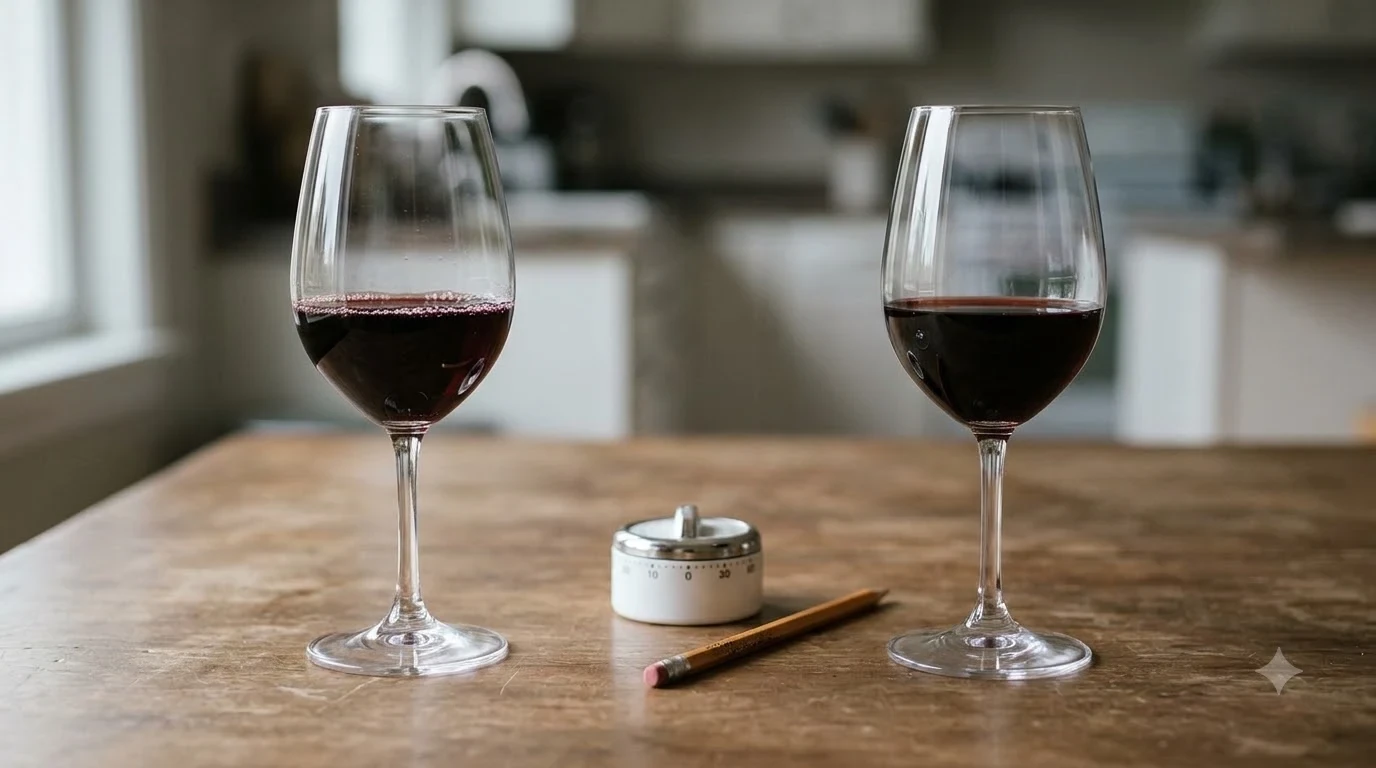
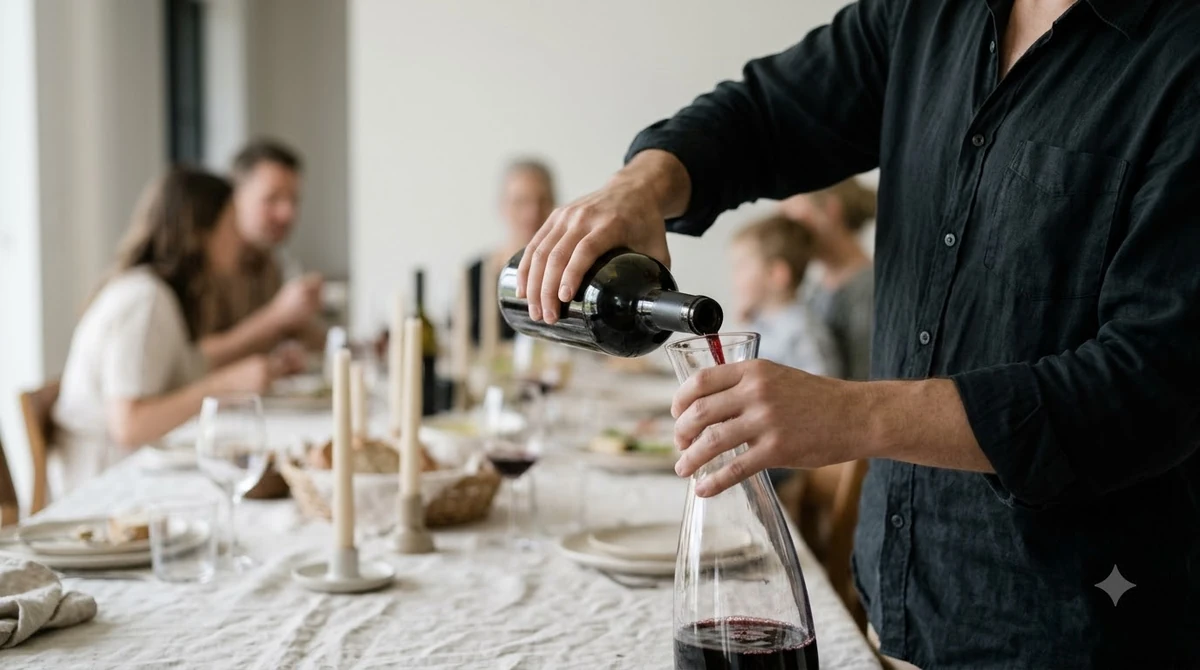
Young, full-bodied red wines can benefit from decanting. Pouring a young Cabernet Sauvignon or Syrah into a decanter and allowing it to breathe for approximately 30–60 minutes can help soften its initial impression and make its aromas easier to appreciate.
Not every Kenwood red requires decanting. A lighter Pinot Noir may need little or no aeration, while an older bottle may require careful handling because prolonged exposure to air can reduce its freshness.
For a young Cabernet, start with 30 minutes of aeration and evaluate its aroma and texture. If it still seems tight or unusually firm, allow additional time before serving.
Glassware and pouring
A large-bowled red wine glass is useful for Cabernet Sauvignon and Syrah because it provides space for aromas to develop. Pinot Noir is also commonly served in a wider-bowled glass that emphasizes its delicate red-fruit aromas.
A standard wine pour is approximately 5 ounces. Since a typical bottle contains 750 ml, it provides about five standard glasses. Keeping pours consistent makes it easier to serve guests and plan how many bottles are needed for a meal.
Storage after opening
Once opened, still red wines generally remain enjoyable for approximately three to five days when properly refrigerated and sealed. The exact period depends on the wine’s age, structure, storage conditions, and exposure to oxygen.
Use a wine stopper to limit air exposure, then place the bottle upright in the refrigerator. Before serving another glass, allow the wine to warm slightly toward its preferred drinking temperature.
Long-term bottle storage
For bottles intended to be stored rather than consumed immediately, aim for a stable temperature near 55°F. Avoid locations exposed to direct sunlight, heating equipment, or frequent temperature changes.
Cork-sealed bottles are generally stored horizontally to keep the cork in contact with the wine. A stable environment is more important than attempting to create elaborate storage conditions for an everyday bottle.
For wines intended for relatively early consumption, a cool, dark cupboard can be adequate if the temperature remains reasonably consistent. Premium or age-worthy Cabernet Sauvignon deserves more careful storage than a bottle intended for consumption within a few weeks.
How to Choose the Right Kenwood Bottle
The easiest way to choose Kenwood red wine is to begin with your preferred body and tannin level, then consider the meal and the specific collection. Cabernet Sauvignon suits people who enjoy structure, while Pinot Noir and Merlot offer softer alternatives.
Rather than choosing solely by the producer’s name, consider the following practical differences.
For full-bodied red wine drinkers
Start with Cabernet Sauvignon if you prefer dark fruit, firm tannins, and a substantial mouthfeel. The Jack London Vineyard Cabernet Sauvignon is an interesting example of Kenwood’s vineyard-focused style, while the Six Ridges Alexander Valley Cabernet provides another regional expression.
Syrah is another option if you enjoy dark fruit but want a more savory, peppery profile. Both varieties are well suited to richer meals and grilled foods.
For smoother red wine drinkers
Merlot is a sensible starting point for people who find Cabernet Sauvignon too tannic. Its softer structure and plum-driven fruit make it easier to pair with a broad range of everyday meals.
Pinot Noir is another good option, especially if you prefer lighter body, higher acidity, and red-fruit aromas. It is particularly suitable for poultry, salmon, and mushroom dishes.
For fruit-forward wine drinkers
Zinfandel is worth considering if you enjoy ripe blackberry, raspberry, and spice. It is a useful match for barbecue and grilled foods, particularly when the sauce is savory rather than extremely sweet.
Cabernet Sauvignon can also provide concentrated fruit, although its tannins and overall structure are generally more pronounced.
For comparing different collections
Kenwood’s different collections provide another way to narrow down your selection. Sonoma Series wines are associated with regional expressions, while Six Ridges emphasizes vineyard provenance and the character of Sonoma’s landscape.
Jack London Vineyard bottlings offer a more specific vineyard reference. The Artist Series and Reserve collections have also been part of the winery’s broader portfolio.
When comparing bottles, pay attention to the grape, appellation, vintage, and alcohol level. These details help explain differences in weight, ripeness, and structure.
It is also useful to consider your experience with other wine categories. For example, people accustomed to lighter whites such as kenwood white wine may find Pinot Noir a comfortable transition into red wine. Those who regularly drink wines with moderate alcohol levels may also want to compare labels and serving impressions rather than assuming all red wines have similar intensity. A useful contrast is the information available about black box pinot grigio alcohol content, which illustrates why grape variety and wine style should be considered separately from alcohol percentage.
Ultimately, the right bottle is the one that suits your preferred flavor profile and the occasion. A structured Cabernet may be excellent for a steak dinner, but a softer Merlot or lighter Pinot Noir could be the better choice for a casual meal.
Frequently Asked Questions
Is Kenwood Vineyards the same winery as Kenwood Vineyards in Sonoma Valley?
Yes. Kenwood Vineyards is the winery associated with the Kenwood name and its Sonoma Valley property. Its address is 9592 Sonoma Highway, Kenwood, California 95452. The name Kenwood also refers to the nearby community, so checking the winery identity is useful when researching local businesses.
Who owns Kenwood Vineyards?
Kenwood has been part of Pernod Ricard since 2014, according to the company’s official brand information. Pernod Ricard identifies Kenwood as a California wine brand focused on Sonoma vineyards and small-lot winemaking. Ownership information is separate from the grape varieties and regional origins of individual bottles.
Does Kenwood make limited-production red wines?
Yes. Kenwood has produced limited-production and vineyard-designated wines, including bottlings associated with specific Sonoma vineyard sites. Its Six Ridges and Jack London Vineyard collections are examples of wines that emphasize provenance and individual growing areas. Production quantities can differ between bottlings and vintages.
What does ABV mean on a Kenwood wine label?
ABV stands for alcohol by volume and expresses the percentage of a beverage’s volume that is alcohol. For example, a wine labeled 14.5% ABV contains 14.5% alcohol by volume. This measurement is different from residual sugar, so alcohol percentage alone does not tell you whether a wine tastes sweet or dry.
Can Kenwood red wine develop with bottle aging?
Some structured Kenwood Cabernet Sauvignon bottlings may develop additional complexity with suitable bottle aging. Changes can include softer tannins and more developed aromas of dried fruit, leather, and savory spice. Aging potential depends on the particular wine, vintage, acidity, tannin structure, and storage conditions rather than the producer’s name alone.
Kenwood red wine offers several ways to explore Sonoma County, from structured Cabernet Sauvignon and peppery Syrah to softer Merlot, elegant Pinot Noir, and expressive Zinfandel. Start with the grape variety that matches your preferred style, then consider the vineyard origin, food pairing, and serving temperature. With those details in mind, choosing a Kenwood bottle becomes a much simpler and more rewarding experience.
More in Wine Brands
 Underwood Wine Price: Compare Bottles, Cans, and Pack SizesUpdated Nov 21, 2026
 Zenato Wine Price: Compare Styles and Choose the Right BottleUpdated Nov 21, 2026
 Zuccardi Wine Price: Compare Bottles and Find the Right RangeUpdated Nov 21, 2026
 Yellow Tail Moscato Review: Taste, Sweetness and Serving TipsUpdated Nov 21, 2026
 Wolf Blass Yellow Label Review: Choose Your Best StyleUpdated Nov 21, 2026
 Wolffer Estate Rose Review: Choose the Right Bottle for Your TableUpdated Nov 21, 2026