

We may earn a commission when you buy through links on this page, at no extra cost to you. Learn more.
The pairing of sauvignon blanc with steak works best with lean cuts, a vivid herb finish, and a wine with enough concentration to meet the beef. Its brisk acidity refreshes the palate, while citrus and green-herb notes complement chimichurri, parsley, and grilled vegetables. It is less convincing beside a heavily marbled ribeye, a dense peppercorn cream sauce, or a steak with very deep char.
Steak is usually matched with tannic red wine because beef fat softens tannin and the wine has enough body for the meat. Sauvignon Blanc takes another route: it offers high acidity instead of a tannic grip. The key is to build a plate that lets that freshness work, rather than asking a light, aromatic white to overpower a rich steakhouse dinner.
When Sauvignon Blanc Works With Steak
Sauvignon Blanc can pair well with steak when the beef is relatively lean and the other flavors on the plate are fresh, savory, and moderately intense. Think grilled flank steak with parsley, a medium-rare filet with lemon-herb salsa, or sliced sirloin over arugula. These combinations leave room for the wine’s crisp acidity and aromatic edge. The match is about balance, not about making Sauvignon Blanc taste like a red wine.
The grape’s natural acidity gives it a refreshing quality that helps reset the palate between bites, especially when the steak has been seasoned with salt and finished with herbs. Lemon, lime, green pepper, and fresh parsley can echo Sauvignon Blanc’s citrus and vegetal notes. Wine Enthusiast explains that acidity should meet or exceed the acidity in the food; otherwise, the wine can seem flat beside a sharply acidic dish. A squeeze of lemon or a vinegar-heavy dressing should therefore be measured rather than aggressive.
There is a real limit to the match. Sauvignon Blanc generally has little tannin and a lighter body than Cabernet Sauvignon, Syrah, or many other classic steak wines. It will not provide the same firm structure beside a thick-cut ribeye with a dark crust, nor will its delicate fruit stand up to a large amount of butter or peppercorn cream. For those plates, a tannic red is usually the more natural choice. Wine Enthusiast’s steak and wine pairing advice also emphasizes matching the wine to the cut and preparation instead of treating every steak alike.
Choose the Right Steak Cut
The best starting point is a lean steak with a clean beef flavor, such as filet mignon, top sirloin, flank, or skirt steak. These cuts can be flavorful without carrying the same amount of intramuscular fat as ribeye. A modest portion of medium-rare filet is particularly useful because its delicate texture does not swamp the wine, while flank and skirt bring a more pronounced grain and savory character that can meet Sauvignon Blanc’s herbal notes.

Top sirloin is a practical middle ground for a weeknight grill. It has enough beef flavor to feel like a steak dinner, but it is usually less rich than ribeye. Slice it thinly across the grain and serve it with chopped herbs, charred scallions, or a green salad. Flank and skirt steak also benefit from slicing across the grain; that shortens the visible muscle fibers and makes each bite feel more tender. Keep portions moderate, especially when the plate includes potatoes, butter, or a rich side dish.
Ribeye is a more difficult partner because its marbling makes the beef richer and more intense. A high-acid wine can refresh the mouth, but Sauvignon Blanc does not have the tannin that traditionally balances beef fat. A leaner cut or a smaller ribeye portion with a bright herb sauce gives the wine a better chance. New York strip sits between these examples: it has more structure and fat than filet, but a simpler preparation and an herb-forward side can keep the pairing in range.
Match the Cooking Method and Seasoning
Cooking method changes how forceful a steak tastes. A quick pan sear or a moderate grill creates browned, savory flavors without burying the beef under smoke and char. Those preparations suit Sauvignon Blanc better than an aggressively blackened steak cooked over intense flames. Aim for a clear sear and a juicy center, then let the wine’s acidity and fresh aromatics provide contrast.
For a simple preparation, season a filet or sirloin with salt and black pepper, sear it in a hot pan, and finish with chopped parsley and a small amount of lemon zest. The salt and browned surface provide savory depth; the herbs and citrus create a bridge to the wine. Another option is grilled flank steak rubbed with garlic, oregano, and cracked coriander, then sliced and served with a restrained chimichurri. Avoid making the rub hot with large amounts of chili. Alcohol and tannin can amplify chili heat, and a fiery seasoning can make a crisp white wine seem harsher.
Doneness also matters. Rare and medium-rare steak tends to retain a softer texture and juicier impression, which can be more forgiving beside a light- to medium-bodied white. A well-done steak develops a firmer, more concentrated chew and can make a delicate Sauvignon Blanc seem slight. If the table prefers well-done beef, choose a riper, fuller-feeling Sauvignon Blanc and use a fresh sauce or vegetable side to keep the wine relevant. The cooking method should add flavor, not so much smoke that the wine disappears.
Use Sauce and Sides to Bridge the Pairing
Sauce is often the deciding factor between a successful glass and a mismatched one. Green, fresh, and moderately acidic sauces tend to suit Sauvignon Blanc; rich, creamy, sweet, or very spicy sauces are more challenging. Chimichurri is a natural option because parsley, oregano, garlic, and a measured amount of vinegar can echo the wine’s herbal character while its acidity refreshes the palate.
Keep the sauce balanced. A chimichurri made with a heavy pour of red-wine vinegar or lemon can be more acidic than the wine, leaving the Sauvignon Blanc tasting thin. Use enough acid to brighten the steak, not enough to make the condiment the loudest part of the meal. Parsley salsa verde, grilled scallions, or a modest herb dressing can deliver similar freshness with less sharpness. A spoonful of Dijon mustard in a pan sauce can also work when it is used as seasoning rather than the main flavor.
Classic steakhouse sauces require more care. Béarnaise brings butter, egg yolk, and tarragon, while peppercorn sauce often adds cream and a strong spice note; both can overwhelm a lean, crisp white. Mushroom sauce adds earthy depth that may pull the wine in a different direction. If those sauces are non-negotiable, choose a richer, oak-influenced white or move to a red with more body. For a lighter plate, serve grilled asparagus, arugula, green beans, or roasted peppers. A few crisp potatoes are fine, but a large serving of buttery mashed potatoes makes the overall meal heavier.
Tip: Make the sauce the bridge, not the headline: use fresh parsley, oregano, or chives, then add lemon or vinegar gradually. Taste the sauce with a small sip of wine before serving the whole steak.
Select a Sauvignon Blanc Style That Matches the Plate
Not every Sauvignon Blanc tastes the same. Cooler-climate examples from the Loire Valley, including Sancerre and Pouilly-Fumé, are often dry, crisp, and focused on citrus, white peach, mineral, or subtle smoky notes. They can suit a simply seasoned filet or sirloin when the sides are restrained. Their lean profile is appealing with fresh herbs, but a delicate bottle may feel too slight beside heavily charred beef.
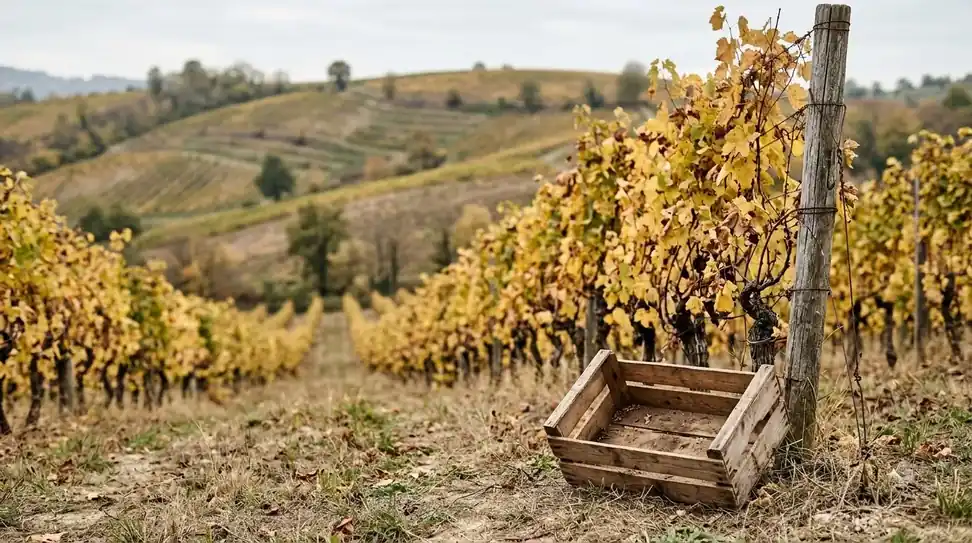
Marlborough in New Zealand is known for a more aromatic, fruit-forward expression, with gooseberry, grapefruit, pineapple, and pronounced green notes. That extra fruit intensity can help the wine stay present beside grilled flank or skirt steak, particularly when the plate includes chimichurri or charred green vegetables. The wine should still taste dry and lively; ripe fruit aroma does not mean the wine is sweet. Berry Bros. & Rudd’s Sauvignon Blanc guide describes the differences between Loire and Marlborough styles, along with the grape’s naturally high acidity.
There are also broader, more textured Sauvignon Blanc styles, including some Bordeaux whites blended with Sémillon and wines that spend time in oak. Sémillon can add texture, while oak can contribute a rounder impression and flavors that sit more comfortably beside browned meat. Those versions are worth considering for New York strip or a steak served with a small amount of butter. They are not automatically better: too much oak or too much weight can erase the fresh quality that makes Sauvignon Blanc useful with herbs and vegetables.
Choose the wine according to the whole plate. A mineral Sancerre may be a better match for filet with parsley and green beans; a vivid Marlborough Sauvignon Blanc can work with grilled skirt steak and chimichurri; a textured Bordeaux white may suit sirloin with a restrained pan sauce. For seafood starters or a different main course, the grape has other natural directions: see the pairing ideas for sauvignon blanc with lobster and sauvignon blanc with salmon. The same attention to weight, acidity, and seasoning applies across the meal.
Serve the Wine at the Right Temperature
Serve Sauvignon Blanc at 45–50°F. That range keeps the wine refreshing while allowing citrus, fruit, and herbal aromas to show. A bottle poured straight from a very cold refrigerator can seem muted at first, so give it a few minutes in the glass if the aromas feel closed. On a warm patio, keep the bottle in an ice bucket between pours rather than letting it sit beside the grill.
Plan the portions with the same care as the temperature. A standard pour is about 5 ounces, and a 750-milliliter bottle provides roughly five glasses. That is enough for a small dinner when each guest has one glass with the steak. If the meal includes a starter, the same Sauvignon Blanc may carry from the first course to the main dish when the starter is light and not too rich. For other poultry pairings, compare the approach in this guide to sauvignon blanc with chicken.
| Wine choice | Serving temperature | Best role at the table |
|---|---|---|
| Sauvignon Blanc | 45–50°F | Lean steak, herbs, chimichurri, green vegetables |
| Light-bodied red | 55–60°F | Lean filet or sirloin when a red is preferred |
| Full-bodied red | 60–65°F | Fatty ribeye, deep char, or rich peppercorn sauce |
Temperature is a serving adjustment, not a way to change the wine’s fundamental weight. Chilling a rich, oaked white will not make it behave like a lean Loire Sauvignon Blanc, and warming a light Sauvignon Blanc will not give it the tannin needed for a heavily marbled steak. For more general pairing decisions, use the Grape x Food pairing guide to compare acidity, body, tannin, and the intensity of the dish before choosing the bottle.
Frequently Asked Questions
Sauvignon Blanc can be made in more than one style, and practical details such as aeration and storage affect how it shows at the table. These answers cover a few additional points to consider after choosing the steak and bottle.
Is Sauvignon Blanc always a dry wine?
No. Most bottles labeled Sauvignon Blanc are dry, but the grape is also used in sweet white wines. In Bordeaux, it can be blended with Sémillon for sweet wines such as Sauternes, where the finished style is very different from a crisp table Sauvignon Blanc.
Can Sauvignon Blanc be aged in oak?
Yes. Some producers ferment or mature Sauvignon Blanc in oak, which can add texture and notes of spice or toast. Oak treatment varies by producer, so two wines from the same broad region can have noticeably different weight and flavor.
Does Sauvignon Blanc need to breathe before serving?
Most fresh, unoaked examples can be opened and poured without a long decant. If a bottle seems unusually tight, pour a small glass and let it stand for 5 to 10 minutes before deciding whether it needs more air.
How long does opened Sauvignon Blanc last?
Re-cork the bottle and keep it in the refrigerator; most opened still wines remain in good condition for about 3 to 5 days. The aromas may fade before the wine becomes unpleasant, so use the remaining wine sooner when its fresh citrus and herbal character is central to the pairing.
Can Sauvignon Blanc pair with steak served cold?
Yes. Chilled sliced steak in a salad or sandwich can be easier to pair with Sauvignon Blanc than a hot, heavily marbled steak. Keep the toppings fresh and restrained, such as watercress, pickled shallot, or a little mustard, rather than adding a heavy mayonnaise-based dressing.
Sauvignon Blanc is not the default steak wine, but it can be a smart choice for lean beef, fresh herbs, and a bright, carefully balanced sauce. Start with filet, sirloin, flank, or skirt steak, choose a style with enough fruit and texture, and serve it properly chilled. For a final check, compare the sauce and sides with the wine before you set the steak on the table.
More in Food & Wine Pairing
 Risotto With White Wine Recipe: Make a Creamy Dinner at HomeUpdated Nov 20, 2026
 Wassail With Wine Recipe for a Festive Spiced Holiday DrinkUpdated Nov 20, 2026
 Spritz Veneziano Recipe: Make a Classic Venetian Aperitivo at HomeUpdated Nov 20, 2026
 Summer Wine Punch Recipe for Easy Homemade EntertainingUpdated Nov 20, 2026
 Bishop Recipe: How to Make a Bright, Citrus-Forward Red Wine CocktailUpdated Nov 20, 2026
 Wine Cupcakes Recipe: Bake Rich Chocolate Cupcakes at HomeUpdated Nov 20, 2026