

We may earn a commission when you buy through links on this page, at no extra cost to you. Learn more.
Bordeaux with steak is an excellent pairing, especially when you choose a structured red Bordeaux with enough tannin, acidity, and body to complement the beef. Cabernet Sauvignon-led Left Bank wines are particularly good with fatty cuts such as ribeye and New York strip. Merlot-led Right Bank wines offer a softer alternative for filet mignon, tenderloin, and steak served with mushroom-based sauces. The best bottle depends on the cut, preparation, seasoning, and age of the wine.
Few food-and-wine combinations are as dependable as a properly cooked steak and a glass of red Bordeaux. The French region produces blends with enough structure to stand alongside grilled beef, but its different appellations offer considerably more variety than one general description can suggest. Understanding the difference between Cabernet Sauvignon and Merlot, recognizing familiar appellation names, and matching tannin to the richness of your steak will make choosing a bottle much easier.
Why Bordeaux Works So Well With Steak
Bordeaux works with steak because its red wines combine fruit, acidity, and tannin with the structure needed to complement beef. The protein and fat in steak soften the perception of tannin, while the wine’s freshness helps balance the richness of the meat.
Tannin is the drying sensation that can make some red wines feel firm or slightly astringent. Cabernet Sauvignon is naturally high in tannin, which explains why Cabernet-led Bordeaux is such a traditional partner for grilled beef. The tannins interact with proteins in the food, making the wine feel less aggressive and allowing its fruit and savory characteristics to become more noticeable. Meanwhile, the fat in a well-marbled steak provides a rich texture that benefits from a structured red wine.
There is also a flavor connection. A steak cooked over charcoal or in a hot skillet develops browned, savory aromas through the Maillard reaction. These flavors complement the dark fruit, cedar, tobacco, graphite, and earthy notes often associated with mature Bordeaux. When the steak has a well-developed crust, the wine’s savory character can make the entire combination feel more cohesive.
Acidity matters just as much as tannin. A red Bordeaux with good acidity refreshes the palate after a rich bite of beef, butter, or rendered fat. It prevents the combination from feeling excessively heavy. Wines with enough freshness also work particularly well when the steak is served with herbs, roasted vegetables, or a sauce containing a little wine or vinegar.
The pairing is not simply about choosing the biggest or most powerful bottle. An extremely concentrated young red can overwhelm a delicate filet, while a softer Bordeaux might seem insufficient beside a heavily charred ribeye. Matching the wine’s weight to the steak creates a more balanced experience.
For a useful starting point, choose a Cabernet-dominant red for richly marbled beef and a Merlot-dominant blend for leaner, more tender cuts. This simple distinction covers many classic steak dinners and gives you a practical way to approach Bordeaux labels.
Left Bank Versus Right Bank Bordeaux for Steak
Left Bank Bordeaux is generally the better starting point for rich, grilled steak because Cabernet Sauvignon contributes firm tannins and concentrated dark-fruit flavors. Right Bank Bordeaux is usually softer and more approachable, making it particularly appealing with tender cuts and mushroom-rich preparations.
The distinction comes from geography, soils, and grape varieties. The Left Bank includes the Médoc and Graves, with familiar appellations such as Pauillac, Margaux, Saint-Julien, Saint-Estèphe, and Pessac-Léognan. Gravelly soils are common in these areas, and their drainage and heat-retaining properties suit Cabernet Sauvignon, a grape that ripens relatively late.
Right Bank Bordeaux includes Saint-Émilion and Pomerol, along with appellations such as Fronsac. Clay and limestone are important soil types in parts of this area. Merlot performs particularly well in these conditions and commonly takes the leading role in local blends. Cabernet Franc often provides additional aromatic complexity and structure.
The differences are useful when choosing a bottle for a particular steak dinner:
| Wine style | Common appellations | Typical characteristics | Best steak match |
|---|---|---|---|
| Left Bank | Pauillac, Margaux, Saint-Julien | Firm tannin, cassis, cedar, graphite | Ribeye, strip steak, T-bone |
| Graves reds | Pessac-Léognan, Graves | Dark fruit, savory notes, structured tannin | Grilled sirloin, roast beef |
| Right Bank | Saint-Émilion, Pomerol | Plum, blackberry, softer tannins | Filet mignon, tenderloin |
| Other Bordeaux reds | Bordeaux, Bordeaux Supérieur | Ripe fruit, moderate structure, approachable style | Steak frites, burgers, grilled sirloin |
According to Food & Wine’s explanation of Bordeaux’s two banks, the grape varieties and growing conditions help account for their different structures. However, the distinction is a general guide rather than an absolute rule. Individual vineyards, blending decisions, and vintages can produce substantial variation.
For a classic steakhouse dinner featuring a thick ribeye, Pauillac or Saint-Julien is an excellent direction. For a tender filet with a red wine reduction, Pomerol or Saint-Émilion deserves consideration. If you are serving different cuts at the same table, a balanced Bordeaux Supérieur can provide a practical middle ground.
Choosing Bordeaux for Ribeye, Strip Steak, and Filet Mignon
The steak cut should influence how much tannin and body you want in your Bordeaux. Fatty, strongly flavored cuts generally benefit from Cabernet-led wines, while leaner cuts are often more successful with softer Merlot-based blends.
Ribeye: Choose Cabernet Sauvignon-led Bordeaux
Ribeye contains abundant intramuscular fat, which gives it its characteristic richness and juicy texture. A structured Left Bank Bordeaux is a natural match because Cabernet Sauvignon brings firm tannins, dark fruit, and savory complexity.
Look for Pauillac, Saint-Julien, or Saint-Estèphe. These appellations provide useful starting points when you want a wine with enough presence to stand alongside a heavily seared ribeye. Flavors of blackcurrant, blackberry, cedar, and graphite complement the browned exterior of the steak.
Season the beef with salt and black pepper, then cook it in a hot skillet or over a grill. Rosemary, thyme, and garlic can add aromatic depth without making the seasoning too complicated. A small amount of herb butter also works because the steak’s richness helps soften the wine’s tannic impression.
New York Strip: Choose Structured, Balanced Bordeaux
New York strip is generally leaner than ribeye but retains enough fat and beefy flavor to work with Cabernet Sauvignon. A medium- to full-bodied Bordeaux from Margaux, Haut-Médoc, or Graves can provide the right combination of fruit, acidity, and tannin.
The strip steak’s relatively firm texture also makes it suitable for a younger Bordeaux that has sufficient fruit to balance its tannins. Serve it medium-rare or medium, with roasted potatoes and sautéed mushrooms. The wine’s dark-fruit characteristics complement the browned meat, while its acidity keeps each bite from feeling too heavy.
Filet Mignon: Consider Merlot-led Bordeaux
Filet mignon comes from the tenderloin and is considerably leaner and more delicate than ribeye. A very tannic young Cabernet-dominant wine can overpower its subtle flavor. Merlot-led Saint-Émilion or Pomerol is often a better match.
These wines typically offer softer textures and ripe flavors of plum, cherry, and blackberry. Their smoother tannins complement the tenderness of the beef without demanding as much richness from the food.
Decanter specifically recommends Pomerol with fillet steak, suggesting button mushrooms or truffles as complementary accompaniments. This combination makes particular sense when the steak is lightly seasoned and served with a restrained mushroom sauce.
T-Bone and Porterhouse: Choose a Full-Bodied Blend
T-bone and porterhouse steaks combine tenderloin and strip steak in one cut. Their mixture of tenderness, beefy flavor, and moderate fat content makes them suitable for a structured Bordeaux with both Cabernet Sauvignon and Merlot.
A Saint-Julien or Saint-Émilion can work particularly well, depending on the cooking method and the amount of fat in the cut. The Cabernet component provides structure, while Merlot contributes roundness and ripe fruit. Charcoal grilling, coarse salt, and freshly ground pepper provide enough flavor without distracting from the wine.
Flank and Skirt Steak: Look for Freshness and Moderate Tannin
Flank and skirt steaks are thinner, leaner cuts with pronounced beef flavor. They are often marinated and cooked quickly over high heat. A moderately structured Bordeaux with generous fruit and refreshing acidity can work better than an extremely powerful, heavily tannic bottle.
A Bordeaux Supérieur or approachable Merlot-led blend is a sensible choice. If the marinade includes garlic, rosemary, and black pepper, the wine’s herbal and dark-fruit characteristics can complement the seasoning. Be more cautious with strongly acidic marinades because high-acid food can make a wine taste comparatively flat.
How Steak Sauces and Seasonings Change the Pairing
The sauce can influence the Bordeaux pairing almost as much as the cut of beef. Simple seasoning leaves more room for the wine’s tannins and fruit to shine, while creamy, buttery, mushroom, and pepper sauces change the balance of richness and intensity.
A classic peppercorn sauce is a good companion for Cabernet-led Bordeaux when the pepper is not excessively hot. Its creamy texture softens the impression of tannin, while the steak’s protein and fat support the wine’s structure. Keep the pepper seasoning moderate because strong chili heat can become more pronounced alongside alcohol and tannin.
Mushroom sauce is particularly suitable for Merlot-based Saint-Émilion and Pomerol. Mushrooms contribute earthy, savory flavors that connect naturally with the wine’s plum, black cherry, and sometimes truffle-like characteristics. A sauce made with sautéed cremini mushrooms, shallots, thyme, and a little cream is a practical option.
Red wine reduction is another classic choice. A sauce prepared with shallots, stock, and a small amount of red wine can echo the savory character of Bordeaux. The reduction should be concentrated but not overly sweet or acidic. A strongly acidic sauce can make the wine seem less lively, while excessive sweetness can make a dry red appear harsh.
Garlic butter and herb butter work especially well with grilled ribeye and New York strip. Salt and fat soften the perception of tannin, making a structured Cabernet blend feel rounder. Rosemary and thyme add aromatic notes that complement many Bordeaux wines.
For a steak served with blue cheese butter, consider a fruit-forward Right Bank wine or a balanced Bordeaux blend. The salt and richness of the cheese help moderate tannin, while ripe fruit provides contrast. Avoid overly delicate wines if the cheese has a particularly strong flavor.
Tip: Build the plate around the wine rather than choosing a complicated sauce first. For Cabernet-led Bordeaux, use grilled ribeye, coarse salt, rosemary, and herb butter. For Merlot-led Bordeaux, try filet mignon with sautéed mushrooms and a restrained red wine reduction.
Side dishes matter, too. Roasted potatoes, green beans, asparagus, and sautéed mushrooms are generally dependable choices. Bitter greens can work when prepared with enough seasoning and fat, while very sweet glazes and strongly vinegared vegetables may make a dry Bordeaux seem less balanced.
If you are planning the entire meal around a bottle, the principles in our Grape x Food pairing guide can help you match the wine’s acidity, tannin, and body to the complete plate rather than considering the steak alone.
How to Select a Bordeaux Bottle for Steak Night
Choosing Bordeaux for steak does not require buying the most prestigious appellation or the oldest bottle available. Start with the dominant grape, the wine’s maturity, and the structure you want alongside your particular cut of beef.
For a Cabernet-focused selection, look for Médoc, Haut-Médoc, Pauillac, Margaux, Saint-Julien, or Saint-Estèphe. These names point toward the Left Bank and its tradition of Cabernet-led blends. They are useful choices when you want a firm, structured red with ribeye, strip steak, or another richly flavored cut.
For a softer option, consider Saint-Émilion or Pomerol. These appellations are associated with Merlot-led wines that often show more immediate fruit and a rounder texture. They are particularly useful for filet mignon, tenderloin, and steak served with mushrooms.
Other appellations can offer excellent choices for everyday meals. Bordeaux Supérieur is particularly worth understanding because its production requirements include at least nine months of aging, commonly in oak barrels. It can provide a balanced option for grilled sirloin, steak frites, and casual weekend dinners.
Do not assume that every bottle from the same appellation tastes identical. Vintage conditions, vineyard location, blending proportions, and winemaking decisions influence the final wine. Even within the Médoc, two producers can create noticeably different expressions of Cabernet Sauvignon.
Consider the age of the bottle as well. Young Bordeaux can show concentrated fruit and firmer tannins, making it a suitable partner for a fatty steak. More mature Bordeaux often develops additional savory characteristics, with notes of cedar, tobacco, earth, and dried fruit. These flavors can work beautifully with simply seasoned beef.
For a special dinner, an older bottle can be a particularly rewarding choice, but the cooking should remain relatively simple. Decanter’s Bordeaux pairing recommendations also emphasize straightforward food preparation when serving mature wines. A grilled strip steak with salt, pepper, and roasted potatoes can be more successful than a dish containing several competing sauces and seasonings.
If you enjoy comparing different regional styles, you can also explore Barolo with steak. Barolo provides a useful contrast because its Nebbiolo grape produces pronounced acidity and tannin, creating a different relationship with beef than Bordeaux’s Cabernet Sauvignon and Merlot blends.
Serving Temperature, Decanting, and Glassware
Serve red Bordeaux at approximately 60–65°F to preserve its freshness and structure. A young, tannic bottle may benefit from 30–60 minutes of decanting, while older bottles generally require more careful handling to avoid excessive exposure to air.
The serving temperature matters because a wine that is too warm can seem alcoholic and heavy. Excessive warmth also makes tannins feel less integrated. A slightly cool red Bordeaux generally offers better freshness and definition, especially alongside hot steak straight from the grill.
If the bottle has been stored at a typical warm room temperature, place it in the refrigerator briefly before serving. The goal is to bring the wine into the recommended temperature range rather than serve it refrigerator-cold. Allow the glass to warm naturally as you drink.
Decanting can improve the experience with young, structured Bordeaux. Exposure to air helps the aromas become more expressive and can make the wine’s firm structure seem less closed. A young Pauillac or Saint-Julien with prominent Cabernet Sauvignon may benefit from 30–60 minutes in a decanter before dinner.
Older bottles require a different approach. Mature Bordeaux may have developed sediment during bottle aging, so careful pouring helps keep that material out of the glass. Standing the bottle upright before opening can allow sediment to settle. Pour slowly and stop when sediment approaches the neck.
Use a large-bowled red wine glass to give Bordeaux room to release its aromas. A generous bowl makes swirling easier and helps reveal the wine’s fruit, oak, and savory notes. Avoid filling the glass to the top; a moderate pour allows enough space for the aromas to collect.
For a full steak dinner, a standard 5-ounce pour is a useful serving size. A 750 ml bottle provides approximately five such glasses, making it a convenient amount for a small dinner table. If you are serving multiple Bordeaux styles, offer smaller initial pours so guests can compare their structures with the food.
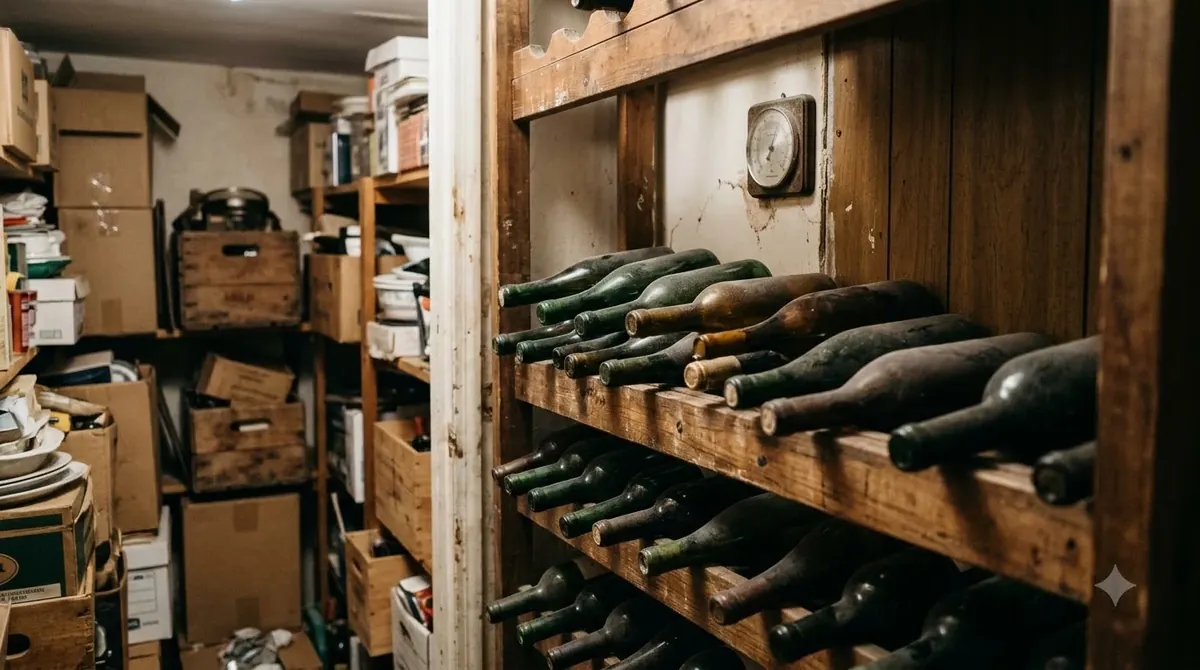
Store unopened Bordeaux bottles on their sides in a cool, dark place near 55°F when long-term storage is intended. Avoid repeated temperature changes, direct sunlight, and vibration. Proper storage helps protect the wine’s development and keeps the cork from drying out.
For another approach to steak-night wine, our guide to Champagne with steak explains how sparkling wine can offer a contrasting combination of acidity, freshness, and texture.
Frequently Asked Questions
Is Bordeaux always a blend of different grapes?
Most traditional red Bordeaux is blended from multiple varieties, although the proportions vary by estate and appellation. Some wines contain a particularly high proportion of one grape, especially Merlot or Cabernet Sauvignon. Bordeaux labels generally identify the appellation and producer rather than presenting the wine as a single-variety bottling.
Can Bordeaux be paired with steak cooked well-done?
Yes, although the cooking method and accompanying sauce become especially important. Well-done steak loses moisture and can develop more pronounced roasted flavors, so a fruit-forward Merlot-based Bordeaux or an approachable red blend can be a sensible option. A mushroom sauce or modest amount of butter can help provide additional richness.
Is Bordeaux the same wine as claret?
Claret is a traditional British term commonly used for red Bordeaux wine. It is not a separate Bordeaux grape variety or a distinct appellation. The term is associated particularly with the region’s dry red blends, although individual wines still vary considerably in style and structure.
What is the difference between Bordeaux and Bordeaux Supérieur?
Bordeaux Supérieur is a separate appellation designation with additional production and aging requirements compared with standard Bordeaux AOC. For red Bordeaux Supérieur, the regional organization specifies at least nine months of aging. The designation can be useful when looking for a wine with additional development and structure for a beef dinner.
Can white Bordeaux accompany a steak dinner?
Yes, particularly when the beef is served in a lighter preparation or as part of a meal with several different courses. Dry white Bordeaux commonly combines Sauvignon Blanc and Sémillon, producing citrus, floral, and sometimes oak-influenced characteristics. It is a less traditional choice than red Bordeaux, but an oak-aged white can be interesting with a simply prepared steak and a buttery sauce.
Bordeaux and steak make a dependable pairing because the region offers everything from firm, Cabernet-led wines for richly marbled beef to softer Merlot blends for tender cuts. Start with the steak’s fat content, consider the sauce, and choose an appellation that provides the right balance of tannin and fruit. With the correct serving temperature and a little preparation, Bordeaux can turn an ordinary steak dinner into a memorable meal.
More in Food & Wine Pairing
 Risotto With White Wine Recipe: Make a Creamy Dinner at HomeUpdated Nov 20, 2026
 Wassail With Wine Recipe for a Festive Spiced Holiday DrinkUpdated Nov 20, 2026
 Spritz Veneziano Recipe: Make a Classic Venetian Aperitivo at HomeUpdated Nov 20, 2026
 Summer Wine Punch Recipe for Easy Homemade EntertainingUpdated Nov 20, 2026
 Bishop Recipe: How to Make a Bright, Citrus-Forward Red Wine CocktailUpdated Nov 20, 2026
 Wine Cupcakes Recipe: Bake Rich Chocolate Cupcakes at HomeUpdated Nov 20, 2026