

We may earn a commission when you buy through links on this page, at no extra cost to you. Learn more.
For anyone asking what is verdicchio, it is a high-acid white wine grape from Italy’s Marche region, best known for producing crisp, dry wines with citrus, orchard-fruit, and almond flavors. Most bottles come from the Castelli di Jesi or Matelica areas, where the grape makes wines that can be light and refreshing when young or more concentrated and complex after aging. It is also used for sparkling and sweet wines, so the name covers more than one style.
Verdicchio is a useful bottle to know if you enjoy lively whites with enough texture for a meal. Its bright acidity, savory edge, and characteristic almond finish give it a different personality from simpler, purely citrus-driven wines. Understanding the two main Marche appellations, the wording on their labels, and the range of styles makes it easier to choose a bottle for dinner or an occasion.
What Is Verdicchio?
Verdicchio is both the name of a white grape variety and part of the names of two leading wine appellations in Marche, central Italy. The wines are usually dry, fresh, and structured, with noticeable acidity and a distinctive almond note.
The grape takes its name from the Italian word verde, meaning green. The Marche wine institute explains that Verdicchio berries can retain a greenish color even when fully ripe. The variety has a long association with the hills of the Esina Valley, and Verdicchio dei Castelli di Jesi received DOC recognition on September 26, 1968. That appellation is now one of the clearest reference points for understanding the grape.
Most Verdicchio encountered in wine shops is a still white wine, but the grape is not limited to that format. Producers also make spumante, or sparkling wine, and passito, a sweet wine. Its naturally high acidity helps the grape retain freshness in both styles. That distinction matters at the shelf: Verdicchio is the grape name, while the longer phrases identify a geographical origin and its production rules. A bottle from Castelli di Jesi names that appellation; a wine using the grape in another authorized DOC may appear under a different regional name. For a closer look at the variety itself, see the Verdicchio grape profile, or explore how grape varieties and wine styles differ in Wine by Type.
Where Verdicchio Grows in Marche
The two principal homes of Verdicchio are Verdicchio dei Castelli di Jesi and Verdicchio di Matelica, both in Marche on Italy’s Adriatic side. They share the grape but differ in geography: Castelli di Jesi is the larger area, while Matelica lies farther inland at higher elevations.
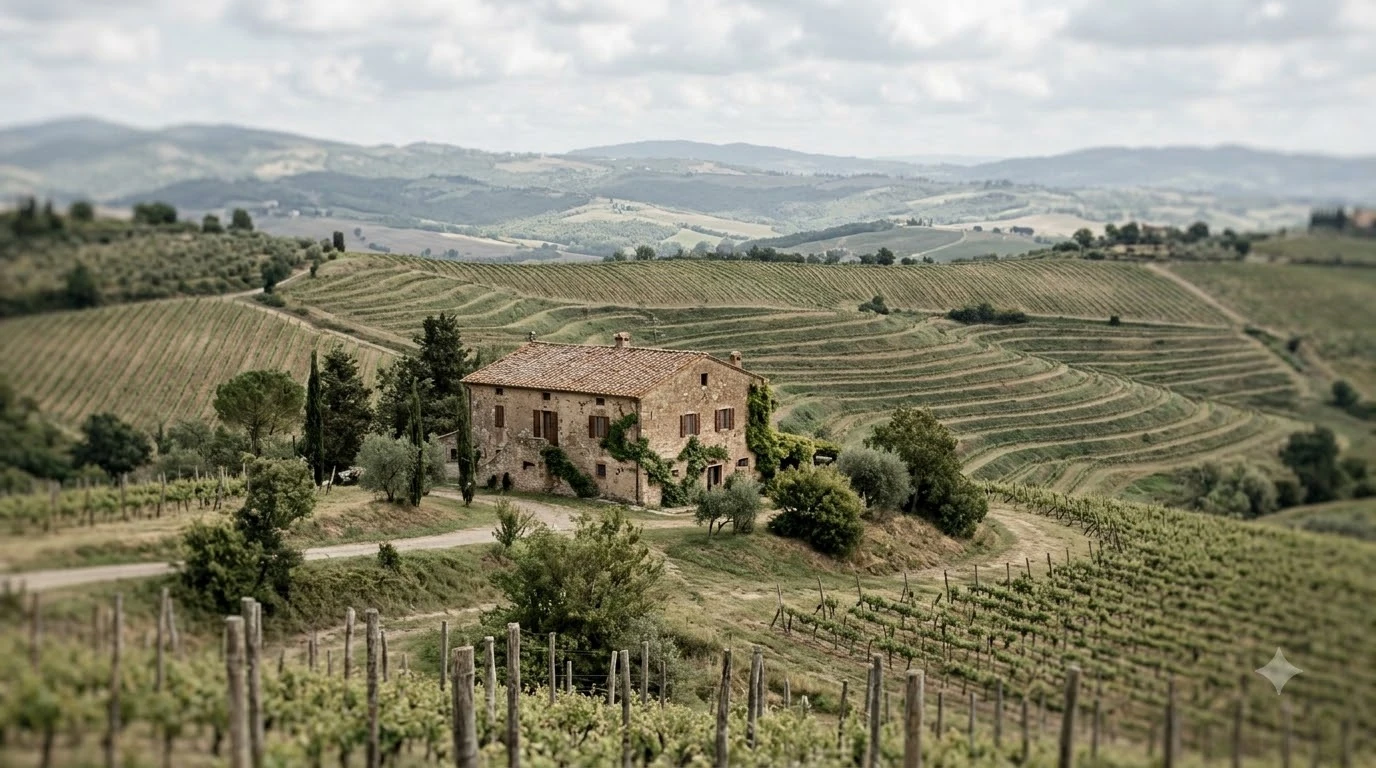
Castelli di Jesi centers on the hills around Jesi, in Ancona province, with vineyards roughly 30 kilometers from the Adriatic Sea. The official regional description says the DOC covers 23 municipalities in Ancona province and two in Macerata province. Its broad footprint includes a range of vineyard exposures and soils, so bottles from different villages and producers can vary in weight, freshness, and aromatic detail. The historic core is identified by the word Classico, a label term that points to the older production zone rather than a separate grape.
Matelica is smaller and farther inland, near the border with Umbria and in the foothills of the Apennines. Wine Enthusiast describes its vineyards as higher in elevation than those of Castelli di Jesi. Decanter’s panel tasting found that Matelica wines often show concentration, lively acidity, and a lightly grippy texture. That combination can make them feel firmer and more structured than an easy-drinking young white, particularly when the wine has a few years of bottle age.
It is tempting to treat one area as categorically better, but that is too simple. Wine Enthusiast notes that Castelli di Jesi producers have improved their understanding of individual subzones and have worked to reduce yields, while both areas now produce high-quality wines, including single-vineyard examples. A strong producer and a specific vineyard can matter as much as the broad regional name. For a first bottle, a fresh Castelli di Jesi DOC is a sensible introduction; choose Matelica when you want to compare a more inland expression with a firmer feel. Tasting the two side by side is a practical way to learn the influence of site without assuming that one appellation always makes the better wine.
What Verdicchio Tastes Like
Verdicchio typically combines brisk acidity with citrus, orchard fruit, and a savory almond finish. Young wines tend to emphasize freshness and a slight bitter edge; more developed bottles can gain richer fruit, herbal complexity, and a softer, marzipan-like almond character.
Common aromas and flavors include lemon, mandarin, grapefruit, green apple, pear, white peach, and white flowers. Some examples also suggest fennel, anise, white pepper, or fresh herbs. A Decanter panel tasting described youthful wines with apple, pear, white pepper, and chicory, while mature examples showed yellow plum, quince, and resinous herbs. These are tasting possibilities, not a checklist that every bottle must display.
The almond note is one of the grape’s most recognizable signatures. In a young wine, it may come across as bitter almond or a faintly savory finish rather than a sweet flavor. With bottle age, Wine Enthusiast says that the more pronounced bitterness can recede and develop toward a marzipan impression. That change helps explain why Verdicchio can be appealing both as a bright weeknight white and as a more layered bottle to serve with a substantial meal.
In terms of structure, think medium-bodied white wine with high acidity rather than a very light, neutral wine. Stainless-steel examples often focus on clean fruit and freshness; wines with time on lees or in wood may feel broader and more textured. Oak is not required for Verdicchio to have body, and many classic examples are made with little or no obvious wood influence.
Verdicchio Styles, Labels, and Aging Potential
Most Verdicchio is dry and still, but appellation terms can point to origin, vineyard selection, or a more ambitious aging category. The key words to recognize are DOC, Classico, Classico Superiore, Riserva, Spumante, and Passito.
For Verdicchio dei Castelli di Jesi DOC, the regional rules allow a wine made with at least 85% Verdicchio; up to 15% may come from other white grape varieties permitted in Marche. The term Classico identifies wine from the oldest part of the production area. Classico Superiore is associated with vineyards where the grape yield per hectare is lower, a factor that can contribute to greater concentration. Those terms help narrow the origin, but they do not guarantee that every bottle will taste identical.
Riserva is the label to look for when you want a more age-focused expression. Wine Enthusiast reports that the Castelli di Jesi Verdicchio Riserva DOCG and Verdicchio di Matelica Riserva DOCG designations were created in 2011 and require at least 18 months of aging before release. Riserva wines can develop more depth and savory complexity than a straightforward young bottling. They are worth considering for richer seafood, poultry, or dishes with a little more weight.
There are also two less common alternatives. Verdicchio Spumante is sparkling, with freshness that suits aperitivo snacks and seafood, while Passito is a sweet wine made in a dessert-wine style. These wines are useful reminders that the grape’s acidity can support both bubbles and sweetness, not just crisp dry whites. The Marche institute’s overview of Verdicchio and its DOC outlines the range of regional expressions.
How to Serve and Store Verdicchio
Serve a typical dry Verdicchio cool rather than ice-cold: about 45–50°F is a good starting range for a light-to-medium-bodied white. That temperature keeps the acidity refreshing while allowing citrus, pear, flowers, and almond to show more clearly.
Chill the bottle in a refrigerator and bring it to the table shortly before pouring. If it feels muted straight from the cold, give it several minutes in the glass; very low temperatures can make both aroma and texture seem less expressive. Use ordinary white-wine glasses with enough bowl space to gather the wine’s floral and orchard-fruit aromas. A 5-ounce pour is a practical serving size, and a standard 750-milliliter bottle yields about five such glasses.
| Verdicchio style | Serving approach | Best drinking window |
|---|---|---|
| Young, dry DOC | 45–50°F; serve shortly after opening | Often within 1–3 years for fresh fruit |
| Classico Superiore | 45–50°F; allow a little time in the glass | Enjoy young or hold a few years, depending on producer |
| Riserva DOCG | 50–55°F if fuller and more developed | Can benefit from several years of bottle age |
| Spumante | 40–50°F; pour into sparkling-wine glasses | Usually enjoyed fresh |
| Passito | 43–50°F; pour smaller servings | Follow the producer’s guidance for the bottling |
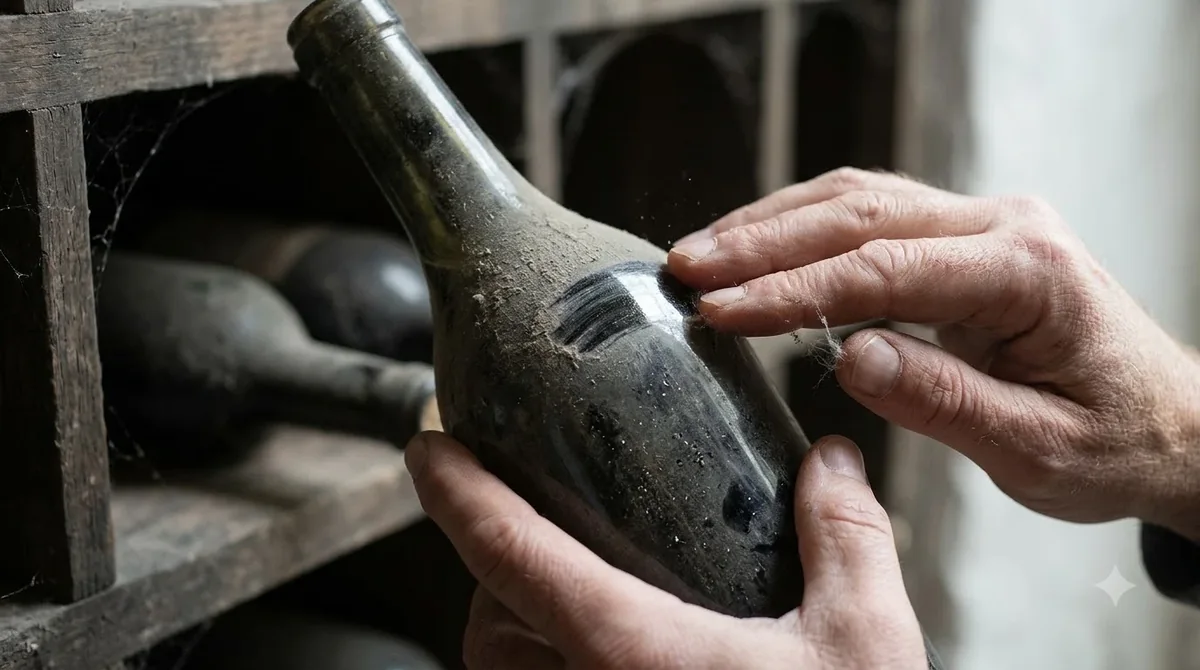
The drinking windows in the table are practical style guidance, not fixed expiration dates. Wine Enthusiast lists 1–3 years as a general handling suggestion for Verdicchio, which is a useful baseline for simple, fresh bottlings. A serious Riserva is a different proposition: Decanter’s panel found that mature Verdicchio can retain energy while gaining notes of quince, yellow plum, and resinous herbs. Producer, vintage, and storage conditions all affect how long a specific wine can develop.
Tip: Keep unopened bottles in a cool, dark place near 55°F, away from temperature swings. Once opened, reseal a still Verdicchio and refrigerate it; aim to finish it within 3–5 days for the best freshness.
Food Pairings for Verdicchio
Verdicchio is especially effective with seafood, vegetables, and dishes that need a white wine with more acidity and savory character than a soft, low-acid option. Its freshness cuts through richness, while the almond and herbal notes can echo ingredients such as fennel, artichokes, and fresh herbs.
For an easy pairing, serve a young Castelli di Jesi with grilled branzino, shrimp, scallops, or a plate of fritto misto. Its acidity refreshes the palate between bites, and the wine’s subtle bitterness works with crisp fried coatings. Raw fish and seafood crudo are also natural partners, especially when dressed with olive oil, citrus, and herbs rather than a heavy, sweet sauce.
Verdicchio can handle vegetables that challenge many wines. Decanter specifically highlights grilled artichokes, and suggests that a little lemon zest in the dressing can help bring the pairing together. Try it with asparagus, zucchini, broad beans, green salads, or roasted fennel, too. For pasta, look to spaghetti alle vongole, seafood linguine, and spring-vegetable sauces; the wine’s acidity keeps each bite lively without overpowering delicate ingredients.
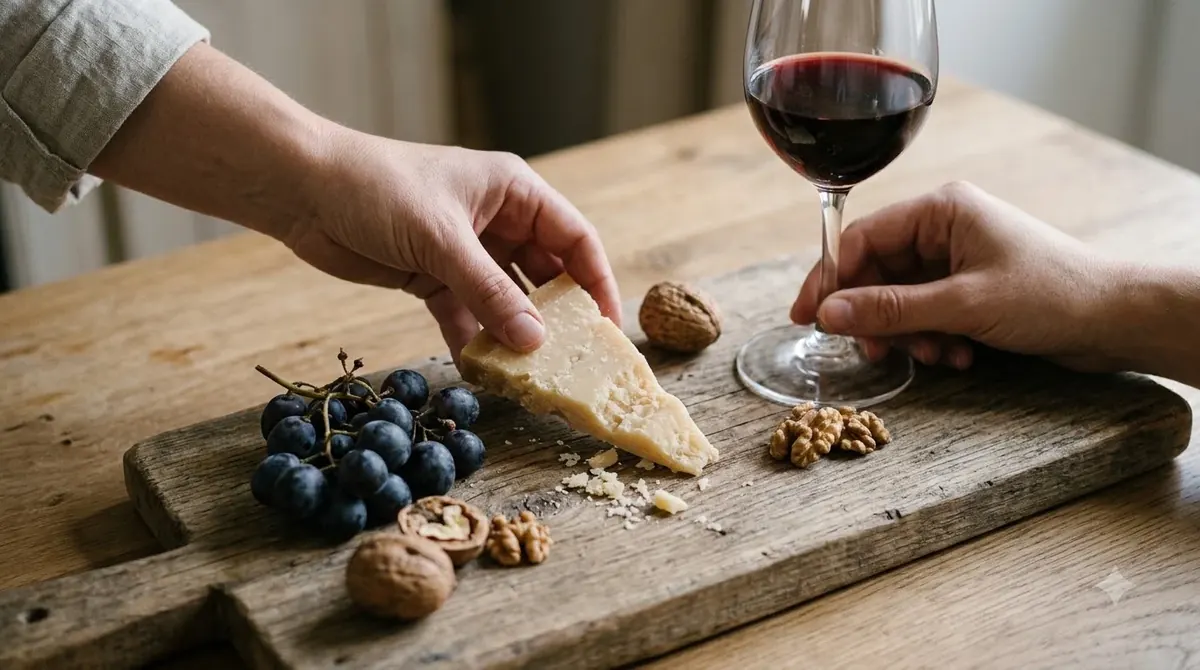
Move to a fuller Classico Superiore or Riserva for richer food. Roast chicken, pork, veal, fish stew, lobster pasta, and creamy risotto can all work well with a more mature bottle. A young Pecorino cheese with raw broad beans is another Marche-inspired match; an older, more complex Verdicchio can stand up to a more mature sheep’s-milk cheese. Browse this guide to Verdicchio food pairing for additional combinations, and remember the basic pairing rule: the wine should have at least as much sweetness as the dish, while acidic food needs a wine with equal or higher acidity.
For more delicate dishes, choose a clean, unoaked bottling. For richer preparations, a Riserva with more texture is often the better fit. Avoid pairing a strongly tannic red with oily fish; Verdicchio’s low-tannin white-wine structure is usually a more comfortable match. Very spicy food can make alcohol feel hotter, so choose a moderate-alcohol bottle and keep chili levels restrained if the goal is to taste the wine clearly.
Frequently Asked Questions
Questions often focus on the Italian name, the difference between Verdicchio and similarly named grapes, and the regional terms that appear on bottles. These answers cover pronunciation, grape identity, and a little of the variety’s history.
How do you pronounce Verdicchio?
It is commonly pronounced “ver-DEEK-kyoh,” with the stress on the middle syllable. The final “ch” has a hard K sound, as it does in many Italian words before “i.” For a quick pronunciation reference, see how to pronounce Verdicchio.
Is Verdicchio the same grape as Verdejo?
No. Verdicchio is an Italian grape associated especially with Marche, while Verdejo is a distinct Spanish white grape strongly associated with Rueda. Their names look and sound similar, but they are not interchangeable varieties.
Is Verdicchio grown only in Castelli di Jesi and Matelica?
No. Wine Enthusiast notes that the grape is also permitted in other Italian DOC wines, including Cerveteri, Colli Maceratesi, Colli Perugini, Colli Pesaresi, Colli di Trasimeno, and Esino. The two Marche areas remain its best-known regional references, but they are not the only places where the variety appears.
Does Verdicchio have any other grape names?
Wine Enthusiast reports that Verdicchio has been found to be identical to Trebbiano di Soave, Trebbiano di Lugana, and Trebbiano Veltenesi. These names reflect regional naming traditions; they do not mean that every wine carrying one of those names will have the same style or origin as a Verdicchio from Marche.
Why are some Verdicchio bottles shaped like an amphora?
The distinctive bottle design helped make Verdicchio recognizable outside Italy. The Marche wine institute credits architect Antonio Maiocchi with designing the amphora-inspired bottle that became popular during the grape’s revival in the mid-20th century and was widely imitated afterward.
Verdicchio offers much more than a simple crisp Italian white: its two central Marche appellations produce wines that range from bright and uncomplicated to structured and age-worthy. Start with a dry Castelli di Jesi or Matelica bottling, then compare a Classico Superiore or Riserva alongside seafood, vegetables, or roast poultry to see how the grape changes with place and time.
More in Wine Types & Grapes
 What Does Mourvèdre Taste Like? Flavor Profile, Regions, and PairingsUpdated Nov 20, 2026
 What Does Marsanne Taste Like? Flavors, Styles, and Food PairingsUpdated Nov 20, 2026
 What Does Malvasia Taste Like? Styles, Flavors, and Food PairingsUpdated Nov 20, 2026
 What Does Grenache Blanc Taste Like? Flavor Profile, Styles, and PairingsUpdated Nov 20, 2026
 What Does Garnacha Taste Like? Key Flavors, Styles, and Pairing TipsUpdated Nov 20, 2026
 What Does Fruit Wine Taste Like? A Complete Flavor and Style BreakdownUpdated Nov 20, 2026