

We may earn a commission when you buy through links on this page, at no extra cost to you. Learn more.
The verdicchio grape is a high-acid white variety from Italy’s Marche region, best known for dry wines with citrus, green fruit, savory herbs, and a distinctive almond-like finish. It appears most often in the Castelli di Jesi and Matelica areas, where differences in landscape give the wines different expressions. Verdicchio can make fresh everyday whites as well as structured Riserva bottlings, sparkling wine, and sweet passito.
Verdicchio deserves attention from anyone who likes Italian whites with more than simple fruitiness. Its bright acidity suits seafood and vegetable dishes, while its savory character and ability to develop in bottle make it useful at the table well beyond summer aperitivo. Understanding the two main Marche appellations is the easiest way to choose a style.
What the Verdicchio Grape Is and Where It Grows
Verdicchio is an indigenous white wine grape closely associated with Marche, a region on Italy’s Adriatic coast. Its name comes from verde, the Italian word for green, a reference to the greenish cast the berries can retain even when ripe. The grape is especially identified with the Esino Valley and the hills around the walled towns known collectively as the Castelli di Jesi.
Verdicchio dei Castelli di Jesi received DOC recognition on September 26, 1968. The IMT regional wine consortium says its rules require at least 85% Verdicchio, with the remaining share permitted to come from other authorized white grapes. The production zone includes 23 municipalities in Ancona province and two in Macerata province, so the name represents a defined part of Marche rather than a generic Italian white.
The grape is also central to Verdicchio di Matelica, a separate appellation farther inland. These are the two principal reference points for shoppers: Castelli di Jesi is the larger production area and is strongly influenced by the Adriatic, while Matelica sits in an inland valley closer to the Apennines. Both are expressions of the same grape, but the place of origin can change concentration, texture, and overall feel. The best way to understand the difference is to compare wines made from the same harvest period, ideally from similarly handled producers. Verdicchio ranges from fresh wines for early drinking to structured bottlings that develop complexity in the bottle. Readers comparing lesser-known white varieties can also explore Spain’s Airén grape, a separate variety with its own regional identity.
Castelli di Jesi and Matelica: Two Marche Expressions
Castelli di Jesi and Matelica are the two essential names to recognize on a Verdicchio label. The former is the broader, coastal-influenced zone; the latter is the smaller inland area, where mountain influences contribute to a firmer, more concentrated style.
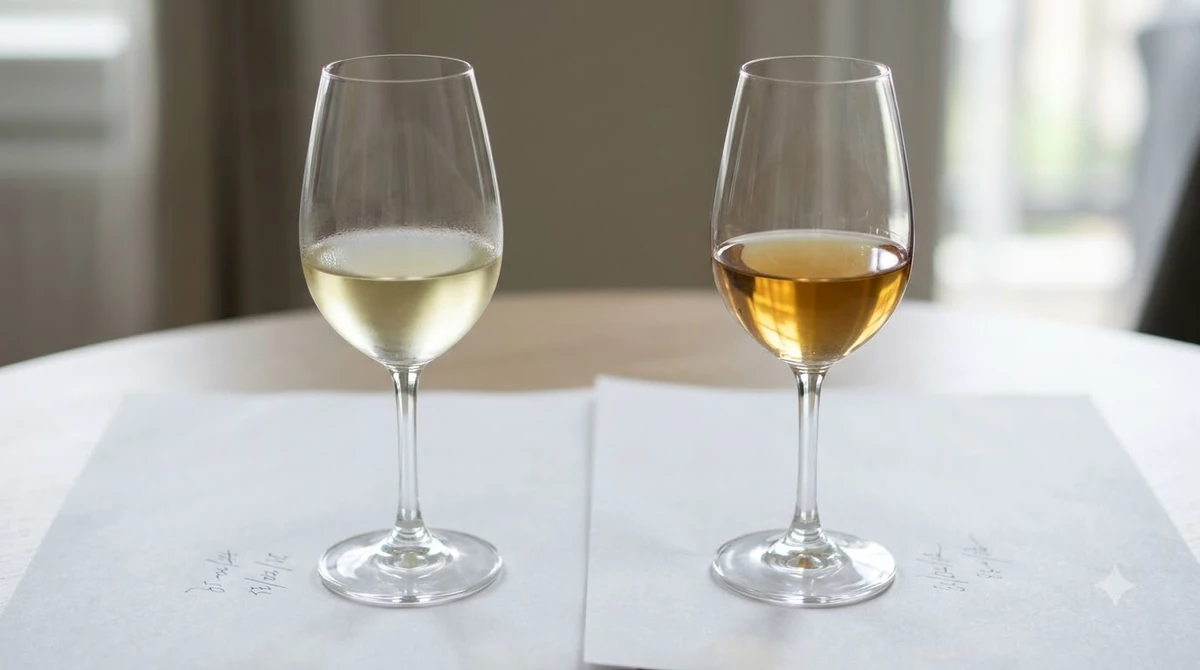
In Castelli di Jesi, vineyards occupy rolling hills around towns such as Jesi, Cupramontana, Staffolo, and Cingoli. The IMT regional consortium describes the Esino Valley as a corridor that runs parallel to the coast, receiving cool air from the mountains as well as maritime breezes from the Adriatic. It identifies chalky, sandstone, and clay soils, with vineyard elevations averaging about 80 to 450 meters and reaching roughly 600 meters in higher sites. These shifts in exposure, soil, and altitude help account for variation from village to village.
Look for Classico on Castelli di Jesi bottles when you want wine from the older, historic production area. Cupramontana is a well-known Classico community; Decanter’s regional tasting describes strong examples from its historic hillside vineyards as having notable depth and definition. Matelica lies farther inland in the Apennine foothills, away from the immediate influence of the sea. Decanter highlights its concentration, lively acidity, and lightly grippy texture. Neither area is automatically better: choose Castelli di Jesi for range and Matelica for a more compact, mineral, textural profile.
Verdicchio Flavor, Aroma, Acidity, and Texture
Verdicchio is usually dry, high in acidity, and savory rather than overtly perfumed. Citrus and orchard fruit provide the first impression, while almond, herbs, and a mineral or saline impression give the finish its recognizable character.
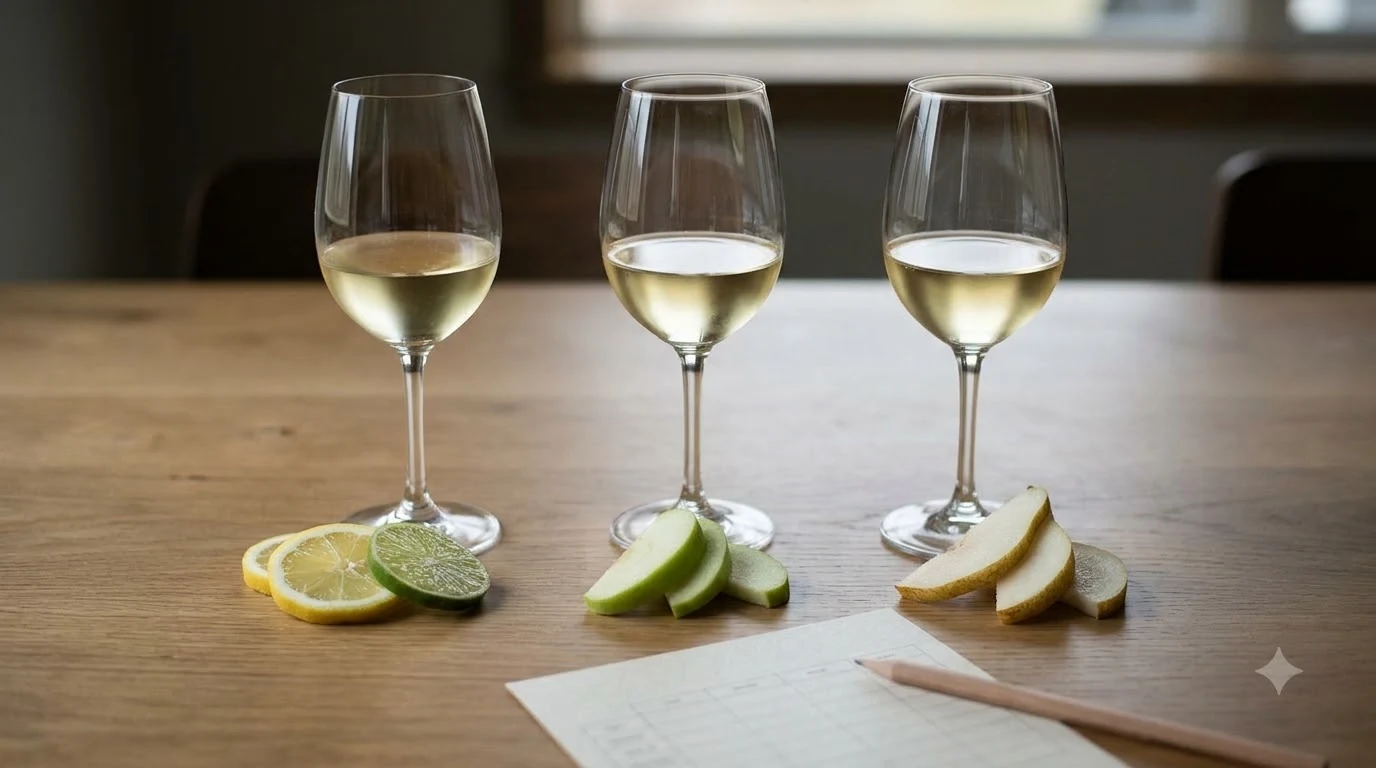
In a young bottle, expect lemon, lime, green apple, pear, and sometimes white peach. The aroma can also suggest white flowers, fennel, anise, fresh thyme, or sage. The regional consortium lists white-fleshed fruit, citrus, white and yellow flowers, almonds, fennel, and anise among its characteristic notes. Wine publications also emphasize vivid acidity and salty minerality, with bitter almond and wild herbs in the flavor profile.
The finish is a useful clue. Many dry Verdicchio wines end with a gentle almond-like bitterness that gives the wine a savory impression rather than a sweet one. Age can shift the fruit profile without removing freshness: Decanter describes youthful examples with green and red apple, pear, and white pepper, sometimes alongside chicory or radicchio, while mature wines can suggest yellow plum, quince, and resinous herbs. Texture varies by site and cellar choices, from brisk and light to firm and lightly tactile, especially in concentrated Matelica bottlings. Compared with a softer, rounder white, Verdicchio can feel brisk and almost bracing, especially when served straight from a very cold refrigerator. Letting the glass warm for a few minutes helps its fruit and herbal notes become easier to recognize.
Verdicchio Styles, Appellation Terms, and Winemaking
Most Verdicchio is made as a dry, still white wine, but the grape’s natural acidity also supports sparkling and sweet interpretations. Label terms such as Classico, Superiore, and Riserva describe origin or category, so they are more helpful than relying on a producer’s tasting language alone.
For Castelli di Jesi, Classico identifies wine from the older, historic part of the appellation. Classico Superiore is associated with lower grape yields per hectare in the vineyards. Riserva indicates an ageworthy category with extended maturation; Castelli di Jesi’s Riserva received DOCG recognition in 2010. Matelica also has a Riserva DOCG category. DOC and DOCG are Italian origin classifications, not simple sweetness or quality scales: the designation tells you which production rules and geographic boundaries apply. For this grape, knowing the appellation is a practical shortcut to understanding the wine’s origin and intended style.
| Label or style | What it tells you | Typical direction in the glass |
|---|---|---|
| Verdicchio dei Castelli di Jesi DOC | At least 85% Verdicchio; production zone spanning 25 municipalities | Dry, fresh, often citrus-led |
| Castelli di Jesi Classico | Grapes come from the historic core of the appellation | Can show added depth and site definition |
| Castelli di Jesi Classico Superiore | Classico origin with lower vineyard yields per hectare | Often more concentrated than a basic bottling |
| Castelli di Jesi or Matelica Riserva DOCG | Higher appellation category with extended ageing | More developed fruit, structure, and savory complexity |
| Spumante or Passito | Sparkling or dried-grape sweet style | From fresh and lively bubbles to sweet, concentrated wine |
Spumante is the sparkling expression and can be served as an aperitif or with food. Passito is made from dried grapes, concentrating sugars and flavors to create a sweeter, richer wine. In the cellar, stainless steel can preserve freshness and clear fruit, while lees ageing or larger vessels can build texture; oak is a producer’s choice rather than an inherent Verdicchio flavor. For a first bottle, start with a dry Castelli di Jesi DOC or Classico, then compare Matelica or Riserva for more texture. The broader Wine by Type section can help place these wines alongside other still, sparkling, and sweet categories.
Food Pairings for Verdicchio’s Bright Acidity
Verdicchio works especially well with seafood, shellfish, vegetables, and lighter meats because its acidity refreshes the palate and its savory finish handles herbs and salty flavors. Young wines suit delicate dishes, while fuller Matelica or Riserva bottlings can stand beside richer preparations.
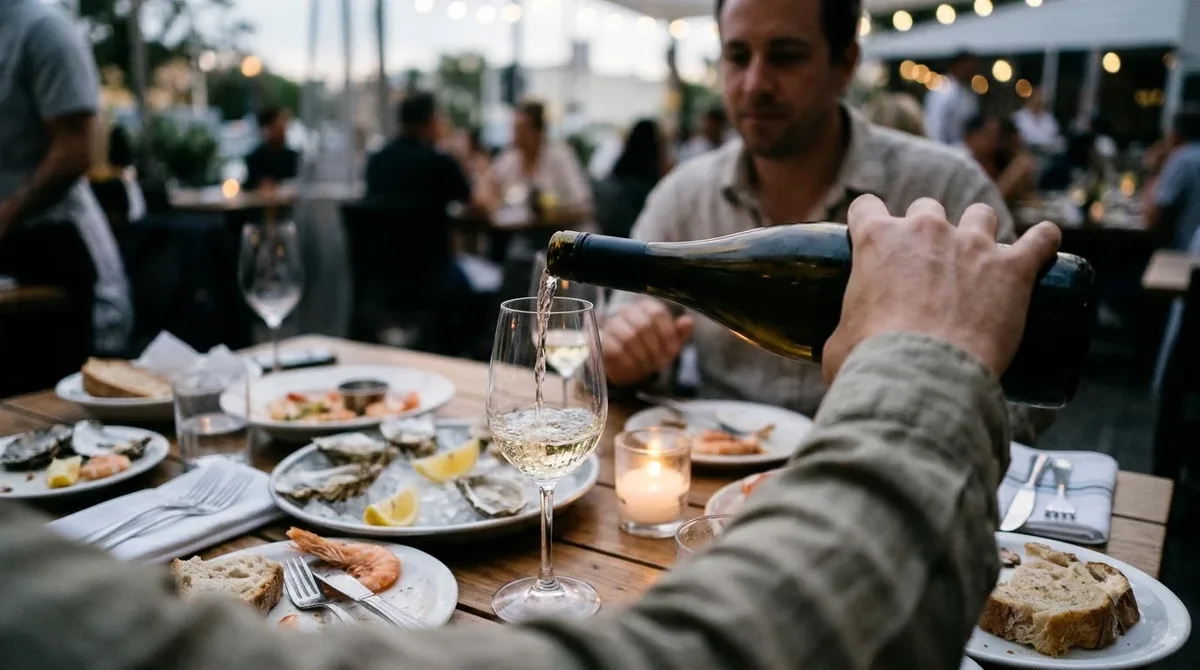
Start with the food traditions of Marche and the Adriatic. Grilled fish, shrimp, scallops, clams, mussels, and fried seafood all make sense with a dry, citrus-driven Verdicchio. Spaghetti alle vongole is a particularly natural match: the wine’s acidity cuts through olive oil, while its mineral and almond notes echo the briny shellfish. A grilled branzino with lemon, parsley, and olive oil is another reliable pairing. Vegetables work, too: try grilled artichokes, asparagus, fennel, spring peas, and salads with herbs. Verdicchio is notable for working with artichokes, an ingredient that can be difficult for many wines.
For pasta and rice, try vegetable or seafood risotto, or pasta with zucchini, clams, and spring vegetables. Younger examples also fit antipasti, crudo, and fritto misto. An older Riserva can accompany lobster pasta, fish stew, roast chicken, pork, or veal. Fresh or medium-aged Pecorino, especially with broad beans, reflects the Marche table and complements the wine’s herbal, nutty notes. Salt and fat soften perceived sharpness, making a modestly salty cheese or an olive-oil-rich dish a useful partner; for dessert, choose a wine at least as sweet as the food.
Tip: Match the weight of the bottle to the dish: serve a young, crisp Castelli di Jesi with raw fish or fried seafood, and save a concentrated Matelica or mature Riserva for lobster pasta, fish stew, or roast chicken.
For another point of comparison among Italian grapes, the Brachetto grape is a very different route: it is associated with aromatic, often sweet red wines, while Verdicchio is most often a dry white built around acidity and savory detail. The contrast helps when choosing a bottle for a meal rather than simply selecting by country.
How to Buy, Serve, and Store a Bottle
For a first purchase, choose a recent dry Castelli di Jesi DOC or Classico if you want fresh citrus, apple, and almond character. Move to Matelica or a Riserva when you prefer greater concentration, a firmer texture, or more developed notes from bottle age.
Read the appellation before focusing on tasting descriptors. Castelli di Jesi offers the broadest range of producers and styles, and Classico narrows the origin to the historic core. Matelica indicates an inland, mountain-influenced origin, while Riserva signals a more age-focused category in both major areas. The producer’s approach still matters, so a basic DOC from a careful grower may be more satisfying than a more ambitious label that does not suit your taste.
Serve most light, dry Verdicchio at about 45 to 50°F, cool enough to make the acidity refreshing without muting lemon, flowers, herbs, and almond aromas. More structured or mature bottles can be served around 50 to 55°F so their texture and developed aromas show more clearly. A standard white-wine glass and a pour of about 5 ounces are suitable; young, fresh Verdicchio generally needs no decanting. Give the wine a brief pause in the glass before judging it, since a cool serving temperature can initially restrain its fennel, anise, and floral character.
Store unopened bottles on their sides in a cool, dark place near 55°F, away from temperature swings and direct light. Once opened, close the bottle and refrigerate it; most still wines are best enjoyed within about 3 to 5 days. Fresh DOC bottlings are enjoyable young, but stronger examples, particularly Riserva wines from good sites and careful producers, can develop for years. Keeping a few bottles from the same producer or vintage makes it possible to compare youthful citrus with more savory, rounded notes later on.
Frequently Asked Questions
These answers cover a few points that can cause confusion when comparing Verdicchio with other Italian grapes and regional wine traditions.
Is Verdicchio known by another name in northern Italy?
Yes. Wine Enthusiast notes that the grape is also known as Turbiana in Lombardy and the Veneto, while Verdicchio is the familiar name in Marche. Regional naming can make labels look unrelated even when the grape identity is shared.
Is Verdicchio genetically related to Trebbiano di Soave?
Wine Enthusiast reports that Verdicchio has been found to be identical to Trebbiano di Soave and Trebbiano di Lugana, as well as Trebbiano Veltenesi. This is a reminder that grape names in Italy can change across regions and local wine traditions.
How did Verdicchio recover after phylloxera?
The regional consortium describes a revival beginning around the 1950s, when local entrepreneurs began replanting the grape after the damage caused by phylloxera. Later improvements in pruning, vineyard yields, harvest timing, and cellar work helped shift attention from volume toward quality.
Why is Verdicchio sometimes sold in an amphora-shaped bottle?
The distinctive bottle helped make the wine recognizable beyond Marche. The regional consortium credits architect Antonio Maiocchi with a modern amphora-inspired design that gained popularity during Verdicchio’s postwar revival and was widely imitated.
Can Verdicchio age for decades?
Some carefully made examples can. Wine Enthusiast describes Verdicchio as capable of ageing for years and even decades, although that potential depends on the producer, vineyard, vintage, and bottling style. For a first cellar experiment, choose a structured Riserva rather than assuming every simple young DOC is intended for long storage.
Verdicchio offers a clear sense of place, from the sea-influenced hills of Castelli di Jesi to inland Matelica, while keeping acidity and savory detail at the center of the wine. Start with a dry Classico alongside seafood or vegetables, then compare a Matelica or Riserva to discover how much range this Marche grape can offer.
More in Wine Types & Grapes
 What Does Mourvèdre Taste Like? Flavor Profile, Regions, and PairingsUpdated Nov 20, 2026
 What Does Marsanne Taste Like? Flavors, Styles, and Food PairingsUpdated Nov 20, 2026
 What Does Malvasia Taste Like? Styles, Flavors, and Food PairingsUpdated Nov 20, 2026
 What Does Grenache Blanc Taste Like? Flavor Profile, Styles, and PairingsUpdated Nov 20, 2026
 What Does Garnacha Taste Like? Key Flavors, Styles, and Pairing TipsUpdated Nov 20, 2026
 What Does Fruit Wine Taste Like? A Complete Flavor and Style BreakdownUpdated Nov 20, 2026