

We may earn a commission when you buy through links on this page, at no extra cost to you. Learn more.
What is pinot meunier? Pinot Meunier is a red-skinned wine grape best known as one of the three principal varieties used to make Champagne, alongside Pinot Noir and Chardonnay. It contributes approachable fruitiness, roundness, and supple texture to sparkling wines, making it an important part of many traditional Champagne blends. Although it was once considered less prestigious than its two blending partners, Pinot Meunier is increasingly attracting attention in its own right through distinctive single-variety Champagnes and still red wines.
Champagne’s familiar reputation often centers on Chardonnay’s freshness and Pinot Noir’s structure, but the third grape deserves equal attention. Pinot Meunier has a distinctive growing advantage in cooler conditions, a fruit-forward personality, and a history closely connected to the Marne Valley in northern France. Understanding this grape helps explain why some Champagnes taste rounder and more immediately approachable than others, and why producers are increasingly choosing to showcase Meunier rather than simply blend it into the background.
What Pinot Meunier Is and Where Its Name Comes From
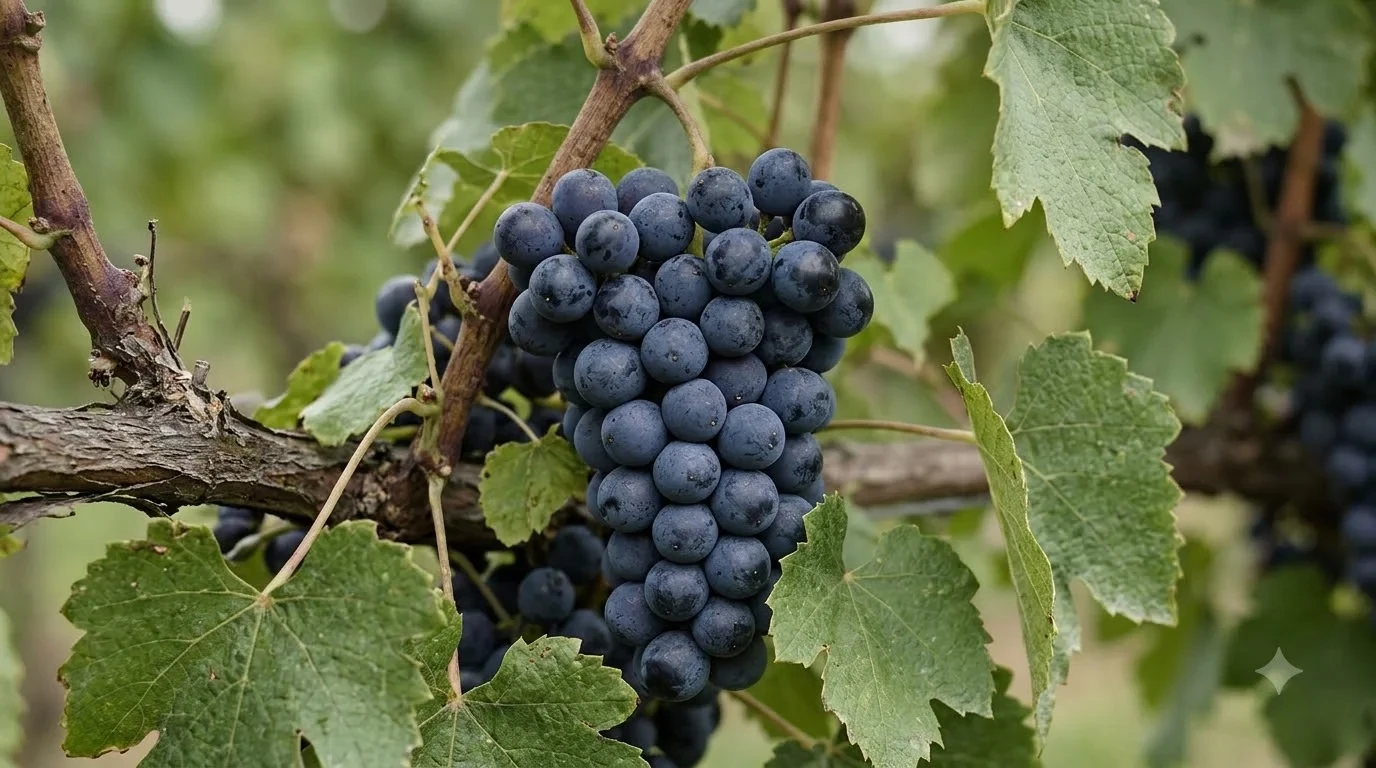
Pinot Meunier is a black-skinned grape variety with clear historical and genetic connections to Pinot Noir. It is particularly important in Champagne, where it provides fruitiness and a rounded texture that complement the other principal grapes. Its name also offers a clue to its unusual appearance in the vineyard.
The word Meunier translates from French as miller. The name refers to the flour-like, whitish appearance of the underside of the grapevine’s young leaves and buds. This powdery-looking covering makes the variety easier to distinguish from other Pinot-family vines, particularly during early vegetative growth.
Pinot Meunier is also called simply Meunier. In Germany, it is known as Schwarzriesling, although the name does not mean that it belongs to the Riesling family. The grape is genetically a mutation of Pinot Noir, and historical records identify it as a recognized variety during the 1500s, according to Decanter.
Despite its close relationship with Pinot Noir, Meunier has a personality of its own. Its fruit character, growing behavior, and contribution to sparkling wine make it a useful variety in cooler climates. Rather than reproducing Pinot Noir’s structure exactly, it tends to provide a softer, more immediately expressive impression.
Pinot Meunier is a red grape, but that does not mean Champagne made from it must be red or pink. Like Pinot Noir, it has colored skins and relatively pale juice. Winemakers can press the grapes gently and separate the juice from the skins to produce a white sparkling wine. This is why Meunier can appear in white Champagne despite being a black-skinned variety.
For readers learning the vocabulary of Champagne, the distinction between grape color and finished wine color is important. The term blanc de noirs describes a white sparkling wine made from dark-skinned grapes. A Champagne made entirely from Pinot Meunier therefore belongs to this category, even though its grape source is red.
The pronunciation can also be unfamiliar to English-speaking wine drinkers. Learning how to pronounce pinot meunier makes it easier to recognize the name in restaurant wine lists and conversations with wine professionals.
Why Pinot Meunier Thrives in Champagne
Pinot Meunier is especially valuable in Champagne because its growing cycle helps it cope with the region’s cool climate and spring frost risks. Its later budbreak gives it an advantage in vineyards where early spring weather can damage developing shoots.
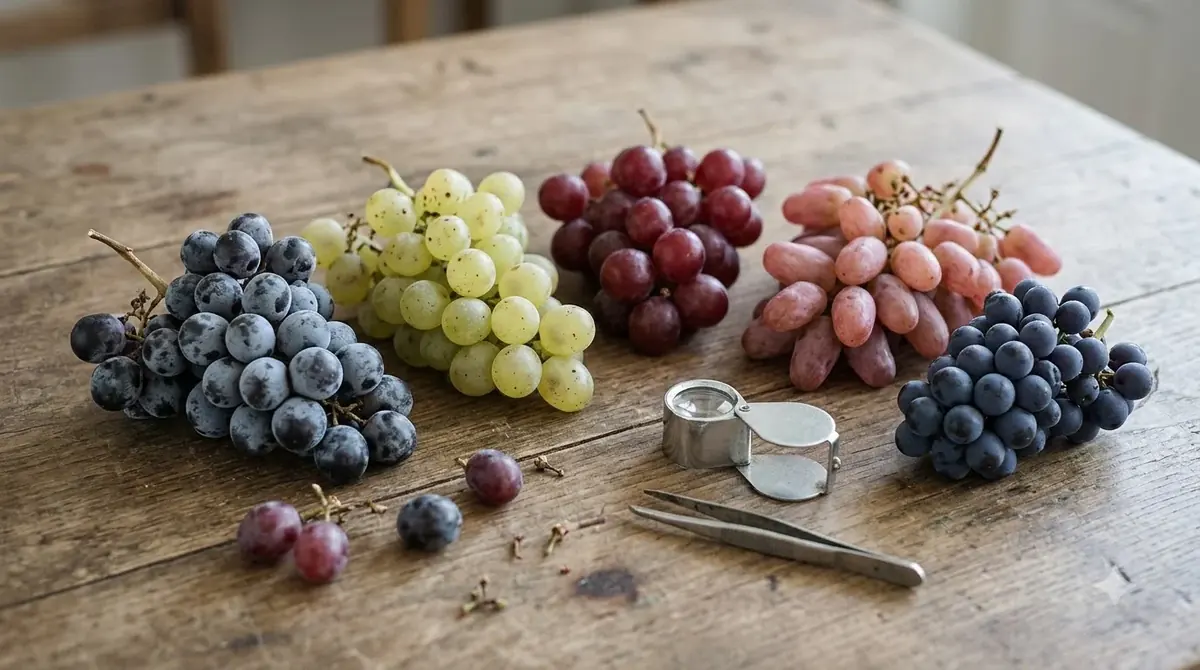
Champagne lies in northern France, where growers must work with a relatively cool growing environment. Spring frosts can threaten young vine growth, potentially reducing the amount of fruit available at harvest. Pinot Meunier begins its spring growth later than Pinot Noir and Chardonnay, reducing its exposure to some of these early-season dangers.
Its ability to perform in challenging conditions explains why the variety became particularly important in the Vallée de la Marne, or Marne Valley. This area stretches west from Épernay toward Château-Thierry, following the Marne River through a landscape of vineyard slopes and varied soils.
The valley’s clay-rich soils suit Meunier particularly well. The grape is also able to perform in mixed clay-and-chalk conditions, where its vigor and relatively dependable growing behavior help local producers maintain vineyard production.
According to the Comité Champagne, Pinot Meunier represents approximately 31% of Champagne’s vineyard plantings. This places it alongside Pinot Noir and Chardonnay as one of the region’s three dominant grape varieties. The precise percentages can vary between published regional summaries and vineyard statistics, but the broader point remains: Meunier is a major component of Champagne viticulture, not an obscure supporting grape.
The Comité Champagne’s explanation of its principal grape varieties describes how Meunier’s later budbreak and suitability for clay-rich soils help make it particularly valuable in the Marne Valley.
Its regional importance becomes clearer when comparing the three principal varieties:
| Grape variety | Approximate Champagne plantings | Main contribution | Associated growing area |
|---|---|---|---|
| Pinot Noir | 38% | Structure, body, and red-fruit character | Montagne de Reims and Côte des Bar |
| Chardonnay | 31% | Freshness, finesse, and floral or citrus notes | Côte des Blancs |
| Pinot Meunier | 31% | Roundness, suppleness, and fruitiness | Vallée de la Marne |
These figures are approximate regional planting shares reported by the Comité Champagne. They describe vineyard area rather than the percentage of each grape in an individual bottle. A particular Champagne can contain very different proportions depending on its producer, style, and intended character.
Meunier’s later budbreak is only one reason growers value it. The variety is vigorous and adapts well to conditions that can challenge other grapes. Its fruit can therefore provide consistency in a region where weather and vineyard location have a significant influence on the final wine.
Tip: When comparing Champagnes, look for the grape composition rather than assuming every bottle follows the same formula. A wine with a substantial Meunier component will often have a rounder, more fruit-forward character than a Chardonnay-dominant bottling.
What Pinot Meunier Tastes Like
Pinot Meunier is generally recognized for its fresh fruit, supple texture, and approachable character. Its aromas can include yellow apple, pear, apricot, peach, and other ripe fruit notes, with red-fruit accents and occasional floral or smoky nuances depending on the wine and production method.
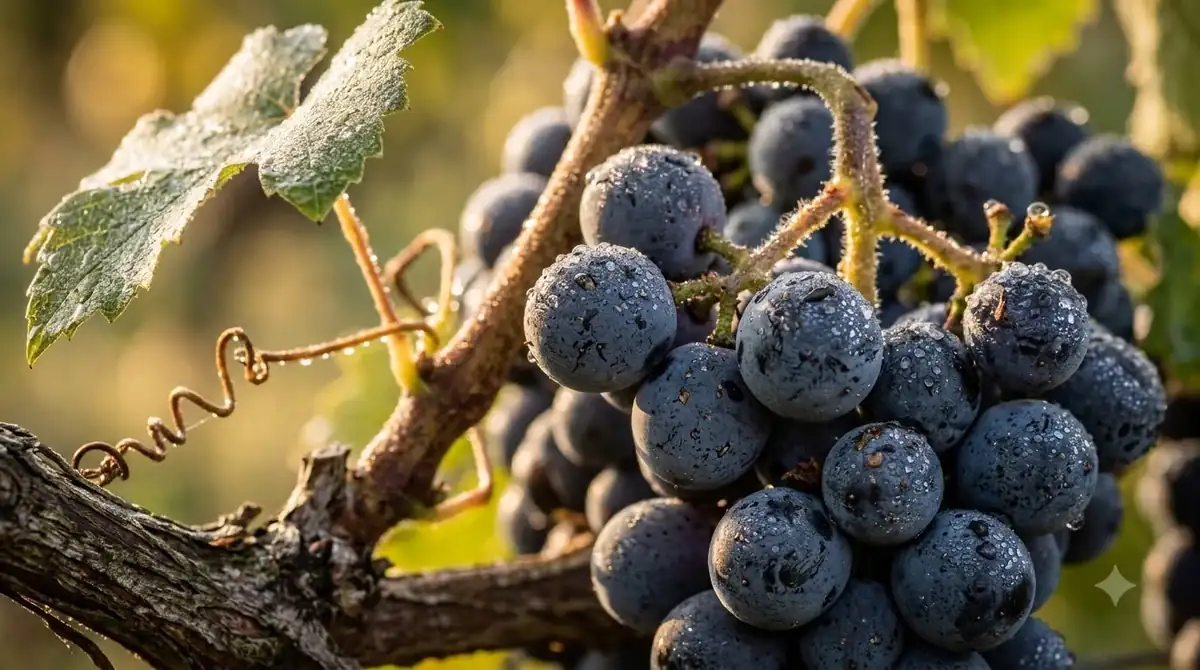
In Champagne, Meunier contributes an impression of roundness and youthful fruit. It can make a blend feel more generous and accessible, particularly when tasted alongside wines in which Chardonnay provides a sharper impression of freshness or Pinot Noir contributes more structure.
Its aroma profile is not limited to one specific fruit. Some bottlings emphasize crisp apple and pear, while others reveal peach, yellow plum, apricot, or ripe orchard fruit. These differences reflect vineyard location, harvest conditions, blending decisions, and winemaking techniques.
When made as a still wine, Pinot Meunier can have a lighter color and body than many people expect from a red grape. Red-fruit aromas, bright acidity, and gentle earthy or smoky notes can appear together. Depending on the producer, the wine may resemble a delicate, fruit-driven red rather than a deeply colored, heavily structured wine.
Decanter describes the variety as capable of contributing richness, weight, and red-fruit character to sparkling wine. This helps explain why its role extends beyond simply adding fruit. Meunier can influence the mouthfeel and overall balance of a blend, making the finished wine feel more complete.
There are several useful characteristics to look for when exploring Pinot Meunier:
- Fruit: Yellow apple, pear, apricot, peach, and sometimes raspberry or cherry.
- Floral notes: Delicate blossom-like aromas in some sparkling bottlings.
- Earthy nuances: Gentle smoky or mineral impressions, especially in certain still wines.
- Texture: A supple, rounded impression that can soften the overall feel of a Champagne blend.
- Freshness: Acidity that helps the wine remain lively rather than heavy.
These are typical sensory descriptions rather than a guaranteed checklist. A Meunier-dominant Champagne made with extended lees aging may have a very different character from a simple, youthful bottling. Likewise, a still red version from Germany or California may emphasize different aromas from one grown in Champagne.
For a more detailed breakdown of aromas, texture, and overall wine character, see our Pinot Meunier tasting notes.
How Pinot Meunier Compares With Pinot Noir and Chardonnay
Pinot Meunier, Pinot Noir, and Chardonnay perform different jobs in Champagne. Meunier contributes roundness and fruit, Pinot Noir provides structure and body, and Chardonnay brings freshness and finesse. Their contrasting characteristics allow winemakers to create balanced wines from a single region.
Although all three varieties can be used in traditional Champagne production, they do not produce interchangeable results. A producer choosing a blend with more Meunier is making a stylistic decision, not simply substituting one grape for another.
Pinot Meunier versus Pinot Noir
Pinot Noir is a black-skinned variety valued for its structure, body, and red-fruit character. It is widely associated with the Montagne de Reims and Côte des Bar, where its vineyard performance and resulting wines make it an important Champagne component.
Meunier tends to produce a softer and fruitier impression. Its later budbreak also gives it an important practical advantage in frost-prone areas. Pinot Noir, meanwhile, is often selected when the winemaker wants additional backbone and a more structured contribution.
Both grapes can produce red-fruit aromas, but Meunier often leans toward a more generous orchard-fruit profile. Neither variety should be judged solely by its grape name, since vineyard conditions and cellar decisions can significantly alter the final result.
Pinot Meunier versus Chardonnay
Chardonnay is a white-skinned grape that contributes freshness, finesse, and delicate floral and citrus aromas to Champagne. It is particularly associated with the chalk-rich vineyards of the Côte des Blancs.
Meunier offers a different kind of balance. Rather than emphasizing Chardonnay’s delicate citrus and floral profile, it tends to contribute more obvious fruit and a rounded texture. A blend containing both can combine Chardonnay’s freshness with Meunier’s generous fruit character.
For a simple comparison, the following descriptions are useful:
- Pinot Meunier: Roundness, supple texture, yellow fruit, and youthful approachability.
- Pinot Noir: Body, structure, red fruit, and a firmer framework.
- Chardonnay: Freshness, floral aromas, citrus character, and finesse.
Understanding these distinctions also makes Champagne labels easier to interpret. A blanc de blancs is made exclusively from white grapes, generally Chardonnay in Champagne, while a blanc de noirs is made from dark-skinned varieties such as Pinot Noir and Meunier. The finished color does not necessarily reveal the grape’s skin color.
How Pinot Meunier Is Used in Champagne and Other Wines
Pinot Meunier is best known as a blending grape in Champagne, but it can also take center stage in single-variety sparkling wines and still red or rosé bottlings. Its versatility allows producers to emphasize either its supporting role in a traditional blend or its individual character.
In many non-vintage Champagnes, Meunier provides fruitiness and roundness that make the wine appealing relatively early in its development. It can complement the structure of Pinot Noir and the freshness of Chardonnay, producing a blend with greater balance and complexity than any single component might offer on its own.
Traditional Champagne is produced using the bottle-fermentation method, also called the traditional method. After the initial wine is made, a second fermentation takes place in the bottle, creating the carbon dioxide responsible for the bubbles. The wine then spends time aging on its lees, which can contribute additional texture and aromas.
Meunier is particularly useful in non-vintage blends because its fruit-forward character can help provide an inviting profile. The grape does not need to dominate the composition to influence the final wine. Even a supporting proportion can affect the blend’s aroma, texture, and overall impression.
Single-variety Pinot Meunier Champagne
Some producers now make Champagne entirely from Pinot Meunier. These wines are generally classified as blanc de noirs because they are white sparkling wines made from dark-skinned grapes.
Single-variety bottlings make it easier to understand the grape’s individual contribution. Instead of tasting Meunier alongside Chardonnay and Pinot Noir, the drinker can focus on its fruit profile, acidity, texture, and the effects of the producer’s winemaking choices.
Decanter has documented the growing interest in these wines, including examples from producers such as Tarlant, Dehours, and Christophe Mignon. These producers demonstrate different approaches to showcasing Meunier, including single-vineyard bottlings and wines made entirely from the variety.
Such examples demonstrate that grape variety alone does not determine a wine’s aging potential. Vineyard quality, harvest conditions, acidity, fermentation choices, and lees aging all influence how a particular bottle develops.
Still red and rosé Pinot Meunier
Outside Champagne, the grape can be bottled as a still red or rosé wine. These versions are often lighter in color and body, with bright acidity and fresh fruit. Some also show earthy or smoky notes that make them interesting alternatives to more familiar light-bodied reds.
Germany, particularly Württemberg and Baden, has a history of growing the variety under the name Schwarzriesling. Other examples can be found in the Loire Valley, California, and New Zealand.
Still Pinot Meunier is less widely encountered than Champagne made with the grape. However, it is useful for wine drinkers interested in discovering a different expression of the Pinot family. Its lighter structure can make it suitable for casual meals, poultry, mushroom dishes, and a range of foods that do not require a powerful red wine.
Food Pairings and Serving Pinot Meunier
Pinot Meunier’s fruit-forward character, moderate structure, and refreshing acidity make it a flexible food wine. Champagne versions work particularly well with salty snacks, seafood, poultry, and creamy dishes, while still red examples can accompany roasted vegetables, mushrooms, and lighter meat preparations.
The best pairing depends on the style of wine rather than the grape name alone. A dry, crisp Meunier Champagne behaves differently at the table from a fuller vintage bottling or a still red version.
Food pairings for sparkling Pinot Meunier
Start with dishes that benefit from freshness and gentle fruit. Oysters, shrimp, crab, smoked salmon, and lightly seasoned white fish can complement the lively character of a dry Meunier Champagne. The wine’s bubbles and acidity help refresh the palate between bites.
Roast chicken is another dependable option. The mild savory character of the meat works with Meunier’s rounded fruit profile, while a Champagne with sufficient acidity can balance the richness of the skin and cooking juices.
Soft cheeses and creamy dishes can also work well. Brie, triple-cream cheese, and mushroom tartlets provide richness that the wine’s freshness can offset. Salty appetizers such as Parmesan crisps, cured ham, and savory pastries are also natural partners.
Food pairings for still Pinot Meunier
Still red Pinot Meunier is often a better match for dishes that do not overwhelm its relatively delicate structure. Roast chicken, grilled turkey, pork tenderloin, mushroom risotto, and roasted root vegetables are useful starting points.
Its fruit character can complement earthy ingredients such as mushrooms and lentils. A lightly chilled bottle can also work with charcuterie, pâté, and mildly seasoned sausages.
Avoid pairing delicate Meunier reds with heavily charred steaks or intensely spicy sauces that overpower their subtle fruit. Very tannic dishes and strong chili heat can make the wine seem less balanced.
For more specific serving suggestions, our Pinot Meunier food pairing article provides additional ideas for matching different styles with everyday meals.
Serving temperature and storage
Temperature makes a noticeable difference to the way Pinot Meunier expresses itself. Sparkling Champagne is best served between 40 and 50 degrees Fahrenheit. This range preserves its refreshing character and helps keep the bubbles lively without making the wine seem excessively cold.
Still light-bodied red Pinot Meunier is generally more expressive when served slightly cool, around 55 to 60 degrees Fahrenheit. Excessive warmth can make a delicate red seem heavier and emphasize alcohol rather than fruit.
Use a standard wine glass or a tulip-shaped sparkling glass that allows aromas to develop. Extremely narrow flutes can emphasize bubbles while making it harder to appreciate the wine’s more subtle fruit and floral aromas.
For an unopened bottle, store the wine in a cool, dark place with a reasonably consistent temperature. A cellar temperature near 55 degrees Fahrenheit is a useful target. Bottles sealed with traditional corks are generally stored horizontally to keep the cork from drying out.
Once opened, sparkling wine is best enjoyed within one to three days when properly refrigerated and sealed with a suitable sparkling-wine stopper. Still wines generally keep for three to five days in the refrigerator, although their aromas and freshness gradually change.
Buying and Understanding Pinot Meunier Wines
Finding Pinot Meunier is easiest if you begin with Champagne, where the variety is widely used in blends and increasingly appears in bottles that highlight it specifically. Reading the grape composition and regional information can help identify whether a wine offers a subtle supporting contribution or a more pronounced Meunier character.
Most Champagne labels emphasize the producer, appellation, and cuvée rather than listing every grape percentage prominently. A standard non-vintage Champagne may contain Pinot Meunier alongside Pinot Noir and Chardonnay, but the exact proportions depend on the producer’s house style and available wines from different harvests.
Look for terms such as Meunier, Pinot Meunier, 100% Meunier, or blanc de noirs when searching for wines that showcase the variety. A blanc de noirs label does not guarantee that the wine is exclusively Meunier, however, because Pinot Noir is also a dark-skinned Champagne grape.
For a clearer indication of the wine’s composition, producer descriptions and technical information can be useful. Some independent growers provide details about individual vineyard parcels, grape percentages, fermentation vessels, and time spent aging on lees.
Single-variety bottlings are especially helpful for learning what Meunier tastes like without the influence of other varieties. Comparing one with a Pinot Noir-based Champagne and a Chardonnay-based Champagne can make the differences in fruit character, texture, and freshness easier to identify.
Still Pinot Meunier is another worthwhile category to explore. German Schwarzriesling is one route, while examples from California, the Loire Valley, and New Zealand provide opportunities to compare how the grape responds to different climates and winemaking approaches.
Do not assume that every Meunier wine is designed for immediate drinking. The grape is often associated with youthful fruit and relatively early development, but individual wines can age successfully when their structure, acidity, and production methods support extended maturation. The range of single-variety Champagnes produced by specialist growers demonstrates why blanket assumptions about the variety’s longevity can be misleading.
For beginners, a practical approach is to start with a Champagne containing a meaningful proportion of Meunier, then compare it with a single-variety bottling. This makes it easier to recognize how the grape contributes to a blend and how it behaves when it is allowed to express itself independently.
The broader category of Wine by Type can also help place Meunier in context alongside other red grapes, sparkling wines, and regional wine styles.
Frequently Asked Questions
Is Pinot Meunier genetically related to Pinot Noir?
Yes. Decanter identifies Pinot Meunier as a genetic mutation of Pinot Noir. Their close relationship explains why both belong to the Pinot family, although they have different growing characteristics and wine styles. Meunier is also recognized by the alternative name Schwarzriesling in Germany.
Can Pinot Meunier be used to make rosé Champagne?
Yes. Pinot Meunier can contribute color and red-fruit character to rosé Champagne. Producers can use different permitted rosé-making approaches, including blending red wine into white base wine or using controlled skin contact. The resulting color and flavor depend on the winemaking technique.
Is Pinot Meunier the same grape as Müller-Thurgau?
No. Pinot Meunier and Müller-Thurgau are separate grape varieties despite the similarity between their names. Pinot Meunier is also called Schwarzriesling, while Müller-Thurgau is a different white grape variety developed through grape breeding. The German name Schwarzriesling should not be confused with Riesling.
Does Pinot Meunier have a special harvesting advantage?
Its relatively late budbreak and early ripening pattern can be advantageous in cooler growing regions. Later spring growth helps reduce exposure to frost, while early ripening can help growers bring in fruit before the end of the growing season becomes problematic. This combination is one reason the variety has been valuable in northern France.
Can Pinot Meunier be used to make vintage Champagne?
Yes. Pinot Meunier can be used in vintage Champagne as well as non-vintage blends. Vintage Champagne is made from grapes harvested in a single declared year, rather than combining base wines from multiple harvests as many non-vintage bottlings do. The variety can contribute fruit and texture to vintage wines, depending on the producer’s approach.
Pinot Meunier is much more than Champagne’s supporting grape. Its resilience in cool vineyards, fruit-forward character, and ability to bring roundness to sparkling wine make it an essential part of the region’s identity. Whether encountered in a traditional blend, a single-variety blanc de noirs, or a still red wine, Meunier offers a distinctive expression of the Pinot family that deserves attention.
For wine drinkers exploring Champagne beyond its most familiar grape varieties, Pinot Meunier is an excellent place to start. Comparing different blends and single-variety bottlings reveals just how much influence this often-overlooked grape can have on the character of a finished wine.
More in Wine Types & Grapes
 What Does Mourvèdre Taste Like? Flavor Profile, Regions, and PairingsUpdated Nov 20, 2026
 What Does Marsanne Taste Like? Flavors, Styles, and Food PairingsUpdated Nov 20, 2026
 What Does Malvasia Taste Like? Styles, Flavors, and Food PairingsUpdated Nov 20, 2026
 What Does Grenache Blanc Taste Like? Flavor Profile, Styles, and PairingsUpdated Nov 20, 2026
 What Does Garnacha Taste Like? Key Flavors, Styles, and Pairing TipsUpdated Nov 20, 2026
 What Does Fruit Wine Taste Like? A Complete Flavor and Style BreakdownUpdated Nov 20, 2026