

We may earn a commission when you buy through links on this page, at no extra cost to you. Learn more.
Where is champagne from? True Champagne comes only from the Champagne region of northeast France, about 90 miles east of Paris. The name is legally tied to that place and to a set of strict production rules. Sparkling wines made anywhere else cannot legally carry the name in most countries, including the European Union.
This guide explains where Champagne is made, which grapes go into it, and how the wine is produced. It also shows you how to tell it apart from other sparkling wines and how to read a label before you buy.
What Makes Champagne Champagne
Champagne is a sparkling wine with a legal identity, not just a style. The name refers to a protected appellation, which means the wine must come from a defined area and follow defined rules. Those rules cover where grapes grow, how they are pressed, and how long the wine ages before release.
The name carries real legal weight. According to the Wikipedia entry on Champagne, only wines bottled within the Champagne region and made from permitted grapes may be called Champagne. The Champagne trade body has also built a detailed rulebook covering vineyard practices and the minimum time wine must rest on its lees.
Many people use the word champagne as a casual term for any bubbly. Legally and in the wine trade, that usage is wrong. A sparkling wine from California, Spain or New York may be excellent, but it is not Champagne. Knowing this difference helps you choose what you actually want to drink.
The Champagne Region of France
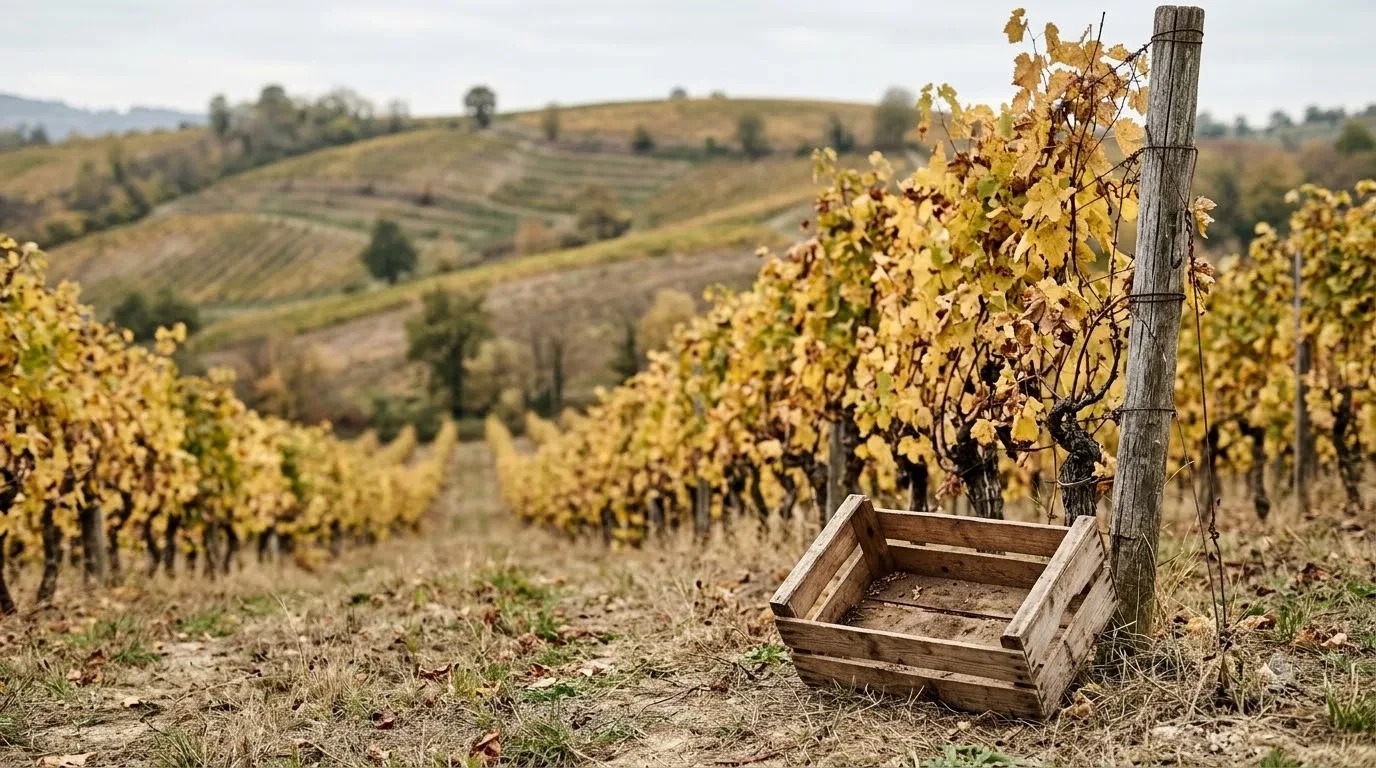
The Champagne region sits in northeast France, and its vineyards are the only place where true Champagne is produced. The appellation is defined by law, and its boundaries have been fixed since 1927. Any wine labeled Champagne must come from inside those lines.
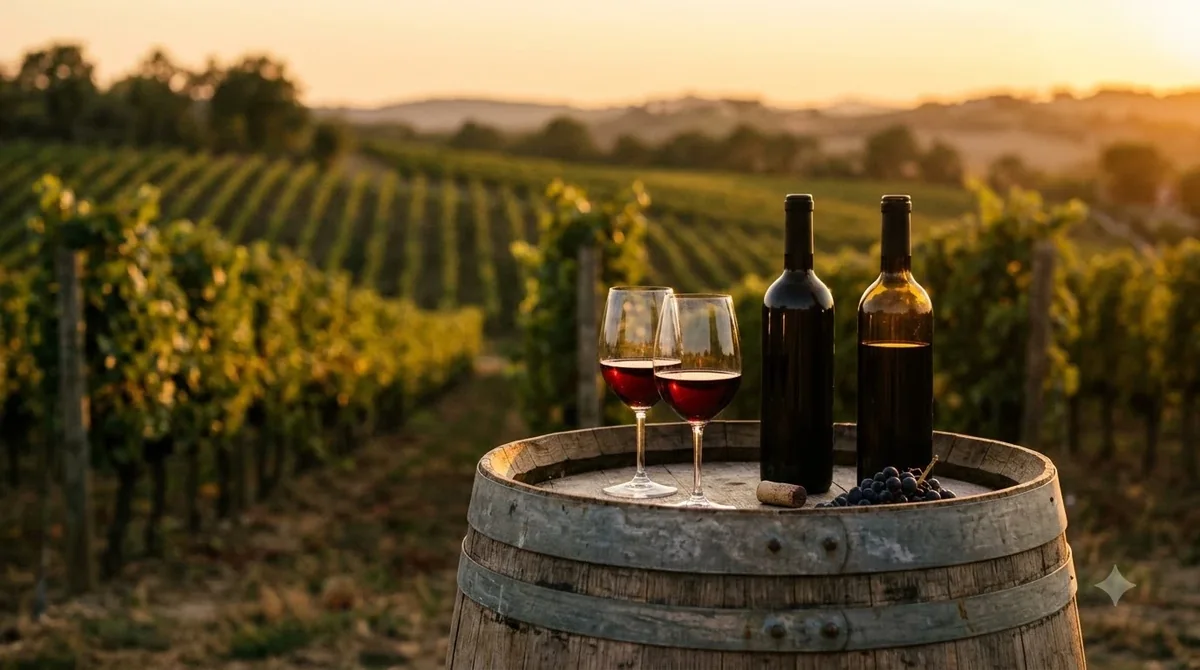
The vineyards are spread across five departments, but most of the land lies in the Marne. According to the French national appellation authority INAO, the vineyards are mostly on hillsides planted between roughly 90 and 300 metres above sea level, with chalky soils. That chalk matters, because it shapes the acidity that gives Champagne its freshness.
The region is not one uniform zone. Four main sub-regions make up the vineyards: Montagne de Reims, the Marne Valley, Côte des Blancs and Côte des Bar. Each has its own soil and exposure, so the same grape can taste different from one area to the next. This variety is why Champagne houses blend wines from many villages.
| Area | Main grape focus | Why it matters |
|---|---|---|
| Montagne de Reims | Pinot noir and Chardonnay | Wooded, hilly terrain that adds structure |
| Marne Valley | Meunier and Pinot noir | Steep slopes on both sides of the river |
| Côte des Blancs | Chardonnay | Chalk slopes that suit white grapes |
| Côte des Bar | Pinot noir | Southern area that is mostly red grape country |
Key Grapes Used in Champagne
Three grapes account for almost all Champagne. Pinot noir, Pinot meunier and Chardonnay are the core varieties, and each contributes something different to the blend. Smaller amounts of other permitted varieties exist, but most bottles rely on these three.
Pinot noir brings body, red-fruit notes and backbone. Pinot meunier adds roundness and fruit that drinks well early. Chardonnay contributes freshness, citrus and a fine, lingering texture. Many Champagnes blend two or three of these, which is why the final wine can taste rich yet crisp.
Blanc de blancs is a Champagne made only from white grapes, usually Chardonnay. Blanc de noirs is made from red grapes, usually Pinot noir and Meunier, though the juice is pressed so the wine stays white. If you prefer a lighter, more citrusy style, look for blanc de blancs on the label.
How Champagne Is Made
Champagne is made by the traditional method, where the bubbles come from a second fermentation inside the bottle. This step is slower and more labor-intensive than tank methods, and it is one reason Champagne often costs more than other sparkling wines. The process also gives the wine its fine, persistent bead.
The basic sequence is consistent across producers, though each house guards its own recipe and timing. Growers harvest by hand in many cases, and the grapes are pressed gently to limit harsh tannins and color. The first fermentation turns the juice into a base wine, which is then blended.
- Harvest the grapes and press them gently to separate the clear juice.
- Ferment the juice into a still base wine, then blend wines from different vineyards and years.
- Add a measured mix of yeast and sugar to the blended wine and seal it in a bottle.
- Let the second fermentation take place in the bottle, which creates carbonation.
- Age the wine on its lees for the required period, which the regional rules set out.
- Remove the lees, top up the bottle and cork it for sale.
The bottle-fermentation method has a long history in the region. Sources note that it was developed over centuries, and the modern method was not standard until well after the first sparkling wines appeared. The aging on lees is a major source of the toasty, bready aromas that many drinkers associate with good Champagne.
Champagne vs. Other Sparkling Wines
Champagne differs from other sparkling wines mainly in geography, grapes and rules. Sparkling wines from other places may use the same bottle method, but they cannot use the Champagne name. Each region has its own term, which is one way to recognize what you are buying.
Spain uses the term Cava for many of its traditional-method sparkling wines, and you can learn more about those in our guide to where cava comes from. Italy’s Prosecco, made mainly from the Glera grape, is usually fruitier and is often made by a tank method. For that style, see our overview of where prosecco is from.
| Feature | Champagne | Other sparkling wines |
|---|---|---|
| Place of origin | Champagne region, France only | Many regions worldwide |
| Legal name | Protected appellation | Local terms such as Cava, Prosecco or Crémant |
| Typical grapes | Pinot noir, Pinot meunier, Chardonnay | Varies, including Glera, Macabeo and others |
| Production method | Second fermentation in the bottle | Bottle or tank method, depending on style |
In the United States, the rules are also specific. Wine labels may not use the term Champagne for new American brands, though some older labels that were approved earlier may still use it with the true origin shown. Many American sparkling wines avoid the word entirely.
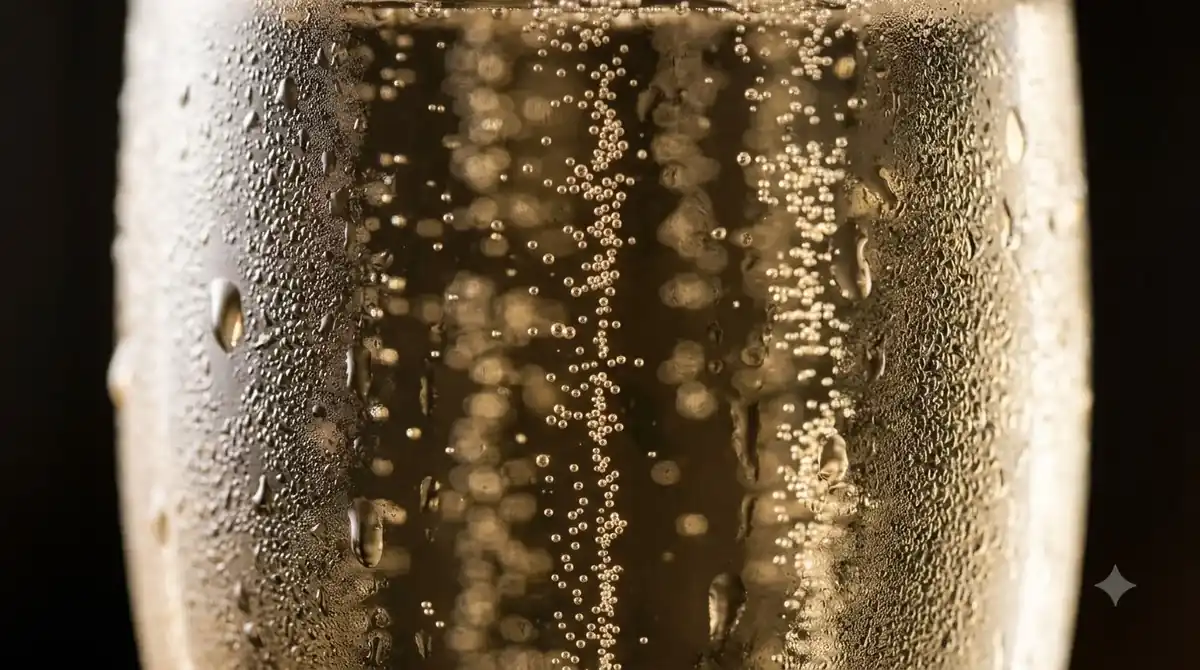
Taste is the other clue. Champagne usually shows fine bubbles, crisp acidity and layered notes of citrus, white fruit and, with age, toast. Other sparkling wines can be fruitier, sweeter or simpler, and none of these traits is a guarantee, so the label and origin remain the most reliable check.
How to Read a Champagne Label
A Champagne label holds several clues about style and sweetness. The words Champagne and the producer name confirm the origin. Other terms describe how dry the wine is and what grapes it contains.
- Look for the word Champagne on the front, along with the producer’s name.
- Check the sweetness term, such as Brut, Extra Brut or Demi-Sec, which describes residual sugar.
- Look for blanc de blancs or blanc de noirs if you want a clear grape profile.
- Find a vintage year if the wine is made from one harvest, which is less common than blended non-vintage bottles.
- Check the importer or distributor details if you want to confirm the bottle came through legal channels.
Sweetness terms are often the most useful for a buyer. Brut is the most common dry style, while Demi-Sec is noticeably sweeter. If you want a wine for dessert, check the sweetness term rather than guessing from the color or the bottle design.
Rosé Champagne is also made in the region, usually by blending a little red wine into the base or by soaking red-grape skins briefly. If you are curious about pink sparkling styles more broadly, our guide to where rosé comes from covers the wider picture.
Buying, Storing and Pairing Champagne
Champagne is an easy wine to enjoy with food, because its acidity and bubbles cut through rich and salty flavors. Dry styles pair well with oysters, fried snacks, roast chicken and soft cheeses. Sweeter styles can match fruit desserts, though they should be sweeter than the dessert itself.
Store unopened bottles on their side in a cool, dark place away from heat and vibration. The manufacturer or the bottle label may give storage advice, and it is worth following it. Once opened, a Champagne stopper will hold some fizz for a day or two, though the wine loses its sparkle over time.
When you buy, look for a reputable retailer that stores bottles properly. Ask staff which style fits your meal, and compare the sweetness term with your plans. Serve Champagne chilled but not ice cold, and pour in a tall flute or a wide white-wine glass. Drink responsibly, and choose a smaller pour if you are driving or have other plans.
Frequently Asked Questions
Can any sparkling wine be called Champagne?
No. The name is a protected appellation, and only wines from the Champagne region of France that follow its rules can use it. Many countries honor this protection through trade agreements. Sparkling wines from other places must use their own names, such as Cava or Crémant.
Where exactly is the Champagne region?
The region is in northeast France, roughly 90 miles east of Paris. Its vineyards cover several departments, with most of the land in the Marne. The boundaries of the appellation have been fixed by law since 1927.
Which grapes are used to make Champagne?
Pinot noir, Pinot meunier and Chardonnay make up almost all Champagne. Small amounts of other permitted varieties exist, but most bottles use these three. Blends of two or three grapes are common, and each grape adds its own character.
How can I tell if a bottle is real Champagne?
Check the label for the word Champagne alongside a producer name, and confirm the origin is France. Be cautious with bottles that use the name without a French origin. If you are unsure, buy from a trusted retailer and ask about the bottle’s source.
Knowing where Champagne comes from helps you read labels and make better choices. For a broader look at styles and categories, browse our Wine by Type guides. Start with a dry Champagne, then compare it with another sparkling wine to see how the region shapes the taste.
More in Wine Types & Grapes
 Zinfandel Sugar Content: Dry Red vs. White Zinfandel GramsUpdated Nov 21, 2026
 Best Zinfandel Substitute Options for Sipping and CookingUpdated Nov 21, 2026
 Zweigelt Food Pairing: Best Dishes, Cheeses, and Serving TipsUpdated Nov 21, 2026
 Zinfandel Tannins Explained: How Structure Shapes Every BottleUpdated Nov 21, 2026
 Zinfandel Sweetness Level: Dry Red vs. Sweet White Zin ExplainedUpdated Nov 21, 2026
 Xinomavro Food Pairing: Best Dishes, Styles, and Serving TipsUpdated Nov 21, 2026