

We may earn a commission when you buy through links on this page, at no extra cost to you. Learn more.
Pinot Meunier tasting notes center on bright red fruits like tart cherry, raspberry, and pomegranate, paired with floral rose petal aromas, earthy mushroom undertones, and a soft, supple texture. Grown primarily as one of Champagne’s three flagship grapes, this thin-skinned red variety delivers medium-light body, low tannins, and lively medium-high acidity. Whether vinified as a crisp sparkling wine or a delicate still red, it offers immediate fruit-forward charm with a subtle mineral or spicy finish.
Long overshadowed by its famous genetic relative Pinot Noir, Pinot Meunier has spent centuries as the reliable backbone of classic Champagne blends. Today, however, grower-producers and cool-climate winemakers around the globe are bottling 100% varietal expressions that highlight its expressive aromatics and effortless drinkability across Wine by Type categories.
What It Is
Pinot Meunier is a black-skinned, cool-climate wine grape best known as one of the three primary varieties used in Champagne, alongside Pinot Noir and Chardonnay. Botanically a chimeric genetic mutation of the Pinot family, it takes its French name—which translates to “miller”—from the fine, powdery white hairs covering the undersides of its leaves and young shoots.
In the vineyard, growers prize this variety for its resilience in marginal, frost-prone climates. Because it buds later in the spring than Pinot Noir and ripens earlier in the autumn, it routinely dodges late-spring freezes and autumn rains that threaten more temperamental vines. That hardiness explains why winemakers historically relied on it as an insurance policy in northern France.
Depending on where a bottle is produced, you will see several regional synonyms on the label. In France, many modern winemakers drop the “Pinot” prefix and label their bottlings simply as Meunier. In Germany and Austria, it is officially known as Schwarzriesling or Müllerrebe, while growers in the United Kingdom sometimes refer to an older local clone as Wrotham Pinot.
Flavor and Styles
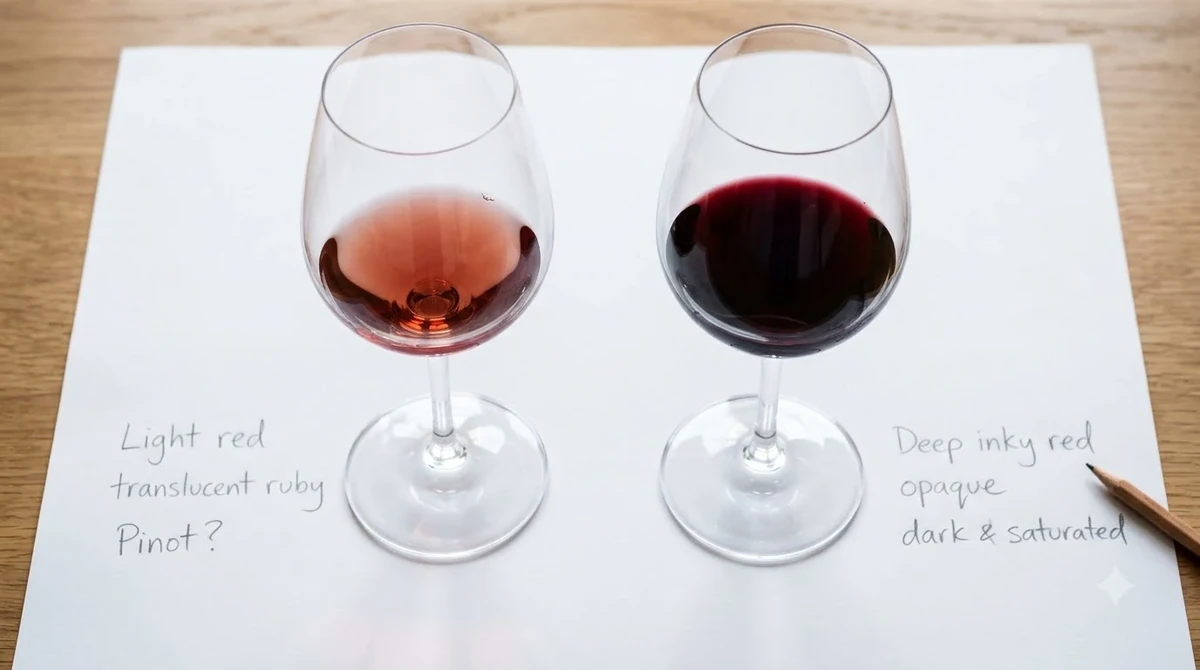
In the glass, Pinot Meunier produces pale-pigmented, aromatic wines defined by tart red berries, floral lift, and a round, juicy mouthfeel. According to Wine Folly, primary flavor markers include tart cherry, pomegranate, rose, potting soil, and mushroom, supported by low tannins and medium-high acidity.
When made into traditional-method sparkling wine—either as a Blanc de Noirs or a single-varietal cuvée—the grape brings immediate fruitiness and a plush mid-palate texture. Reviewers at Wine Enthusiast note that top Champagne expressions often open with green apple, peach, and bright red fruit before tapering into a subtle, chalky minerality on the finish. While conventional wisdom once held that Meunier-driven sparkling wines had to be drunk young, extended lees aging reveals layers of honey, toasted brioche, and dried orchard fruit.
As a still red wine, Pinot Meunier behaves much like a lighter, more perfumed cousin to Pinot Noir, reminiscent in weight to wines covered in our pinot blanc tasting notes guide rather than heavy reds. Producers in Oregon and Germany frequently ferment it in neutral oak or stainless steel to preserve its fresh raspberry, wild strawberry, and red plum character. Underneath the vibrant fruit, you will typically notice delicate notes of white pepper, baking spice, and damp forest floor, anchored by silky tannins that never feel astringent.
| Wine Style | Primary Aromas & Flavors | Structure & Body | Typical ABV Range |
|---|---|---|---|
| 100% Meunier Champagne (Blanc de Noirs) | Green apple, yellow peach, tart cherry, brioche, wet chalk | Medium-light body, vibrant acidity, creamy mousse | 12% to 12.5% |
| Sparkling Rosé | Wild strawberry, watermelon rind, rose petal, blood orange | Crisp, dry, delicate phenolic grip | 12% to 12.5% |
| Still Red Wine | Red raspberry, Montmorency cherry, potting soil, white pepper | Light to medium-light body, low tannins, bright finish | 10% to 11.5% |
| Still Rosé | Cranberry, pomegranate, subtle smoke, dried herbs | Light-bodied, bone-dry, snappy acidity | 11% to 12% |
Where It Grows
Roughly 80% of the world’s Pinot Meunier vines are planted in France, with the vast majority concentrated in the cool, clay-rich soils of the Champagne region. Within Champagne, the grape accounts for roughly one-third of all vineyard plantings—making it nearly equal in acreage to Pinot Noir and Chardonnay.
Its true spiritual home is the Vallée de la Marne, which stretches west from Épernay along the Marne River. Here, heavier clay and sand subsoils retain moisture and stay cooler than the pure chalk slopes of the Côte des Blancs, creating ideal conditions for Meunier to ripen fully without losing its signature acidity. Outside Champagne, smaller pockets of French plantings survive in the Loire Valley, where growers turn the grape into crisp, slightly smoky still rosés and light reds.
Beyond France, several cool-climate regions have carved out strong reputations for varietal bottlings. Germany cultivates substantial acreage—primarily in Württemberg and the Pfalz—where Schwarzriesling is vinified into soft, fruit-forward red wines. In the United States, Oregon’s Willamette Valley has become a hub for single-varietal still reds and sparkling rosés, while England’s chalk slopes in Hampshire and Kent and cool sites in Victoria, Australia produce acclaimed sparkling and old-vine still expressions.
How to Serve
Proper serving temperature unlocks Pinot Meunier’s delicate floral and red-berry aromatics while keeping its lively acidity in balance. Serve still red bottlings slightly chilled at 55°F to 60°F (12°C to 15°C), and chill sparkling expressions to roughly 45°F (7°C) so the bubbles stay fine and persistent.
If a still bottle comes straight from a warm kitchen counter, place it in the refrigerator for 20 to 30 minutes before pouring. Serving red Pinot Meunier too warm dulls its tart cherry snap and can make the alcohol feel disjointed, whereas a light chill accentuates its refreshing, juicy texture. For sparkling Meunier, avoid serving it ice-cold straight from a deep freeze; letting the glass warm slightly over ten minutes allows the riper peach, brioche, and spicy notes to emerge.
Glassware choice also makes a noticeable difference. Choose a wide-bowled Burgundy or aroma-collector glass for still reds to trap volatile rose petal and forest-floor aromas. For sparkling versions, skip narrow flutes in favor of a tulip-shaped sparkling glass or standard white wine stem so the wine’s creamy texture and orchard fruit aromatics can open up. Young still reds benefit from a brief 30-minute decant to soften any initial reductive edges.
Tip: When pouring still Pinot Meunier at dinner, keep the bottle in a cool room or an ice bucket filled with cold water (and just a handful of ice) between pours so it stays in that ideal 55°F to 60°F window.
Food Pairing
Thanks to its low tannins, bright acidity, and savory mushroom undertones, Pinot Meunier is one of the most versatile food wines at the dinner table. It shines alongside earthy vegetarian dishes, roasted poultry, pork, and rich seafood without ever overwhelming delicate sauces.
Because the grape naturally carries subtle umami notes of forest floor and truffle, wild mushroom dishes make an effortless match. Try a still Willamette Valley Pinot Meunier with sautéed chanterelles, mushroom risotto, or herb-roasted chicken. Its tart cranberry and cherry profile also cuts cleanly through the richness of roast duck, glazed pork tenderloin, and holiday turkey—much like the lighter reds detailed in our grenache tasting notes article, though with noticeably lighter weight and higher acid.
Sparkling Blanc de Noirs and rosé styles expand your pairing options even further. The cleansing carbonation and brisk acidity slice through fried appetizers, baked brie, cured charcuterie, and seared salmon. Avoid heavy, heavily charred steaks or sweet barbecue sauces, which require firmer tannic grip—a role better suited to bold reds found in our petit verdot tasting notes guide.
How to Choose a Bottle
Because Pinot Meunier appears in both blended sparkling wines and single-varietal bottles, reading the front and back labels carefully is the easiest way to find the style you want. Look for regional origin, percentage disclosures, and dosage terms to predict whether a bottle will taste crisp and chalky or plush and fruit-driven.
If you want to experience the grape’s pure character in sparkling form, search for grower Champagnes from the Vallée de la Marne labeled “100% Meunier” or “Blanc de Meunier”. Many larger Champagne houses blend 15% to 40% Meunier into their non-vintage Brut cuvées for roundness, whereas smaller artisanal growers bottle single-vineyard parcels that showcase village-specific terroir. Check the sweetness level on the label: Brut Nature (0 to 3 grams per liter of residual sugar) and Extra Brut (0 to 6 grams per liter) highlight brisk minerality, while standard Brut (up to 12 grams per liter) rounds out the grape’s natural tartness.
When shopping for still red or rosé expressions, look toward cool-climate producers in Oregon’s Willamette Valley, Germany’s Pfalz and Württemberg regions, or Victoria in Australia. Bottles matured in neutral oak barrels or stainless steel will give you the purest snapshot of fresh raspberry, rose petal, and white pepper, whereas wines aged in new oak will lean toward vanilla and baking spice. Most still bottlings are crafted for vibrant, youthful drinking within three to five years of the vintage date, though top single-vineyard sparkling cuvées can cellar gracefully for 10 years or longer.
Frequently Asked Questions
Is Pinot Meunier sweeter than Pinot Noir?
No, Pinot Meunier is fermented completely dry in almost all still and Brut sparkling styles. It often perceives as slightly sweeter than Pinot Noir on the mid-palate because its ripe red berry fruit is more forward and its tannins are much softer, but its high natural acidity keeps the finish crisp and dry.
Why is Pinot Meunier called the miller grape?
The French word “meunier” translates directly to “miller”. The grape earned this nickname because the undersides of its leaves and young shoots are covered in fine white down that looks as though they have been lightly dusted with flour.
Can you find 100% Pinot Meunier wine?
Yes, 100% Pinot Meunier wines are increasingly easy to find as both sparkling cuvées and still reds. Grower-producers in Champagne’s Vallée de la Marne craft single-varietal Blanc de Noirs bottlings, while winemakers in Oregon, Germany, England, and Australia produce varietal still reds and rosés.
Does Pinot Meunier age well?
Still red Pinot Meunier is generally best enjoyed within a few years of harvest while its fresh raspberry and floral notes are at their peak. However, top-tier single-varietal Meunier Champagnes aged on their lees can develop complex honey, brioche, and savory depth over 10 years or more in a cool cellar.
Once dismissed as a supporting player in French sparkling blends, Pinot Meunier rewards curious drinkers with vivid red fruit, silky texture, and unmistakable charm. Pour a lightly chilled glass alongside roasted poultry or earthy mushrooms to experience why this historic grape is finally claiming center stage.
More in Wine Types & Grapes
 What Does Mourvèdre Taste Like? Flavor Profile, Regions, and PairingsUpdated Nov 20, 2026
 What Does Marsanne Taste Like? Flavors, Styles, and Food PairingsUpdated Nov 20, 2026
 What Does Malvasia Taste Like? Styles, Flavors, and Food PairingsUpdated Nov 20, 2026
 What Does Grenache Blanc Taste Like? Flavor Profile, Styles, and PairingsUpdated Nov 20, 2026
 What Does Garnacha Taste Like? Key Flavors, Styles, and Pairing TipsUpdated Nov 20, 2026
 What Does Fruit Wine Taste Like? A Complete Flavor and Style BreakdownUpdated Nov 20, 2026