
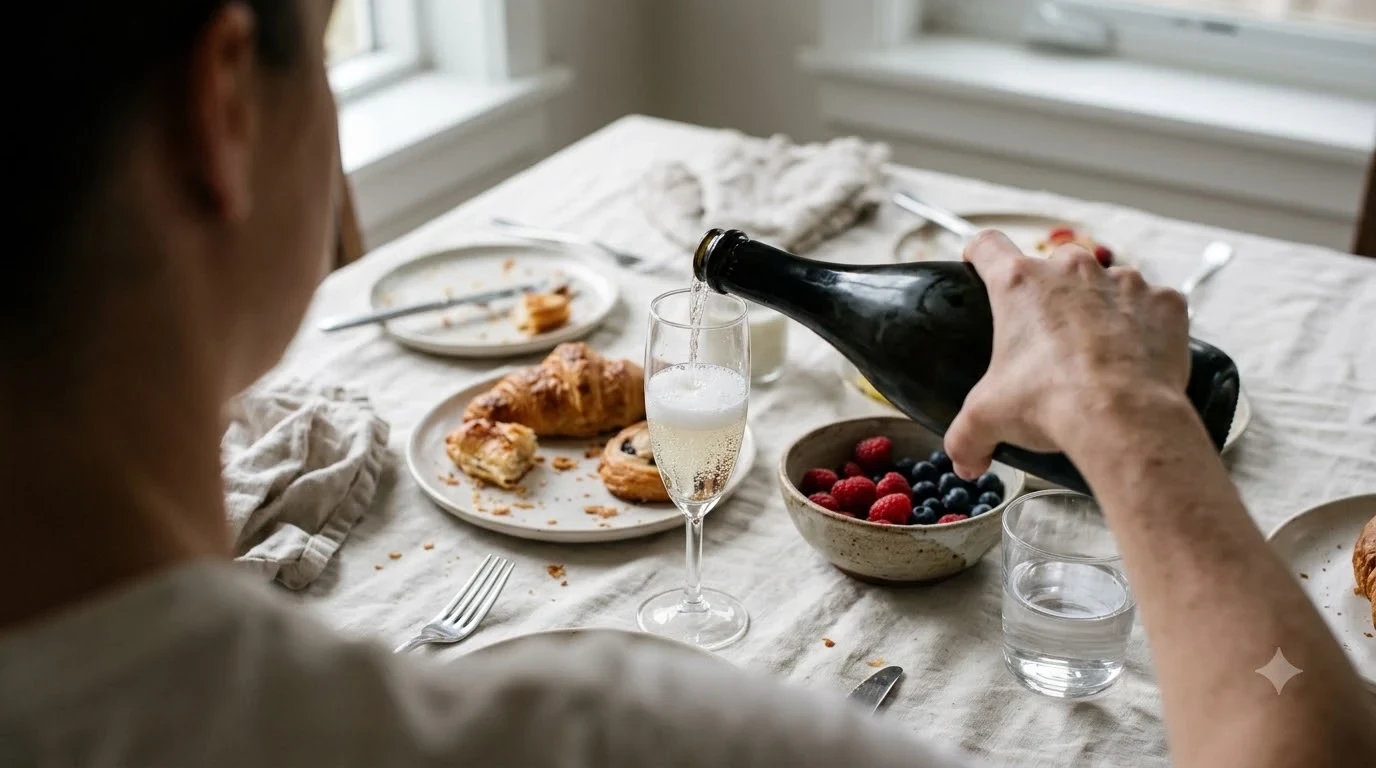

We may earn a commission when you buy through links on this page, at no extra cost to you. Learn more.
The best pinot meunier food pairing matches the grape’s bright red fruit, brisk acidity, and gentle tannins with savory dishes like roast duck, pork tenderloin, wild mushroom risotto, and herb-roasted poultry. Because Pinot Meunier sits on the lighter side of the red wine spectrum, it refreshes the palate without drowning out delicate meats or earthy vegetables. Whether poured as a still red or a sparkling blanc de noirs, its tart cherry and forest floor notes bridge the gap between rich fats and subtle herbal seasonings.
Long treated as a background blending partner in Champagne, Pinot Meunier has stepped into the spotlight as a standout single-varietal wine from France to Oregon’s Willamette Valley. Understanding how its crisp structure interacts with fat, umami, and mild spice makes it one of the most adaptable bottles you can bring to the dinner table.
What It Is
Pinot Meunier is a black-skinned grape variety and a close genetic relative of Pinot Noir that delivers juicy red berry flavors, lively acidity, and very low tannin. Most famous as one of the three primary grapes permitted in Champagne alongside Pinot Noir and Chardonnay, it also produces expressive still red and rosé wines.
In French, the word “meunier” translates to “miller,” a nod to the fine, flour-like white down that coats the undersides of the vine’s leaves. In the vineyard, the grape buds later and ripens earlier than Pinot Noir, which helps growers avoid spring frosts and achieve reliable ripeness in cool climates. Because it matures quickly, winemakers historically leaned on Pinot Meunier to bring immediate fruitiness and approachable roundness to young, non-vintage sparkling blends while slower-developing grapes gained bottle age.
When bottled on its own, Pinot Meunier reveals a distinct personality that sets it apart from its more famous sibling. Reviewers at Wine Folly note primary flavors of tart cherry, pomegranate, potting soil, mushroom, and rose, paired with a medium-light body and medium-high acidity. For readers exploring different Wine by Type, still Pinot Meunier occupies a sweet spot between a crisp rosé and a light-bodied red like Gamay or cool-climate Pinot Noir.
Flavor and Styles
Pinot Meunier shows up in three main commercial styles—traditional method sparkling, still red, and dry rosé—each carrying a core thread of tart red fruit and savory earthiness. Across these formats, alcohol levels typically sit on the modest side, ranging from around 10 percent to 11.5 percent ABV in classic sparkling expressions and climbing toward 13 percent ABV in riper still bottlings.
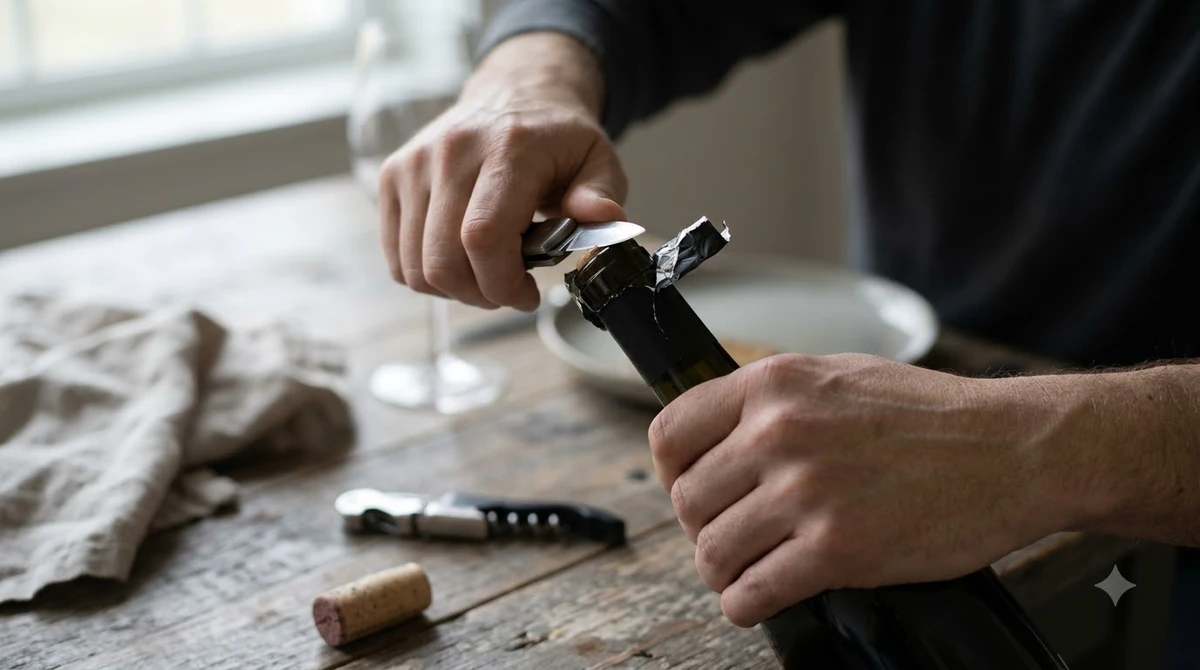
In single-varietal sparkling wines, often labeled as Blanc de Noirs or 100 percent Meunier Champagne, the grape balances orchard and berry fruit with taut, mouthwatering freshness. Tasting notes from international wine competitions frequently highlight aromas of red apple, white cherry, raspberry, and subtle pastry or almond richness from lees aging. Without the heavy tannic grip of red wine skins, sparkling Pinot Meunier feels plush on the mid-palate yet finishes clean and dry.
Still red Pinot Meunier leans into translucent ruby color, bright cranberry and wild strawberry fruit, and an unmistakable savory undercurrent. According to Decanter, single-varietal Oregon bottlings can show lifted aromatics of wild green strawberries, mint, and alpine meadow herbs alongside dusty gravel and forest floor notes. Rosé versions, meanwhile, emphasize crisp citrus peel, pomegranate, and a faint smoky or stony edge that pairs effortlessly with warm-weather dishes, much like what you experience with pinot noir rose food pairing.
Where It Grows
Roughly 80 percent of the world’s Pinot Meunier vines grow in France, led overwhelmingly by the Champagne region, while smaller pockets thrive in Oregon, Germany, and Australia. Because the vine tolerates chilly, damp conditions better than Pinot Noir, it flourishes in cooler sub-regions and clay-rich soils.
Within Champagne, Pinot Meunier dominates the Marne Valley (Vallée de la Marne), where frost-prone river slopes reward its late-budding habit. Growers in villages like Charly-sur-Marne and throughout the Marne have championed 100 percent Meunier cuvées that prove the grape has far more aging potential and structural character than older textbooks claimed. Smaller plantings also appear in France’s Loire Valley, where producers occasionally craft light, smoky rosés and still reds.
Outside France, cool-climate regions have embraced Pinot Meunier as an exciting specialty bottling. In Oregon’s Willamette Valley, pioneering estates such as Eyrie Vineyards and Day Wines produce sought-after still and sparkling expressions from Dundee Hills and neighboring sites. Germany grows significant acreage under the local names Schwarzriesling or Müllerrebe, often turning it into supple, food-friendly reds, while cool maritime pockets of Australia—including Tasmania and Victoria—craft vibrant, spice-lifted still versions.
How to Serve
Serving temperature makes or breaks Pinot Meunier, as excessive warmth dulls its lively acidity while extreme cold mutes its floral and earthy aromatics. Aim for 55 to 60 degrees Fahrenheit (12 to 15 degrees Celsius) for still reds, and 40 to 50 degrees Fahrenheit (4 to 10 degrees Celsius) for sparkling and rosé bottlings.
For a still red Pinot Meunier, standard American room temperature—usually around 70 degrees Fahrenheit—is noticeably too warm and will make the alcohol feel sharp while flattening the delicate berry fruit. Placing the bottle in a standard refrigerator for 30 to 45 minutes before opening brings it right into the ideal cellar range. Once poured, give a young still bottling roughly 30 minutes of air in a wide-bowled “aroma collector” Burgundy glass or a decanter so the rose petal, tart cherry, and forest floor aromas can fully open.
Sparkling Pinot Meunier requires the opposite approach: never decant traditional method bubbly, as aggressive aeration strips away its fine mousse. Chill sparkling bottles for at least two hours in the fridge, then pour into a tulip-shaped sparkling glass rather than a narrow flute so the broader bowl captures the grape’s red apple, berry, and brioche complexity.
Tip: If you are serving both a still Pinot Meunier and a sparkling bottle at the same dinner, pull the sparkling wine from the fridge 10 minutes before pouring so its aromatics wake up, while giving the still red a quick 30-minute chill right before guests sit down.
Food Pairing
Successful pinot meunier food pairing relies on matching the wine’s moderate weight and high acidity with savory, mildly rich, or earthy ingredients rather than heavily charred or overly spicy fare. Its low tannin profile prevents metallic clashes with seafood while giving it enough red-fruit presence to stand alongside poultry, pork, and game birds.
Poultry and pork sit right at the center of Pinot Meunier’s wheelhouse. Roast duck breast, crispy-skinned chicken with thyme and rosemary, and herb-crusted pork tenderloin all benefit from the wine’s tart cherry and cranberry lift, which slices cleanly through rendered fat without masking the meat’s natural sweetness. Smoked or glazed holiday ham is another standout partner, as the grape’s bright acidity counters salt and brown-sugar glaze while echoing savory spice notes.
Earthy vegetarian dishes and rich seafood also shine next to Pinot Meunier. Because the grape naturally carries mushroom and potting-soil aromatics, wild mushroom risotto, roasted portobello burgers, and lentil dishes create smooth flavor bridges on the palate. On the seafood side, meaty fish such as grilled salmon or seared tuna steaks pair effortlessly with a lightly chilled still bottle, whereas sparkling Blanc de Noirs excels with smoked salmon blinis, crab toast, and creamy triple-cream cheeses like Brie. If you enjoy how crisp whites handle delicate pork or creamy sauces, exploring pinot blanc food pairing offers a great white-wine counterpoint to these exact dishes.
| Dish Category | Best Pinot Meunier Style | Why the Pairing Works | Standout Examples |
|---|---|---|---|
| Roast Poultry & Game Birds | Still Red or Vintage Sparkling | High acidity cuts skin fat while red berry notes echo savory herbs | Roast duck breast, herb-roasted chicken, Thanksgiving turkey |
| Pork & Cured Meats | Still Red | Low tannins avoid dryness against salt while fruit balances smoky sweetness | Pork tenderloin, glazed ham, charcuterie boards |
| Earthy Vegetables & Grains | Still Red | Natural mushroom and forest floor notes mirror umami-rich ingredients | Wild mushroom risotto, roasted beets, grilled portobellos |
| Rich Seafood | Lightly Chilled Still or Brut Rosé | Gentle tannins prevent bitterness while crisp acid refreshes oily fish | Grilled salmon, seared tuna, smoked salmon blinis |
| Soft & Semi-Hard Cheeses | Brut Sparkling or Dry Rosé | Effervescence and brisk acidity cleanse creamy dairy fat from the palate | Triple-cream Brie, fresh goat cheese, Gruyère pastries |
How to Choose a Bottle
Finding the right bottle starts with checking the front label for clues about whether the wine is still or sparkling, dry or slightly off-dry, and blended or 100 percent varietal. Because producers label the grape in several ways, knowing regional terminology helps you pick the exact style your menu demands.
If you want a traditional Champagne experience with extra fruit generosity, look for bottles labeled “Blanc de Noirs” or “100% Meunier” from grower-producers in the Marne Valley. Checking the dosage term on sparkling labels will also guide your meal planning: “Brut Nature” or “Extra Brut” delivers bone-dry tension ideal for raw shellfish and salty appetizers, while standard “Brut” carries a touch of roundness that handles richer sauces and roast poultry. Keep in mind that non-vintage bottles prioritize fresh red apple and berry brightness, whereas vintage releases offer deeper nutty and toasted complexity.
For still red bottlings, look toward Oregon’s Willamette Valley, Tasmania, or German bottles labeled “Schwarzriesling.” Check the alcohol percentage on the back label as a quick style indicator: bottles around 11.5 to 12.5 percent ABV lean snappy, tart, and herbaceous—great for salmon or mushroom pasta—while 13 percent ABV expressions offer slightly riper plum and cherry weight suited to duck or pork chops. Readers who appreciate that same balance of bright acidity and savory red fruit in Central European reds can also compare notes with blaufrankisch food pairing.
Frequently Asked Questions
What is the best overall pinot meunier food pairing?
Herb-roasted poultry, roast duck, pork tenderloin, and wild mushroom dishes are the most reliable pairings for Pinot Meunier. The wine’s combination of tart red cherry fruit, brisk acidity, and low tannins cuts through moderate richness without overpowering delicate meats or earthy umami flavors.
Can you pair Pinot Meunier with fish and seafood?
Yes, Pinot Meunier pairs very well with rich, meaty seafood such as grilled salmon, seared tuna, and crab dishes. Because the grape has minimal tannins, it avoids the metallic bitterness that heavier red wines can trigger when served alongside fish.
How is Pinot Meunier different from Pinot Noir at the dinner table?
Pinot Meunier typically shows brighter, more immediate red berry fruit, slightly higher acidity, and even softer tannins than Pinot Noir. While structured Pinot Noir can handle richer beef or lamb preparations, Pinot Meunier shines brightest with lighter meats, smoked pork, creamy cheeses, and vegetable-driven plates.
Should you chill still Pinot Meunier before serving it with food?
Still red Pinot Meunier tastes best lightly chilled to between 55 and 60 degrees Fahrenheit, which takes about 30 to 45 minutes in a standard refrigerator. Serving it slightly cool keeps its acidity crisp and preserves its fresh cherry, floral, and earthy aromas throughout the meal.
Whether poured as a lively Marne Valley Champagne or a lightly chilled Willamette Valley red, Pinot Meunier brings effortless versatility to multi-course meals. Focus on pairing its bright acidity and savory berry profile with roasted poultry, pork, mushrooms, or rich fish, and you will have a crowd-pleasing match every time.
More in Wine Types & Grapes
 What Does Mourvèdre Taste Like? Flavor Profile, Regions, and PairingsUpdated Nov 20, 2026
 What Does Marsanne Taste Like? Flavors, Styles, and Food PairingsUpdated Nov 20, 2026
 What Does Malvasia Taste Like? Styles, Flavors, and Food PairingsUpdated Nov 20, 2026
 What Does Grenache Blanc Taste Like? Flavor Profile, Styles, and PairingsUpdated Nov 20, 2026
 What Does Garnacha Taste Like? Key Flavors, Styles, and Pairing TipsUpdated Nov 20, 2026
 What Does Fruit Wine Taste Like? A Complete Flavor and Style BreakdownUpdated Nov 20, 2026