

We may earn a commission when you buy through links on this page, at no extra cost to you. Learn more.
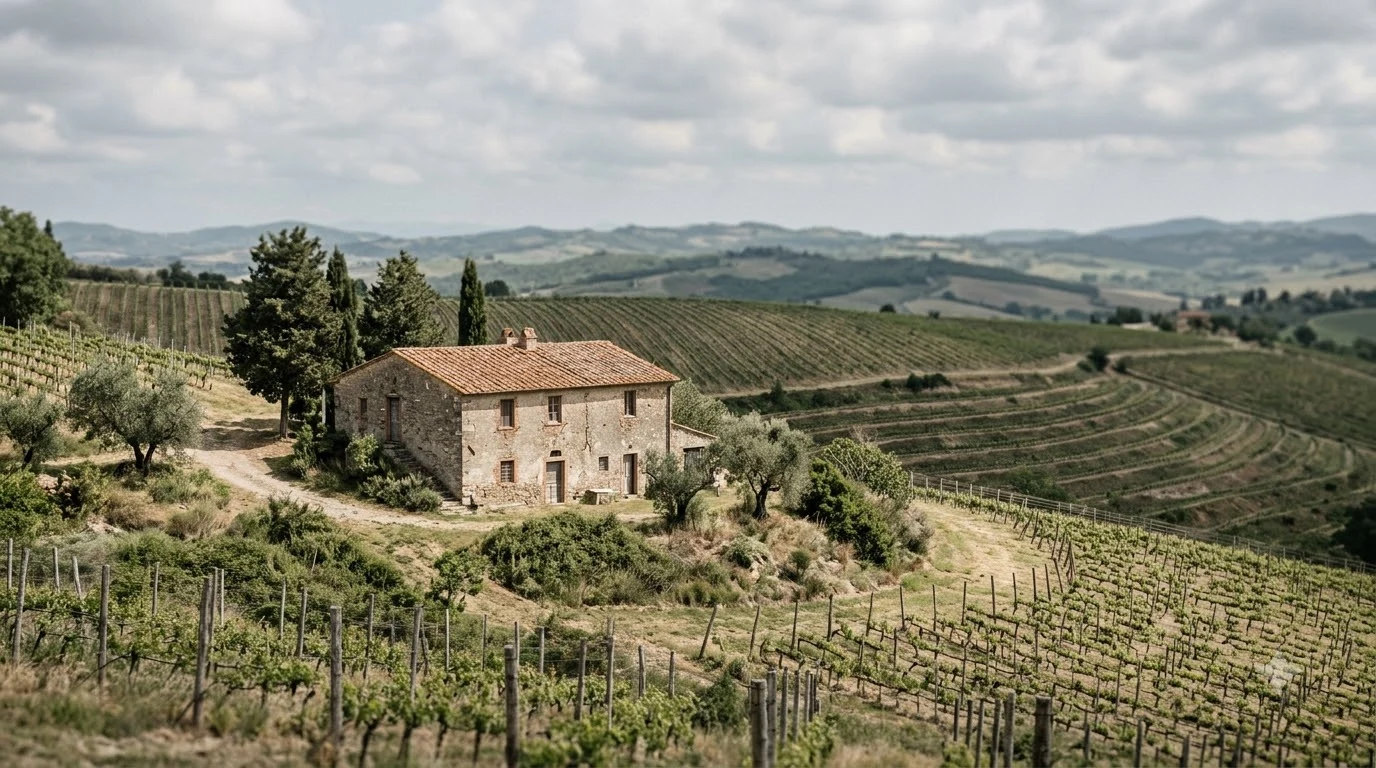
The wisconsin wine trail is a collection of winery destinations across five distinct regions, offering visitors opportunities to discover cold-climate grape wines, fruit wines, sparkling wines, and scenic tasting rooms. Rather than following one continuous road, a Wisconsin wine trip involves choosing a region or combining nearby wineries into a manageable driving itinerary. Door County, the Driftless Area, and Wisconsin Ledge are particularly interesting starting points for travelers who want to experience the state’s distinctive wines and landscapes.
Wisconsin might be better known for cheese, lakes, and outdoor recreation, but its wine industry has developed a character of its own. More than 100 producers operate across the state, working with cold-hardy grape varieties and locally grown fruits. Visitors can find everything from dry red and white wines to cherry wines, traditional-method sparkling bottles, mead, and cider. Understanding the state’s five wine regions makes it easier to choose the right destination, recognize the local grape varieties, and plan a rewarding tasting trip.
Understanding Wisconsin’s Five Wine Regions
Wisconsin wine country is divided into five broad regions: Northwoods, Driftless, Glacial Hills, Fox Valley, and Door County. Each offers a different combination of vineyards, tasting rooms, scenery, and local attractions, making regional planning more useful than trying to visit wineries scattered across the entire state.
The Wisconsin Winery Association identifies these five regions as distinct destinations for winery visitors. The differences are geographical as well as cultural. Northern Wisconsin combines winery visits with forests and lakes, while western Wisconsin’s Driftless landscape offers winding roads and traditional grape wines. Door County adds coastal scenery and fruit-growing traditions, and the eastern and southeastern regions provide opportunities to combine wine tasting with historic communities and agricultural attractions.
Here is a practical overview of the five areas:
| Wine region | Location | What makes it distinctive | Best trip focus |
|---|---|---|---|
| Northwoods | Northern Wisconsin | Lakes, forests, outdoor recreation | Nature and winery visits |
| Driftless | Western Wisconsin | Rugged hills and traditional grape wines | Scenic countryside touring |
| Glacial Hills | Southeastern Wisconsin | Glacial formations, historic landscapes | Wine and outdoor activities |
| Fox Valley | East-central Wisconsin | Dairy farms, waterways, small communities | Food and wine excursions |
| Door County | Northeastern Wisconsin | Lake Michigan shoreline, orchards, fruit wines | Weekend wine getaways |
The regions are not necessarily separate, formally marked driving trails with one entrance and one exit. Instead, they provide a useful framework for identifying wineries and organizing visits. A traveler staying near Green Bay, for example, might concentrate on Door County or the Fox Valley, while someone based around Madison could consider the Driftless countryside or Lake Wisconsin area.
The Wisconsin Winery Association’s regional descriptions also highlight activities beyond tasting rooms. Hiking, biking, bird-watching, shopping, and dining can all become part of a winery itinerary. This matters because many Wisconsin wineries are rural destinations rather than urban businesses surrounded by numerous restaurants and hotels.
For travelers comparing wine destinations in different states, the Wine Regions resource provides a broader starting point for understanding how geography, climate, and grape varieties influence regional wine styles. Wisconsin is especially interesting because its climate has encouraged producers to develop a strong identity around grapes that tolerate challenging winters.
Door County: A Scenic Destination for Wine Lovers
Door County is one of the easiest Wisconsin wine destinations to recognize, thanks to its location between Lake Michigan and Green Bay. Its wine trail includes ten wineries, according to Travel Wisconsin, and combines fruit-wine traditions with an expanding selection of estate-grown grape wines.
The peninsula is known for its cherry and apple production, and those fruits play an important role in its winery identity. Visitors can encounter cherry wines, apple wines, grape-based reds and whites, and other specialty bottlings. This variety makes Door County particularly appealing to travelers who enjoy exploring different styles rather than concentrating exclusively on conventional grape wines.
Cherry wine is an especially recognizable regional specialty. Depending on the producer and production method, it can range from sweet and fruit-forward to a more balanced style with noticeable acidity. Apple wine offers another expression of the area’s agricultural character, sometimes emphasizing fresh orchard fruit and sometimes leaning toward a sweeter dessert-style profile.
Door County is also developing a stronger connection to cold-hardy vineyard grapes. Established vineyards provide fruit for estate-grown wines, allowing visitors to discover wines that reflect the peninsula’s climate rather than relying entirely on imported grapes or other Wisconsin-grown fruit.
What to include in a Door County itinerary
Sturgeon Bay makes a useful geographical reference point when organizing a trip around the peninsula. From there, visitors can plan winery stops alongside coastal communities, restaurants, parks, and local shops. Egg Harbor and other small communities provide additional opportunities to combine a tasting-room visit with lunch or an afternoon exploring the waterfront.
Instead of attempting to visit all ten wineries in one day, select three or four stops and leave enough time to enjoy each location. A tasting can include several different wines, conversations with staff, and time to explore the grounds. Driving distances between individual stops, seasonal traffic, and tasting-room schedules all influence how many visits fit comfortably into an afternoon.
Door County also works well as a weekend destination. One day can focus on wineries and local food, while another can include shoreline scenery, parks, or orchard-related attractions. The region’s combination of wine, fruit agriculture, and coastal tourism creates a broader experience than a tasting-room-only excursion.
Travel Wisconsin describes the Door County Wine Trail as a destination suitable for either a day trip or a weekend visit. Its official overview is available through the Door County Wine Trail tourism listing, which provides a useful starting point for understanding the participating winery experience.
The Driftless Region: Traditional Grape Wines and Rolling Hills
The Driftless Region in western Wisconsin stands out for its rugged terrain and comparatively strong emphasis on traditional grape wines. Its winding roads, hills, rock formations, and farms create a scenic setting for winery visits, particularly for travelers interested in discovering regional grape varieties.
The term Driftless refers to a landscape that escaped the direct leveling effects of the most recent continental glaciation. Instead of broad, relatively uniform glacial plains, much of this area features steep ridges, valleys, streams, and exposed rock. Those geographical differences give winery trips a distinctive character.
The Wisconsin Winery Association specifically identifies the Driftless Region as having more traditional grape varieties than the other state wine regions. That does not mean every winery produces only dry European-style wines. Rather, the region offers opportunities to explore a range of grape-based styles alongside the cold-climate varieties that have helped Wisconsin establish its wine identity.
Grapes worth looking for
Several grape varieties associated with cold-climate viticulture are particularly relevant to a Driftless tasting itinerary. Marquette is a red grape that can produce structured wines with dark-fruit character. Frontenac is another red variety, while Frontenac Gris offers a lighter-skinned expression that can be used for white or rosé-style wines.
White-wine enthusiasts can look for La Crescent, Brianna, and other cold-hardy varieties. La Crescent is known for aromatic wines with pronounced fruit character, while Brianna can produce approachable white wines with floral and tropical-fruit impressions. Winemaking decisions, ripeness, and residual sugar influence the final character of each bottle.
Riesling, Pinot Grigio, and Chardonnay also appear in Wisconsin’s broader cold-climate wine landscape. Their presence demonstrates that local producers are not restricted to a single grape family or style. The important distinction is that vineyard conditions and cultivar selection influence which grapes can ripen reliably through Wisconsin’s shorter growing seasons.
Planning a countryside wine trip
Visitors should organize Driftless winery visits geographically instead of selecting destinations solely by reputation. The region’s winding roads can make short distances take longer than expected, especially when traveling between valleys or rural communities.
A sensible itinerary includes two or three tasting rooms, a meal, and time for scenic stops. Look for wineries that offer a range of red, white, and rosé wines so that the tasting provides a useful comparison of local grape varieties. Ask about the grapes used in blends, the degree of sweetness, and whether a wine has spent time in oak.
For visitors interested in learning more about regional wine identities, the traverse city wine trail offers an interesting comparison with Michigan’s better-known wine destination. Both regions demonstrate how Great Lakes climates and local geography can influence vineyard decisions, grape selection, and wine styles.
Wisconsin Ledge AVA and Its Cold-Climate Wines
The Wisconsin Ledge AVA is an important part of the state’s wine identity, extending along the Niagara Escarpment in eastern Wisconsin. Established on April 23, 2012, this American Viticultural Area covers approximately 3,800 square miles and includes vineyards influenced by the nearby Great Lakes.
The Niagara Escarpment is a major geological formation that extends across the Great Lakes region. In Wisconsin, it forms an important part of the landscape around the Door Peninsula and provides a geographical foundation for many vineyards in the Wisconsin Ledge AVA.
Lake Michigan plays an important role in moderating the area’s growing conditions. According to winemakers interviewed by Wine Enthusiast, the movement of warm air from the lake and cooler air from the land helps moderate temperature changes and can extend the grape-growing season. The magazine also reports that temperatures during certain cooler periods average approximately 10 degrees warmer than areas about 60 miles away.
That moderation is valuable in a state where winter cold and early-season frost can make traditional grape growing difficult. A longer period for grapes to remain on the vine can help producers manage acidity and achieve suitable ripeness.
Grapes and wine styles from the Ledge
The AVA is especially associated with French-American hybrid grapes and other cold-hardy varieties. Maréchal Foch, St. Croix, Petite Pearl, and Niagara are among the grapes used by regional producers. These varieties have been selected or developed to perform under conditions that can be difficult for many conventional European wine grapes.
Maréchal Foch can produce dry red wines with dark fruit and earthy characteristics. St. Croix is another red variety, while Petite Pearl offers winemakers a cold-hardy grape suited to red-wine production. Niagara, traditionally associated with aromatic grape wines and other uses, provides a different profile.
White-wine drinkers should also explore La Crosse and related cold-climate grapes. The Blind Horse Winery in Kohler produces a traditional-method sparkling wine from La Crosse. This style is particularly interesting because the second fermentation takes place in the bottle, following the general production approach used for Champagne.
The sparkling wine’s reported flavor profile includes citrus, apricot, green apple, and pear, with crisp acidity and some sweetness. It provides an example of how Wisconsin producers can apply established winemaking techniques to locally suitable grapes.
Wisconsin Ledge also offers dessert-wine styles. Ice Wine and Port-style wines demonstrate that the region’s production is not limited to dry table wines. Their sweetness and concentrated fruit character make them useful choices for dessert pairings and special occasions.
Wine Enthusiast’s Wisconsin Ledge AVA regional overview provides additional geographical and grape-growing context for visitors who want to understand why the escarpment and nearby lakes matter to local wine production.
Wisconsin Grapes, Fruit Wines, and Local Wine Styles
Wisconsin wine is defined by adaptability, with producers working across cold-hardy grape varieties, traditional grape selections, and locally grown fruits. This diversity is one of the state’s most interesting features for visitors, particularly those accustomed to wine regions dominated by Cabernet Sauvignon, Chardonnay, or Pinot Noir.
Cold winters create significant challenges for many Vitis vinifera varieties. Consequently, Wisconsin producers often work with hybrid grapes that incorporate characteristics from North American grape species and European varieties. These grapes can offer greater winter hardiness while producing wines with distinctive acidity, aromas, and fruit profiles.
Important cold-hardy grape varieties
Several varieties deserve attention during a Wisconsin tasting:
- Marquette: A red grape capable of producing dry wines with dark fruit, spice, and moderate structure.
- Frontenac: A cold-hardy red variety commonly used for dry and fruit-forward red wines.
- Petite Pearl: A red hybrid valued for its suitability to cold-climate vineyards.
- La Crescent: An aromatic white grape that can produce wines with citrus, tropical fruit, and floral characteristics.
- Brianna: A white variety used for aromatic wines that can range from dry to noticeably sweet.
- La Crosse: A white grape developed for northern growing conditions and used in both still and sparkling wines.
- Frontenac Gris: A gray-skinned mutation of Frontenac that provides opportunities for white and rosé production.
These varieties are not interchangeable. A red grape with substantial color and structure serves a different purpose from an aromatic white grape or a variety suited to sparkling production. Tasting several examples side by side can help visitors recognize the differences in acidity, body, fruit character, and sweetness.
Fruit wines and specialty bottles
Fruit wines are another defining feature of Wisconsin wine country. Cherry and apple wines are particularly associated with Door County, but the state’s producers also work with other locally available fruits. Depending on the producer, visitors may encounter wines made from apricot, black currant, peach, and other fruits.
These wines should not automatically be treated as dessert wines. Some are made in sweet styles, while others have enough acidity and restrained sweetness to accompany meals. Their character depends on the fruit, fermentation process, and winemaker’s intended style.
Mead and cider also broaden the choices available at Wisconsin tasting rooms. Mead is fermented from honey, while cider is made from fermented apple juice. They are not technically grape wines, but many wineries and related producers include them in their tasting selections.
Wisconsin’s production history helps explain this diversity. German settlers brought winemaking traditions to the region during the 19th century, but the climate encouraged experimentation with native grapes and other fruits. The result is a wine culture that combines traditional techniques with ingredients suited to local growing conditions.
Planning a Wisconsin Wine Trail Trip
A successful Wisconsin winery trip begins with choosing one geographical area, checking tasting-room availability, and allowing enough time between stops. Because the state has five distinct wine regions, attempting to cover the entire wine country in a single weekend is rarely practical.
Start by deciding what kind of experience you want. Door County is a strong option for fruit wines, shoreline scenery, and a weekend getaway. The Driftless Region is attractive for travelers interested in traditional grape wines and rural landscapes. Wisconsin Ledge makes sense for those who want to understand the relationship between cold-climate viticulture, the Niagara Escarpment, and the Great Lakes.
Suggested trip structures
These sample itineraries are planning frameworks rather than fixed routes. Actual driving times depend on the selected wineries, accommodation, traffic, and seasonal road conditions.
| Trip length | Suggested schedule | Recommended focus |
|---|---|---|
| Half day | 2 wineries | One local area and a relaxed tasting |
| One day | 3 wineries | Tastings, lunch, and a scenic stop |
| Weekend | 4–6 wineries | Multiple communities and an overnight stay |
| Three days | 6–9 wineries | One main region with additional local attractions |
These suggested visit counts are practical planning targets, not official trail requirements. The purpose is to allow enough time to appreciate each winery without turning the trip into a rushed sequence of appointments. A longer weekend can also accommodate restaurants, local markets, parks, and sightseeing.
Check winery hours and tasting arrangements
Opening hours can vary significantly between wineries, particularly in rural areas and during the winter season. Some tasting rooms operate throughout the year, while others adjust their schedules according to tourism demand, harvest activity, or weather conditions.
Check each winery’s official website before departure. Look for tasting-room hours, tour availability, reservation requirements, group policies, and seasonal closures. If you are traveling with several people, contacting the winery ahead of time is a good idea, even when ordinary walk-in tastings are available.
Also consider whether the winery offers food. Some locations have full dining facilities, while others offer limited snacks or encourage visitors to eat elsewhere. Building a lunch or dinner stop into the itinerary makes the day more comfortable and helps avoid unexpected gaps between rural destinations.
Tip: Plan no more than three winery visits in a typical full-day itinerary, arrange transportation before the first tasting, and leave room for lunch and scenic stops. For a Door County weekend, staying overnight near your chosen wineries is often more convenient than driving back and forth between distant communities.
Best seasons for visiting
Late spring, summer, and fall are popular periods for exploring Wisconsin wine country. Summer offers long daylight hours and opportunities to combine winery visits with lake activities. Fall is particularly attractive because of harvest-season activity, changing foliage, and the agricultural character of the state’s countryside.
Winter visits can also be worthwhile, especially in regions where tasting rooms remain open throughout the colder months. However, schedules may be reduced, and snowy or icy roads require additional planning. Contact wineries before making a special winter journey.
For a more relaxed experience, consider visiting on a weekday or outside major holiday weekends. Popular tourism destinations such as Door County can become busy during peak travel periods, so advance planning is especially helpful.
Wisconsin Wine Tasting, Food Pairings, and Serving Tips
Wisconsin’s wines offer plenty of opportunities for food pairing, particularly with local cheeses, freshwater fish, fruit-based desserts, and hearty regional dishes. The most reliable approach is to match the wine’s acidity, sweetness, body, and tannin level to the food rather than choosing a bottle based only on its color.
Local cheese is an obvious companion to Wisconsin wine. A creamy cheese can soften the perception of tannin in a red wine, while a crisp white wine can refresh the palate after a rich or salty bite. Fruit wines can also work well with cheese boards, depending on their sweetness and acidity.
Pairing regional wines with food
Try a dry Marquette or Frontenac with grilled pork, roasted vegetables, or dishes containing mushrooms. These foods can complement the wines’ fruit and earthy characteristics without overwhelming their structure. A more substantial red can also work with beef dishes, particularly when the meal includes salt or fat that softens tannin.
La Crescent and Brianna can be useful companions for chicken, seafood, salads, and dishes with fresh herbs. Their aromatic qualities and acidity can provide contrast to richer ingredients. For acidic dishes, choose a wine with equal or higher acidity so the wine does not taste flat beside the food.
Cherry wine can pair naturally with fruit desserts, dark chocolate, and selected cheeses. Sweet apple wine may work with baked apples, pastries, or mild cheeses. Remember that the wine should generally be at least as sweet as the dessert; otherwise, the dessert can make the wine seem sour or thin.
Wisconsin sparkling wines deserve attention at the table, too. Their acidity and bubbles can work with fried appetizers, salty snacks, creamy cheeses, and seafood. Traditional-method sparkling wines can be especially versatile because their acidity helps refresh the palate between bites.
Serving temperatures
Serving temperature influences how wine smells and tastes. Cold temperatures can suppress aromas, while excessively warm temperatures can make alcohol seem more pronounced. A little preparation before a tasting can make the differences between Wisconsin’s wine styles easier to appreciate.
| Wine style | Suggested serving temperature |
|---|---|
| Sparkling wine | 40–50°F |
| Light-bodied white wine | 45–50°F |
| Rosé wine | 45–50°F |
| Full-bodied white wine | 50–55°F |
| Light-bodied red wine | 55–60°F |
| Full-bodied red wine | 60–65°F |
| Sweet white wine | 43–50°F |
A standard wine pour is approximately 5 ounces, and a 750-milliliter bottle provides about five standard glasses. When sampling several wines, smaller tasting pours are useful because they allow visitors to compare more styles without committing to full glasses.
For young, full-bodied red wines, decanting for approximately 30–60 minutes can help soften the initial impression and allow aromas to develop. Lighter reds and aromatic whites generally need less preparation. Sparkling wines should be opened carefully and served in appropriate glasses to preserve their carbonation.
Opened still wines generally keep for about three to five days in the refrigerator, while sparkling wines usually retain their best character for approximately one to three days with a suitable sparkling-wine closure. Fortified wines can last several weeks, and bag-in-box wines generally remain usable for four to six weeks after opening. For longer-term storage, keep unopened bottles on their sides in a cool, dark location near 55°F when appropriate for the closure.
These basic serving practices are useful whether you are enjoying a locally produced Marquette, an aromatic La Crescent, or a bottle of Door County cherry wine. They also make it easier to compare wines from different Wisconsin regions on the same tasting trip.
Frequently Asked Questions
Is there an official Wisconsin Wine Trail passport or membership card?
Individual wine trails and tourism organizations may offer their own promotional programs, but these should not be confused with a single statewide tasting passport. The Wisconsin Winery Association’s five-region framework is a useful statewide directory structure. Visitors should check the association and individual winery websites for current promotions and participation details.
What is the difference between an AVA and a Wisconsin wine region?
An American Viticultural Area is a federally recognized grape-growing region defined by geographical characteristics. A tourism wine region is a broader visitor-planning designation. Wisconsin Ledge and Lake Wisconsin are state-specific AVAs, while Northwoods, Driftless, Glacial Hills, Fox Valley, and Door County are the five regions used by the Wisconsin Winery Association.
Can visitors purchase Wisconsin wines directly from the wineries?
Many Wisconsin tasting rooms offer bottles for purchase, and some producers also sell wine through their own online stores or other retail channels. Selection can differ between tasting rooms, particularly for limited-production and estate-grown wines. Visitors interested in a specific vintage or variety should contact the producer before traveling.
Are Wisconsin wineries suitable for visitors who do not drink grape wine?
Yes. Some Wisconsin producers offer fruit wines, mead, and cider alongside grape-based wines. Door County is particularly recognized for cherry and apple wines, while other producers feature honey-based mead and additional fruit specialties. Ask about available non-grape options when arranging a tasting.
Does Wisconsin produce wines suitable for long-term cellaring?
Some structured red wines and carefully made specialty wines may benefit from bottle aging, but suitability varies by grape, vintage, acidity, tannin, and production method. A dry Marquette or other structured red should not automatically be treated like a wine intended for extended aging. Ask the producer for specific drinking-window recommendations for individual bottles.
The wisconsin wine trail offers a distinctive way to experience the state’s agricultural traditions, cold-climate grape varieties, and diverse landscapes. Whether you choose Door County’s fruit wines, the Driftless Region’s traditional grape selections, or the Wisconsin Ledge’s sparkling and hybrid wines, a thoughtfully planned visit can reveal a wine culture that deserves more attention. Choose one region, leave time for local food and scenery, and explore the bottles that best express Wisconsin’s character.
More in Wine Regions
 Willcox Wine Trail: Discover Arizona’s High-Elevation Wine CountryUpdated Nov 20, 2026
 Yakima Valley Wine Region: Find the Best Styles to TryUpdated Nov 20, 2026
 Vosne Romanee Wine Tasting: Identify Aromas and Choose Better PairingsUpdated Nov 20, 2026
 Yakima Valley Wine Festival: Find the Best Seasonal Wine EventsUpdated Nov 20, 2026
 Wales Vineyards: Discover Cool-Climate Wines and Where to VisitUpdated Nov 20, 2026
 Yountville Wine Festival: Discover Napa Wines and Local FoodUpdated Nov 20, 2026