

We may earn a commission when you buy through links on this page, at no extra cost to you. Learn more.
Mead wine is an alcoholic drink made by fermenting honey with water, and its sweetness, acidity, fruit, spice, and carbonation can range from dry and sparkling to rich and dessert-sweet. Unlike grape wine, its primary fermentable is honey, so the flower source can shape the aroma and flavor. It may be still or sparkling, and fruit-based versions such as cyser and pyment offer a bridge between honey wine and familiar cider or grape-wine flavors.
Mead is easier to understand when you separate its base ingredients from its style choices. The base may be honey, water, and yeast; the finished bottle may then show dry or sweet balance, fruit, spices, grain, bubbles, or oak. This guide explains what to look for, how to serve it, and which foods make the sweetness and acidity work at the table.
What Mead Is Made From
Mead begins with diluted honey that yeast ferments into alcohol. Honey supplies fermentable sugar and aromatic compounds, while water sets the starting concentration and yeast converts sugar into alcohol, carbon dioxide, and flavor compounds.
A traditional mead uses honey as the defining flavor ingredient. Clover honey can give a mild, familiar floral profile, while orange blossom, wildflower, buckwheat, or tupelo honey can bring citrus, herbal, earthy, or darker notes. The source does not make one bottle automatically better; it changes the character much as a grape variety changes a wine.
Yeast nutrients may be used during production because honey is not nutritionally complete for yeast. Fermentation temperature, yeast selection, oxygen management, and aging affect whether the result feels crisp, warm, floral, fruity, or round. A mead can be clear and delicate, hazy and rustic, pale gold, amber, or deeper depending on honey, fruit, processing, and age.
In the United States, the TTB mead formula guidance distinguishes standard honey wine from products made with additional ingredients or outside certain production limits. That regulatory classification is separate from the way a producer describes a bottle’s flavor.
How Fermentation Changes Honey
Fermentation removes much of honey’s raw sweetness and replaces it with alcohol, acidity, and fermentation aromas. The starting honey concentration, yeast performance, and decisions about residual sugar determine whether the finish is dry, semi-sweet, or sweet.
During primary fermentation, yeast consumes available sugar. A producer may allow fermentation to continue until the mead is dry, or stop and stabilize it before adding sweetness. Another approach is to leave enough residual sugar for a naturally sweet finish. Time matters because young mead can show yeast, alcohol warmth, or sharp acidity that softens with conditioning.
According to the TTB presentation, standard domestic honey wine uses honey as the sole fermentable ingredient, may use water to facilitate fermentation when the mixture is not reduced below 13 degrees Brix, and may not exceed 14% ABV or 35 degrees Brix total solids after fermentation or sweetening. Adding fruit juice, spices, color, or other flavoring can place a product in a different regulatory category, so production language and tasting language are not always identical.
Carbon dioxide may remain dissolved for a sparkling result or be absent in a still bottle. Bottle conditioning can create natural bubbles, while a producer may also carbonate a finished mead. Sediment is possible in naturally conditioned products, but a clear bottle does not mean the mead lacks flavor or age.
Major Mead Wine Styles
The main styles are organized by what joins honey during fermentation and by the finished sweetness. Traditional mead keeps the focus on honey, while melomel adds fruit and other categories use spices, grains, or other flavoring ingredients.
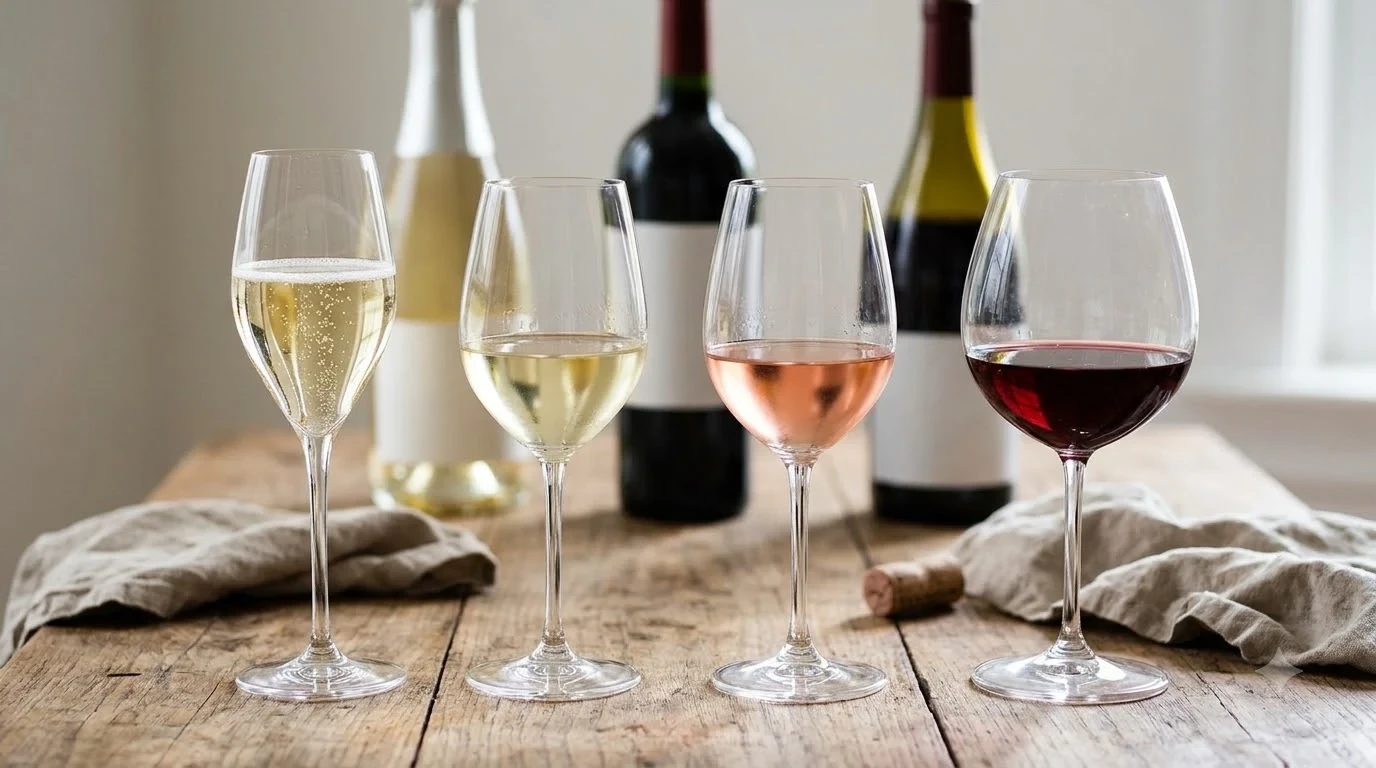
Traditional mead contains honey and water as its defining ingredients. It can be dry, semi-sweet, or sweet, and it can be still or sparkling. Dry examples may resemble dry white wine in body and finish, while sweet examples can resemble a dessert wine with fuller texture and a longer honeyed finish.
Melomel is mead made with fruit. Cyser uses apples or other pome fruit, so it may show fresh apple, baked apple, cider, or orchard aromas. Pyment uses grapes or grape juice and can be red, white, or rosé in appearance. Berry meads, cherry meads, peach meads, and tropical-fruit meads fall within the broad fruit-mead family.
Metheglin is a spiced mead that may include ingredients such as cinnamon, ginger, nutmeg, or vanilla. Braggot combines mead character with malted grain, giving it a relationship to beer as well as wine. Other bottles may use herbs, vegetables, hops, tea, coffee, or flowers, but the added ingredient should support rather than hide the honey character.
The BJCP mead style guidelines describe dry, semi-sweet, and sweet traditional meads as distinct categories and identify cyser and pyment within fruit mead. These labels help you predict the bottle, but producer terminology can vary, so the ingredient statement and sweetness description remain useful.
Sweetness, Alcohol, and Carbonation
Sweetness is the first practical choice because it controls the mead’s body and food use. Dry mead has little perceptible residual sugar, semi-sweet mead has a noticeable but balanced honey finish, and sweet mead has a prominent sugar-and-honey impression.
| Style choice | Typical impression | Useful serving approach |
|---|---|---|
| Dry | Little residual sweetness; light to medium body | 45-50 F for a fresh, crisp bottle |
| Semi-sweet | Balanced honey sweetness; medium body | 45-50 F, with roasted poultry or soft cheese |
| Sweet | Noticeable sweetness; medium-full to full body | 43-50 F, with blue cheese or dessert |
| Sparkling | Bubbles lift aroma and refresh the finish | 40-50 F, poured gently into a flute or white-wine glass |
Alcohol level is not the same as sweetness. A dry mead can still feel strong if fermentation produces a higher ABV, while a sweet mead can feel soft if acidity balances the sugar. Alcohol and tannin amplify the sensation of chili heat, so a high-alcohol, tannic mead may make very spicy food feel hotter.
Carbonation changes texture and aroma. Bubbles make a sweet mead feel more refreshing and can help clear the palate after fatty food. Still mead gives more space to honey, oak, spice, or fruit texture. For U.S. labeling purposes, TTB identifies more than 0.392 gram of carbon dioxide per 100 milliliters as the threshold for sparkling or carbonated honey-wine designations in its presentation.
Tip: If you do not know the style, start with a chilled semi-sweet or sparkling bottle. It usually offers enough acidity and freshness to show the honey without making the first glass feel heavy.
How to Taste and Serve Mead Wine
Serve mead according to its body and sweetness rather than treating every bottle like a full-bodied red. Chilling preserves freshness, reduces the impression of alcohol, and makes residual sugar feel more balanced.
For a dry or sparkling mead, begin around 40-50 F. Light, semi-sweet, and fruit-forward versions work well around 45-50 F. A fuller, oak-aged, or richly sweet bottle can show more aroma around 50-55 F, while an intensely sweet style may be most balanced at 43-50 F. If a bottle seems muted straight from the refrigerator, let it sit for 10 to 15 minutes before judging it.
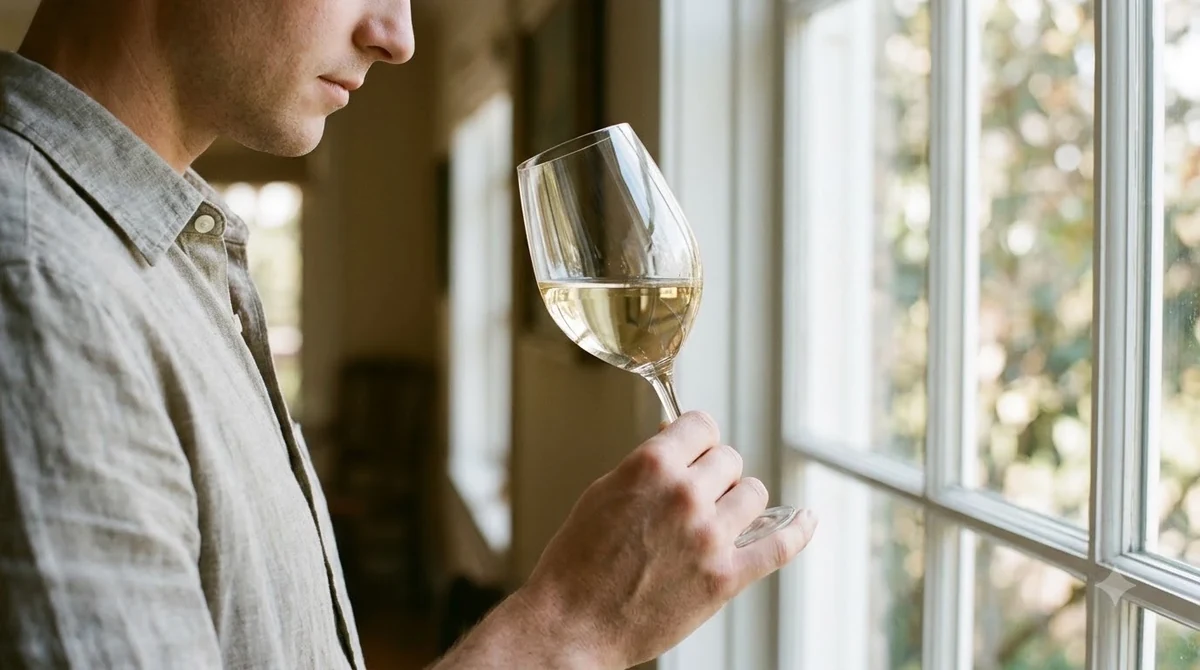
Use a white-wine glass for most mead. A tulip-shaped glass concentrates floral aromas, while a flute preserves bubbles but can make a complex still mead seem narrow. Pour about 5 ounces, leaving room to swirl. A 750-milliliter bottle gives roughly five such glasses.
Look at clarity and color, then smell for honey, flowers, fruit, herbs, spice, oak, and fermentation notes. Taste for sweetness first, then acidity, alcohol warmth, tannin, carbonation, and length. Honey aroma does not always mean the mead is sweet; a dry version can smell floral or nectar-like while finishing crisp.
Young full-bodied reds may need 30 to 60 minutes of decanting, but most meads do not require that treatment. If a strong bottle smells closed, a few minutes in a wide glass may help. Store an unopened bottle on its side near 55 F when it uses a cork and will be kept for a while. After opening, refrigerate still mead and use it within about 3 to 5 days; sparkling mead generally holds its best fizz for 1 to 3 days with a proper stopper.
Food Pairings That Balance Honey
The best pairing starts with sweetness and acidity. The mead should be at least as sweet as the dish, while acidic food needs a mead with equal or higher acidity so the wine does not taste flat.
Sweet mead works with strong blue cheese, aged cheddar, washed-rind cheese, foie gras, roasted nuts, and desserts that contain fruit, cream, or caramel. Salt and fat soften tannin and make a rich mead feel less heavy. A sweet berry mead can echo cherry or raspberry in a dessert, while a floral traditional mead can match honey, pear, or stone fruit.
Dry mead suits roast chicken, pork, grilled shrimp, vegetable tart, mild curry, and salads with citrus dressing. Its acidity can refresh food in the same way a crisp white wine does. A cyser is a natural partner for roast pork, apple-glazed poultry, sausage, and dishes with sage or thyme because the apple note connects the plate and glass.
Fruit mead can work with spicy food when its sweetness offsets heat, but alcohol and tannin can amplify chili. Keep the alcohol moderate and choose a bottle with bright acidity for Thai, Ethiopian, Mexican, or Sichuan dishes. Wine Spectator recommends chilled mead with noticeable sweetness alongside strong cheeses or hearty stews, and notes that Ethiopian tej can pair with spicy vegetable and meat dishes.
Do not pair a tannic, dark mead with delicate oily fish; tannin can taste metallic or drying against the fish. For salmon, trout, or tuna, choose a dry, bright, lightly sparkling mead with low tannin. For dessert, match the mead’s sweetness to the dessert and avoid serving a less-sweet bottle beside a very sugary cake.
Buying and Comparing Bottles
Read the front and back labels for style clues before focusing on the producer’s tasting notes. Look for dry, semi-sweet, sweet, sparkling, cyser, pyment, fruit names, spice names, ABV, and serving suggestions. A bottle described as “honey wine” may be traditional, fruit-based, or a specialty product, so the full composition matters.
Choose dry traditional mead when you like Sauvignon Blanc, dry Riesling, or crisp cider. Choose a fuller sweet version if you enjoy Moscato-style sweetness, late-harvest wines, or dessert pairings. People who prefer Cabernet Sauvignon wine may appreciate a dark, tannic, oak-aged, or berry-based mead, but honey sweetness and acidity still make the profile different from grape wine.
If you prefer gentle sweetness, a semi-sweet bottle is a reliable starting point. If you want bubbles, select a sparkling mead and chill it thoroughly. A still bottle may be the better choice when you want to examine honey origin, spice, fruit, or oak without carbonation changing the texture.
For a broader overview of grape, honey, fortified, sparkling, and other categories, browse Wine by Type. If the term itself is unfamiliar, the explanation of what is mead can clarify the base beverage before you compare styles. Readers looking for sweeter, floral grape wine can also compare it with Moscato wine; the two may share sweetness, but their raw materials and aromas differ.
Frequently Asked Questions
Is mead wine gluten-free?
Traditional mead made only from honey, water, and yeast contains no grain by definition. Braggot can include malted grain, so people avoiding gluten should check the product’s ingredients and production statement instead of assuming every honey wine has the same composition.
Does mead wine always taste like honey?
No. Fermentation can turn raw honey sweetness into floral, citrus, herbal, stone-fruit, or toasted notes. The honey source, yeast, acidity, fruit, spice, oak, and residual sugar determine whether honey is obvious or subtle.
Can mead wine be red?
Yes. A pyment made with red grapes or a berry melomel can appear ruby, garnet, or deep purple. The color generally comes from fruit or grape material rather than from the honey itself.
Is mead older than grape wine?
Fermented honey beverages have ancient roots, but the surviving archaeological record does not support a simple ranking for every early wine tradition. Honey, water, fruit, and wild yeast could ferment without vineyards, which helped honey-based drinks arise in many regions.
What glass is best for mead wine?
A white-wine or tulip glass is the most versatile choice because it gives aroma room while keeping a moderate pour. Use a flute when preserving bubbles is the main goal, but a wider glass is usually better for a complex still mead.
Mead is a broad family rather than one fixed flavor: honey provides the base, while sweetness, acidity, fruit, spice, alcohol, and bubbles set the final style. Start with a chilled semi-sweet or sparkling bottle, pair it with food that can meet its sweetness, and then compare dry, fruit, and spiced examples to find the profile you prefer.
More in Wine Types & Grapes
 Zinfandel Sugar Content: Dry Red vs. White Zinfandel GramsUpdated Nov 21, 2026
 Best Zinfandel Substitute Options for Sipping and CookingUpdated Nov 21, 2026
 Zweigelt Food Pairing: Best Dishes, Cheeses, and Serving TipsUpdated Nov 21, 2026
 Zinfandel Tannins Explained: How Structure Shapes Every BottleUpdated Nov 21, 2026
 Zinfandel Sweetness Level: Dry Red vs. Sweet White Zin ExplainedUpdated Nov 21, 2026
 Xinomavro Food Pairing: Best Dishes, Styles, and Serving TipsUpdated Nov 21, 2026