
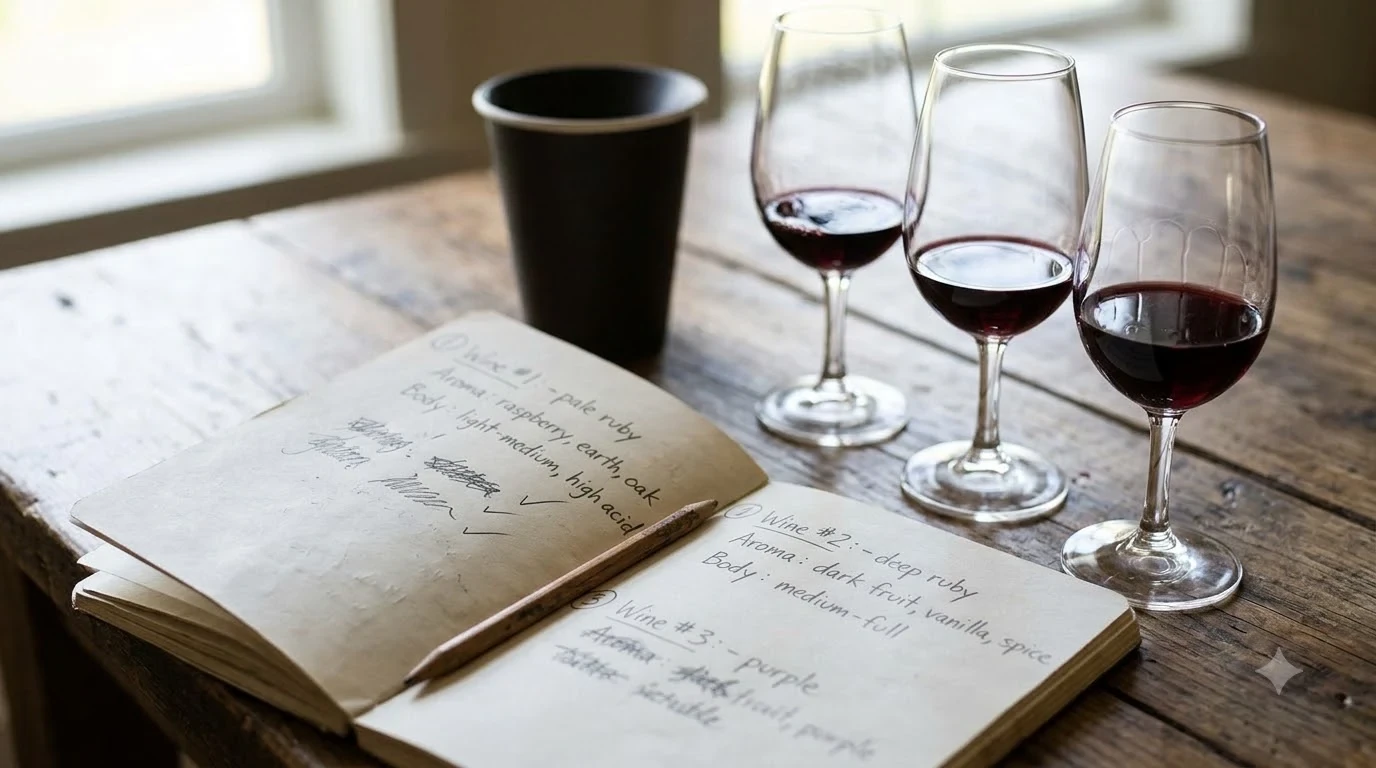

We may earn a commission when you buy through links on this page, at no extra cost to you. Learn more.
The Hermann wine festival experience in Hermann, Missouri, combines historic German wine traditions, seasonal celebrations, winery tastings, and food-pairing events throughout the year. The town’s wine calendar includes Oktoberfest, Maifest, and themed Hermann Wine Trail weekends featuring chocolate, cheese, barbecue, and other regional foods. Visitors can explore six participating trail wineries, discover Missouri-grown grape varieties, and enjoy the historic atmosphere of a small Missouri River community.
Located along the Missouri River, Hermann has a winemaking history stretching back to the 1830s. German settlers established vineyards in the surrounding hills, and their descendants helped develop a distinctive regional wine industry. Today, the town offers several ways to experience that heritage, from organized wine-and-food weekends to traditional German festivals and independent winery visits. Understanding the difference between these events makes it easier to choose the right travel dates and plan a rewarding visit.
Understanding Hermann’s Wine Festival Calendar
Hermann does not rely on one single annual wine festival. Instead, its wine celebrations form part of a broader calendar that includes the Hermann Wine Trail’s themed weekends, Oktoberfest, Maifest, and individual winery events. This gives visitors several opportunities to experience Missouri wine throughout the year.
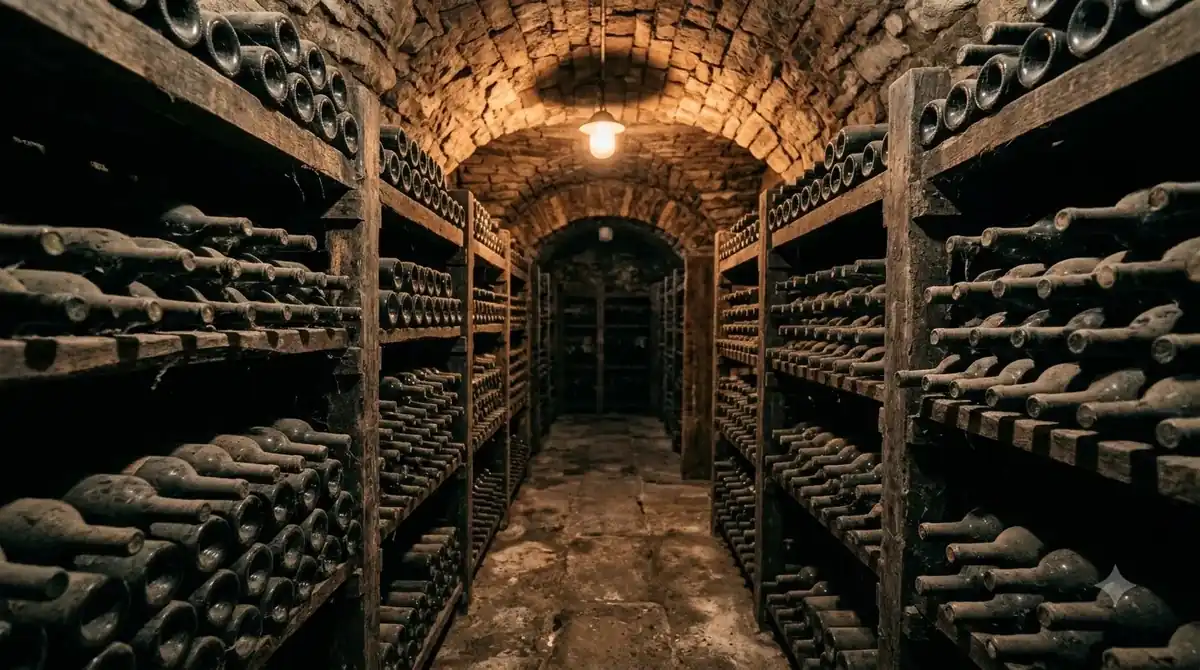
The tradition has deep historical roots. According to Visit Hermann’s wine history account, the town held its first Weinfest in the fall of 1848. That celebration helped establish a connection between wine, community gatherings, and German cultural traditions that remains visible in modern Hermann events.
For visitors, the most important distinction is between wine-specific tasting weekends and larger community festivals. Wine Trail events generally focus on coordinated tastings and food pairings at participating wineries. Oktoberfest, by comparison, celebrates the town’s German heritage through a broader mixture of food, music, wine, beer, and seasonal activities.
Several recurring events help organize the annual calendar:
- February: The Chocolate Wine Trail traditionally takes place during the fourth weekend of the month.
- April: The Vino & Tapas Wine Trail is traditionally held on a Saturday, while spring also brings winery events and the Vine & Platter Festival at Stone Hill.
- May: Maifest celebrates spring and Hermann’s German heritage.
- June: The Farmers’ Table Wine Trail pairs Missouri wine with seasonal food.
- July: Berries & BarBQ combines wine with barbecue and summer fruit flavors.
- September: Stone Hill’s Harvest Festival celebrates the beginning of grape harvest.
- October: Oktoberfest brings German traditions, food, wine, beer, and music to the town on multiple weekends.
- November and December: Holiday Fare and Say Cheese offer opportunities to explore seasonal wine and food combinations.
These recurring dates are useful for initial planning, but individual event schedules can change. The official tourism calendar and Hermann Wine Trail website are the best places to confirm specific dates, participating venues, ticket arrangements, and opening hours before traveling.
Visitors should also remember that an event weekend can be busier than an ordinary winery visit. Accommodation availability, restaurant reservations, and transportation between tasting locations deserve attention, particularly during October and popular summer weekends.
Exploring the Hermann Wine Trail and Its Six Wineries
The Hermann Wine Trail connects six family-owned wineries along an approximately 20-mile route between Hermann and New Haven. It is one of the most practical ways to experience the region because visitors can discover different wine styles, historic buildings, and vineyard settings during the same trip.
The participating wineries are Adam Puchta Winery, Hermannhof Winery, Dierberg Star Lane, G. Husmann Wine Company, Reserve Cellars of Hermann, and Röbller Vineyard. Each offers a different perspective on Missouri wine, so a visit to more than one location can provide a useful comparison of grape varieties, winemaking styles, and tasting-room atmospheres.
Historic wineries and family traditions
Adam Puchta Winery is particularly important to the area’s winemaking history. Established in 1855, it is described by Visit Missouri as the oldest continuously owned and operated family winery in the United States. Its location beside Frene Creek, approximately 2.5 miles west of Hermann along Route 100, makes it a worthwhile stop for visitors interested in historic family winemaking.
Hermannhof Winery has a heritage dating to 1852. Its historic stone-and-brick building originally operated as a brewery before becoming part of the local wine industry. The winery produces wines ranging from sweet to dry, making it a useful destination for visitors who want to compare different sweetness levels.
Reserve Cellars of Hermann offers another historical connection. Its press house and cellar are associated with an 1847 farmhouse and George Husmann, a significant figure in Missouri viticulture. The property illustrates how wine production once formed part of ordinary agricultural life in the region.
Other participating wineries
Dierberg Star Lane provides a different tasting experience, with wines associated with the Dierberg and Star Lane vineyards in California and Three Saints wines from Santa Barbara County. Its presence on the trail gives visitors an opportunity to compare wines from different American growing regions.
G. Husmann Wine Company connects visitors with the legacy of George Husmann and Missouri’s historic grape-growing industry. It is an interesting stop for anyone curious about how local growers developed varieties suited to the Midwest.
Röbller Vineyard completes the six-member trail. Its inclusion helps make the route a varied experience rather than a visit to wineries producing one uniform style of wine.
Not every visitor needs to visit all six locations in one day. Two or three well-planned stops allow time for tasting, conversations, food, and photographs without making the experience feel rushed. Visitors attending a scheduled Wine Trail event should confirm which wineries participate in that particular celebration.
For official trail information, including winery details and seasonal activities, consult Visit Missouri’s Hermann Wine Trail overview.
Discovering Missouri Wines and Local Grape Varieties
Hermann’s wine identity is closely connected to grapes that can tolerate the Midwest’s challenging growing conditions. Norton, Vignoles, Vidal Blanc, Catawba, and other heritage and hybrid varieties help distinguish Missouri wines from those produced in more familiar American wine regions.
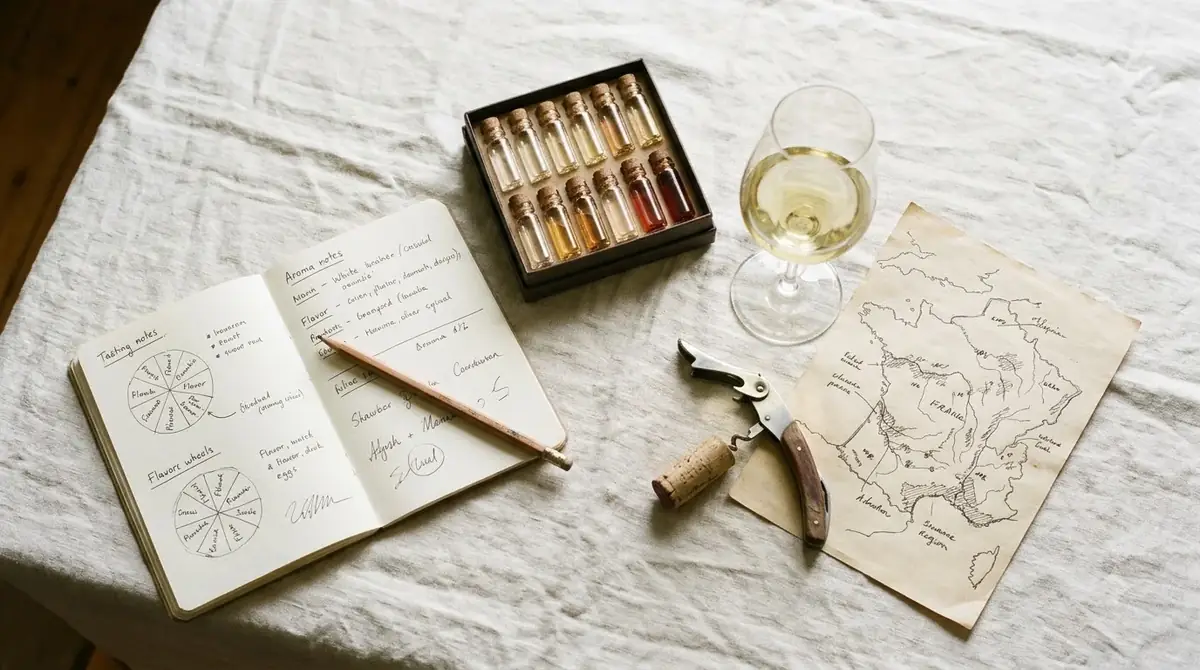
German immigrants established vineyards in the area partly because the rocky hillsides were difficult to cultivate for conventional crops. Over time, growers learned which varieties could withstand hot, humid summers and cold winters. The result is a regional wine culture that reflects both European traditions and American grape-growing experimentation.
Norton: Missouri’s signature red grape
Norton is one of the most important red varieties to explore during a Hermann visit. It is an American grape associated with the region’s historical wine industry and is known for producing deeply colored, full-bodied wines. Depending on the producer and winemaking approach, Norton can show dark berry, plum, earthy, and spice characteristics.
Its history is closely associated with Stone Hill Winery. According to the winery’s historical account, its Norton received the Best Red Wine of All Nations honor at the 1873 Vienna World’s Fair. That recognition helped establish Missouri wine as an internationally respected product during the nineteenth century.
For visitors who enjoy structured red wines, Norton is a natural starting point. It can work well with grilled meats, smoked barbecue, sausages, and hearty German-inspired dishes. Its fuller body makes it a better match for substantial food than for delicate seafood preparations.
Vignoles and other Missouri whites
Vignoles is another important variety to look for in Hermann tasting rooms. It can be made in different styles, ranging from crisp and dry to noticeably sweet. Depending on its ripeness and winemaking treatment, the wine may display citrus, tropical fruit, floral, or stone-fruit characteristics.
Vidal Blanc is also worth exploring. This hybrid grape can produce fresh, aromatic wines and is used for both dry and sweeter styles. Chardonel, a cross involving Chardonnay and Seyval Blanc, provides another option for visitors interested in fuller white wines.
Catawba, Concord, and Niagara represent additional parts of Missouri’s grape-growing heritage. These varieties are especially relevant to understanding the region’s historic preference for grapes that can thrive in local conditions.
Wine styles to compare during a tasting
A good tasting strategy is to sample wines with contrasting characteristics rather than ordering several similar selections. For example, compare a dry Vignoles with a sweeter version, then move to a fuller-bodied Norton. This helps illustrate how grape variety, ripeness, fermentation, and winemaking choices influence the finished wine.
| Grape variety | Wine style | Typical flavor profile | Food pairing |
|---|---|---|---|
| Norton | Full-bodied red | Dark berries, plum, spice | Barbecue and grilled meats |
| Vignoles | Dry to sweet white | Citrus, peach, tropical fruit | Cheese and fruit desserts |
| Vidal Blanc | Dry to sweet white | Apple, citrus, floral notes | Roasted poultry and seafood |
| Chardonel | Medium-bodied white | Apple, pear, subtle oak | Chicken and creamy dishes |
| Catawba | White or rosé-style wine | Grapey fruit and floral notes | Light salads and mild cheese |
| Chambourcin | Medium-bodied red | Cherry, berry, earthy notes | Sausages and roasted vegetables |
These descriptions are general tasting guides rather than guarantees about every bottle. Sweetness, acidity, body, and oak influence vary by producer. Asking the tasting-room staff about the specific wine being poured can help visitors understand its character and choose a suitable food pairing.
Choosing the Best Season for a Hermann Wine Festival Visit
Spring, summer, and fall each offer a different reason to visit Hermann. Spring emphasizes German traditions and fresh seasonal food, summer brings outdoor wine-and-food events, and fall combines harvest activities with the town’s best-known Oktoberfest celebrations.
Spring is especially appealing for travelers who prefer a quieter atmosphere. Maifest celebrates Hermann’s German heritage with music, dancing, food, and an outdoor market. The season also provides opportunities to visit historic wineries before the busier fall festival period.
Summer is a good choice for visitors interested in the Wine Trail’s themed food events. The Farmers’ Table weekend in June focuses on seasonal ingredients, while July’s Berries & BarBQ event brings together barbecue and wine. These celebrations make food pairing a central part of the experience rather than simply an additional activity.
Fall harvest and Oktoberfest
Fall is arguably the most recognizable season for Hermann’s festival atmosphere. The Stone Hill Harvest Festival traditionally takes place in early September and celebrates the beginning of grape harvest with live music, lawn games, a wine bar, and local vendors.
October brings Oktoberfest, a multi-weekend celebration of German heritage. The event includes traditional food, music, wine, beer, and autumn scenery. It appeals to visitors who want more than a traditional winery tasting because the entire community participates in the seasonal celebration.
The town’s history makes this period especially meaningful. Hermann’s original Weinfest dates to 1848, and its modern October celebrations preserve part of that connection between wine and German-American community life.
Winter wine experiences
Winter is a practical option for visitors who prefer a more relaxed itinerary. The Chocolate Wine Trail traditionally takes place in February, while the Holiday Fare and Say Cheese events offer seasonal tasting opportunities in November and December.
Indoor tasting rooms and historic wine cellars provide an alternative to outdoor festival activities. The cooler season also makes it easier to concentrate on wine comparisons, food pairings, and conversations with winery staff.
There is no single best month for everyone. Travelers interested in large community celebrations may prefer October, while wine enthusiasts who want organized tastings and specific food pairings may find a Wine Trail weekend more suitable.
Planning a One-Day or Weekend Hermann Wine Itinerary
A successful Hermann wine trip depends on allowing enough time for each tasting and choosing a realistic number of stops. The 20-mile Hermann Wine Trail covers multiple locations between Hermann and New Haven, so visitors should plan transportation rather than assuming every winery can be reached on foot.
A one-day visit can focus on two or three wineries, lunch, and a walk through historic downtown. A weekend provides more flexibility for attending a themed event, visiting additional tasting rooms, and exploring Hermann’s German-American heritage.
A practical one-day schedule
Begin in downtown Hermann in the morning. Spend approximately 60 to 90 minutes exploring the historic streets, independent shops, and local attractions. Visitors interested in the town’s German roots can include the Deutschheim State Historic Site in their plans.
For the late morning, choose one winery with a strong historical connection, such as Stone Hill or Adam Puchta. Allow around 60 to 90 minutes for a tasting and any available tour. A historic cellar visit can provide useful context for understanding how the local wine industry developed.
Afterward, plan a leisurely lunch featuring German-inspired dishes. Sausages, schnitzel, roasted meats, and regional cheeses provide suitable opportunities to compare local wine styles.
In the afternoon, visit another winery or tasting room. Hermannhof is a particularly interesting option for visitors who want to explore the town’s German heritage through its historic architecture and range of wine styles.
Finish the day with time for shopping, photographs, or a relaxed meal in town. Avoid scheduling tasting appointments too close together because traffic, conversations, and event activities can extend the time required at each location.
Making a weekend itinerary
A two-day visit allows travelers to experience the wine trail without rushing. On the first day, concentrate on the historic town center, one or two wineries, and a German-style dinner. On the second day, explore additional trail members and attend any scheduled festival activities.
Visitors attending a themed Wine Trail weekend should check the event’s specific format. Some events coordinate participating wineries around food pairings, while other celebrations are hosted by individual venues. Advance ticket arrangements and tasting schedules may differ.
Accommodation is another important consideration. Hermann has historic inns, bed-and-breakfast properties, and other lodging options. Staying overnight makes it easier to enjoy dinner and festival entertainment without having to leave town immediately after the final winery stop.
Tip: Limit your planned winery visits to two or three in one day, especially during organized tasting events. Arrange a designated driver, shuttle, or other transportation before the first tasting, and allow time for food between visits.
Pairing Hermann Wines with German Food and Festival Dishes
Food is a major part of Hermann’s wine culture, and the region’s German heritage creates natural opportunities for pairing wine with sausages, roasted meats, cheeses, barbecue, and seasonal desserts. Choosing a wine based on its acidity, sweetness, and tannin can make these combinations more enjoyable.
Norton is a useful choice for grilled meats and barbecue. Its fuller body and firmer tannin structure can stand up to smoky flavors and substantial dishes. Salt and fat also soften the perception of tannin, which helps explain why a structured red can work particularly well with sausages and richer meat preparations.
White wines with traditional German dishes
Dry Vignoles and Vidal Blanc can work with roasted poultry, pork, and lighter sausage dishes. Their acidity helps refresh the palate, especially when a meal includes butter, cream, or richer sauces.
Sweeter Vignoles can be an interesting match for spicy or salty foods, provided the wine has enough acidity to maintain balance. The contrast between sweetness and salt can make a pairing particularly appealing with smoked meats and savory cheeses.
Chardonel is another useful option for visitors who prefer a white wine with a little more body. Its style may suit roasted chicken, creamy pasta, and dishes with mushrooms or mild herbs.
Chocolate, cheese, and fruit pairings
The Chocolate Wine Trail highlights the relationship between wine sweetness and dessert. A reliable pairing principle is to choose a wine at least as sweet as the dessert. Otherwise, the wine can taste thin, sharp, or excessively acidic beside a sugary dish.
For chocolate desserts, sweeter wines are generally a better starting point than dry whites. Rich chocolate cake and dark chocolate preparations may work with appropriately sweet, full-flavored wines, while lighter chocolate treats can be paired with fruit-forward selections.
Cheese offers another useful tasting opportunity. Fresh and mild cheeses can complement aromatic white wines, while firmer cheeses and aged varieties may work with fuller-bodied reds. The Say Cheese Wine Trail provides an organized setting for exploring these combinations.
Barbecue and summer foods
The July Berries & BarBQ event provides an opportunity to compare wine with smoked meat, sweet barbecue sauces, and fruit-based dishes. A fruit-forward red can work with grilled pork, while a slightly sweet white may complement spicy sauces.
Visitors should be cautious with very hot chili preparations. Alcohol and tannin can intensify the perception of chili heat, so a lower-alcohol, fruitier wine with some sweetness may be more comfortable alongside strongly spiced dishes.
Acidity is another important consideration. Tomato-based sauces and acidic dressings are generally better with wines that have comparable or higher acidity. A wine with insufficient freshness can taste flat next to an acidic dish.
Travel, Tickets, and Practical Tips for Visiting Hermann
Hermann is located along the Missouri River, and its combination of downtown attractions and outlying wineries makes basic transportation planning important. Visitors should also consider event schedules, tasting-room hours, and lodging availability before arriving.
The town is accessible by car, and the Missouri River Runner provides an Amtrak connection. However, arriving by train does not automatically provide transportation to every winery on the trail. Visitors who plan to explore locations outside the downtown area should arrange a designated driver, taxi, shuttle, or other suitable transport.
Transportation between wineries
The Hermann Wine Trail stretches approximately 20 miles between Hermann and New Haven. Although some attractions are close to downtown, other wineries are situated in rural settings along the surrounding roads.
Do not assume that the entire trail is a pedestrian route. Check the location of each planned winery and determine how much driving is involved. If traveling with a group, agree on a transportation plan before the first tasting.
Visitors using Amtrak should also plan the journey from Hermann’s station to their accommodation and any outlying wineries. A central hotel or inn can make it easier to explore downtown attractions on foot while arranging separate transportation for vineyard visits.
Tickets and reservations
Some Hermann Wine Trail events operate with organized tickets or coordinated tasting arrangements, while ordinary winery visits may have different admission and reservation requirements. Confirm the exact arrangements for the particular weekend rather than assuming every event uses the same system.
Check the participating wineries, included tastings, food portions, event hours, and any age restrictions. If a festival offers a designated tasting package, review whether it covers all participating wineries or only selected activities.
Individual wineries may also host live music, special dinners, harvest celebrations, and seasonal activities outside the main Wine Trail calendar. Stone Hill, for example, maintains its own event schedule, so visitors can combine a regional festival with a winery-specific experience.
What to bring and how to prepare
Comfortable walking shoes are useful for historic streets, vineyard grounds, and winery properties. Outdoor events can involve changing weather conditions, so visitors should dress appropriately for the season and bring a suitable outer layer.
A reusable water bottle, a small notebook, and a phone for photographs can also be useful. Writing down grape varieties, producer names, and preferred wine styles helps visitors remember what they sampled during a multi-winery trip.
Food is an important part of a responsible tasting itinerary. Plan a proper lunch rather than relying entirely on small tasting portions. Allow enough time between stops, and avoid trying to visit every winery simply to complete the route.
For broader comparisons with other American wine destinations, readers can also explore our coverage of the Indiana wine festival, the Livermore wine festival, and other destinations in our Wine Regions collection.
Frequently Asked Questions
Is Hermann’s wine festival suitable for beginners?
Yes. Many winery tasting rooms welcome visitors who are unfamiliar with Missouri grapes and regional wine styles. Beginners can start with a flight containing three or four contrasting wines and ask staff to explain sweetness, acidity, body, and grape characteristics. Learning about Norton and Vignoles provides a useful introduction to the region.
What is the difference between Hermann and Augusta wine country?
Both are important parts of Missouri’s German-American winemaking history, but they are separate wine destinations. Hermann is associated with its own AVA and historic town-based wine culture, while Augusta is recognized as the country’s first designated American Viticultural Area. Visiting both offers a broader understanding of Missouri’s wine heritage.
Can visitors buy Missouri wines directly from Hermann wineries?
Yes. Participating wineries generally offer opportunities to purchase their wines through their tasting-room operations. Availability varies by producer and wine, and some selections may be seasonal or limited-production releases. Visitors interested in a particular grape variety can ask about current tasting-room selections.
Why is George Husmann important to Hermann’s wine history?
George Husmann helped improve Missouri grape growing through research into soils, grape varieties, and hybridization. His work also contributed to the international movement of phylloxera-resistant rootstocks during the nineteenth century. His later career connected Missouri’s wine history with the development of California viticulture.
Can visitors combine a Hermann wine trip with river activities?
Yes. The Missouri River provides an additional recreational dimension to a Hermann visit, with opportunities in the surrounding area for boating, fishing, and enjoying river scenery. Visitors can combine these activities with historic downtown attractions and winery visits, provided they allow sufficient time for transportation between locations.
Hermann offers much more than a single wine festival: its historic vineyards, family wineries, German celebrations, and themed food events create reasons to visit throughout the year. Whether the priority is Oktoberfest, a summer Wine Trail weekend, or a quieter tasting-room experience, planning around the event calendar makes it easier to discover the distinctive wines and traditions of Missouri wine country.
More in Wine Regions
 Willcox Wine Trail: Discover Arizona’s High-Elevation Wine CountryUpdated Nov 20, 2026
 Yakima Valley Wine Region: Find the Best Styles to TryUpdated Nov 20, 2026
 Vosne Romanee Wine Tasting: Identify Aromas and Choose Better PairingsUpdated Nov 20, 2026
 Yakima Valley Wine Festival: Find the Best Seasonal Wine EventsUpdated Nov 20, 2026
 Wales Vineyards: Discover Cool-Climate Wines and Where to VisitUpdated Nov 20, 2026
 Yountville Wine Festival: Discover Napa Wines and Local FoodUpdated Nov 20, 2026