

We may earn a commission when you buy through links on this page, at no extra cost to you. Learn more.
Norton red wine is a bold, usually dry American red made from the Norton grape, a variety closely associated with Missouri and known for dark berry, cherry, spice, vanilla, and cocoa notes. It is also called Cynthiana, and it is Missouri’s official state grape. Expect a full-bodied wine with enough freshness to work at the table, especially alongside smoked meats, beef, lamb, aged cheese, and barbecue.
Unlike Cabernet Sauvignon or Pinot Noir, Norton is not a European grape that became famous after taking root in the United States. It is an American variety with a long, sometimes disputed origin story and a particular place in Missouri wine culture. Its character can shift with growing conditions, ripeness, cellar choices, and sweetness level, so the best bottle to choose depends on how you plan to drink it.
What Norton Red Wine Is and Where It Comes From
Norton is a red wine grape of American origin, generally identified by the botanical name Vitis aestivalis and also known as Cynthiana. It is the grape behind the bold, dry red most associated with Missouri, although Norton can be made in more than one style.
The variety is traditionally linked to Dr. Daniel Norborne Norton, a horticulturist in Richmond, Virginia. Visit Missouri’s historical timeline traces his development of the grape to 1818–1822, while the Missouri Wines Norton profile describes Norton as an American grape found near Richmond in 1835. The precise ancestry and origin story are not completely settled. Visit Missouri notes that the exact parentage is unknown and recounts a competing discovery claim, so it is more accurate to describe Norton as an American grape with a disputed early history than to present one date as certain.
The grape found a lasting home in Missouri. According to Visit Missouri, Norton reached Hermann in the 1840s, and the first Missouri Norton vintage was bottled in 1848. The same historical account records a Norton from Stone Hill Winery winning a gold medal at the 1873 Universal Exhibition in Vienna. Those milestones help explain why the grape is more than a local curiosity: it became a defining part of the state’s wine identity.
Missouri formally adopted Norton/Cynthiana as its official state grape in 2003. The Missouri Secretary of State identifies the variety as Vitis aestivalis and notes its adaptability and self-pollinating nature. The state’s designation is specific to the grape, not to a single winery or brand. A bottle labeled Norton may come from different producers and vintages, with meaningful variation in style.
How Norton Grapes Shape the Wine
Norton is valued by Missouri growers for hardiness and disease resistance, traits that have helped it remain important in a region where vineyard conditions can be demanding. In the glass, the grape is associated with deep color, concentrated fruit, and a full-bodied profile rather than the pale color and light structure of many easy-drinking reds.
Missouri Wines describes typical Norton as bold, full-bodied, complex, and dry. Its Norton white wine counterpart is a useful comparison for readers exploring how grape choice changes the glass. The red profile includes berries, ripe cherries, currants, spice, vanilla, and chocolate. Those are useful guideposts, not a fixed recipe: one bottle may lean toward tart red cherry and fresh berry, while another can show darker fruit, baking spice, oak-derived vanilla, or a more savory edge.
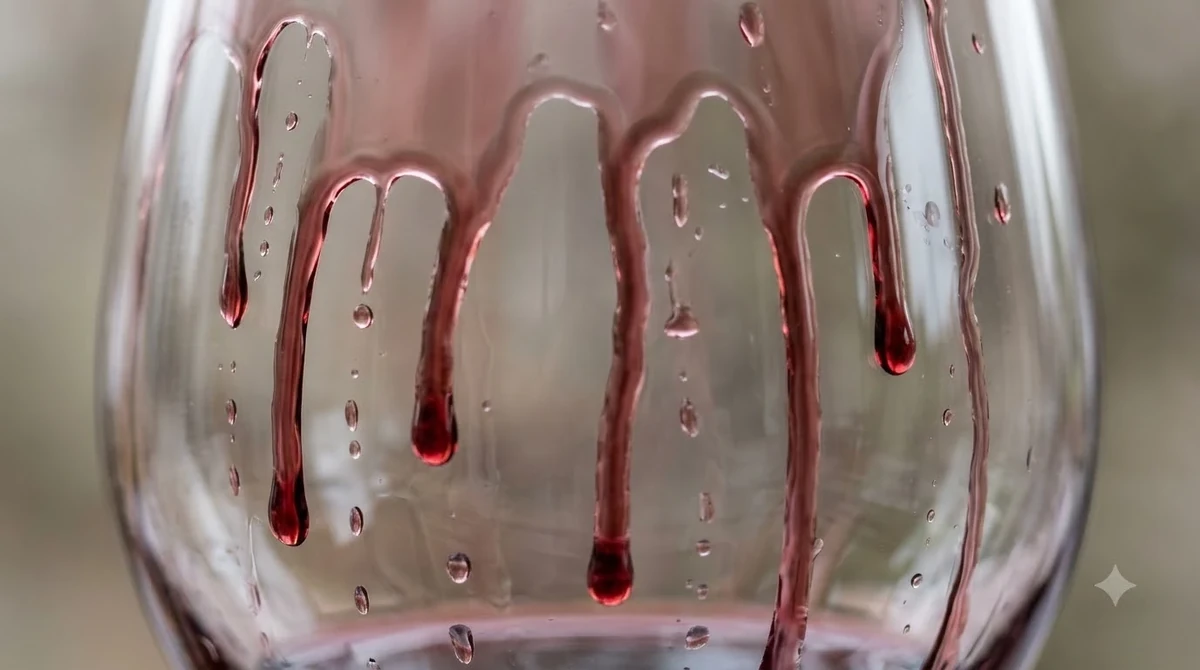
Color and body are two of the most recognizable cues. Norton often appears deep ruby to purple in the glass, with enough visual concentration to suggest a substantial red. On the palate, ripe fruit can give an impression of richness, while acidity and tannin provide structure. The finish may feel firm or slightly drying, particularly in a younger, more tannic bottling.
Oak can influence the flavor as well. When a producer uses oak aging, the wine may develop vanilla, toast, baking spice, or cocoa-like impressions that sit alongside the fruit. Other producers may emphasize the grape’s natural fruit and freshness with less obvious oak character. Neither approach defines all Norton; the producer’s decisions matter as much as the variety name.
Flavor, Body, Acidity, and Tannin to Expect
Think of Norton as a substantial dry red with dark-fruited intensity and a firm frame. For a drinker who usually chooses Cabernet Sauvignon, Syrah, or other fuller reds, Norton can feel familiar in weight while offering a different American grape identity and a distinctive mix of berry, cherry, and spice flavors.
The aroma commonly begins with ripe berries, black or red cherry, and currant. Swirling may bring out notes of vanilla, chocolate, peppery spice, or earth. These descriptors are not added ingredients; they are ways of describing aromas that can develop from the grapes, fermentation, and aging. Fruit-forward examples may seem round and generous, while more structured examples show a brighter edge and a lingering grip.
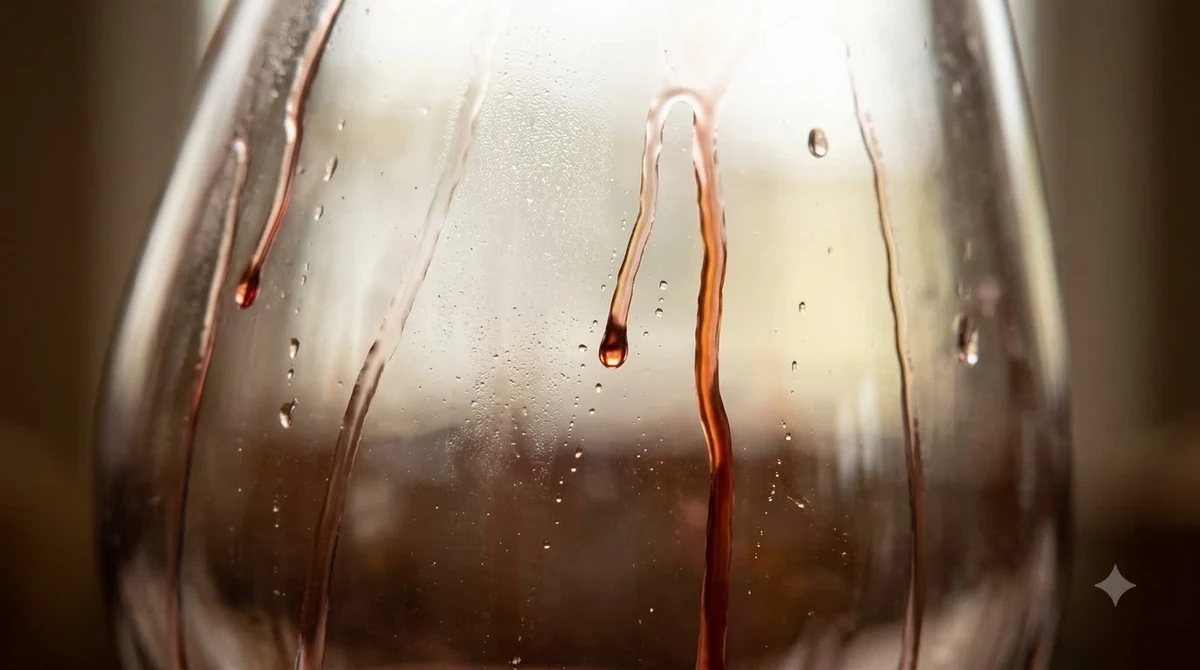
Acidity is important because it keeps a full-bodied wine from feeling flat beside food. Norton can have a lively line of freshness that carries the fruit through the finish. Tannin, meanwhile, creates the drying sensation along the gums and cheeks. Its intensity varies by wine, but the grape’s broad, structured profile means a younger Norton can feel firmer than a soft, low-tannin red.
Sweetness is a separate question from body. The classic table-wine expression is dry, but Norton is also used for richer dessert-style wines. A dry Norton should not taste sugary simply because it has ripe berry or chocolate-like aromas. A dessert bottling, by contrast, will feel noticeably sweeter and may have a richer texture; the difference matters when choosing food and serving temperature.
Dry, Dessert, and Oak-Aged Norton Styles
Most drinkers looking for Norton will encounter a dry red intended for the dinner table, but the grape has a wider range than one standard profile. Missouri’s wine history describes both complex dry reds and intense dessert wines, and the state’s wine information also lists Port-style Norton among the styles made by local wineries.
A dry Norton is the most versatile starting point. It suits meals built around roast meat, smoked flavors, tomato-based sauces, and aged cheeses because the fruit and structure can stand up to savory seasoning. It can be an everyday red served with dinner or a more carefully made bottle with visible oak influence and a longer finish. The label may identify the wine as dry, but the producer’s tasting notes can help explain whether it leans fruit-forward, earthy, or oak-driven.
Some producers make sweet or fortified Norton in a Port-inspired style. These wines are designed for a different role: a small pour after dinner, alongside blue cheese, dark chocolate, dried fruit, or a dessert with similar sweetness. “Port-style” describes a style inspired by Portuguese Port; it does not mean the wine was made in Portugal or is authentic Port from the Douro region. Sweetness and alcohol can be higher than in a dry table wine, so it is best to treat the bottle as a separate category rather than assume all Norton is dry.
Oak treatment and blending can also change the experience. A more oak-influenced version may bring vanilla, toast, and spice to the grape’s berry and cherry core, making it feel richer beside grilled or roasted food; a less oak-forward wine can make the fruit and acidity more prominent. When comparing two bottles, look for clues such as “oak aged,” “barrel aged,” or a producer’s description of the wine’s texture. A producer may bottle Norton on its own to highlight the variety, or use it in a blend to contribute color, fruit, and structure. A varietal label is the clearest place to begin when learning Norton itself. For help distinguishing a grape variety from a producer or label, see our overview of Wine Brands.
Food Pairings That Work With Norton
Norton’s dark fruit, body, and firm structure make it a natural match for flavorful food. Smoked meat, beef, lamb, venison, barbecue, and aged cheddar are especially strong options because their savory richness can meet the wine’s intensity without making the fruit seem thin.
For a main course, try smoked brisket, grilled steak, lamb chops with rosemary, or slow-roasted beef. Barbecue sauce can work particularly well when it is savory, smoky, and not excessively sweet. Tomato sauce is another practical match: acidity in the food is easier to balance when the wine has enough freshness of its own. If the sauce is very sharp, choose a Norton with lively acidity rather than one that tastes especially soft or sweet.
Cheese offers several easy pairings. Aged cheddar brings salt and concentrated flavor, blue cheese creates a bold contrast, and nutty hard cheeses can echo the wine’s darker, savory notes. Salt and fat soften the perception of tannin, which is one reason structured reds often work well with rich meat and cheese. A handful of roasted hazelnuts or walnuts can also complement a glass. For meat-free dishes, try grilled portobello mushrooms, eggplant with tomato and garlic, lentils with herbs, or roasted vegetables with a browned edge; caramelized onions, rosemary, and smoky spices connect the plate to the wine’s flavor profile. Spicy food needs more care: chili heat can seem stronger beside a wine with noticeable alcohol and tannin, so intensely hot dishes are usually less comfortable matches than gently spiced barbecue or black-pepper seasoning. Avoid serving a very delicate dish with a forceful Norton, which may overwhelm subtle herbs, mild fish, or lightly seasoned vegetables. If a meal is very hot, choose a softer, less alcoholic wine or reduce the chili rather than expecting a full-bodied Norton to cool the palate.
Tip: Build the pairing around the main ingredient and sauce. Norton is an especially reliable choice for smoked brisket, rosemary lamb, tomato-rich braises, and aged cheddar; for chili-heavy dishes, keep the heat moderate so the wine’s structure does not amplify it.
Serving Temperature, Glassware, and Storage
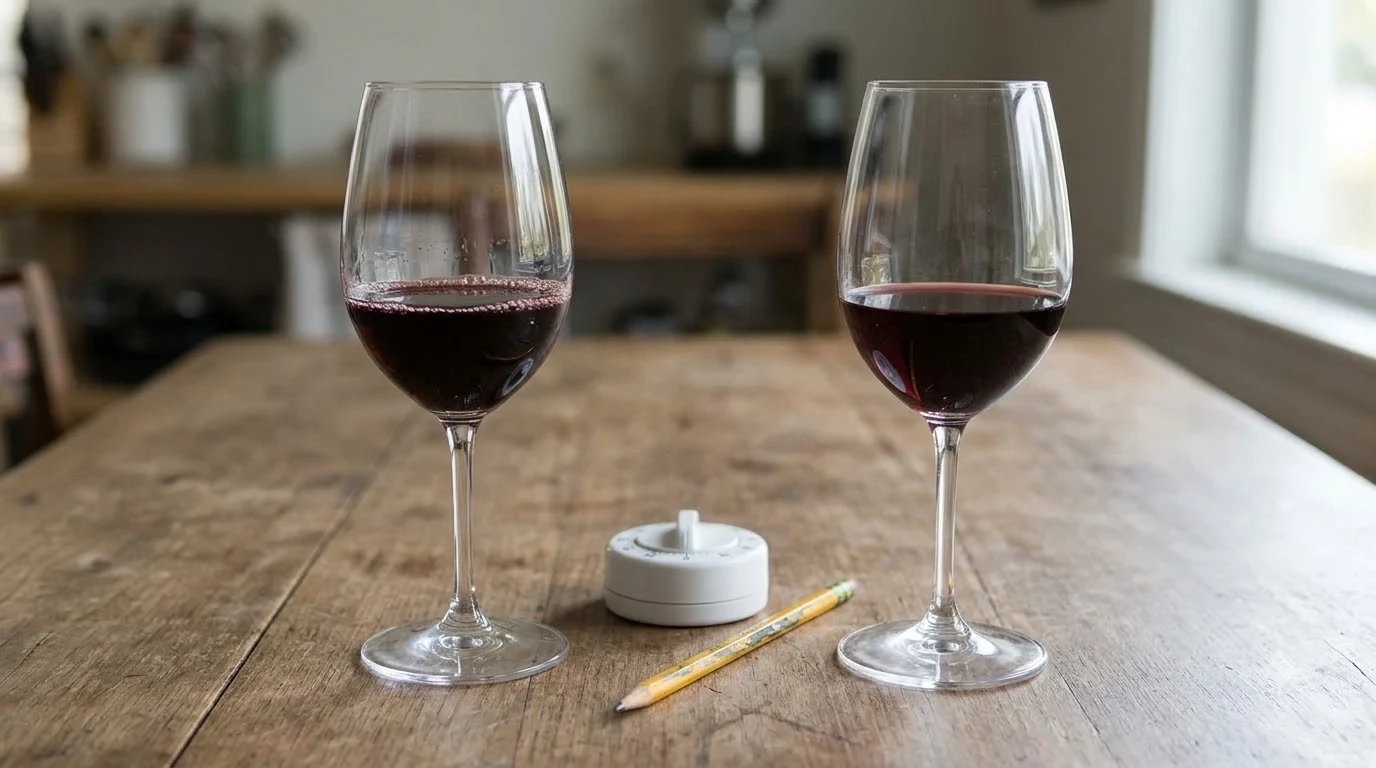
Serve a full-bodied Norton slightly cool rather than warm. A practical target is 60–65°F, which gives the fruit room to show while keeping alcohol and tannin from feeling too prominent; Missouri Wines lists 65°F to cellar temperature as its guidance for the variety.
Use a standard red-wine glass with enough bowl space to let the aromas collect. Pour about 5 ounces rather than filling the glass to the rim; a 750-milliliter bottle yields roughly five standard glasses. If a young, full-bodied Norton tastes tight, strongly tannic, or dominated by oak when first opened, try decanting it for 30–60 minutes. Taste a small pour first, because not every bottle needs the same amount of air.
| Serving or storage detail | Practical target | How to use it |
|---|---|---|
| Serving temperature | 60–65°F | Serve Norton cool enough to keep its structure balanced. |
| Standard pour | 5 ounces | Leaves room in the glass for swirling and aromas. |
| 750 ml bottle | About 5 glasses | Plan portions for a dinner or tasting. |
| Decanting a young full red | 30–60 minutes | Use when the wine seems closed or especially firm. |
| Opened still wine | 3–5 days refrigerated | Reseal promptly and keep the bottle cold between pours. |
| Long-term bottle storage | Near 55°F | Store on its side in a cool, dark place with stable conditions. |
Temperature has a noticeable effect on balance: too warm, and the alcohol can feel more pronounced while freshness seems muted; too cold, and aromas may seem closed and tannin may feel more severe. A short spell in the refrigerator can correct an overly warm bottle, while a few minutes in the glass can take the chill off if it comes out too cold. Store unopened bottles on their side near 55°F, away from direct sunlight and frequent temperature swings.
After opening, reseal Norton and keep it in the refrigerator; most still wines are best used within 3–5 days. Bring the remaining wine back toward its serving temperature before pouring, rather than leaving it on a warm counter for hours. Keep the bottle away from strong kitchen heat, because repeated warming and cooling can shorten its useful drinking window.
Frequently Asked Questions
These quick answers cover the naming, origin, and practical details that often come up when choosing a bottle of Norton.
Is Norton the same grape as Cynthiana?
Yes, Norton and Cynthiana are commonly used as names for the same grape variety in Missouri wine references. The Missouri statute records the designation in Revised Statutes of Missouri section 10.160. Its wording uses both names together, which is why consumers may see either name in wine literature and on grape-growing references.
Is Norton a native American grape or a hybrid?
Norton is classified as an American species grape, Vitis aestivalis, rather than a standard European Vitis vinifera variety. Some historical accounts suggest it may have a European grape ancestor farther back in its lineage, but no settled parentage has been established. The uncertainty is why careful histories distinguish the grape’s botanical classification from theories about its ancestry.
Can Norton wine be made outside Missouri?
Yes. Norton is strongly associated with Missouri, but the grape has also been grown in Virginia and elsewhere. Visit Missouri’s historical timeline notes that Norton vines were requested from Stone Hill Winery for Virginia plantings in 1988, linking the variety’s Missouri revival with its traditional Virginia origin story.
Does Norton have a protected appellation like Champagne?
No. Norton is a grape name, not a protected regional term comparable to Champagne. A bottle can identify Norton as the variety while separately naming the place where the grapes were grown, such as a Missouri or Virginia wine region. That distinction helps explain why bottles made from the same grape can show different regional styles.
Why might two Norton wines taste very different?
Skin-contact time, fermentation temperature, malolactic conversion, and blending decisions can all alter color, texture, and aroma. Norton is not made by one winery under a single recipe, so two bottlings can differ even when both are dry and labeled with the same grape name. Comparing a dry, unoaked wine with an oak-aged or Port-style example reveals how broad the range can be.
Norton is a distinctive American red worth seeking out if you enjoy full-bodied wines with dark berry fruit, cherry, spice, and a firm finish. Start with a dry Missouri bottling, serve it at 60–65°F, and pair it with smoked meat, beef, lamb, or aged cheese to see why the grape has such a strong place in the state’s wine identity.
More in Wine Brands
 Louis Latour Wine Price: Compare Bottles by Style and TierUpdated Nov 20, 2026
 Yellow Tail Moscato Price: What to Expect Before You BuyUpdated Nov 20, 2026
 Sutter Home Sweet Red Review: Find the Right Food PairingsUpdated Nov 20, 2026
 Franzia Chillable Red Review: Find the Right Serving StyleUpdated Nov 20, 2026
 Veuve Clicquot Rose Review: Flavor, Food Pairings and Buying AdviceUpdated Nov 20, 2026
 Rombauer Wine Price: Compare Bottles Before You BuyUpdated Nov 20, 2026