


We may earn a commission when you buy through links on this page, at no extra cost to you. Learn more.
Norton white wine refers to white wine produced by Argentina’s Bodega Norton, including Sauvignon Blanc, Chardonnay, Torrontés, and Grüner Veltliner, although the name can also describe a distinctive American blush wine made from red Norton grapes. These wines offer different experiences, from citrus-driven and refreshing Sauvignon Blanc to floral Torrontés and richer Chardonnay. Understanding which Norton wine is in the bottle makes it easier to identify its sweetness, flavor profile, serving temperature, and best food pairings.
The Norton name can cause some confusion because it refers to two different wine contexts. Bodega Norton is an Argentine producer with a portfolio of international white grape varieties, while Norton is also the name of a traditional American red grape associated with Virginia and Missouri. Some American wineries use that red grape to make a pale or blush-style wine marketed as White Norton. The distinction matters because the grape, production method, color, and flavor can vary considerably.
Understanding What Norton White Wine Actually Means
Norton white wine generally refers to white wines made by Bodega Norton in Mendoza, Argentina, rather than wines made from the American Norton red grape. The producer’s portfolio includes familiar international varieties such as Sauvignon Blanc and Chardonnay alongside aromatic Torrontés and the less common Grüner Veltliner.
Bodega Norton offers several distinct white wine labels. Its Colección Sauvignon Blanc is a citrus-focused option, while its Chardonnay selections provide a different balance of fruit, texture, and richness. Torrontés offers a more floral character, and Lote Blanco introduces Grüner Veltliner from the Uco Valley.
The American meaning is different. Norton is a red grape sometimes called Cynthiana, associated particularly with Missouri and Virginia. At New Kent Winery in Virginia, White Norton is a semi-dry blush wine made from this red grape. It has cherry and strawberry characteristics rather than the conventional citrus profile associated with many white grape varieties.
For shoppers, the easiest way to avoid confusion is to identify the producer and grape variety. A bottle labeled Norton Sauvignon Blanc is a white wine made from Sauvignon Blanc, whereas a bottle labeled White Norton may refer to the American red-grape-based blush style.
Tip: Look for the grape variety and producer name together. Bodega Norton and New Kent Winery represent two different interpretations of the Norton name, so the word Norton alone does not establish the wine’s grape or style.
Bodega Norton’s Main White Grape Varieties
Bodega Norton makes white wines from several grape varieties, each with a recognizable flavor profile and different food-pairing strengths. Sauvignon Blanc, Chardonnay, Torrontés, and Grüner Veltliner are four useful starting points when comparing its white wine selection.
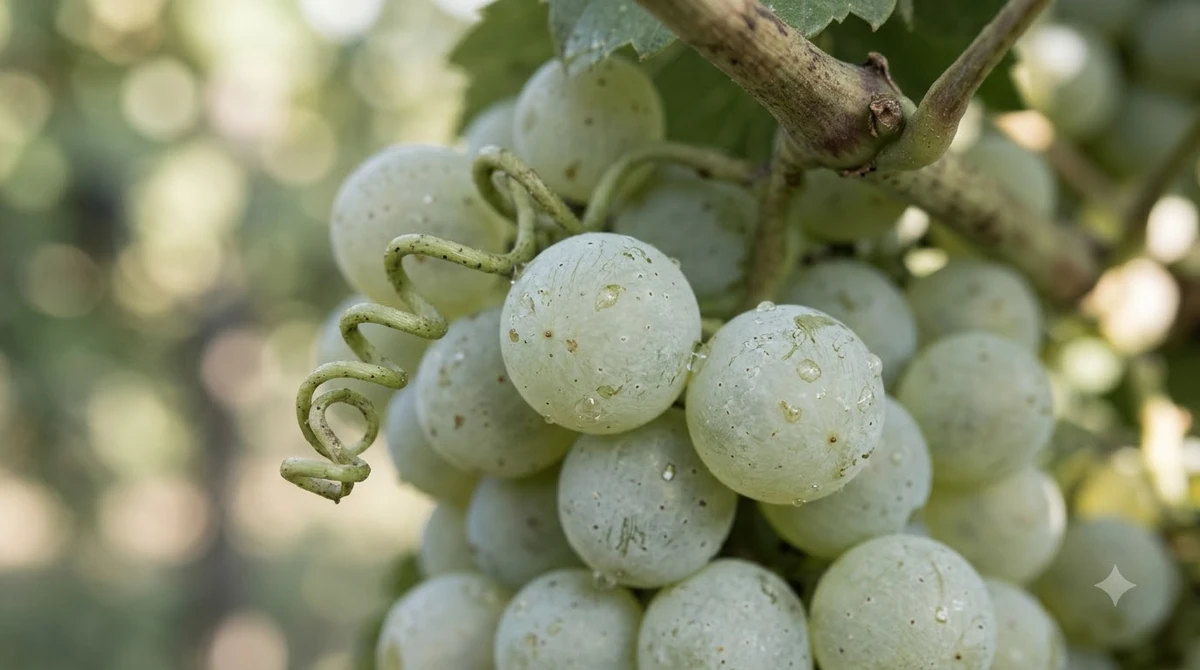
Sauvignon Blanc is a particularly approachable choice for drinkers who enjoy lively acidity and citrus flavors. Norton’s Colección Sauvignon Blanc is described with pink grapefruit, fresh herbs, and other citrus characteristics. Its pale yellow color with green highlights gives it the familiar appearance of a youthful, refreshing white wine.
Chardonnay offers a different experience. Norton has both Barrel Select Chardonnay and Reserva Chardonnay in its portfolio. The Barrel Select description identifies green apple and tropical fruit, while the Reserva description includes ripe fruit, citrus, mineral notes, and vanilla. These characteristics make Chardonnay a useful option for people who prefer a broader texture than Sauvignon Blanc generally provides.
Torrontés is one of Argentina’s most recognizable aromatic white grape varieties. Norton’s Colección Torrontés is described with white peach, rose petal, and jasmine. Its floral and fruit-forward profile makes it particularly interesting for people who enjoy expressive aromas rather than a restrained mineral style.
Grüner Veltliner provides another distinctive option. Norton’s Lote Blanco is made entirely from this Austrian-origin grape and comes from San Pablo in Mendoza’s Uco Valley. Its vineyard elevation is 1,450 meters, giving the wine a specific high-altitude origin within Argentina.
| Wine variety | Typical flavor direction | Acidity | Best starting pairing |
|---|---|---|---|
| Sauvignon Blanc | Grapefruit, citrus, herbs | High | Seafood and salads |
| Chardonnay | Apple, tropical fruit, vanilla | Medium | Roast chicken and creamy pasta |
| Torrontés | Peach, jasmine, rose | Medium to high | Spiced Asian dishes |
| Grüner Veltliner | Citrus, orchard fruit, spice | High | Vegetables and freshwater fish |
These are general grape-style characteristics rather than guaranteed tasting notes for every Norton bottling. Harvest conditions, fermentation choices, maturation, and individual vineyard characteristics can change the final result.
How Norton White Wine Tastes and Smells
The flavor of Norton white wine depends primarily on the grape variety and winemaking approach. Sauvignon Blanc generally emphasizes citrus and herbal freshness, Chardonnay can show apple and tropical fruit with a broader texture, and Torrontés is known for expressive floral aromas.
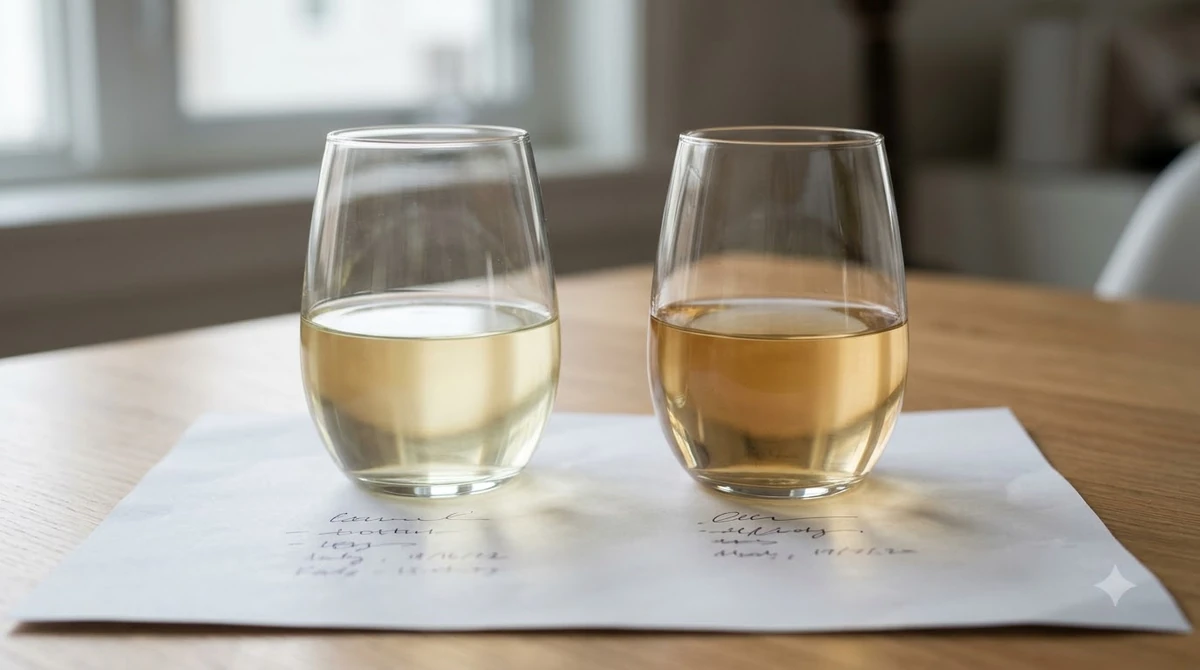
Norton’s Colección Sauvignon Blanc offers a useful example of the producer’s fresher style. Its tasting description highlights pink grapefruit, citrus, and fresh herbs, followed by a fresh, fruity palate and balanced finish. These characteristics make it suitable for drinkers who prefer a white wine with recognizable fruit flavors and refreshing acidity.
Chardonnay provides more variation. Norton’s Barrel Select Chardonnay is described with green apple and tropical fruit, while the Reserva bottling includes ripe fruit, citrus, mineral notes, and vanilla. The latter combination suggests a more layered flavor profile, although the actual weight and oak influence should not be assumed to be identical in every bottle.
Torrontés is more aromatic than many familiar Chardonnay styles. White peach, rose petal, and jasmine give Norton’s Colección Torrontés a floral character that can be noticeable even before the first sip. This makes it particularly appealing to people who enjoy aromatic varieties such as Gewürztraminer or Muscat.
Grüner Veltliner offers another direction. The variety is associated with fresh acidity, citrus, orchard fruit, and a characteristic peppery edge. Norton’s Lote Blanco is particularly interesting because it comes from the elevated vineyards of San Pablo rather than being a generic blend of white grapes.
Color can provide an additional clue, although it cannot identify the grape by itself. Sauvignon Blanc commonly appears pale yellow with greenish reflections, Chardonnay can range from pale straw to deeper gold, and aromatic Torrontés can show a greenish-yellow appearance with golden highlights.
Is Norton White Wine Dry, Semi-Dry, or Sweet?
Most of the standard white grape varieties in Norton’s portfolio should be approached according to their individual wine styles rather than assuming that every bottle has the same sweetness. Sauvignon Blanc is commonly produced as a dry wine, Chardonnay is generally dry, and Torrontés can also be made in a dry style despite its pronounced floral and fruity aromas.
One important distinction is the difference between fruitiness and sweetness. A Sauvignon Blanc with strong grapefruit aromas can smell intensely fruity without containing much residual sugar. Likewise, Torrontés can smell like ripe peach and flowers while remaining dry on the palate.
Chardonnay is another example. Ripe apple, tropical fruit, and vanilla aromas do not automatically mean a wine is sweet. A dry Chardonnay can still taste rounded and generous because alcohol, acidity, fruit ripeness, and fermentation choices influence the perception of texture.
White Norton from New Kent Winery is a separate example. The Virginia Wine listing explicitly describes this wine as semi-dry and identifies cherry, strawberry, and rose-petal characteristics. It should not be treated as interchangeable with Bodega Norton’s conventional white wines.
Sweetness is especially important when choosing wine for dessert or spicy food. A wine should generally be at least as sweet as the dessert accompanying it. For dishes containing substantial chili heat, a lower-alcohol, slightly sweet white can be more comfortable than a strongly alcoholic or heavily tannic wine.
When comparing bottles, distinguish among these terms:
- Dry: Little perceptible sweetness, with acidity and fruit providing much of the impression of freshness.
- Off-dry: A small amount of residual sugar that can soften acidity and make the wine seem rounder.
- Semi-dry: Noticeable but restrained sweetness, as described for New Kent Winery’s White Norton.
- Sweet: Clearly perceptible sugar, often suitable for fruit desserts or sweet dishes.
For a straightforward first choice, Sauvignon Blanc is a sensible option for someone who prefers dry, crisp white wine. Torrontés is a good alternative for someone who enjoys aromatic fruit and flowers, while Chardonnay suits drinkers who favor a broader palate.
How Bodega Norton Makes Its White Wines
Bodega Norton’s white wine production begins with harvesting and selecting grapes, followed by pressing and controlled fermentation. The winery describes white grape juice fermentation at 15°C to 20°C, or 59°F to 68°F, for approximately 15 days.
According to Bodega Norton’s winemaking explanation, harvesting takes place between January and April. After the grapes reach the winery, they are transferred along a conveyor belt and selected by hand to remove damaged fruit and leaves. The grapes are then destemmed as part of the preparation process.
For white wines, the grapes are pressed so that the juice is separated from the skins, seeds, and pulp. This differs from conventional red wine production, where contact with grape skins during fermentation helps extract color and tannin.
Temperature control is important because white wine production generally aims to retain fresh fruit aromas. Norton’s stated fermentation range of 59°F to 68°F allows the winery to manage fermentation while developing the desired aromatic profile. Its stated fermentation period is close to 15 days.
The producer also describes a second malolactic fermentation for its white wines. This process converts sharper malic acid into softer lactic acid and can contribute to a creamier mouthfeel. Its influence varies according to the wine and production choices, so it should not be interpreted as meaning that every Norton white tastes rich or buttery.
Before bottling, Norton says both red and white wines undergo filtering, clarification, and stabilization. These final steps help prepare the wine for packaging and distribution.
For more background on the producer’s range, the official Bodega Norton winemaking explanation describes the production stages for both red and white wines.
Best Food Pairings for Norton White Wine
Norton white wine pairs particularly well with seafood, poultry, vegetables, salads, and moderately spiced dishes. The best match depends on the grape: high-acidity Sauvignon Blanc suits fresh and acidic foods, Chardonnay works with richer dishes, and aromatic Torrontés can complement fragrant seasonings.
Sauvignon Blanc with seafood and fresh vegetables
Norton’s Colección Sauvignon Blanc is a natural candidate for grilled shrimp, white fish, oysters, and seafood salads. Its grapefruit and herbal notes work well with lemon, fresh parsley, cilantro, and light vinaigrettes.
High acidity is especially useful with dishes that contain citrus or vinegar. The wine should have acidity equal to or higher than the food so that it does not taste flat beside an acidic sauce. A fresh Sauvignon Blanc can therefore work better with lemon-dressed seafood than a soft, low-acidity white.
Chardonnay with poultry and creamy dishes
Chardonnay is a good match for roast chicken, turkey, mushroom risotto, and creamy pasta. The green apple and tropical fruit profile described for Norton’s Barrel Select Chardonnay offers a useful contrast to roasted poultry, while the vanilla and mineral characteristics identified for its Reserva Chardonnay can complement richer preparations.
For a simple meal, pair Chardonnay with grilled chicken, roasted potatoes, and sautéed mushrooms. Cream-based sauces generally benefit from a white wine with enough body to stand alongside the texture of the dish.
Torrontés with aromatic and spicy food
Torrontés is particularly interesting with dishes featuring ginger, lemongrass, coriander, and fragrant herbs. Norton’s white peach, jasmine, and rose-petal profile can complement Vietnamese spring rolls, Thai salads, and lightly spiced seafood.
Be careful with intense chili heat. Alcohol can amplify the burning sensation of chili, so a moderately alcoholic or slightly off-dry aromatic wine may be a better choice than a powerful, high-alcohol bottle. Keep the seasoning balanced rather than relying on the wine to counteract extreme heat.
Grüner Veltliner with vegetables and fish
Grüner Veltliner is often a useful partner for asparagus, green beans, roasted vegetables, and freshwater fish. Its fresh acidity and characteristic spice can work particularly well with vegetables seasoned with lemon, olive oil, and black pepper.
For a simple dinner, try grilled trout with asparagus and a light herb dressing. Avoid pairing strongly tannic red wine with oily fish; a crisp white is generally the more reliable direction.
Other Norton-related wines have different food-pairing strengths. If you want to compare the Argentine producer’s white selections with its darker, fuller-bodied styles, the article on Norton red wine provides a useful contrast.
Serving Temperature, Storage, and Drinking Tips
Most Norton white wines are best served chilled rather than ice-cold, with light and crisp styles generally performing well at 45°F to 50°F. Fuller Chardonnay styles benefit from slightly warmer temperatures of 50°F to 55°F, which allow more of their aromas and texture to become noticeable.
Serving Sauvignon Blanc directly from a very cold refrigerator can temporarily mute its grapefruit and herbal aromas. Letting it warm slightly in the glass can make the wine more expressive. Torrontés also benefits from a temperature that preserves freshness without suppressing its floral character.
Use the following temperature guide when serving different Norton styles:
| Wine style | Serving temperature | Practical approach |
|---|---|---|
| Sauvignon Blanc | 45–50°F | Serve chilled for freshness |
| Torrontés | 45–50°F | Keep floral aromas lively |
| Grüner Veltliner | 45–50°F | Highlight acidity and spice |
| Fuller Chardonnay | 50–55°F | Allow more texture and aroma |
| Semi-dry White Norton | 45–50°F | Preserve fruit freshness |
A standard 750 ml bottle provides approximately five glasses when each serving is 5 oz. This is a useful amount for planning a dinner with four or five people, especially if several wines are being served throughout the meal.
Storage matters as much as serving temperature. Keep unopened bottles in a cool, dark place away from direct sunlight and sudden temperature changes. A storage temperature near 55°F is a useful target. Bottles with natural cork closures are generally best stored horizontally to keep the cork from drying out.
After opening, place still white wine in the refrigerator and use it within approximately three to five days for the best freshness. Replacing the closure promptly helps limit unnecessary exposure to oxygen. Aromatic wines such as Sauvignon Blanc and Torrontés are particularly enjoyable while their fresh fruit and floral characteristics remain lively.
For drinkers comparing Norton with other familiar international white wine brands, understanding alcohol content can also be useful. The discussion of Black Box Pinot Grigio alcohol content provides another reference point for evaluating the alcohol level of a popular white wine.
Frequently Asked Questions
Is Norton a grape variety or a wine brand?
Norton is both a wine producer’s name and the name of an American grape variety. The American grape is sometimes called Cynthiana and is classified separately from common European Vitis vinifera varieties. This is why a Norton-branded Argentine Sauvignon Blanc and an American Norton grape wine can have very different identities.
Does Bodega Norton produce white wine from Grüner Veltliner?
Yes. Bodega Norton’s Lote Blanco is made from 100% Grüner Veltliner. The wine comes from San Pablo in Mendoza’s Uco Valley, where the vineyards are situated at approximately 1,450 meters above sea level. The grape originally comes from Austria.
Is White Norton a traditional white wine grape?
No. New Kent Winery’s White Norton is made from the red Norton grape and is classified as a semi-dry blush wine. Its pale or blush presentation does not mean it comes from a conventional white grape. This distinction is particularly important for people researching American regional wines.
Where did the American Norton grape originate?
The Norton grape was discovered on the American East Coast during the 19th century. Its precise genetic origins have historically been debated. It subsequently became particularly associated with Missouri and Virginia, where it remains an important regional wine grape.
Can Norton white wine be aged for several years?
Ageability depends on the specific white wine, its acidity, structure, and production method. Norton describes Lote Blanco as having a drinkability period of 10 years, making it a notable exception to the assumption that all white wines should be consumed immediately. That stated period applies to this particular wine, not automatically to every Norton Sauvignon Blanc or Chardonnay.
Norton white wine offers several different styles, from refreshing Argentine Sauvignon Blanc and aromatic Torrontés to Chardonnay and high-altitude Grüner Veltliner. The key is to identify the producer, grape variety, and sweetness level before choosing a bottle. Whether the goal is a crisp seafood pairing, a richer poultry dinner, or an unusual American blush wine, understanding the distinction between Bodega Norton’s white wines and White Norton makes choosing the right style much easier.
More in Wine Brands
 Louis Latour Wine Price: Compare Bottles by Style and TierUpdated Nov 20, 2026
 Yellow Tail Moscato Price: What to Expect Before You BuyUpdated Nov 20, 2026
 Sutter Home Sweet Red Review: Find the Right Food PairingsUpdated Nov 20, 2026
 Franzia Chillable Red Review: Find the Right Serving StyleUpdated Nov 20, 2026
 Veuve Clicquot Rose Review: Flavor, Food Pairings and Buying AdviceUpdated Nov 20, 2026
 Rombauer Wine Price: Compare Bottles Before You BuyUpdated Nov 20, 2026