

We may earn a commission when you buy through links on this page, at no extra cost to you. Learn more.
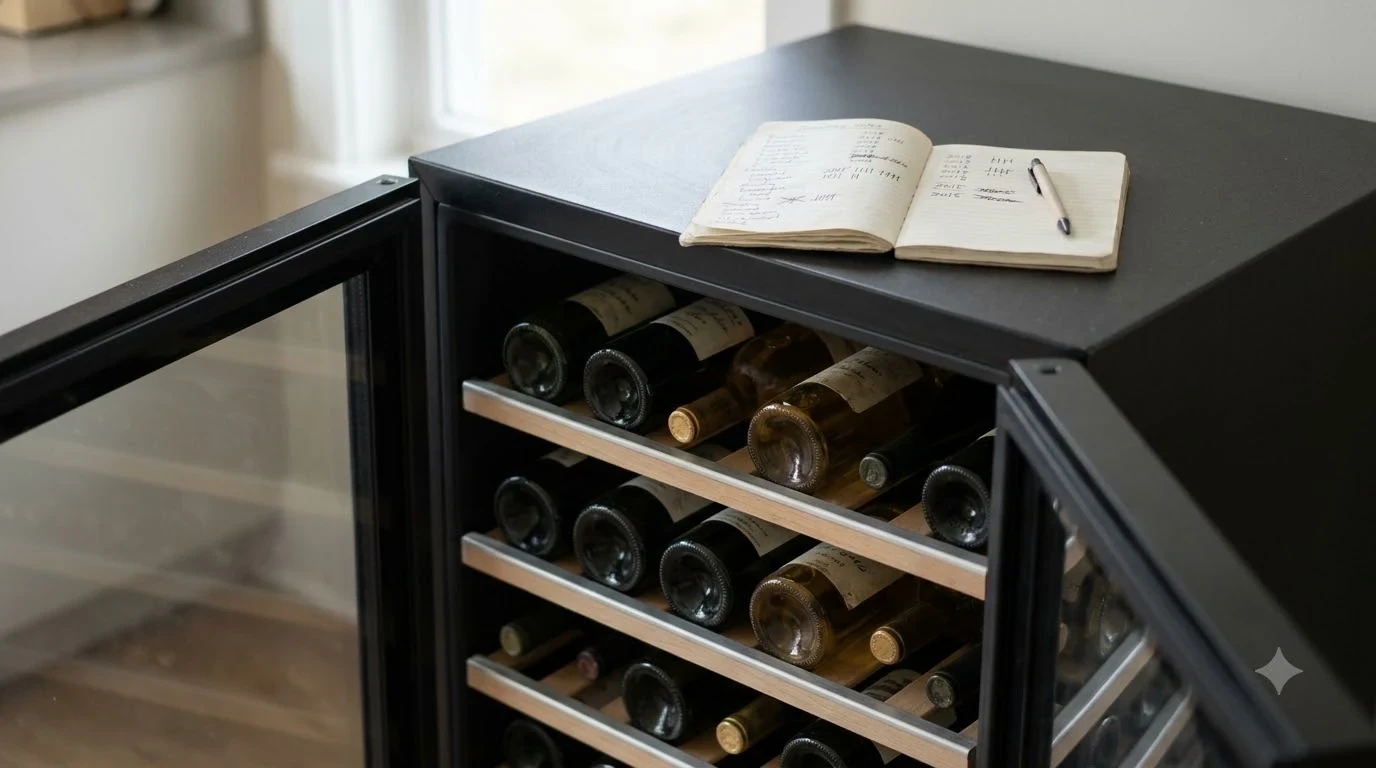
How to store wine without a wine fridge is simple: keep bottles in a cool, dark, stable location, ideally around 55°F, away from sunlight, heat, vibration, and strong odors. A basement, interior closet, or shaded pantry can work well when temperatures remain reasonably consistent. Store natural cork-sealed bottles horizontally, minimize unnecessary movement, and reserve your regular refrigerator for short-term chilling rather than extended aging.
You do not need a dedicated wine refrigerator or an expensive cellar to keep everyday bottles in good condition. Most wines purchased for regular drinking are intended to be enjoyed relatively young, so a few sensible household adjustments can provide suitable storage. The challenge is finding a location that stays cool throughout the year, avoids direct light, and protects bottles from the temperature swings common in kitchens, garages, and sunny rooms.
Choose a Cool, Consistent Storage Temperature
The best general target for storing wine is approximately 55°F, with consistency being more important than maintaining an exact number. A location that stays moderately cool throughout the year is preferable to one that repeatedly becomes hot and cold.
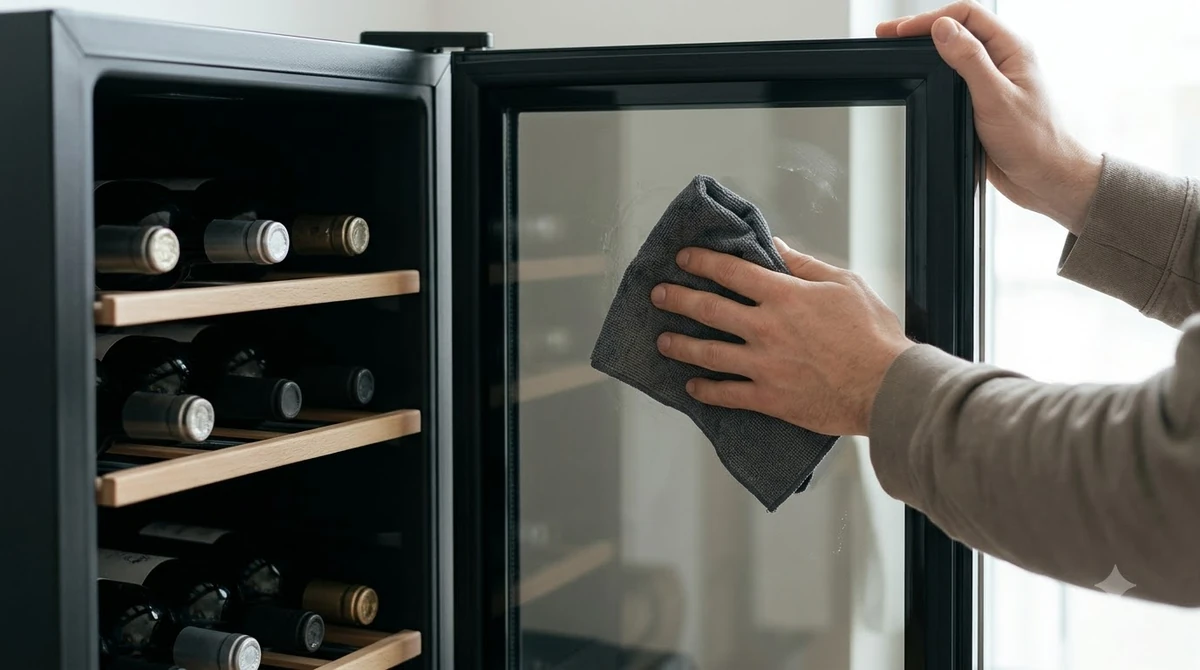
Wine Enthusiast identifies approximately 55°F as a suitable storage temperature for reds, whites, sparkling wines, and fortified wines. Decanter describes 53°F as a classic cellar temperature and considers approximately 46-59°F an acceptable range when conditions remain stable. These recommendations provide a useful starting point for households without specialized cooling equipment. For additional guidance, see Wine Enthusiast’s explanation of proper wine storage.
Temperature matters because wine continues to change inside the bottle. Excessive warmth accelerates chemical reactions, potentially shortening the wine’s useful drinking window and producing cooked, stewed, or prematurely aged characteristics. Repeated temperature changes can also cause the wine and air inside the bottle to expand and contract, putting additional stress on the closure.
A consistently cool room is therefore more useful than a location that occasionally reaches an ideal temperature but experiences substantial daily fluctuations. For example, a closet that remains around 62°F may be more suitable for ordinary short-term storage than a kitchen cabinet that alternates between 55°F overnight and 78°F during cooking.
Think about seasonal changes as well. A basement might remain cool during winter but become considerably warmer in summer. An upstairs closet might be comfortable in January but reach uncomfortable temperatures during a hot July afternoon. Monitoring the storage location for several days, including warmer periods, helps reveal whether it is genuinely suitable.
Tip: Place a simple digital thermometer near your wine bottles and record the temperature in the morning and evening for several days. This gives you a better picture of temperature stability than checking the room just once.
Find the Best Room or Household Storage Location
A basement, interior closet, shaded pantry, or cupboard beneath a staircase can provide practical wine storage without a dedicated refrigerator. The best choice is usually a location that stays cool, dark, dry enough to prevent mold, and away from appliances that produce heat.
Start by examining the rooms available in your home. Basements are often useful because they are below ground and may experience smaller temperature swings than upper floors. However, not every basement is suitable. A basement with a boiler, exposed heating pipes, direct sunlight, or strong musty odors may create more problems than a well-insulated interior closet.
A pantry can work particularly well for bottles intended for consumption within several months. Choose a lower shelf or an enclosed cabinet away from the oven, dishwasher, refrigerator motor, and other heat-producing appliances. A pantry on an interior wall is generally preferable to a cabinet beside a sunny exterior window.
Under-stairs cupboards and interior wardrobes are other practical alternatives. Decanter specifically identifies cupboards beneath stairs and wardrobes as possible substitutes for a traditional wine cellar. These spaces are especially useful when they are not regularly opened to direct sunlight or exposed to substantial household temperature changes.
Household storage locations compared
| Location | Suitability | Main consideration |
|---|---|---|
| Cool basement | Very good | Monitor seasonal humidity and temperature. |
| Interior closet | Very good | Choose a shaded area away from heating ducts. |
| Under-stairs cupboard | Very good | Check for plumbing and heat sources. |
| Shaded pantry | Good | Keep away from cooking appliances. |
| Bedroom wardrobe | Good | Avoid direct sunlight and warm upper floors. |
| Kitchen cabinet | Limited | Cooking can create repeated temperature changes. |
| Garage | Usually poor | Seasonal temperature extremes are common. |
| Sunny countertop | Poor | Light and heat can damage wine. |
Garages deserve particular attention. They may seem convenient because they offer extra space, but many experience significant temperature fluctuations. An uninsulated garage can become extremely hot during summer and approach freezing during winter. These conditions make it unsuitable for bottles intended to remain in storage for extended periods.
Attics are generally another poor choice because heat accumulates beneath the roof. Similarly, avoid cupboards above refrigerators, beside ovens, near radiators, and next to water heaters. A dark cabinet is not automatically a good wine-storage location if the surrounding equipment regularly warms it.
For additional household storage ideas, the practical advice in our Wine Q&A section can help you understand the difference between everyday bottle storage and longer-term wine preservation.
Protect Bottles From Sunlight, Artificial Light, and Heat
Wine should be stored in darkness or very low light, away from direct sunlight and strong ultraviolet exposure. Heat and light can both damage wine, making an enclosed cabinet or shaded cupboard one of the easiest improvements you can make at home.
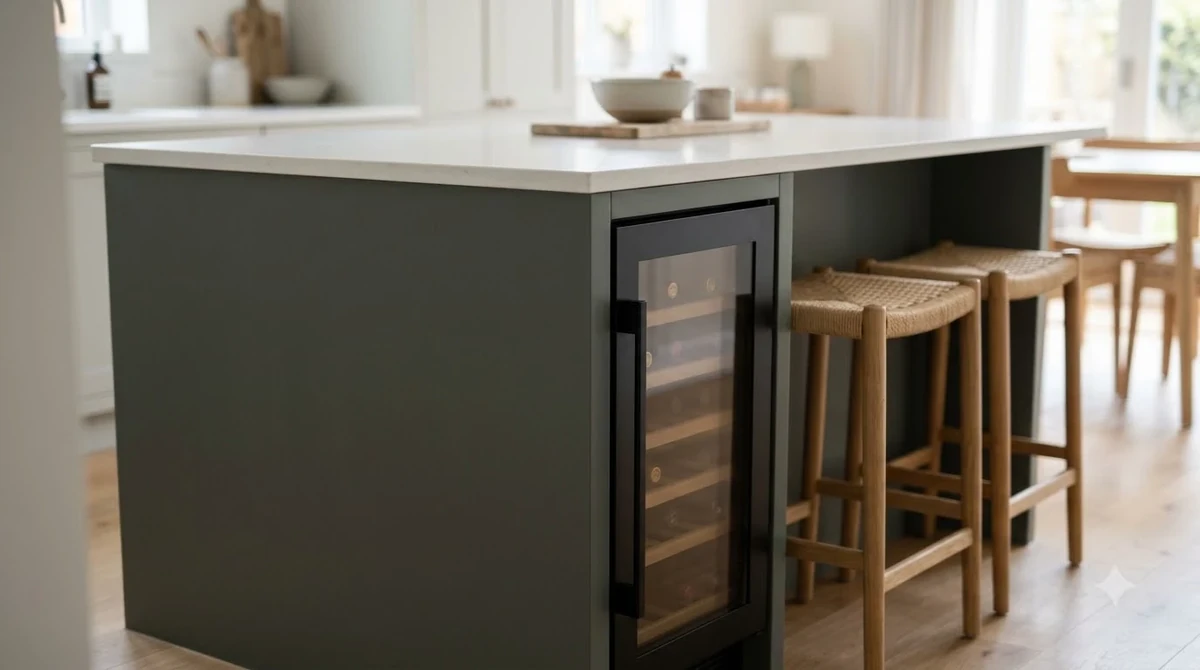
Sunlight can trigger chemical reactions in wine that change its aroma, structure, and flavor. This problem is commonly called light strike. Wine Enthusiast explains that ultraviolet rays can affect wine compounds, while darker glass bottles offer some protection against exposure. However, dark glass does not eliminate the need for proper storage.
White wines can be particularly vulnerable because they often have less protective tannin than red wines. A bottle displayed on a sunny windowsill might look attractive, but it is exposed to conditions that can shorten its useful life. Even indirect sunlight can become a concern when bottles remain in the same bright location for extended periods.
Artificial lighting also deserves consideration. A bright display cabinet or shelf illuminated throughout the day is less suitable than a dark cupboard. You do not need to keep your wine in complete darkness every minute, but prolonged exposure to strong light should be avoided.
Heat protection is equally important. Keep wine away from ovens, fireplaces, radiators, water heaters, and appliances that release warm air. Avoid storing bottles in direct contact with heating pipes or on top of electrical equipment that becomes warm during operation.
If your only available shelf receives sunlight, use an opaque cabinet or move the bottles into a closed storage box. A simple cardboard wine case can provide additional protection against light, although it cannot compensate for excessive heat. For an especially bright room, an enclosed cupboard is usually a better solution.
Temperature stability also means avoiding repeated transfers between warm and cold areas. Moving bottles from a hot garage into an air-conditioned room every evening does not create reliable storage conditions. Choose one suitable location and leave the bottles there until you are ready to use them.
Store Wine Bottles Horizontally or Upright
Natural cork-sealed wine bottles are traditionally stored horizontally for longer storage because contact with the wine helps keep the inner surface of the cork moist. Screw-cap bottles and bottles with other non-cork closures can generally be stored upright or on their sides.
Horizontal storage is particularly practical when you have several bottles and limited cupboard space. A simple wooden rack, a purpose-built shelf, or a sturdy wine box can keep bottles from rolling and reduce unnecessary handling. The important point is to support the bottles securely rather than balancing them on an unstable surface.
A natural cork closure needs to maintain its sealing properties. If the cork becomes excessively dry, it can shrink and potentially allow more oxygen into the bottle. Excess oxygen exposure can contribute to premature oxidation, causing the wine to lose freshness and develop unwanted aromas.
However, not every bottle needs to lie on its side. Screw-cap wines do not depend on wine-to-cork contact, so upright storage is perfectly practical. Glass-stoppered and many synthetic-closure bottles also do not require the same traditional horizontal arrangement.
If you are unsure about the best position for your particular bottle, our explanation of whether you can store wine upright covers the differences between closure types and storage periods.
Keep bottles stable and organized
Choose a rack or storage container that prevents bottles from rolling, falling, or knocking against each other. Avoid stacking heavy household objects on wine cartons, particularly when bottles are stored horizontally. Repeated handling is unnecessary and can disturb sediment in wines that have been aging.
For wines with visible sediment, minimizing movement becomes especially useful. Older Cabernet Sauvignon, vintage Port, and other bottle-aged wines may develop deposits over time. Leaving these bottles undisturbed helps sediment remain settled until the wine is ready to be opened.
Do not assume that every wine benefits from extended aging. Many inexpensive everyday reds, crisp whites, rosés, and sparkling wines are made to be enjoyed relatively young. Correct storage preserves their intended character; it does not automatically improve them.
Manage Humidity, Odors, and Household Conditions
Moderate humidity helps natural cork closures retain moisture, while an odor-free and relatively undisturbed storage environment protects wine from avoidable deterioration. You do not need a complicated humidity-control system for a few everyday bottles, but excessively dry or damp conditions should be avoided.
Wine Enthusiast identifies approximately 50-80% relative humidity as a suitable range. Liebherr also recommends 50-80%, noting that excessively dry air can contribute to cork drying while excessive moisture can encourage mold and damage labels.
For most households, the practical approach is to avoid extreme conditions rather than attempting to maintain a precise humidity reading. An ordinary interior cupboard with moderate room humidity may be perfectly adequate for bottles intended to be opened within a relatively short period.
Very damp basements deserve inspection. If cardboard wine boxes become soft, labels start peeling, or mold appears around the storage area, consider moving bottles to a drier location. Mold on the exterior of a bottle does not automatically mean the wine inside has spoiled, but persistent dampness can damage packaging and labels.
Very dry environments can also be problematic for natural cork closures, particularly during prolonged storage. If your home has exceptionally dry indoor air during winter, prioritize bottles intended for earlier consumption rather than attempting to age them for many years in unsuitable conditions.
Keep wine away from strong household smells
Choose an odor-free location rather than storing wine beside cleaning chemicals, paint, solvents, fuel, or strongly scented materials. Wine Enthusiast highlights odors from areas such as garages and locations near trash as potential concerns for prolonged bottle storage.
A cupboard beside household cleaning products is therefore less attractive than an otherwise similar cupboard used for linens or ordinary household supplies. Avoid storing wine near litter boxes, open garbage containers, or strong fragrances.
Also consider the amount of movement around the storage location. A shelf beside a frequently slammed door or directly above a vibrating appliance is not ideal. Decanter recommends minimizing movement for bottles intended to age over several years. A quiet, stable cupboard is a better choice.
Use a Regular Refrigerator and Other Storage Alternatives Correctly
A household refrigerator is useful for chilling wine and preserving opened bottles for several days, but it is not the best place for long-term storage of unopened wine. Its temperature is generally colder than the preferred storage range, and its dry environment is less suitable for prolonged natural-cork storage.
There is an important difference between storing wine and preparing it for serving. A regular refrigerator can bring white wine, rosé, and sparkling wine to an appropriate drinking temperature. It can also slow oxidation in an opened bottle, helping preserve the wine for a few days after opening.
However, leaving unopened bottles in the refrigerator for months or years is not an ideal substitute for a cellar. Domestic refrigerators are designed primarily for food preservation, not long-term wine aging. Frequent door opening, compressor activity, food odors, and low humidity make them less suitable for this purpose.
For everyday bottles that will be opened within days, temporary refrigerator storage is practical. For unopened bottles that will remain in your home for several weeks or months, a cool interior cupboard is usually a better option if its temperature remains reasonably stable.
The freezer is a different matter. It is not a suitable long-term wine-storage location, and forgetting a bottle inside can lead to freezing and liquid expansion. This may damage the closure or even the bottle itself. Read our explanation of whether you can store wine in the freezer before using it as a quick-chilling solution.
Choose storage according to how soon you plan to drink
For wine intended to be opened within a few days, ordinary room storage in a cool, shaded place is generally sufficient. White wine and sparkling wine can be moved into the refrigerator shortly before serving. Red wine can remain in the cupboard and be brought to its appropriate serving temperature when needed.
For bottles you plan to keep for several months, temperature stability becomes more important. Select a basement, interior closet, or shaded pantry that stays cool throughout the year. Keep natural cork bottles horizontal and avoid moving them repeatedly.
For bottles intended to age for several years, a household cupboard may have limitations. Collectible wines can be particularly sensitive to prolonged exposure to unsuitable temperatures. If you own valuable bottles or wines with a long aging potential, professional storage or a dedicated wine cabinet may be a more dependable choice.
Our article on how to aerate wine without an aerator also explains how to prepare certain wines for serving after storage, including young reds that benefit from exposure to air before drinking.
Build a Simple Wine Storage Routine at Home
A reliable home storage routine does not require expensive equipment or constant attention. Choose a suitable location, monitor its temperature, organize bottles by type and intended drinking date, and check periodically for signs of storage problems.
Begin by selecting one primary storage area. If you have a basement, compare its summer and winter temperatures with those of an interior closet. If the basement stays consistently cool and does not have excessive dampness or strong odors, it may be the better option.
Next, arrange bottles according to their closures. Lay natural cork-sealed bottles horizontally and secure screw-cap bottles in whichever position makes the most efficient use of space. Keep older bottles that contain sediment in a location where they will not need to be moved frequently.
Label organization can make everyday wine storage considerably easier. Group bottles by grape variety, region, or intended drinking occasion. You might keep Sauvignon Blanc and Pinot Grigio together, place Cabernet Sauvignon and Syrah in another section, and separate bottles reserved for special occasions.
It is also helpful to maintain a simple inventory. Record the producer, wine name, vintage, number of bottles, and storage location. For a small collection, a notebook or spreadsheet is sufficient. This prevents bottles from being forgotten and helps you identify wines that should be enjoyed sooner rather than later.
Inspect stored bottles periodically without disturbing the collection unnecessarily. Look for signs of leakage, unusually raised corks, damaged capsules, or changes in the fill level. These observations do not establish that a bottle is spoiled, but they can indicate exposure to unsuitable storage conditions.
Finally, remember that the intended drinking window matters. A young, fruit-forward white wine does not necessarily benefit from being stored for five years. Similarly, an age-worthy red requires better environmental consistency than a bottle purchased for an ordinary weekend dinner.
The goal is not to recreate a professional cellar perfectly. It is to avoid the most damaging conditions and give each bottle a reasonable chance of retaining its intended character until you open it.
Frequently Asked Questions
Can wine be stored at 70°F without a wine fridge?
Yes, wine can remain at 70°F temporarily, particularly if the temperature is stable and the bottle is intended for relatively early consumption. However, this is warmer than the approximately 55°F preferred for storage and can accelerate wine development. Avoid keeping bottles at this temperature for prolonged periods, especially if the room becomes warmer during summer.
Can unopened wine be stored in its original cardboard box?
Yes, an original cardboard wine case can be useful because it protects bottles from light and limits unnecessary handling. Keep the box in a cool, dry location rather than directly on a damp concrete floor. Make sure the bottles are securely positioned so they cannot roll or collide during storage.
Does wine go bad if the bottle is stored upside down?
Briefly positioning a sealed bottle upside down does not automatically spoil its contents. However, this is not a practical long-term storage position because it can expose the closure to unnecessary pressure or leakage if the seal is compromised. A horizontal position is more convenient for natural cork bottles, while upright storage works well for many screw-cap bottles.
Should sparkling wine be stored differently from still wine?
Sparkling wine benefits from the same basic protection from heat, sunlight, and temperature fluctuations as still wine. Its pressure makes a secure, undisturbed storage position particularly important. Champagne and Cava undergo secondary fermentation in the bottle, while Prosecco is generally made using the tank method, but both should be protected from excessive heat.
Can a bottle of wine survive being left in a hot car?
A bottle may remain physically sealed after being left in a hot car, but that does not mean its quality has been preserved. Vehicle interiors can become substantially hotter than the outside air, especially in direct sunlight. Heat exposure can push the cork outward, cause leakage, and accelerate unwanted changes in aroma and flavor. Avoid using a parked car as temporary wine storage.
Storing wine without a wine fridge is entirely practical when you choose a cool, dark, and stable location in your home. Focus on protecting bottles from heat, sunlight, excessive humidity, and unnecessary movement rather than purchasing specialized equipment. A well-chosen closet, pantry, or basement can provide a dependable solution for everyday wine and bottles you plan to enjoy in the near future.
More in Wine Basics
 Which Rose Is Best for Your Taste, Budget, and Food PairingsUpdated Nov 21, 2026
 Is Cheap Wine Bad? How to Find Bottles Worth DrinkingUpdated Nov 21, 2026
 What To Write On A Wine Gift Tag: Thoughtful Messages For Every OccasionUpdated Nov 21, 2026
 Which Wine Is Best For Weight Loss? Compare Lower-Calorie ChoicesUpdated Nov 21, 2026
 What Is The Best Wine For Mimosas? Choose Bubbly That Balances Orange JuiceUpdated Nov 20, 2026
 Which Prosecco Is Best for Your Taste and OccasionUpdated Nov 20, 2026