

We may earn a commission when you buy through links on this page, at no extra cost to you. Learn more.
fetzer red wine is a California-labeled range whose current core red offerings are Cabernet Sauvignon and Merlot. Both wines are listed at 13.5% alcohol by volume, but they suit different palates: Cabernet leans toward dark cherry, blackberry, mocha, and spice, while Merlot emphasizes berry, cocoa, coffee, and a supple finish. Choose Cabernet for a firmer, bolder red or Merlot for a softer everyday style.
Fetzer is a familiar California wine name, but its reds are easier to choose when you compare grape variety, structure, and food pairing instead of relying on the label alone. The producer’s current wine pages spotlight Cabernet Sauvignon and Merlot as its core red selections. This guide compares those bottles, explains what their California appellation does and does not tell you, and gives practical advice on serving, pairing, and storage.
The Two Core Fetzer Reds
The clearest place to begin is with Fetzer Cabernet Sauvignon and Fetzer Merlot, the two red varietals featured in the brand’s current wine list. Both carry a California appellation and list 13.5% ABV, but their tasting descriptions point to distinct styles.
Fetzer describes its Cabernet Sauvignon through dark cherry, blackberry, mocha, spice, and a vanilla-rich finish. The brand positions it alongside burgers, barbecue, smoky meats, and hearty meals, making it the more assertive choice for a table with grilled flavors and richer food. See the producer’s Fetzer Cabernet Sauvignon notes for its current description and pairing suggestions.
The Merlot is described as fruit-forward, with berry, deep cocoa, and coffee aromas followed by a supple finish. Fetzer recommends it with meaty mains, strong cheeses, and garlicky sautés, and also points to pizza and potlucks as easy occasions. Those are useful clues: Merlot is the softer-feeling option for a relaxed meal, especially when you want dark fruit without Cabernet’s firmer tannin impression. The brand’s Fetzer Merlot page gives the producer’s own profile.
The two wines make a practical starting pair because their listed alcohol levels are identical; the decision is about texture and the food on the table, not a lower-ABV option. Cabernet is more structured with smoky dishes, while Merlot generally feels rounder with mixed menus and savory sauces. Fetzer also makes white wines, so compare these reds with the style covered in the guide to Fetzer white wine when a meal might suit either color.
Cabernet Sauvignon and Merlot: How to Choose
Cabernet Sauvignon and Merlot are both classic red grapes, but Cabernet usually brings higher tannin while Merlot tends to have medium tannin and a softer feel. With both Fetzer wines listed at 13.5% ABV, grape character—not alcohol strength—is the most useful first distinction.
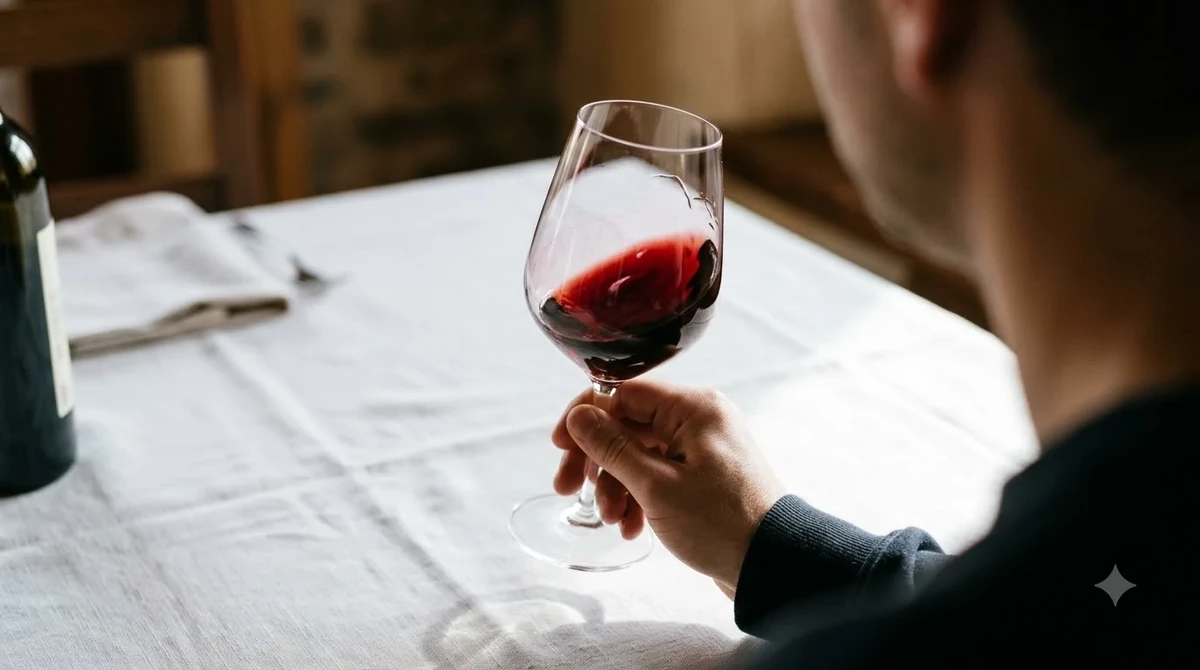
Cabernet Sauvignon is the choice for drinkers who enjoy a more structured red. Tannin gives the wine a drying, grippy sensation along the gums, particularly without food; its typical dark-fruit profile can include blackcurrant, blackberry, and dark cherry. Fetzer highlights dark cherry and blackberry alongside mocha, spice, and vanilla. Merlot generally offers a gentler frame, with medium tannin and a rounder texture; Fetzer’s berry, cocoa, and coffee notes suggest a ripe, plush direction rather than a sharply austere red. Fruit-forward does not mean sweet: dry red wine can smell ripe without tasting like dessert wine.
Use the table as a quick decision aid. The alcohol figures come from Fetzer’s product pages; the serving ranges are general red-wine guidance rather than temperature claims made by the winery.
| Fetzer red | Listed ABV | Style cues | Suggested serving temperature |
|---|---|---|---|
| Cabernet Sauvignon | 13.5% | Dark cherry, blackberry, mocha, spice, vanilla; firmer tannin | 60–65°F |
| Merlot | 13.5% | Berry, cocoa, coffee; medium tannin and a supple finish | 60–65°F |
Choose Cabernet when you want a red that can stand up to char, red meat, and intense savory flavors; choose Merlot when the meal includes tomato sauce, roast chicken, mushrooms, or several different dishes. Someone who likes a firm finish may prefer Cabernet, while a drinker who usually reaches for a softer red may find Merlot a more comfortable introduction. The guide to Fetzer wine alcohol content explains how the shared 13.5% figure fits into a broader look at wine strength.
California Roots and the Mendocino Context
Fetzer’s featured Cabernet Sauvignon and Merlot are labeled with the broad California appellation, so the brand pages do not identify a single vineyard or narrow subregion for either wine. Mendocino County is important to the larger history of Fetzer and California wine, but regional context should not be mistaken for proof that every bottle in the current range comes from a particular Mendocino site.
Mendocino County lies about 130 miles north of San Francisco and, according to Wine Enthusiast’s regional overview, contains more than 100 wineries and 12 appellations. The county extends from Pacific coastline to inland ridges, with a 131-mile coastline and daily high-to-low temperature differences that can reach 50 degrees in some areas. The western Anderson Valley is cooled by ocean air moving through its east-west corridor and is known for Pinot Noir and sparkling wine; inland areas around Ukiah and Hopland are sunnier and warmer after morning fog clears. Cabernet Sauvignon, Zinfandel, Carignan, and Petite Sirah are among the varieties favored in warmer inland appellations.
The region is also associated with environmental stewardship: Wine Enthusiast reports that roughly one-quarter of Mendocino’s grapes are certified organic and that the county contains about one-third of California’s organic wine-grape acreage. Fetzer’s sustainability information separately describes practices such as renewable electricity sourcing, wastewater treatment, and waste diversion. Those initiatives add context to the producer’s environmental identity, while the wine’s grape variety and tasting profile remain the more direct guides to what is in the glass.
Flavor, Body, and Structure in the Glass
Fetzer’s Cabernet is the darker, firmer expression of the two current red offerings, while the Merlot is framed around berry fruit and a smoother finish. Knowing how aroma, acidity, and tannin work together helps translate tasting language into what you can expect at the table.
Start with aroma. Dark cherry, blackberry, mocha, spice, and vanilla are the Cabernet cues Fetzer names. These aromas do not mean the wine contains chocolate, coffee, or vanilla as ingredients; they are sensory impressions commonly associated with ripe fruit and winemaking choices. For Merlot, the official description emphasizes berry, cocoa, and coffee, with a supple finish. That word describes texture: the wine is presented as smooth and rounded rather than sharply rough or aggressively drying.
Neither profile should be confused with sweetness. Merlot’s typically medium tannin helps explain why it can feel less demanding than Cabernet, even when both wines have ripe fruit flavors. The featured Fetzer reds are presented as varietal dry reds, not sweet dessert wines. If you pair them with dessert, remember the general rule that the wine should be at least as sweet as the food, or it can taste sour and austere beside it. Temperature also changes the balance: served too warm, alcohol can feel more obvious; served too cold, aromas may seem muted and tannin more pronounced.
Food Pairings for Each Fetzer Red
Fetzer’s own pairing suggestions offer a good starting point: Cabernet with smoky meats and hearty meals, and Merlot with meaty mains, strong cheeses, and garlic-forward dishes. The broader principle is to match the wine’s structure to the weight and flavor of the food, rather than choosing by color alone.
For Cabernet, try grilled burgers, steak, barbecue ribs, charred mushrooms, or a lentil-and-grain dish with roasted vegetables and smoky seasoning. Protein and fat soften the wine’s tannin, while browned or grilled flavors echo its dark fruit and spice. A burger with aged cheddar is a straightforward match because the meat’s richness and the cheese’s savory intensity help the wine feel less astringent. A very sweet barbecue sauce can make dry Cabernet seem sharper, so choose a savory, peppery, or moderately sweet sauce rather than a sugary glaze.
Merlot is a natural fit for meatloaf, roast chicken with pan juices, pork tenderloin, mushroom pasta, and pizza with sausage or roasted vegetables. Its softer tannin works alongside savory dishes that are not intensely smoky; garlic sautéed mushrooms or tomato-based pasta can be satisfying when the dish has enough richness to meet the wine’s fruit. For strong cheeses, try aged cheddar or a firm alpine-style cheese. Salt and fat soften tannin, making the wine seem rounder.
Acidity deserves attention, too. Tomato sauce, vinegar dressings, and citrus-heavy dishes can make a low-acid wine taste flat, so pair acidic food with a wine that has equal or higher acidity. Fetzer’s official tasting summaries do not publish measured acidity for these two reds, so a tomato-heavy dish is best tested with the wine rather than assumed to be a perfect match. Avoid pairing a noticeably tannic red with delicate oily fish such as salmon or mackerel, which can create an unpleasant metallic impression. Chili heat is another challenge because alcohol and tannin can amplify the burn; serve the Fetzer red with the grilled-meat course and choose another style for the hottest dish. For dessert, the sweetness rule matters more than wine color: very sweet cake or syrupy sweets can make Cabernet or Merlot seem bitter, so choose a wine at least as sweet as the dessert.
Tip: When a dish seems too spicy or acidic for a red, change the pairing before changing the wine. Put the Cabernet with the smoky burger, serve the Merlot with mushroom pasta, and keep a crisp white for a chili-heavy or citrus-forward plate.
Serving, Opening, and Storing the Bottle
Serve Fetzer Cabernet Sauvignon and Merlot slightly cool rather than at a warm room temperature, with 60–65°F as a useful starting range for these fuller red styles. A bottle that has been sitting in a warm kitchen may benefit from a short chill, while one taken from a cool room may need a few minutes in the glass to open.
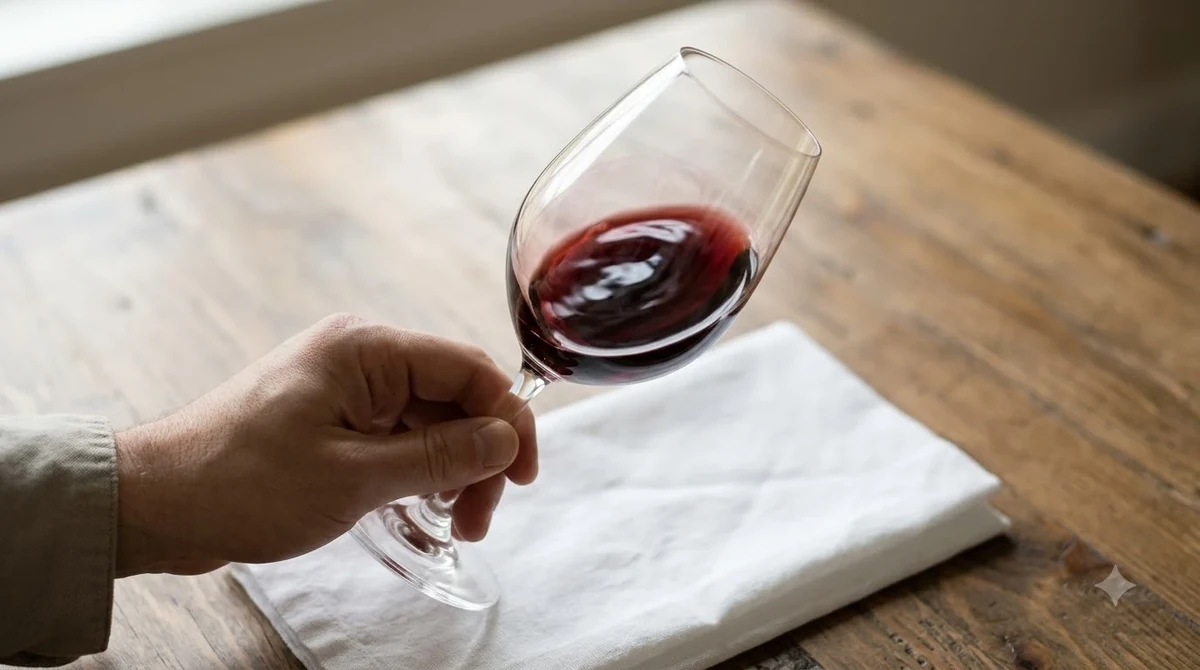
A standard 750-milliliter bottle provides about five 5-ounce pours. Let the wine settle after opening, pour a small taste, and notice whether the aromas are clear; swirling can release fruit and spice aromas, but it is not a substitute for sensible serving temperature. Young, full-bodied reds can benefit from 30–60 minutes in a decanter, particularly if Cabernet seems tight or strongly tannic. Merlot may need less air if it already seems open and supple. Decanting is optional: taste first, then give the wine more air only if its aromas and texture seem closed.
After opening, keep the bottle in the refrigerator with a stopper to reduce air exposure; most opened still wines keep for about 3–5 days in the fridge, although freshness declines at different rates. Bring the remaining wine back toward serving temperature before pouring. For unopened bottles, store wine away from direct light, temperature swings, and vibration. A steady temperature near 55°F is a useful target, and bottles with cork closures are commonly stored on their sides. Avoid a sunny windowsill or a cabinet beside an oven; careful short-term storage matters more than building a complicated cellar routine for a bottle intended to be enjoyed soon.
Frequently Asked Questions
These answers address common points that are easy to confuse when comparing Fetzer with other California labels, including bottle strength, producer credentials, and related brands.
What does 13.5% ABV mean in a 750 mL bottle?
ABV means alcohol by volume. At 13.5% ABV, a 750 mL bottle contains about 101 mL of pure alcohol by volume before accounting for normal measurement and production variation. The figure describes concentration, not the wine’s sweetness, body, or quality.
Does Fetzer’s B Corp status mean every red wine is certified organic?
No. B Corp certification evaluates a company’s broader social and environmental practices; it is not the same as an organic certification for grapes or a finished wine. Look for a separate organic claim or certification on the specific bottle rather than assuming that a company credential applies to every product.
Is 1000 Stories the same label as Fetzer Cabernet or Fetzer Merlot?
No. 1000 Stories is a separate wine brand associated with Fetzer Vineyards, known for its bourbon-barrel-aged style. VinePair reports that its first modern bourbon barrel-aged wine entered the American market in 2014, so it should not be treated as another name for the current Fetzer Cabernet Sauvignon or Merlot.
Why can bourbon barrels leave a strong flavor in wine?
Bourbon barrels are made from new American oak and heavily charred, which leaves strong wood-derived aromas. VinePair notes flavors such as caramel, maple, vanilla, brown sugar, and sweet spice; winemakers may use a barrel for only a month or two, or age only part of a wine in it, to keep the oak from overwhelming the fruit.
Does Fetzer publish one fixed vintage for its Cabernet and Merlot?
The producer’s overview pages describe the varietal wines without assigning a single vintage year to every bottle. The harvest year can therefore differ between bottles on shelves, and the vintage printed on a particular bottle is the way to identify which harvest it contains.
Fetzer’s current Cabernet Sauvignon and Merlot make a straightforward choice between a firmer, darker-fruited red and a softer, rounder one, with both listed at 13.5% ABV. Match the grape to the meal, serve the wine slightly cool, and use the producer’s label details as the guide to the specific bottle in front of you. For more producer profiles and comparisons, explore the site’s broader collection of Wine Brands.
More in Wine Brands
 Underwood Wine Price: Compare Bottles, Cans, and Pack SizesUpdated Nov 21, 2026
 Zenato Wine Price: Compare Styles and Choose the Right BottleUpdated Nov 21, 2026
 Zuccardi Wine Price: Compare Bottles and Find the Right RangeUpdated Nov 21, 2026
 Yellow Tail Moscato Review: Taste, Sweetness and Serving TipsUpdated Nov 21, 2026
 Wolf Blass Yellow Label Review: Choose Your Best StyleUpdated Nov 21, 2026
 Wolffer Estate Rose Review: Choose the Right Bottle for Your TableUpdated Nov 21, 2026