

We may earn a commission when you buy through links on this page, at no extra cost to you. Learn more.
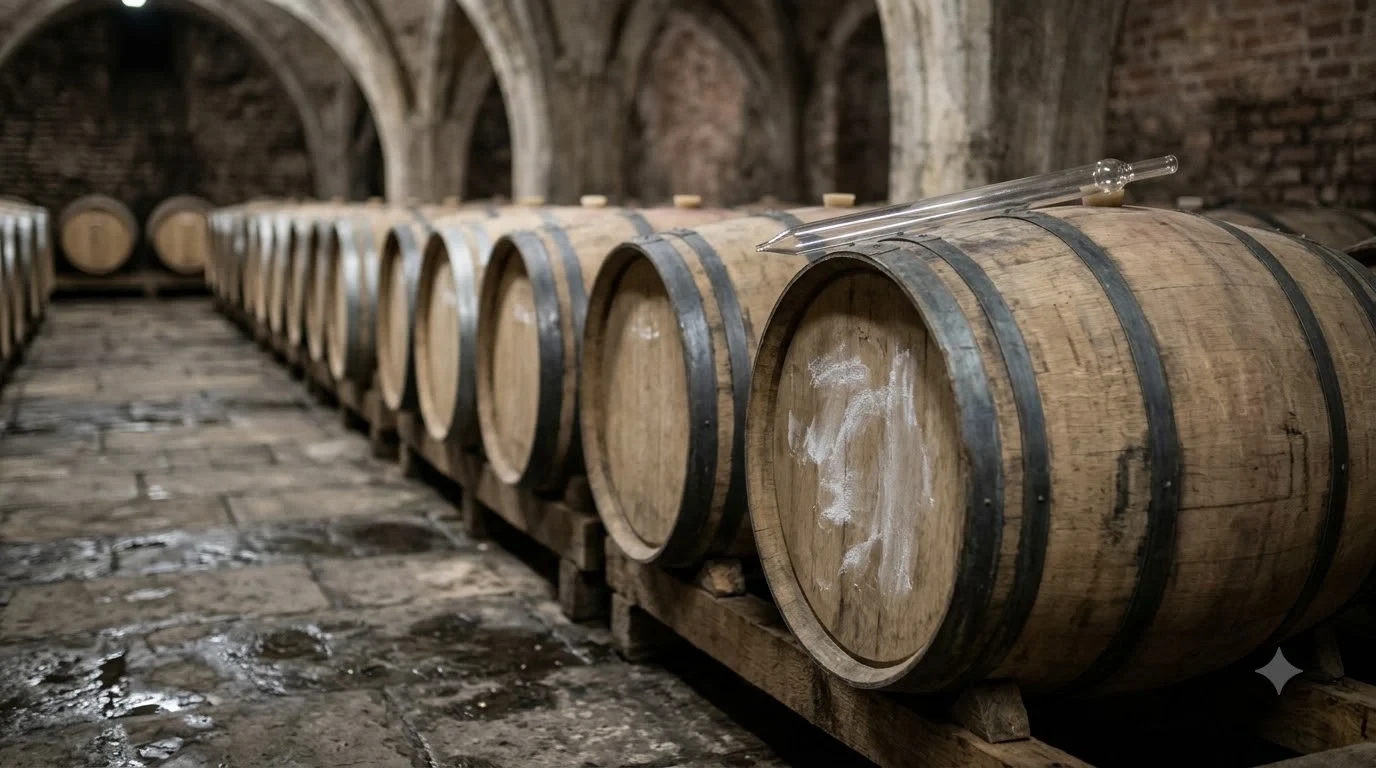
Bourbon barrel aged wine is wine that has rested in a barrel previously used to age bourbon, so it picks up some of the vanilla, caramel, and toasted-oak notes the spirit left in the wood. Bourbon itself must be aged in new, charred American oak, which means those barrels are usually emptied and sold on for other uses. A wine aged in one of them tastes of the barrel’s history as well as the grape, and the effect depends on how long the wine rests and how much of the spirit is still in the wood.
This guide explains how a bourbon barrel gets its flavor, why it can be reused for wine, what changes in the glass, and how to serve and pair a bourbon barrel aged wine. It also covers how to read a label, since the phrase is used in more than one way.
Where the Barrel Comes From
Bourbon has strict rules about its barrels. According to the Wikipedia overview of bourbon whiskey, the spirit must be aged in new, charred oak containers, and those containers are generally American white oak barrels. Bourbon itself has no minimum aging period, but straight bourbon must be aged for at least two years.
Because a bourbon barrel can only be used once for bourbon, the empty barrels have a second life. The same overview says that emptied barrels still hold a small amount of spirit, typically a few gallons, and that most are sold to distilleries in other countries to age other spirits. Others are used for barrel-aged products such as beer, wine, and sauces. That is the path a bourbon barrel takes before it ends up holding wine.
What the Barrel Adds to Wine
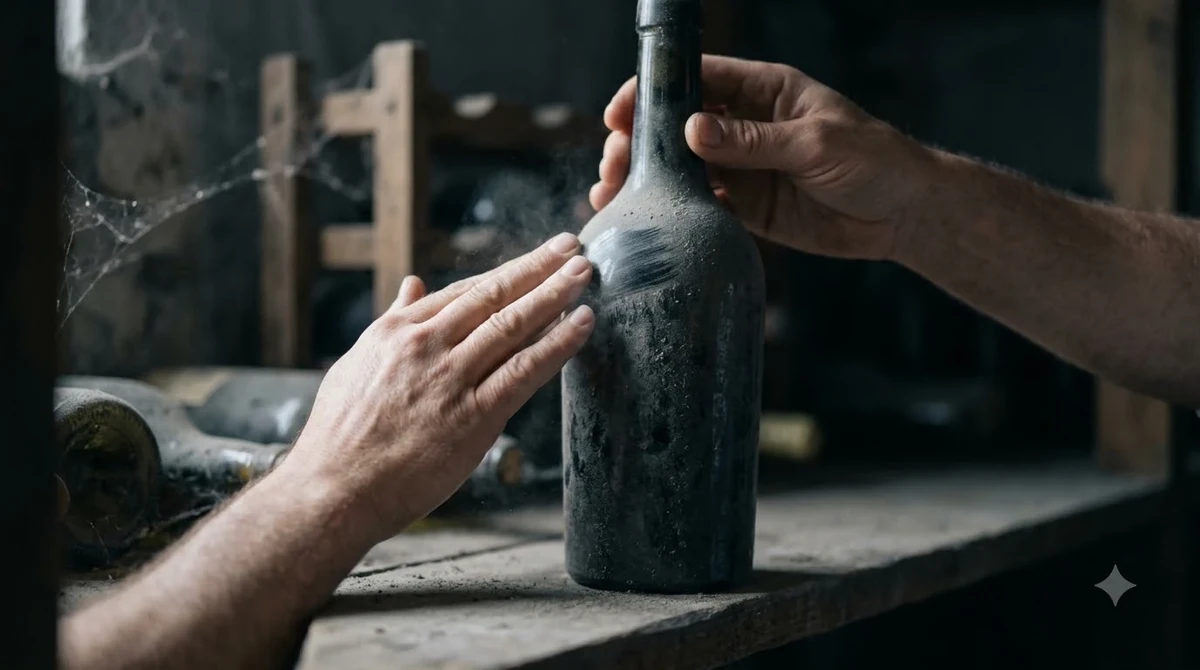
Oak barrels affect the wine through the wood itself. Oak can add a vanilla-like note, and the article on oak describes an oaky vanillin flavor that comes from the wood. Barrels also influence the color, taste, and aroma of what they hold, which is why winemakers choose their oak with care.
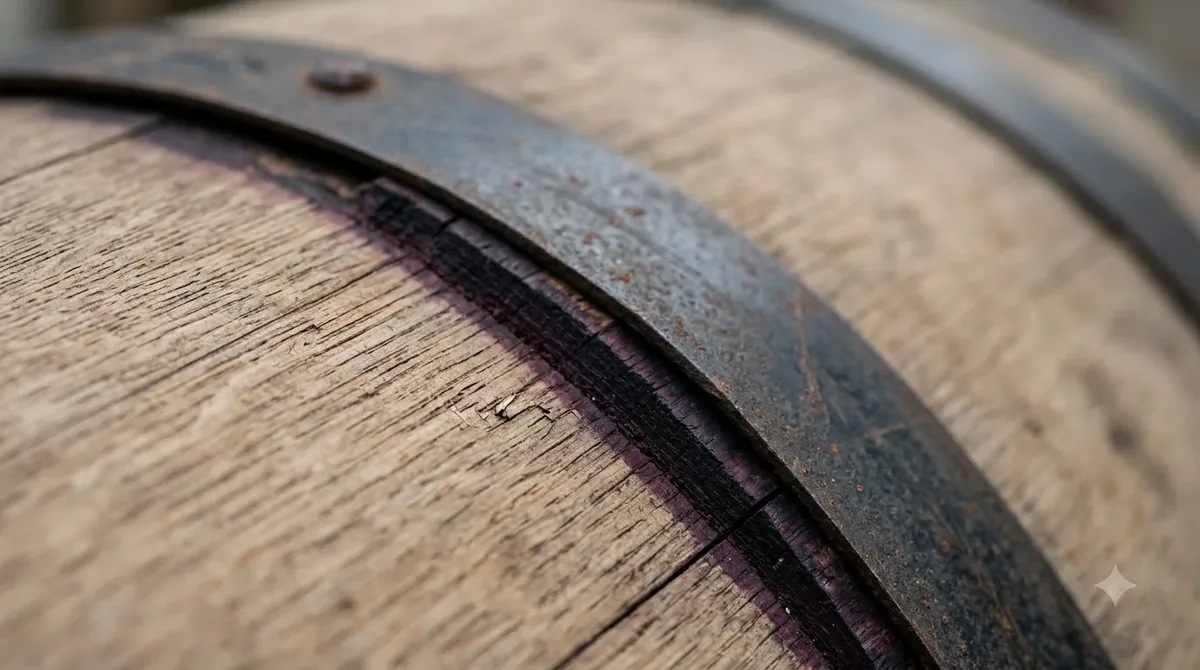
Charring is the other half of the story. Bourbon gets much of its color and flavor from caramelized sugars and vanillins in the charred wood. A wine that spends time in a barrel with that char picks up a similar set of notes: caramel, toast, a touch of smoke, and a rounder, sweeter edge on the finish. The effect is most noticeable in the first few months and then slowly fades as the barrel’s extractable flavors are used up.
Not every bourbon barrel gives the same result. A barrel that held bourbon for a long time may have less flavor left to give, while a barrel that was emptied early may still carry more. Producers who use these barrels often blend the wine with other lots so the final bottle tastes consistent.
How the Wine Tastes Compared With Plain Oak
A bourbon barrel aged wine can feel different from a wine aged in new French or American oak. New oak usually gives a stronger, more immediate toast and spice, while a used bourbon barrel usually gives a softer, sweeter, and more rounded impression. Oak in general is valued for its tannin and texture as well as flavor, and the wine’s own grape decides how much of that structure shows.
The result is a wine with two layers. The fruit of the grape remains the base, and the bourbon barrel adds a warm, caramel-like frame around it. If the grape is light and fruity, the barrel can make the wine feel fuller. If the grape is already rich and bold, the barrel may make the wine feel heavier than expected.
| Barrel type | Likely effect on wine | Best for |
|---|---|---|
| New American oak | Strong vanilla, coconut, and toast | Bold reds and oaky whites |
| New French oak | Finer spice, more structure and refinement | Elegant reds and Chardonnay |
| Ex-bourbon barrel | Caramel, sweet spice, softer toast | Wines that can carry a warm frame |
| Neutral or older oak | Mostly texture, very little flavor | Wines meant to show fruit first |
Tip: If you are trying a bourbon barrel aged wine for the first time, serve it alongside a plain version of the same grape. The difference is easiest to taste side by side.
Reading a Label Carefully
The phrase bourbon barrel aged wine can mean a few things. Some producers age the wine in barrels that once held bourbon. Others use new oak and add a bourbon-style note by adding flavoring, which is a different process and may not be described the same way. Check the label and the producer’s description to see which approach was used, and look for words such as “aged in bourbon barrels” or a similar phrase.
Also check the alcohol content, which varies by wine and is printed on the label as alcohol by volume. A barrel aged wine may be listed with the same ABV as its unaged version, but that number should not be read as a guide to how strong the barrel flavor will be.
When a bottle is labeled as a blend or a mixed-barrel product, the barrel effect may be softer, since the wine has been combined with lots that were aged differently. The label is the best place to find that information.
How to Serve Bourbon Barrel Aged Wine
Serve the wine at the temperature that suits its grape. A barrel aged red is usually poured slightly cooler than room temperature, while a barrel aged white or rosé is best chilled. Avoid serving the wine too warm, because heat makes the barrel notes feel heavy and sweet.
Use a glass with enough room for the aroma to develop. A larger bowl helps you pick up the vanilla, caramel, and spice notes before the first sip. If the wine is strongly oaked, a short rest in the glass before tasting can help the flavors settle.
Decanting is optional. A bourbon barrel aged wine that is already soft and rounded usually does not need it, but a firmer red may open up after a short time in a decanter.
Food Pairings That Work
The warm, toasty character of a bourbon barrel aged wine suits rich foods. Roast pork, grilled steak, smoked meats, and barbecue dishes all echo the barrel’s flavors. Hard cheeses, caramelized onions, and dark chocolate are also natural partners, since they share the same sweet-and-toasty notes.
Avoid very delicate fish, light salads, or fresh herbs as the main pairing, because the barrel can overwhelm them. A simple rule works well here: match the richness of the wine to the richness of the dish, and keep the seasoning moderate so the barrel and the food stay in balance.
Frequently Asked Questions
What does bourbon barrel aged wine taste like?
It usually tastes of the grape with a warm frame of vanilla, caramel, toast, and sweet spice from the barrel. Stronger flavor comes from a barrel that still has more extractable character.
Can bourbon barrels be reused for wine?
Yes. Bourbon barrels cannot be reused for bourbon, but they are commonly sold on to distilleries and producers who age other spirits, beer, wine, and sauces.
Is bourbon barrel aged wine the same as bourbon-flavored wine?
Not always. True barrel aging means the wine rests in a used bourbon barrel. Flavored wines may use other methods, so read the label and the producer’s description.
What food goes well with bourbon barrel aged wine?
Roast pork, grilled steak, barbecue, and hard cheeses are good choices, since they match the wine’s warm, toasty character. Delicate fish and light salads are usually a weaker match.
Bourbon barrel aged wine is a practical way to add warmth and depth to a glass, provided you know how the barrel was used. Check the label, serve the wine at a suitable temperature, and pair it with rich food that can keep up with the barrel’s character. For a plain reference point, compare it with a standard bottle from the Wine Brands guide or with the style of A to Z Wineworks.
Outbound references: the Wikipedia article on bourbon whiskey and the Wikipedia article on oak wood.
More in Wine Brands
 Underwood Wine Price: Compare Bottles, Cans, and Pack SizesUpdated Nov 21, 2026
 Zenato Wine Price: Compare Styles and Choose the Right BottleUpdated Nov 21, 2026
 Zuccardi Wine Price: Compare Bottles and Find the Right RangeUpdated Nov 21, 2026
 Yellow Tail Moscato Review: Taste, Sweetness and Serving TipsUpdated Nov 21, 2026
 Wolf Blass Yellow Label Review: Choose Your Best StyleUpdated Nov 21, 2026
 Wolffer Estate Rose Review: Choose the Right Bottle for Your TableUpdated Nov 21, 2026