

We may earn a commission when you buy through links on this page, at no extra cost to you. Learn more.
Mendocino wine comes from Mendocino County on California’s North Coast, an American Viticultural Area established in 1984 that is divided into eight smaller sub-AVAs. The region is known for Zinfandel, Pinot Noir, Chardonnay and a set of historic Rhône and Italian varieties such as Carignane, Petite Sirah and Syrah. Its mix of coastal and inland influences gives the wines a wide range of styles, from bright sparkling wines to bold, fruit-driven reds.
This guide explains how Mendocino’s climate shapes its wines, which sub-AVAs matter most, the grapes and styles you are likely to see on a label, and how to serve and choose a bottle. The aim is to help you read a Mendocino label with confidence, whether you are buying for a dinner or exploring the region. For a broader look at other California coastal regions, the anderson valley wine guide covers one of Mendocino’s most distinctive sub-areas.
Where Mendocino Sits and How It Is Organized
Mendocino is a large county on California’s North Coast, and its wine region covers a wide range of landscapes. According to Wikipedia’s entry on the Mendocino AVA, the designation was established on June 15, 1984, and it was amended in 1998 and 2014. The AVA is described as the nation’s 66th at the time of its creation.
The region is organized into eight sub-AVAs nested within the larger Mendocino appellation. They are Anderson Valley, Cole Ranch, Covelo, Dos Rios, McDowell Valley, Potter Valley, Redwood Valley and Yorkville Highlands. Each sub-AVA has its own temperature and soil profile, so a bottle’s label can tell you a lot about where its grapes grew.
Because the region is so varied, Mendocino is best understood as a collection of smaller areas rather than a single style. Anderson Valley, for example, is cooler and is widely associated with Pinot Noir and sparkling wine, while warmer inland areas tend to produce richer reds.
The Climate Behind Mendocino Wines
The AVA sits in what Wikipedia describes as a transitional climate zone, where coastal or interior influences can dominate depending on the location. The growing season is about 268 days, and the area has roughly 3,097 growing degree-days, which places it in Region III on the Winkler scale. The average annual temperature is about 59°F (15°C), and annual rainfall is about 39.42 inches (1,001.3 mm).
Those averages hide a lot of variation. Coastal fog and marine air cool the vineyards closer to the ocean, while sites further inland see warmer days and cooler nights. That spread gives growers a range of options, and it explains why the same grape can taste different from one sub-AVA to another.
| Fact | Mendocino AVA figure | Why it matters for the glass |
|---|---|---|
| Established | June 15, 1984 | Helps explain the region’s long-standing identity |
| Sub-AVAs | Eight nested within the appellation | Lets you compare different sites under one name |
| Growing season | About 268 days | Gives grapes a long time to ripen and build flavor |
| Average temperature | About 59°F (15°C) | Warm enough for ripe reds, cool enough for crisp whites |
| Annual rainfall | About 39.42 in (1,001.3 mm) | Affects vineyard water needs and yields |
| Wineries | 132 wineries and 140 vineyards (Wikipedia) | A large, active producer base to explore |
Tip: If a bottle names one of the eight sub-AVAs on the label, note it. It usually tells you more about the wine’s style than a general Mendocino designation does.
The Grapes and Styles You Will See
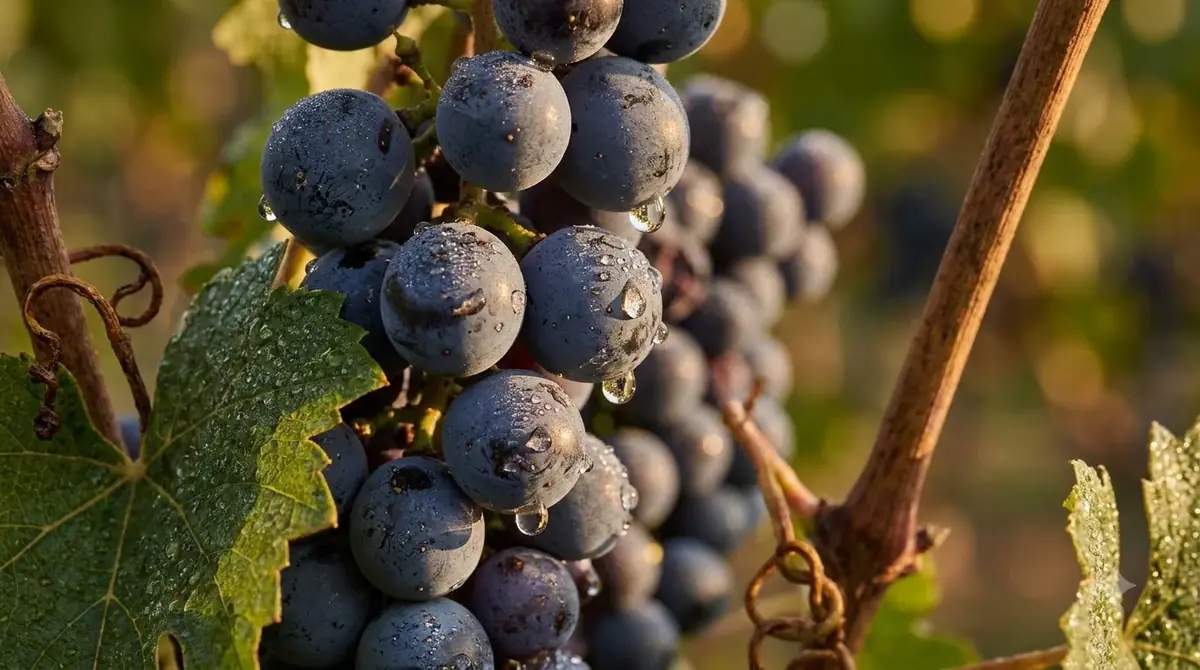
Wikipedia’s AVA entry lists 34 grape varieties grown across the appellation. Several are closely associated with the Mendocino name, including Carignane, Charbono, Grenache, Petite Sirah, Syrah and Zinfandel. Zinfandel is one of the most recognizable, and many producers use it for bold, fruit-forward red wines.
Pinot Noir and Chardonnay are also central to the region, especially in the cooler sub-AVAs. Sparkling wine has become a notable part of the story as well. A visitor guide to Mendocino’s sparkling producers highlights blanc de noir and blanc de gris styles, dry Brut wines and sparkling rosés, which shows how the cool coastal areas support a different category of wine entirely.
When you read a label, the grape name tells you the core style and the sub-AVA tells you the place. A Pinot Noir from Anderson Valley and a Zinfandel from an inland area are both Mendocino wines, but they will taste very different in the glass.
How to Serve Mendocino Wines
Serving temperature changes how these wines show their character. Chilled sparkling wines and crisp whites are best served cold, while full-bodied reds show more when they are slightly cooler than room temperature. Pouring a red a few minutes before dinner can help the aromas open without making the wine feel flat.
Glassware matters too. A wider bowl helps aromatic Pinot Noir and Syrah open up, while a standard white wine glass works well for Chardonnay. Sparkling wines show their bubbles best in a tall flute or a tulip-shaped glass, which keeps the aromas concentrated.
For bigger, tannic reds such as Petite Sirah, decanting for about an hour can soften the structure. Younger bottles usually benefit most, while older ones may need less time to open up.
Food Pairing with Mendocino Wine
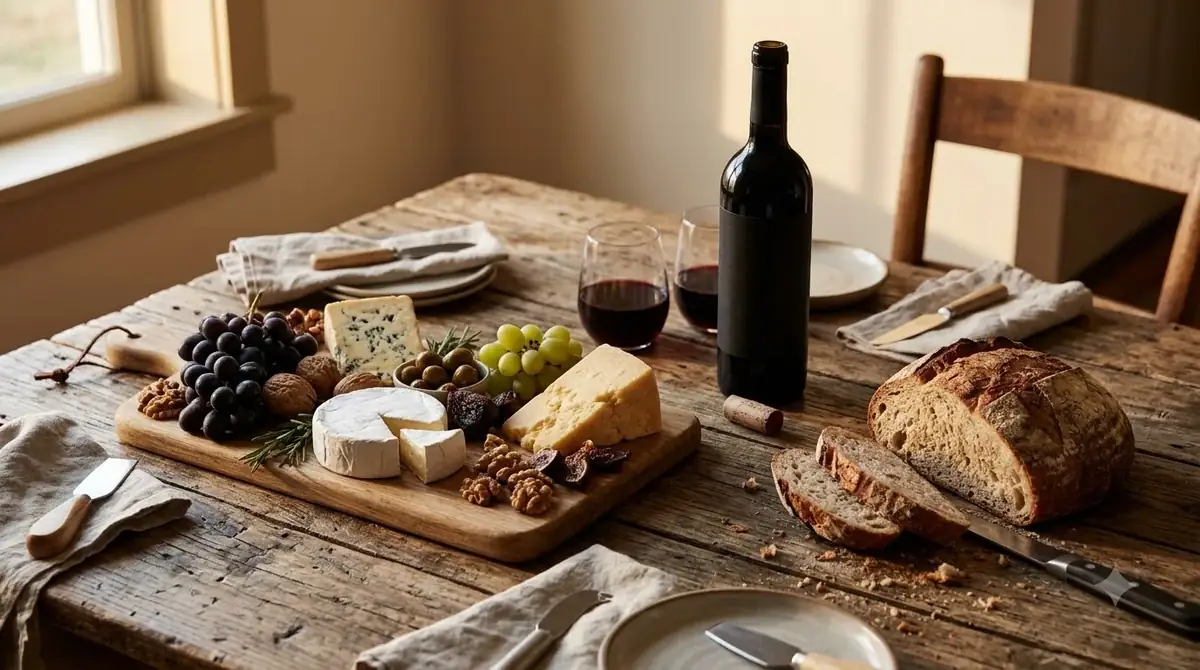
Mendocino’s range makes pairing easy once you match the wine to the dish. Pinot Noir from the cooler sub-AVAs works well with roast chicken, mushrooms and salmon, because its acidity and gentle tannins suit lighter proteins. Zinfandel pairs with barbecue, grilled sausages and tomato-based dishes that can stand up to its ripe fruit.
Sparkling wines are versatile at the table. A dry Brut or blanc de blancs works with fried foods, oysters and soft cheeses, while a sparkling rosé suits salads and lighter fare. Chardonnay from cooler areas can match creamy sauces or grilled fish, depending on how much oak the wine has.
When in doubt, match the wine’s weight to the food’s weight. Light dishes suit lighter wines, rich dishes call for fuller reds or structured whites, and salty foods often bring out the fruit in a sparkling wine.
How to Choose a Mendocino Bottle
Start with the grape you already like, then use the sub-AVA on the label to narrow down the style. A Pinot Noir from Anderson Valley and one from a warmer inland site will show different textures, so tasting one of each is a useful way to learn the region. For a sparkling wine, check whether the label says Brut, blanc de noir or rosé, since the sweetness and color can change the experience.
Producer information is also useful. Look for wineries that describe their vineyards, sub-AVA and winemaking clearly. A bottle with a clear sub-AVA and vintage on the label is usually easier to understand than one with only a general regional name.
The region’s sparkling and cool-climate styles pair well with the Wine Regions guides, where you can compare how other areas use climate to shape their wines. If you want a second cool-coastal example, the alentejo wine guide shows how a different climate changes the grapes you see on a label.
Frequently Asked Questions
What is Mendocino wine known for?
Mendocino is known for Zinfandel, Pinot Noir, Chardonnay and sparkling wine, and it grows a long list of historic varieties such as Carignane, Petite Sirah and Syrah. The wines vary a great deal from one sub-AVA to another.
How many sub-AVAs are in the Mendocino AVA?
Wikipedia lists eight sub-AVAs nested within the Mendocino appellation: Anderson Valley, Cole Ranch, Covelo, Dos Rios, McDowell Valley, Potter Valley, Redwood Valley and Yorkville Highlands.
Is Anderson Valley part of Mendocino?
Yes. Anderson Valley is one of the eight sub-AVAs within the Mendocino appellation. It is cooler than the rest of the region and is widely associated with Pinot Noir and sparkling wine.
What temperature should I serve a Mendocino Pinot Noir?
Pinot Noir is usually served slightly cooler than room temperature, which helps its aromas and acidity show. Pour a few minutes before drinking so the wine can open without losing its freshness.
Mendocino wine rewards a little curiosity. Start with one red and one sparkling wine, note the sub-AVA on each label, and compare how the coastal and inland sites change the taste. That simple comparison will tell you more about the region than any single bottle.
More in Wine Regions
 Willcox Wine Trail: Discover Arizona’s High-Elevation Wine CountryUpdated Nov 20, 2026
 Yakima Valley Wine Region: Find the Best Styles to TryUpdated Nov 20, 2026
 Vosne Romanee Wine Tasting: Identify Aromas and Choose Better PairingsUpdated Nov 20, 2026
 Yakima Valley Wine Festival: Find the Best Seasonal Wine EventsUpdated Nov 20, 2026
 Wales Vineyards: Discover Cool-Climate Wines and Where to VisitUpdated Nov 20, 2026
 Yountville Wine Festival: Discover Napa Wines and Local FoodUpdated Nov 20, 2026