

We may earn a commission when you buy through links on this page, at no extra cost to you. Learn more.
The phrase “andre white wine” refers to a range of California sparkling wines, from the relatively dry Brut to sweeter Extra Dry, Spumante, and Moscato styles. André is an American brand made for casual celebrations and brunch, not a still white wine from a single grape variety or a French Champagne. The right bottle depends mainly on how much sweetness and fizz you want.
“André white wine” can refer to several pale, sparkling bottlings sold under the André name, so the label matters more than the broad search phrase. This guide compares the main styles, explains their flavor and sweetness, and covers serving temperatures, food matches, and what to know about the brand’s California identity.
What André White Wine Actually Is
André is a California sparkling-wine brand from E. & J. Gallo Winery. Gallo says the brand began in 1966 and has developed a range of California sparkling wines, while the current André website presents Brut, Extra Dry, and Spumante alongside ready-to-drink mimosa-style cocktails. In other words, André is not one fixed white wine: the name covers several sparkling styles with different sweetness levels and uses.
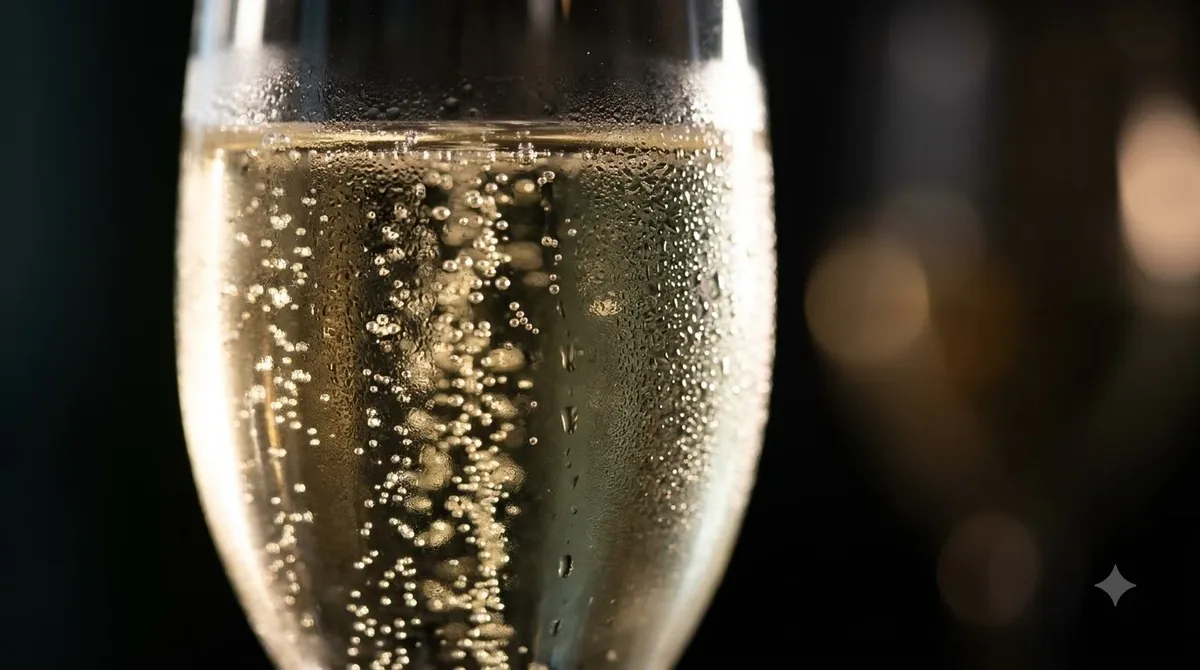
The phrase “white wine” describes the general color and grape-wine base, but most André bottles people search for are sparkling rather than still. André Brut is described by the producer as its driest blend of white grapes, with lemon and pear notes. Extra Dry is described as semi-dry, with pear and apple aromas, while Spumante is presented as light-bodied and sugary. Those differences are more useful when choosing a bottle than assuming every André white wine tastes the same.
André is also associated with the phrase “California Champagne” on some American retail listings and historic labels. That wording should not be confused with Champagne from France: Champagne is tied to a designated French region and production rules, while André is a California wine brand. U.S. labeling rules preserve limited grandfathered uses of certain traditional wine terms on previously approved non-European labels, but the exception does not change a wine’s geographic origin. For a straightforward description, call André an American or California sparkling wine.
André White Wine Styles and How They Compare
The practical starting point is the sweetness ladder: Brut is the driest core white style, Extra Dry is rounder and slightly sweeter, and Spumante and Moscato expressions are distinctly sweet. André’s own product descriptions and retailers’ listings show why it is important to choose by style rather than by the brand name alone.
| Style | Sweetness and profile | Best use | Alcohol details |
|---|---|---|---|
| Brut | Driest André white-grape blend; lemon and pear hints | Mimosas, appetizers, and drier sparkling-wine preferences | 10.5% ABV on a listed 750 ml bottle |
| Extra Dry | Semi-dry; pear, apple, and a crisp finish | Brunch, fruit plates, and cocktails | 10.3% ABV in one retailer’s technical listing |
| Spumante | Light-bodied, sugary, and noticeably bubbly | Sweet sipping and dessert occasions | Not stated on the producer’s product page |
| Moscato | Sweet, citrusy, and sparkling | Fruit-forward brunches and mild desserts | Not stated on the producer’s product page |
| Peach Moscato | Sweet peach notes, hints of orange, crisp finish | Brunch dishes and peach-based desserts | Not stated on the producer’s product page |
Brut is the simplest pick for someone who wants a drier bottle or plans to mix sparkling wine with orange juice. André identifies Brut as its driest blend and suggests it for mimosas. Extra Dry makes sense for drinkers who prefer a soft touch of sweetness without moving all the way to a dessert-style sparkling wine. The producer explicitly describes it as semi-dry, so the word “dry” in the product name should not be taken literally as the driest option; its Extra Dry description spells out the pear-and-apple profile.
Spumante and Moscato are for a different preference. André describes Spumante as light-bodied and sugary, with conspicuous bubbles, and its Moscato as sweet, citrusy, and sparkling. The Peach Moscato adds peach character with orange hints and a crisp finish. Retailers may show other flavored or seasonal André bottlings, so names and availability can vary. For more precise comparisons, see our guides to andre spumante alcohol content and andre peach moscato alcohol content.
Flavor, Aroma, and Texture in the Glass
André’s white sparkling styles lean toward accessible fruit flavors rather than the layered toast, pastry, and yeast notes associated with many bottle-fermented sparkling wines. Brut is the crispest expression in the core range, Extra Dry gives pear and apple a sweeter impression, and the Moscato family emphasizes fruit and sweetness.
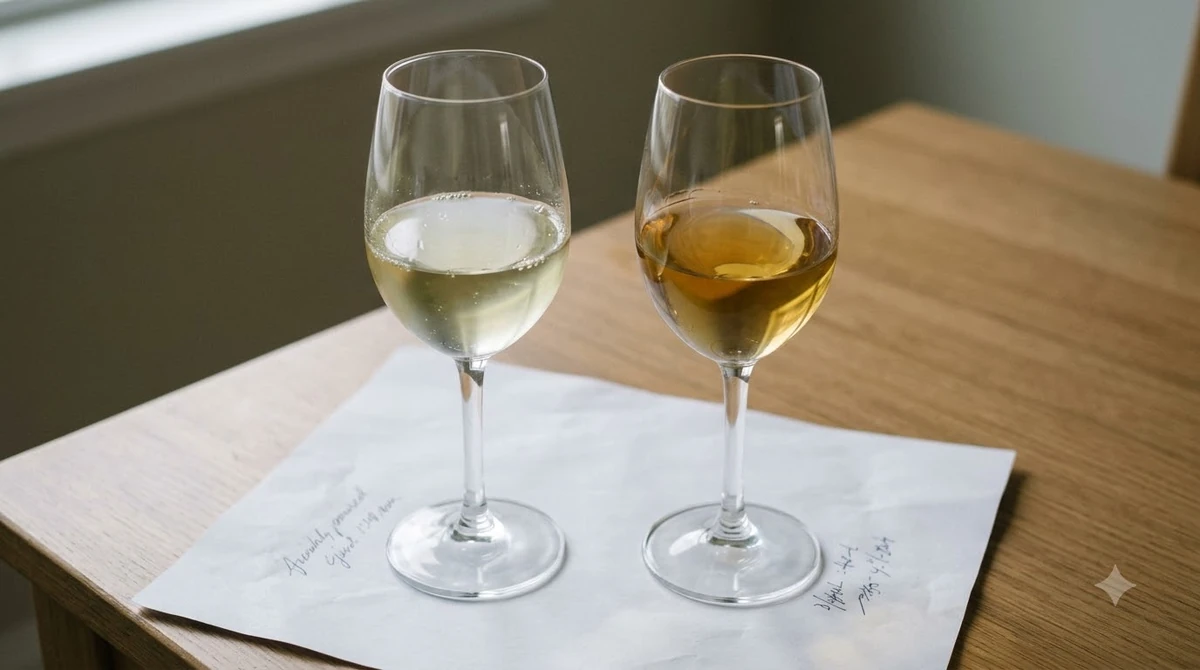
In André Brut, the producer points to lemon and pear. Expect a light, straightforward impression of orchard fruit and citrus rather than the pronounced brioche or nut character that can develop when sparkling wine spends extended time aging on its lees. It works well when the goal is a clean, uncomplicated pour before a meal or a base for a mixed drink. A well-chilled glass also makes its bubbles feel refreshing and keeps the fruit character lively.
Extra Dry shifts the balance toward ripe pear and apple, with sweetness rounding out the finish. It is a useful middle ground for guests who find Brut too austere but do not want a very sweet wine. Spumante is lighter in body but sweeter in flavor, while Moscato brings citrus and, in the peach version, stone-fruit notes. The flavored bottlings are better thought of as fruit-led sparkling wines than as neutral substitutes for a classic dry white wine.
Texture is shaped by both carbonation and sweetness. Bubbles lift the wine across the palate and make a modestly sweet wine seem lively, while residual sugar can soften the impression of acidity. Sparkling wines can be made by different methods: in the traditional method, the second fermentation occurs in the bottle and lees aging can add brioche-like notes; in the tank method, the second fermentation happens in a pressurized tank and helps preserve fresh fruit aromas. Wine Enthusiast explains these differences in its guide to how sparkling wine is made. André’s consumer-facing product pages do not specify its fermentation method, so it is better not to assume that every bottle follows one particular process. A tulip-shaped sparkling-wine glass can concentrate aromas more than a wide coupe, but a regular white-wine glass is also practical. The wine does not need a formal tasting ritual; compare the aromas, the amount of sweetness on the finish, and how long the bubbles remain active.
Sweetness, Alcohol, and Reading the Label
For most shoppers, sweetness is the key distinction among André’s white sparkling wines, while alcohol content is a separate question that should be answered bottle by bottle. The words Brut and Extra Dry have established meanings in sparkling wine, but brand descriptions and specific product formulations can vary, so it helps to understand both the general terms and the particular André expression.
Across sparkling-wine labeling, the usual order from driest to sweetest is Brut Nature, Extra Brut, Brut, Extra Dry, Dry, Demi-Sec, and Doux. The important surprise is that Extra Dry is sweeter than Brut. André’s producer page reinforces that distinction by calling its Extra Dry semi-dry and describing Brut as its driest white-grape blend. That is why Extra Dry is often a more approachable choice for a drinker who likes a hint of sweetness.
Alcohol content is not a reliable guide to sweetness. A wine can taste sweet and still have a moderate alcohol level; sweetness depends on the balance of residual sugar and acidity, not just the alcohol percentage. Available listings show 10.5% ABV for an André Brut 750 ml bottle and 10.3% for André Extra Dry in one retailer’s technical information. These are product-specific figures, not a universal alcohol figure for every André wine.
For a broader look at labels across the brand, our guide to andre wine alcohol content explains why the numbers can differ between Brut, Extra Dry, and sweeter bottlings. A producer or retailer page may not publish a complete technical profile for every expression, especially limited or flavored releases. Use the exact product name and bottle size when comparing alcohol information, rather than applying one bottle’s number to the entire André range.
Tip: Choose by sweetness first, then confirm the alcohol percentage for the exact André expression. Brut is the driest core white style; Extra Dry is sweeter; Spumante and Moscato are the better fit for a clearly sweet sparkling wine.
Serving Temperature, Glassware, and Storage
Serve André sparkling wine cold enough to keep the bubbles lively but not so cold that the fruit aromas disappear. A practical target for sparkling wine is 40–50°F, with a refrigerator chill followed by a brief rest in the glass giving most bottles a good balance of freshness and aroma.
For a 750 ml bottle, plan on about five standard 5-ounce pours. That serving size leaves space in the glass for the bubbles and makes it easier to estimate how much to chill for a small gathering. Use a flute if you want to emphasize rising bubbles, a tulip glass if aroma matters more, or a small white-wine glass if that is what you have. The exact glass is less important than serving the wine cold and pouring gently enough to avoid losing too much carbonation to foam.
After opening, close the bottle with a sparkling-wine stopper and return it to the refrigerator. A sparkling wine generally keeps for about 1–3 days once opened, although the bubbles and fresh fruit aromas fade over time. Keep an unopened bottle away from direct sunlight, heat, and repeated temperature changes; a cool storage area near 55°F is a useful target for longer keeping. André is generally made for near-term enjoyment rather than extended bottle aging, so there is little reason to hold an everyday bottle for years.
Food Pairings for André White Sparkling Wine
Pair André by matching the food’s intensity and sweetness to the wine’s style. Brut suits salty, savory, and lightly rich dishes, while sweeter Moscato or Spumante styles work best when the food is also sweet or gently spiced.
André Brut’s lemon-and-pear profile fits shrimp cocktail, oysters, crab cakes, sushi without heavy sauces, fried appetizers, and salty snacks. Its bubbles help refresh the palate between bites of fried foods, while its drier profile is less likely to make savory dishes taste sugary. For acidic dishes such as tomato bruschetta or a sharp vinaigrette salad, choose a wine with equal or higher acidity so the food does not make the wine seem flat. If the salad dressing is particularly tart, a simple seafood or vegetable starter may be an easier match.
Extra Dry can bridge savory brunch foods and fruit. Try it with quiche, mild cheeses, melon, apple slices, roast chicken salad, or a breakfast spread with eggs and pastries. Its slight sweetness can be pleasant alongside salty bacon or ham, but a very sweet sauce may overwhelm it. Moscato and Peach Moscato are more natural companions for fruit salad, peach cobbler, mild cheesecake, or pastries with fresh fruit. The basic dessert rule is straightforward: the wine should be at least as sweet as the dessert, or the wine can taste sour and thin beside it.
Spumante’s sugar and light body make it an easy match for simple desserts, berries, and mild cheeses, but it can feel cloying beside heavily sweet frosting or syrup. When serving spicy food, keep in mind that alcohol can make chili heat feel stronger; a sweet sparkling wine may soften some spice perception, but it will not erase the heat. Very rich, salty appetizers can help balance sweetness, while intensely acidic foods need a wine with enough freshness to keep pace. For a wider overview of producers and labels, browse our Wine Brands section.
Frequently Asked Questions
These five quick answers address common questions about André’s California identity, white-wine styles, bottle formats, and practical use. They also clarify details that are easy to miss when comparing Brut, Extra Dry, Moscato, and flavored sparkling wine.
Is André white wine the same as Champagne?
No. André is a California sparkling-wine brand, while Champagne is a protected regional wine from northeastern France. In Champagne, the traditional method requires a second fermentation in each bottle, followed by removal of the yeast sediment; a California origin is not the same thing, even if an older label retains a historic term.
Is André Brut made from Chardonnay?
The André producer describes Brut as a blend of white grapes rather than identifying it as a single-variety Chardonnay. Its consumer-facing Brut page does not provide a percentage breakdown by grape, so the wine should not be described as a fixed Chardonnay, Pinot Blanc, or other single-variety bottling.
Can André Extra Dry be used in mimosas?
Yes. Extra Dry is described by André as having enough sweetness to work as a mixer, and it brings pear and apple aromas to orange juice. A simple starting point is equal parts sparkling wine and orange juice; use more wine for a drier drink or more juice for a softer brunch cocktail.
How many servings are in an André 750 ml bottle?
At a standard 5-ounce wine pour, a 750 ml bottle contains about five servings. With a 4-ounce pour, the same bottle gives a little over six servings, which can be useful when planning a toast or a round of small cocktail pours.
Does André make still white wine as well as sparkling wine?
The André range most commonly associated with the brand is sparkling, including Brut, Extra Dry, Spumante, and Moscato styles. Gallo also says the range is available in cans as well as bottles, so a ready-to-serve format may appear alongside standard 750 ml wine bottles.
André is easiest to choose when you start with the level of sweetness you want: Brut for the driest profile, Extra Dry for a gentle sweet edge, and Spumante or Moscato for a sweeter pour. Chill the bottle well, match the wine to the food, and treat each style as its own sparkling wine rather than assuming every André label tastes alike.
More in Wine Brands
 Underwood Wine Price: Compare Bottles, Cans, and Pack SizesUpdated Nov 21, 2026
 Zenato Wine Price: Compare Styles and Choose the Right BottleUpdated Nov 21, 2026
 Zuccardi Wine Price: Compare Bottles and Find the Right RangeUpdated Nov 21, 2026
 Yellow Tail Moscato Review: Taste, Sweetness and Serving TipsUpdated Nov 21, 2026
 Wolf Blass Yellow Label Review: Choose Your Best StyleUpdated Nov 21, 2026
 Wolffer Estate Rose Review: Choose the Right Bottle for Your TableUpdated Nov 21, 2026