

We may earn a commission when you buy through links on this page, at no extra cost to you. Learn more.
The best sparkling wine brands include established Champagne producers, respected Prosecco houses, traditional-method Cava producers, and French Crémant specialists, with the right choice depending on your preferred sweetness, flavor, production method, and occasion. Champagne is the classic choice for fine bubbles and complex toasted flavors, while Prosecco delivers fresh fruit and approachable drinking. Cava and Crémant offer traditional-method alternatives, and South African Cap Classique provides another distinctive option for shoppers looking beyond France. Comparing producers alongside wine styles makes it easier to find sparkling wine that suits both the occasion and the people drinking it.
Choosing sparkling wine involves more than recognizing a familiar label. The producer, grape varieties, fermentation method, aging period, and sweetness designation all influence what ends up in the glass. Some bottles emphasize crisp green apple and citrus, while others develop layers of almond, brioche, toast, and creamy texture. This guide explains the main sparkling wine categories, how to compare producers, and what to look for before purchasing your next bottle.
Who This Sparkling Wine Guide Is For
The best sparkling wine brands serve different preferences rather than competing to produce one universally superior style. Champagne suits shoppers seeking traditional-method complexity, Prosecco works for casual entertaining, and Cava or Crémant appeals to people who appreciate bottle-fermented wine with a different regional character.
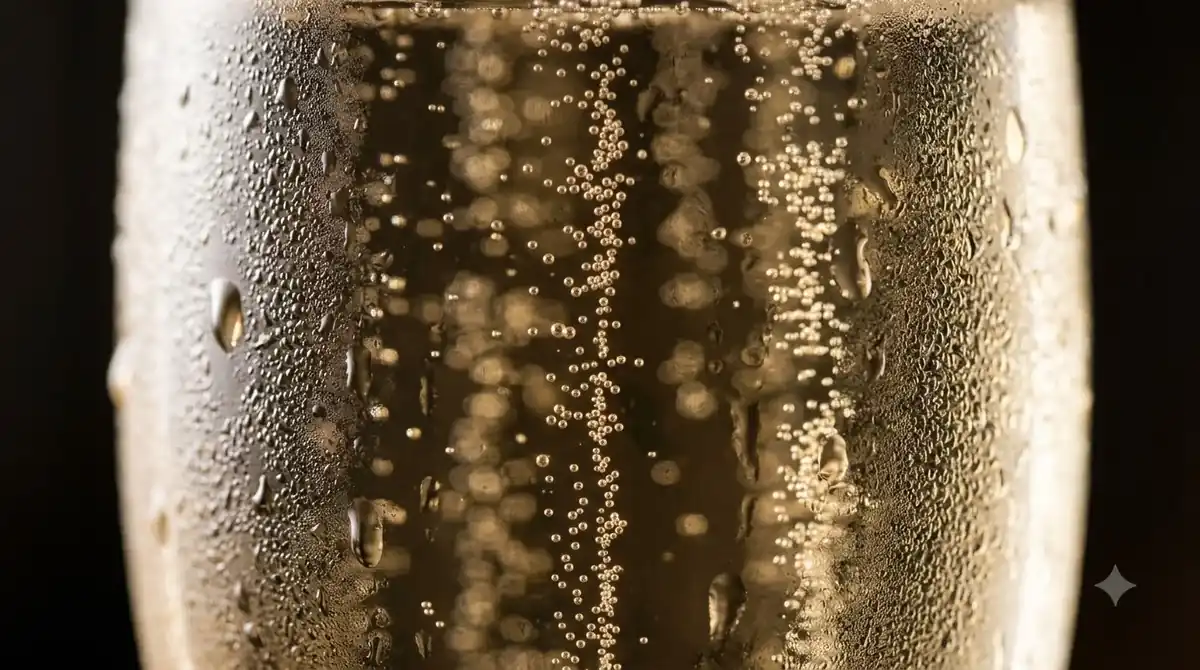
This guide is useful for several types of buyers. Someone planning a wedding reception may want a recognizable Champagne producer and a consistently dry style. A household stocking wine for weekend brunch might prefer Prosecco, while a dinner host could choose Cava or Crémant for guests who appreciate more developed flavors.
It is also useful for shoppers who want to explore producers rather than repeatedly purchasing the same familiar bottle. Understanding the differences between major wine regions gives you a practical starting point. For example, a shopper who enjoys Chardonnay-based Champagne may also appreciate traditional-method sparkling wines from Burgundy or South Africa. Someone who likes floral, fruit-forward Prosecco may prefer another Glera-based bottling rather than switching to a more yeasty wine.
Occasion matters, but it should not be the only deciding factor. A dry sparkling wine can accompany an entire meal, including seafood, fried appetizers, roast chicken, and salty snacks. A sweeter bottle may be more appropriate for fruit desserts or sweet pastries. The most useful approach is to match the producer and style to your actual drinking preferences.
Consider these common purchasing situations:
- Celebrations: Look for Champagne, prestige traditional-method wines, or a well-made Cap Classique with fine bubbles and developed flavors.
- Everyday entertaining: Consider Prosecco DOC, Cava, or Crémant for versatile sparkling wine.
- Brunch and cocktails: Choose fresh, fruit-forward Prosecco that works well in Bellinis and other sparkling cocktails.
- Desserts: Explore Moscato d’Asti, Demi-Sec Champagne, or another sweet sparkling style.
- Wine enthusiasts: Compare vintage Champagne, aged Cava, Franciacorta, or Alta Langa to explore traditional-method production.
For readers building broader wine knowledge, the wine buying guide provides a useful foundation for evaluating regions, labels, producers, and bottle styles beyond sparkling wine.
Key Factors to Compare When Choosing Sparkling Wine
Compare sparkling wine producers using five practical criteria: origin, production method, grape variety, sweetness, and aging. These characteristics explain why two bottles with similar labels can offer very different experiences, even when both are classified as dry sparkling wine.
| Comparison factor | What to look for | Typical characteristics | Best suited to |
|---|---|---|---|
| Origin | Champagne, Italy, Spain, France, South Africa | Regional grape and production traditions | Matching a preferred regional style |
| Production method | Traditional, tank, ancestral | Toasty complexity, fresh fruit, or lighter fizz | Choosing texture and flavor |
| Grape variety | Chardonnay, Pinot Noir, Glera, Macabeo | Citrus, structure, pear, or orchard fruit | Matching personal flavor preferences |
| Sweetness | Brut Nature, Extra Brut, Brut, Extra Dry, Demi-Sec | Very dry through noticeably sweet | Food pairing and preferred sweetness |
| Aging | Lees-aging period and vintage designation | Fresh fruit or developed brioche and nut flavors | Complexity and drinking occasion |
| Serving temperature | Approximately 40–50°F for sparkling wine | Cool, refreshing, aromatic presentation | Preserving freshness and balance |
Production method deserves particular attention. Traditional-method wines undergo their second fermentation inside individual bottles. The wine remains in contact with lees, or spent yeast cells, which can contribute toasted bread, almond, biscuit, and brioche characteristics. Champagne, Cava, Crémant, and Cap Classique are important examples.
Tank-method sparkling wine undergoes its second fermentation in a pressurized stainless-steel tank. Prosecco is the best-known example. This approach preserves the fresh fruit and floral character of Glera, often producing flavors of pear, apple, lemon, and white flowers. The resulting wine is generally lighter and more immediately approachable than extended lees-aged traditional-method sparkling wine.
Grape varieties provide another useful comparison. Chardonnay often contributes citrus, freshness, and structure. Pinot Noir can provide additional body and red-fruit character. Pinot Meunier contributes fruitiness and balance in many Champagne blends. Glera, meanwhile, is responsible for the distinctive floral and orchard-fruit profile associated with Prosecco.
Origin matters because protected wine regions follow specific production rules. Champagne must originate in Champagne, while Prosecco DOC identifies wine meeting the requirements of its designated northeastern Italian production area. These geographical distinctions provide more meaningful information than a producer’s marketing language alone.
For a first purchase, start with a producer’s standard Brut bottling. Once you understand its general character, compare its rosé, vintage, Extra Brut, or extended-aging expressions. This approach makes it easier to identify whether you prefer greater acidity, richer texture, or more developed aromas.
Step-by-Step: How to Choose a Sparkling Wine Brand
A reliable purchase begins with the occasion and ends with the label details. Following five simple steps helps narrow a large sparkling wine selection into a manageable group of bottles that match your preferences.
-
Decide what the wine needs to accomplish.
For a wedding toast, choose a recognizable traditional-method wine with a dry finish. For a relaxed brunch, Prosecco may be more suitable because its pear and apple flavors are easy to enjoy. For a dinner party, consider Champagne, Cava, or Crémant, particularly when the menu includes seafood or salty appetizers.
-
Choose the production region.
Start with Champagne if you want the classic French category. Explore northeastern Italy for Prosecco, Spain for Cava, and French regions outside Champagne for Crémant. South African Cap Classique is another option for people interested in traditional-method production. Each region offers a recognizable starting point, although individual producers can create different expressions.
-
Identify your preferred sweetness.
Brut is a practical starting point for most dry sparkling wine drinkers. Extra Brut and Brut Nature suit people who prefer a particularly dry finish. Extra Dry is actually sweeter than Brut, making it useful for someone who wants a slightly softer taste. Demi-Sec and Doux are better choices for drinkers who actively enjoy sweeter sparkling wine.
-
Compare the producer’s style and aging.
Look for information about grape varieties, vintage designation, and lees aging. A non-vintage Champagne typically combines wines from different harvests to create a consistent house style. A vintage bottling emphasizes grapes from one designated harvest. In Cava, Reserva and longer-aged categories offer another way to compare development and complexity.
-
Make the final decision based on food and serving plans.
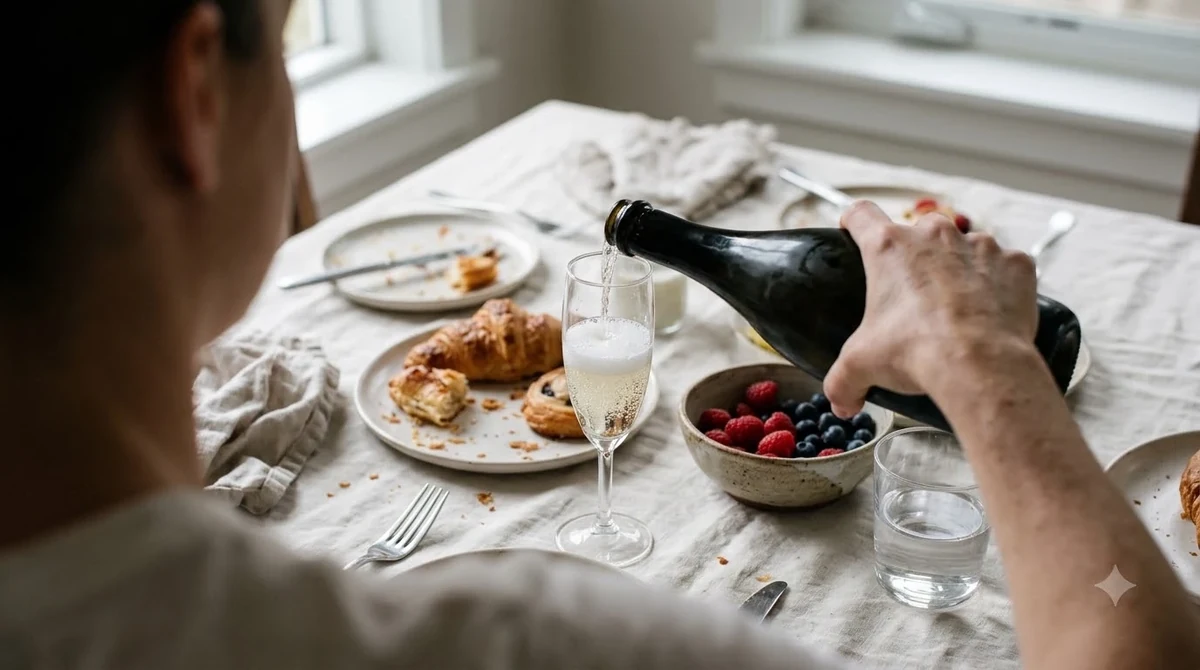
For oysters, shellfish, and fried appetizers, a crisp Brut can be particularly versatile. For a fruit-based dessert, choose a sparkling wine with at least as much sweetness as the food. For cocktails, prioritize fresh fruit character and a style that does not need expensive lees-aged complexity to perform well when mixed.
These steps also prevent a common purchasing problem: assuming that an expensive bottle is automatically the right bottle. A complex vintage Champagne may be an excellent choice for a formal dinner, but it is unnecessary for a large batch of brunch cocktails. Likewise, an inexpensive fruit-forward sparkling wine may be perfectly appropriate for casual entertaining without delivering the layered flavors expected from traditional-method wine.
Tip: Buy according to the flavor style you enjoy rather than relying on prestige alone. If you prefer crisp apple and floral aromas, start with Prosecco. If you enjoy toasted brioche, almonds, and finer bubbles, compare traditional-method Champagne, Cava, and Crémant.
Types and Styles Explained: Champagne, Prosecco, Cava, and More
The main sparkling wine categories differ in origin, grape selection, and production method. Champagne, Prosecco, Cava, and Crémant are useful starting points, while Franciacorta, Alta Langa, Cap Classique, Asti, and Pét-Nat expand the choices considerably.
Champagne: The Classic Traditional-Method Category
Champagne comes exclusively from the Champagne region of northeastern France. Its principal grapes are Chardonnay, Pinot Noir, and Pinot Meunier, and its traditional-method production involves secondary fermentation inside the bottle.
Many Champagne producers offer non-vintage Brut as their signature house expression. This style is generally dry, refreshing, and suitable for both celebrations and food pairing. Chardonnay-led wines can emphasize citrus and mineral character, while Pinot Noir can contribute structure and body. Blended expressions combine these characteristics to create a consistent producer identity.
Extended lees aging helps explain Champagne’s distinctive flavor profile. Depending on the producer and bottling, drinkers may encounter lemon, apple, toasted bread, hazelnut, almond, and brioche. Vintage Champagne offers another direction, generally emphasizing the character of a particular harvest rather than maintaining exactly the same profile across multiple years.
When comparing Champagne houses, pay attention to their preferred grape balance, sweetness, and aging philosophy. A house that favors Chardonnay may appeal to someone who likes precision and citrus, while a Pinot Noir-focused producer may suit someone seeking greater body and structure.
The official Comité Champagne consumer FAQ explains the distinction between vintage and non-vintage bottles, along with the minimum cellar-aging requirements: 15 months for non-vintage Champagne and three years for vintage Champagne.
Prosecco: Fresh, Floral, and Fruit-Forward
Prosecco originates in northeastern Italy and is primarily made from Glera grapes. The traditional tank method preserves the grape’s fresh aromas and produces a lively style associated with pear, green apple, citrus, and white flowers.
Prosecco DOC is a useful starting point for shoppers. The DOCG designations, including Conegliano Valdobbiadene Prosecco Superiore DOCG and Asolo Prosecco DOCG, identify more specifically designated production areas. These labels help buyers distinguish regional expressions rather than treating every Prosecco bottle as interchangeable.
For brand comparisons, consider producers such as La Marca, Bisol, Mionetto, and Nino Franco as recognizable names to investigate. Their bottles may differ in regional designation, sweetness, and overall style. A straightforward Prosecco DOC can suit a casual gathering, while a more specifically designated Superiore bottling may appeal to someone seeking additional regional character.
Prosecco also works well in cocktails. Its fresh fruit profile is suitable for a Bellini or Aperol Spritz, and its approachable character makes it useful for brunch. Readers who want a narrower comparison of individual producers can explore the best Prosecco brands separately.
The Prosecco DOC production regulations explain the permitted grape varieties, nine-province production area, tank-fermentation requirements, and official sweetness classifications.
Cava: Traditional-Method Value From Spain
Cava offers bottle-fermented sparkling wine from Spain. Its traditional grape varieties include Macabeo, Xarel-lo, and Parellada, which combine freshness, aromatic character, and structure.
Because Cava uses the traditional method, it can develop some of the toasted and nutty characteristics associated with Champagne. Standard Cava requires at least nine months of lees aging, while Reserva requires at least 15 months. Longer-aged expressions can provide additional complexity and a more developed texture.
Well-known Cava producers worth exploring include Freixenet, Codorníu, Juvé & Camps, and Raventós i Blanc. These names offer useful starting points for investigating Spanish sparkling wine, although buyers should pay attention to the individual appellation and production details of each bottle rather than assuming all producers follow identical practices.
Brut Nature Cava is particularly suitable for drinkers who want a dry, crisp style. Its acidity and bubbles work well with tapas, olives, salty appetizers, seafood, and fried foods. It is also a useful alternative for shoppers who enjoy traditional-method wine but want to explore something beyond Champagne.
Crémant: French Alternatives Outside Champagne
Crémant refers to traditional-method sparkling wines produced in designated French regions outside Champagne. The eight recognized regional categories include Alsace, Bordeaux, Burgundy, Die, Jura, Limoux, Loire, and Savoie.
Each region offers a different combination of grapes and flavor characteristics. Crémant d’Alsace can be aromatic and fruit-forward, particularly when Riesling is included. Crémant de Bourgogne can appeal to Chardonnay and Pinot Noir enthusiasts, while Crémant de Loire often emphasizes fresh citrus, green apple, and orchard fruit.
Producers worth investigating include Lucien Albrecht for Alsace, Louis Bouillot for Burgundy, and Gratien & Meyer for Loire sparkling wines. These are useful producer names to compare when exploring French sparkling wine outside Champagne. Pay attention to the specific regional designation and grape composition because the Crémant category covers several distinct styles.
Other Styles Worth Exploring
Franciacorta and Alta Langa are Italian traditional-method categories. Franciacorta is associated with Chardonnay and Pinot Noir, while Alta Langa uses Chardonnay and Pinot Noir and requires at least 30 months of lees aging. Both are interesting alternatives for shoppers who appreciate bottle-fermented wines.
South African Cap Classique is another traditional-method category. Its wines can use Chardonnay, Pinot Noir, Pinot Meunier, Chenin Blanc, and Pinotage. Producers such as Graham Beck and Simonsig are recognizable names to investigate when exploring South African sparkling wine.
Asti and Moscato d’Asti provide a sweeter direction. These wines are associated with Muscat grapes from Piedmont, Italy, and feature floral aromas, fruitiness, and a softer sweetness profile. Pét-Nat, meanwhile, uses the ancestral method, with wine bottled before its primary fermentation has finished. It can offer a more rustic, lightly sparkling expression that appeals to adventurous wine drinkers.
There is no need to master every category before buying a bottle. Start with two contrasting styles, such as Brut Champagne and Prosecco Extra Dry. Comparing their aromas, acidity, bubble texture, and finish will make future producer selections easier.
Common Mistakes When Buying Sparkling Wine
The most common sparkling wine buying mistakes involve misunderstanding sweetness labels, assuming all bubbles taste alike, and confusing regional names with general wine categories. Paying attention to these distinctions helps prevent disappointing purchases.
Confusing Extra Dry with Brut is particularly common. Despite its name, Extra Dry is sweeter than Brut. Brut is a dry style, while Extra Dry generally has a softer, slightly sweeter impression. Someone who prefers a particularly dry wine may be happier with Extra Brut or Brut Nature instead.
The following sweetness sequence is useful when reading European sparkling wine labels:
- Brut Nature: The driest end of the classification, with little or no added dosage.
- Extra Brut: Very dry, with minimal residual sugar.
- Brut: Dry and versatile, making it a practical general-purpose selection.
- Extra Dry: Slightly sweeter than Brut despite the name.
- Dry: Noticeably softer and sweeter than Extra Dry.
- Demi-Sec: Sweet enough to suit many desserts.
- Doux: The sweetest traditional designation.
Another mistake is treating Champagne as a generic term for all sparkling wine. Champagne is a protected geographical designation, not simply a description of bubbles. A traditional-method wine from Burgundy, Spain, or South Africa cannot be called Champagne, even when its production technique resembles that of a Champagne house.
Buyers also sometimes assume that all traditional-method wines taste alike. However, grape varieties, harvest conditions, blending decisions, and aging periods can produce substantial differences. A Chardonnay-dominant Champagne can feel very different from a Pinot Noir-led blend, while a Xarel-lo-based Cava may show characteristics that are less familiar to someone who regularly drinks French sparkling wine.
Another frequent error is choosing sweetness without considering the food. A very dry Brut can taste particularly sharp alongside an intensely sweet dessert. The better principle is to choose a wine at least as sweet as the food. For acidic dishes, select a wine with equal or higher acidity so that the pairing does not feel flat.
Food texture matters, too. Salt and fat can soften the impression of tannin, while sparkling wine’s acidity can refresh the palate after rich appetizers. Fried chicken, salty potato chips, oysters, and creamy cheeses can all work well with appropriately selected dry sparkling wines. Chili heat, however, can become more pronounced with higher alcohol and tannin, so a softer, lower-tannin wine is often a more comfortable pairing.
Finally, do not assume a recognizable producer name guarantees that every bottling will match your preferences. A producer may offer Brut, Extra Dry, rosé, vintage, and prestige cuvées with very different profiles. Compare the specific expression rather than relying exclusively on the name on the front label.
Serving, Care, and Storage Tips for Sparkling Wine
Proper chilling and careful handling help preserve sparkling wine’s freshness and carbonation. Most sparkling wine is best served cool, with lighter styles generally needing colder temperatures than richer, fuller-bodied expressions.
Use these serving-temperature ranges as a practical reference:
- Sparkling wine: Approximately 40–50°F.
- Light whites and rosé: Approximately 45–50°F.
- Full-bodied whites: Approximately 50–55°F.
- Sweet sparkling whites: Approximately 43–50°F.
For standard Prosecco, the Prosecco DOC technical information recommends a serving temperature of approximately 43–46°F. Champagne and traditional-method Cava can also benefit from being served cool enough to preserve their bubbles without suppressing their aromas.
Refrigerating a bottle for a couple of hours before serving is a convenient approach. For multiple bottles, use an ice bucket containing both ice and water. Water distributes the cold around the bottle more effectively than ice alone, helping the wine reach a suitable temperature more consistently.
When opening sparkling wine, keep the bottle pointed away from people and fragile objects. Remove the foil and loosen the wire cage while keeping a hand over the cork. Hold the cork securely and rotate the bottle slowly rather than pulling the cork upward. A controlled release helps reduce wine loss and unnecessary pressure.
For serving, a standard 5-ounce pour is a useful reference. A 750 ml bottle contains approximately five standard glasses. Flutes emphasize the visual movement of bubbles, while tulip-shaped glasses offer additional room for aromas. A white wine glass can also work well for a more aromatic Champagne or traditional-method sparkling wine.
Storage is equally important. Keep unopened bottles in a cool, dark location with a reasonably stable temperature, ideally around 55°F. Avoid direct sunlight, substantial temperature fluctuations, and repeated vibration. Bottles intended for longer storage are generally kept on their sides when sealed with natural corks, helping prevent the cork from drying out.
After opening, reseal sparkling wine with a proper sparkling-wine stopper and refrigerate it. Sparkling wine generally retains its best carbonation for around one to three days, although the exact period depends on the wine, stopper, and storage conditions. Still wines typically last three to five days in the refrigerator, while fortified wines can remain drinkable for several weeks.
Do not leave an opened bottle on a warm dining table overnight. Temperature and exposure to air gradually affect freshness and carbonation. If a bottle is intended for a second occasion, reseal it promptly and return it to the refrigerator.
Frequently Asked Questions
Which sparkling wine brands are most recognizable in the United States?
Recognizable Champagne names include Moët & Chandon, Veuve Clicquot, and Piper-Heidsieck. Prosecco shoppers frequently encounter La Marca and Mionetto, while Freixenet and Codorníu are established names in the Cava category. Availability varies by retailer and state, so a producer’s distribution can influence which bottles are easiest to find.
What does Blanc de Blancs mean on a sparkling wine label?
Blanc de Blancs means white wine made exclusively from white grapes. In Champagne, the designation commonly indicates a Chardonnay-based wine. Blanc de Noirs describes a white sparkling wine made from dark-skinned grapes, commonly Pinot Noir or Pinot Meunier.
What does Millésimé mean on a Champagne bottle?
Millésimé is the French term for vintage, identifying a wine associated with a particular harvest year. Vintage Champagne is produced from grapes harvested in that designated year rather than relying on a blend of multiple harvest years. It is a useful label detail for shoppers comparing vintage and non-vintage expressions.
Can sparkling wine be made from red grapes and still look white?
Yes. The juice of most dark-skinned wine grapes is relatively clear before extended contact with the skins. Producers can press Pinot Noir or Pinot Meunier gently and separate the juice from the skins to produce white sparkling wine. This is one reason Blanc de Noirs Champagne can be made without having a red appearance.
What is the difference between sparkling wine and semi-sparkling wine?
The main distinction is the amount of dissolved carbon dioxide and resulting bottle pressure. Fully sparkling wines generally have more pronounced effervescence, while semi-sparkling wines have gentler bubbles and a softer sensation. Italian Frizzante is a familiar example of a lightly sparkling wine category.
The best sparkling wine brands are those that consistently match your preferred flavor, sweetness, and occasion. Begin with a familiar Brut Champagne, a fresh Prosecco, or a traditional-method Cava, then explore Crémant and Cap Classique to broaden your choices. Comparing different regions and producers is an enjoyable way to discover sparkling wines that deserve a regular place at your table.
More in Wine Buying Guides
 Cheap Red Blend: How to Find a Flavorful Bottle for LessUpdated Nov 20, 2026
 Pinot Grigio Gift: How to Choose a Bottle They’ll EnjoyUpdated Nov 20, 2026
 Best White Wine at Total Wine for Every MealUpdated Nov 20, 2026
 Wine Fridge Replacement Shelves: Find the Right FitUpdated Nov 20, 2026
 Best Sparkling Wine Under 20: Find Bubbles Worth BuyingUpdated Nov 20, 2026
 Best Wine For Birthday Celebrations With Perfect Party PairingsUpdated Nov 20, 2026