


We may earn a commission when you buy through links on this page, at no extra cost to you. Learn more.
The andre peach moscato alcohol content is 6.5% ABV, according to the listed product specifications, making it a relatively low-alcohol sparkling wine. A standard 5 oz glass contains approximately 0.325 fluid ounces of pure alcohol, while a 750 ml bottle holds about five standard wine pours. Along with its modest alcohol percentage, this André Cellars wine is known for sweet peach flavors, gentle bubbles, and hints of orange and honey.
André Peach Moscato is designed for people who enjoy fruity, sweet sparkling wine rather than a dry, high-alcohol bottle. Understanding its alcohol percentage helps put each serving into perspective, especially when comparing it with other André wines, traditional Moscato, or popular sparkling wines. The distinction between alcohol strength, sweetness, and serving size also makes it easier to understand what you are pouring into your glass.
André Peach Moscato Alcohol Percentage and Bottle Strength
André Peach Moscato is commonly listed at 6.5% alcohol by volume, or ABV. This puts it toward the lighter end of the sparkling wine category and gives it a noticeably lower alcohol concentration than many conventional dry sparkling wines.
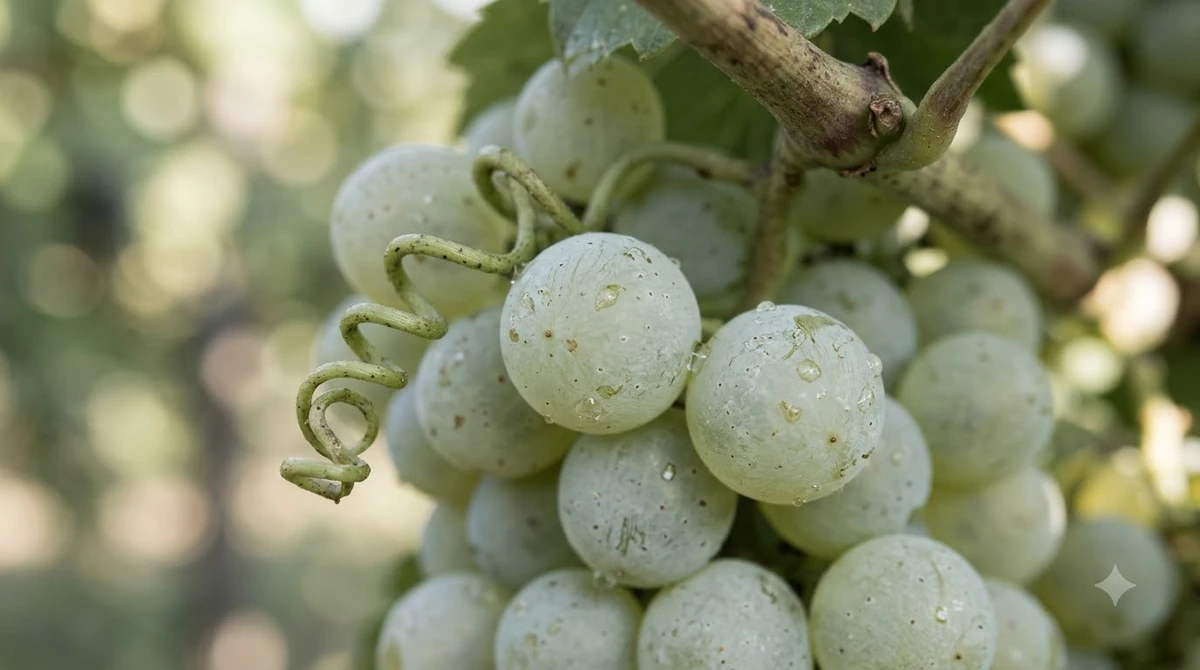
The 6.5% figure means that alcohol accounts for 6.5% of the wine’s total liquid volume. In practical terms, every 100 ml contains approximately 6.5 ml of pure alcohol. The percentage describes alcohol concentration, not the amount of liquid in a glass or the total amount in a bottle.
For comparison, many conventional sparkling wines contain approximately 11–12% ABV. A bottle at 6.5% therefore has a substantially lower alcohol concentration than a sparkling wine at 12%. This difference is useful when choosing between a sweet, fruit-forward bottle and a more traditional sparkling wine for a celebration.
Wine listings identify André Peach Moscato as a California sparkling wine made with Moscato grapes. The producer’s description emphasizes peaches, orange notes, and a crisp finish rather than oak, extended bottle aging, or the yeasty character associated with some traditional-method sparkling wines.
The producer’s official product description focuses on flavor and serving suggestions rather than publishing an ABV figure on its product page. WineDiscounts lists the bottle at 6.5% ABV, and that is the figure used for the calculations in this article. Retailer descriptions and product records can sometimes differ, so the individual bottle’s alcohol declaration is the final reference for a particular purchase. The André Peach Moscato product specifications provide the listed alcohol percentage and bottle details.
It is also important to distinguish André Peach Moscato from Moscato d’Asti. Both can offer sweetness, aromatic fruit, and relatively low alcohol, but they are not interchangeable wine classifications. Moscato d’Asti is a protected Italian wine designation with specific production requirements, while André Peach Moscato is a California peach-flavored sparkling wine.
For readers comparing other bottles in the same brand family, André wine alcohol content provides a broader comparison of the brand’s different styles. The alcohol percentage can vary considerably between a sweet Moscato-based bottle and a drier sparkling selection.
How Much Alcohol Is in a Glass or Bottle?
A standard 5 oz serving of André Peach Moscato contains approximately 0.325 fluid ounces of pure alcohol at 6.5% ABV. A full 750 ml bottle contains approximately 48.75 ml of pure alcohol, making serving size an important part of understanding the wine’s actual alcohol intake.
The calculations are straightforward. Multiply the volume of wine by 0.065 to estimate the amount of pure alcohol. For a 5 oz pour, that means 5 multiplied by 0.065, resulting in 0.325 fluid ounces of alcohol.
The United States standard drink contains approximately 0.6 fluid ounces of pure alcohol. On that basis, a 5 oz glass of this wine contains approximately 0.54 standard drinks. A full 750 ml bottle contains roughly 2.75 standard drinks in total.
These figures are mathematical estimates rather than measurements of a particular glass. A home pour can easily exceed 5 oz, especially when sparkling wine is served in a wide glass or poured generously at a gathering.
| Serving amount | Wine volume | Pure alcohol at 6.5% ABV | Approximate US standard drinks |
|---|---|---|---|
| Small pour | 3 oz | 0.195 fl oz | 0.33 |
| Standard wine pour | 5 oz | 0.325 fl oz | 0.54 |
| Large pour | 6 oz | 0.390 fl oz | 0.65 |
| Extra-large pour | 8 oz | 0.520 fl oz | 0.87 |
| Full 750 ml bottle | 25.36 oz | 1.649 fl oz | 2.75 |
A standard 750 ml bottle provides approximately five 5 oz servings, with a small amount left over because the bottle contains about 25.36 fluid ounces. This is a useful planning estimate for a brunch table or small gathering.
Food Lion lists a different serving convention for its product nutrition information: three servings per 750 ml bottle, with each serving measuring 8 fluid ounces. That is a larger portion than the commonly used 5 oz wine serving. Consequently, the number of servings shown in a retailer’s nutrition information should not be confused with the number of standard wine pours.
For a more consistent comparison between bottles, use the same serving size and ABV calculation. Comparing one brand’s 5 oz serving with another brand’s 8 oz serving can make the alcohol figures appear more different than they really are.
Tip: Use 5 oz as a convenient standard wine-pour reference when comparing alcohol content. At 6.5% ABV, that serving contains about 0.325 fluid ounces of pure alcohol, regardless of whether it is poured into a flute, coupe, or regular wine glass.
Sweetness, Ingredients, and Peach Flavor
André Peach Moscato is a sweet, carbonated wine specialty beverage with a fruit-forward profile. Its combination of Moscato wine, peach flavor, honey-like notes, and orange accents gives it a sweeter character than a typical dry sparkling wine.
The official André description highlights peaches, hints of orange, and a crisp finish. Retailer tasting descriptions add notes of honey, cream, and orange blossom. Together, these flavors create a profile that is closer to a sweet peach sparkling drink than a traditional dry white wine.
Its sweetness is an important distinction because alcohol percentage and sugar level measure different characteristics. ABV measures the concentration of alcohol, while sweetness relates to the wine’s remaining sugars and overall flavor balance. A wine can therefore be sweet without having a high alcohol percentage.
Food Lion’s published ingredient list provides additional information about the beverage’s composition. It identifies carbonated water, Moscato wine, dextrose, fructose, natural and artificial flavors, and grape spirits among the ingredients. It also lists smaller amounts of ingredients such as citric acid, potassium sorbate, and sulfiting agents.
This ingredient information helps explain why the finished drink tastes different from a straightforward bottle of dry Moscato. The wine component contributes the grape character, while the peach flavoring and sweetening ingredients support the fruit-forward style.
Its bubbles also influence the drinking experience. Carbonation gives the wine a lively texture and makes the sweetness feel brighter than it might in a still dessert wine. The crisp finish provides some contrast to the ripe peach and honey-like flavors.
However, the presence of bubbles does not mean the wine is dry. Sparkling wines are available in a range of sweetness levels, and André Peach Moscato sits firmly on the sweet side of that spectrum.
Traditional Moscato offers a useful comparison. According to Coop’s wine education material, Moscato is an aromatic style associated with the Muscat grape family, with floral aromas that can include orange blossom and elderflower. Moscato d’Asti commonly combines aromatic fruit, residual sweetness, and relatively low alcohol, but its production rules differ from those of a flavored California sparkling wine.
The Asti DOCG Consortium describes Moscato d’Asti as a distinct Italian designation and explains that fermentation is stopped at approximately 5% ABV. That figure illustrates why alcohol percentages vary across Moscato styles rather than remaining fixed simply because wines share a grape family.
For another sweet sparkling option, readers can compare Yellow Tail Moscato alcohol content. Looking at both the alcohol percentage and the style description is more useful than assuming every wine labeled Moscato will have the same strength or sweetness.
Serving Temperature, Glassware, and Storage
André Peach Moscato is best served well chilled, with approximately 40–45°F providing a useful serving range. Cold temperatures help preserve the lively bubbles and keep the peach sweetness from becoming overly prominent.
A refrigerator is a convenient way to prepare the bottle before serving. Allow enough time for it to become properly chilled, then remove it shortly before pouring. If the bottle has been sitting at room temperature, avoid rushing the process by placing it somewhere excessively warm or exposing it to sudden temperature changes.
Glassware can influence how the wine presents itself. A flute emphasizes the bubbles and gives the wine a familiar sparkling-wine appearance. A coupe provides a wider opening and makes the peach aromas easier to notice. A small white-wine glass is another practical option because it allows room to appreciate the wine’s fruity aroma.
There is no need to decant André Peach Moscato. Decanting is sometimes useful for young, concentrated red wines or older bottles with sediment, but it is unnecessary for a sweet sparkling wine intended to retain its carbonation.
Opening the bottle requires a little care because the pressure inside sparkling wine can force the closure upward. Keep the bottle pointed away from people and fragile objects, maintain control of the closure, and avoid shaking it before opening. A controlled opening is preferable to sending the stopper across the room.
Once opened, sparkling wine generally loses its freshness more quickly than still wine. André Peach Moscato is best enjoyed on the day it is opened. If some remains, close it with a suitable sparkling-wine stopper and refrigerate it promptly.
Even with a stopper, the bubbles gradually diminish. The peach flavor may remain noticeable after opening, but the texture can become flatter as carbonation escapes. For the best sparkling character, serve the bottle fresh rather than planning to keep it open for several days.
Long-term cellar storage is unnecessary for this style. It is designed to be enjoyed young, while its fruity aromas and carbonation are fresh. Keep unopened bottles in a cool place away from direct sunlight and significant temperature changes until they are ready to be chilled and served.
Food Pairings and Drinks That Complement Peach Moscato
André Peach Moscato pairs naturally with sweet brunch dishes, fresh fruit, and creamy desserts. Its peach and orange notes make it especially suitable for foods that echo its fruit character without overwhelming its sweetness.
Fresh peaches are an obvious starting point. Sliced peaches, nectarines, strawberries, blueberries, and mixed fruit salads complement the wine’s aromatic profile. A fruit platter with a mixture of ripe and slightly tart fruit also provides a useful contrast to the wine’s sweetness.
For brunch, consider French toast, waffles, pancakes, and pastries. These dishes work particularly well when served with fresh berries or a modest amount of fruit topping. The sparkling wine adds freshness alongside buttery or creamy breakfast foods.
Cheesecake, vanilla ice cream, peach cobbler, and fruit tarts are other suitable choices. The important pairing principle is to make sure the dessert is not sweeter than the wine. An extremely sugary dessert can make the wine seem less expressive and more acidic by comparison.
Cheese can also work, particularly when the selection includes creamy, mildly salty varieties. Brie, mascarpone-based desserts, and mild cream cheese preparations can complement the wine’s peach and cream-like impressions. Very strong aged cheeses are less natural matches because they can overpower its delicate fruit profile.
For savory foods, Southern-style brunch dishes provide several possibilities. Buttermilk biscuits, lightly seasoned chicken, mild breakfast casseroles, and dishes with fruit-based sauces can work well. Salt and fat can soften the perception of some wine characteristics, while the wine’s sweetness offers a pleasant contrast to savory flavors.
Spicy dishes require more thought. Alcohol and chili heat can intensify one another, so heavily seasoned foods with hot peppers may overwhelm the wine. Mildly spiced dishes are a better starting point than foods dominated by chili oil or intense pepper heat.
The wine can also be used as a base for simple sparkling drinks. Adding a modest amount of peach juice creates a more pronounced fruit flavor, although it also increases the sweetness. Fresh peach slices provide a more restrained garnish when the goal is to preserve the wine’s original balance.
A simple peach brunch spritz can be prepared by pouring chilled André Peach Moscato into a flute or wine glass and adding a small amount of peach juice. Garnish with a fresh peach slice. There is no need to add additional sweetener because the wine already has a sweet profile.
For a dessert-style serving, pour the wine alongside vanilla ice cream or use a small amount as the sparkling component of a peach float. The contrast between cold ice cream and lively bubbles creates an easy dessert presentation for casual gatherings.
For the most straightforward pairing, serve it on its own with fresh peaches and berries. This allows the wine’s fruit character to remain the main feature rather than competing with complicated sauces or heavily seasoned dishes.
How André Peach Moscato Compares With Other André Wines
André Peach Moscato belongs to the sweeter, fruit-oriented side of the André range. Its 6.5% listed ABV makes it different from several other sparkling styles that are generally stronger and less focused on peach sweetness.
Comparisons are easiest when considering three factors: alcohol percentage, sweetness, and carbonation. Two wines can share the same producer but offer very different drinking experiences because their blends, sweetness levels, and intended styles are different.
André Spumante is a useful comparison because it represents another sparkling style in the same brand family. Spumante is a general Italian term referring to fully sparkling wine, rather than a grape variety or a guarantee of a particular sweetness level.
The key difference for a shopper is the style rather than the name alone. Peach Moscato emphasizes sweet fruit and peach flavor, while Spumante should be evaluated according to its own sweetness designation and alcohol declaration. The name Spumante by itself does not establish whether a bottle is dry or sweet.
For a closer look at the other sparkling style, see André Spumante alcohol content. Comparing the figures side by side helps explain why different bottles from the same producer may contain different amounts of alcohol.
Traditional sparkling wine offers another useful reference point. Champagne, Cava, and many conventional dry sparkling wines commonly fall around 11–12% ABV. These wines are generally stronger than André Peach Moscato, although their flavors, production methods, and sweetness levels can vary considerably.
Prosecco is another comparison worth understanding. It is generally made primarily from Glera grapes and commonly uses the tank method for its secondary fermentation. Its alcohol content is often around 11–12% ABV, considerably higher than the 6.5% listed for André Peach Moscato.
Traditional Champagne and Cava undergo their second fermentation in the bottle. This production difference helps create a different texture and flavor profile from many tank-produced sparkling wines. However, production method alone does not determine whether a wine is sweet or dry.
For a quick comparison, consider the following typical alcohol ranges:
| Wine style | Typical ABV | General character |
|---|---|---|
| André Peach Moscato | 6.5% | Sweet, peach-forward sparkling wine |
| Moscato d’Asti | About 5% | Sweet, lightly sparkling Italian wine |
| Prosecco | About 11–12% | Fresh, aromatic sparkling wine |
| Champagne | About 12% | Traditional-method sparkling wine |
| Cava | About 11–12% | Traditional-method Spanish sparkling wine |
These figures are typical reference points, not universal specifications for every bottle. Individual wines can fall outside these ranges, and production choices influence the final alcohol percentage.
The main takeaway is that André Peach Moscato offers a lower-alcohol alternative to many conventional sparkling wines. Its sweet peach profile also makes it a different choice from a dry Brut or Extra Dry sparkling wine, even when both bottles are served at the same temperature.
When choosing between the André styles, consider the occasion. Peach Moscato suits sweet brunch dishes, fruit platters, and dessert pairings. A drier sparkling selection may be more suitable for oysters, salty appetizers, or a traditional celebratory toast.
Frequently Asked Questions
Does André Peach Moscato contain sulfites?
Yes. Food Lion’s published ingredient information identifies sulfiting agents among the ingredients. Sulfites are commonly used in winemaking and wine-related products as preservatives, and their presence is also reflected in standard wine labeling requirements.
Is André Peach Moscato made from 100% Moscato grapes?
The available product information identifies Moscato wine as an ingredient but does not establish that the finished beverage consists entirely of Moscato grapes. Its ingredient list also includes carbonated water, grape spirits, sweeteners, and flavorings. It is therefore more accurate to describe it as a peach-flavored Moscato-based sparkling wine.
Does André Peach Moscato have an expiration date?
Like other commercially bottled sparkling wines, it is intended to be enjoyed while fresh rather than aged for many years. The printed date or bottling information, when provided, can help identify the product’s production details. Proper storage away from direct sunlight and excessive heat helps preserve its intended flavor and carbonation.
Is André Peach Moscato the same as a peach Bellini?
No. A traditional Bellini is a cocktail associated with Prosecco and peach purée. André Peach Moscato is a bottled peach-flavored sparkling wine that can be served on its own or used as a convenient base for a peach-inspired brunch cocktail.
Does André Peach Moscato need to be opened immediately after chilling?
No. Chilling the bottle does not mean it must be opened immediately. It can remain refrigerated until serving, making it practical to prepare ahead of a brunch or celebration. Keeping the bottle cold until needed also helps preserve its intended serving temperature.
André Peach Moscato stands out for its sweet peach flavor, lively carbonation, and relatively low listed alcohol content of 6.5% ABV. Understanding the difference between a 5 oz pour and a larger serving makes it easier to compare the bottle with other sparkling wines. Serve it well chilled, pair it with fruit or creamy desserts, and enjoy its fresh peach character while the bubbles are at their best.
More in Wine Brands
 Louis Latour Wine Price: Compare Bottles by Style and TierUpdated Nov 20, 2026
 Yellow Tail Moscato Price: What to Expect Before You BuyUpdated Nov 20, 2026
 Sutter Home Sweet Red Review: Find the Right Food PairingsUpdated Nov 20, 2026
 Franzia Chillable Red Review: Find the Right Serving StyleUpdated Nov 20, 2026
 Veuve Clicquot Rose Review: Flavor, Food Pairings and Buying AdviceUpdated Nov 20, 2026
 Rombauer Wine Price: Compare Bottles Before You BuyUpdated Nov 20, 2026