

We may earn a commission when you buy through links on this page, at no extra cost to you. Learn more.
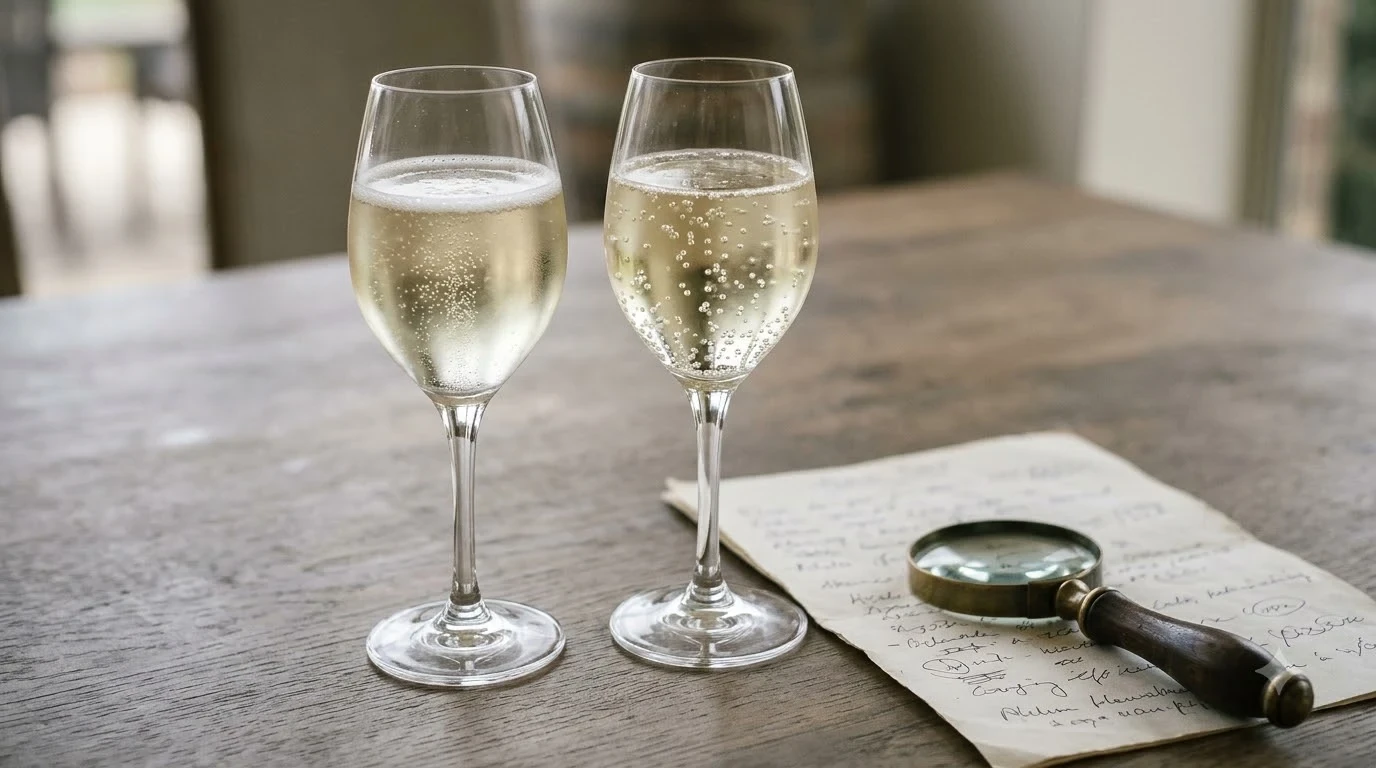
This andre wine review finds André a practical choice for affordable, approachable California sparkling wine, particularly for casual celebrations, brunch cocktails, and drinkers who enjoy fruity flavors. Its lineup ranges from relatively dry Brut to sweeter Extra Dry and Spumante, with additional blush, red, and flavored options. The best bottle depends on how much sweetness you prefer, whether you plan to drink it straight or mix it, and what you’re serving alongside it.
André is a familiar name in the American sparkling wine aisle, but its range is broader than one inexpensive bottle for a holiday toast. Produced by E. & J. Gallo Winery, the brand has been making sparkling wine since 1966. Its accessible approach makes it worth considering for informal gatherings, while its different styles give shoppers several ways to match a bottle to the occasion. This guide examines the brand, explains its main expressions, and offers practical advice for choosing the right André wine without confusing sweetness terminology or expecting traditional French Champagne.
Who André Wine Is For
André is best suited to shoppers looking for approachable California sparkling wine rather than a complex bottle for formal wine appreciation. Its range includes recognizable fruit flavors, lively carbonation, and sweetness levels that accommodate casual drinkers and party hosts.
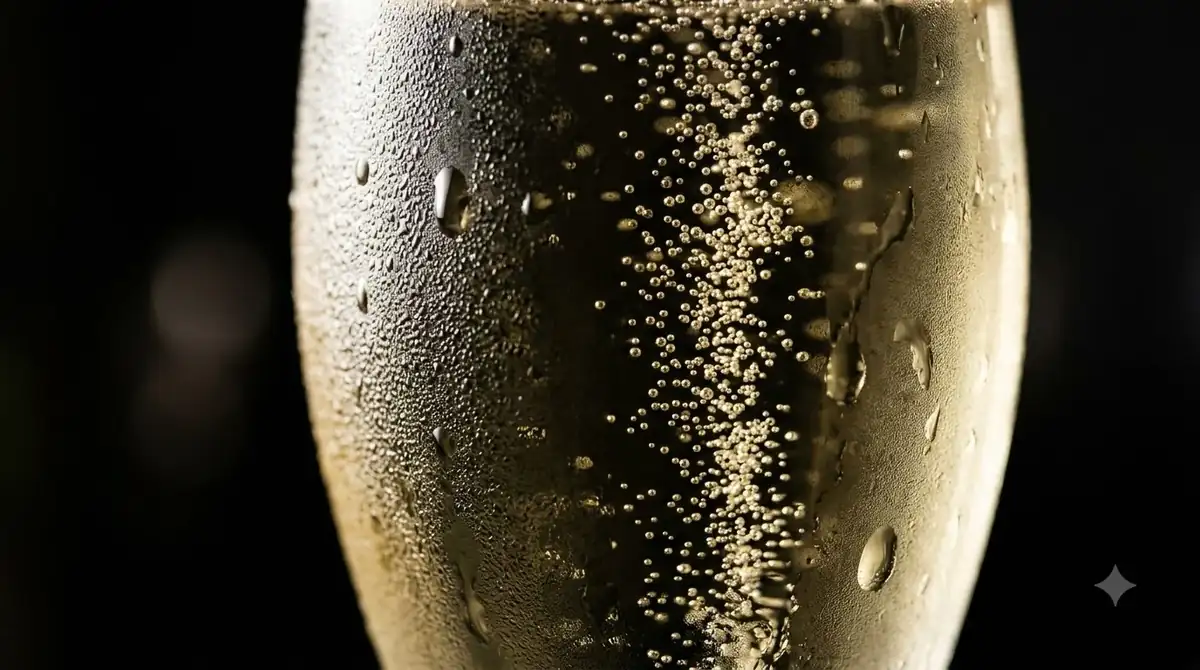
The brand’s history is closely connected to making sparkling wine accessible. According to E. & J. Gallo Winery’s official André portfolio, the brand began in 1966 with the goal of offering sparkling wine at an affordable price. Gallo now identifies 10 different California Champagne and sparkling wine offerings in the portfolio, including options ranging from Brut to Moscato.
That breadth makes André particularly useful when different guests have different preferences. Someone who prefers a comparatively dry sparkling wine can choose Brut, while a guest who enjoys sweeter fruit-forward drinks may prefer Spumante or one of the flavored offerings. The lineup also includes Blush and Cold Duck for shoppers who want something beyond conventional white sparkling wine.
Casual celebrations and entertaining
André makes sense for birthdays, informal holiday gatherings, brunches, family celebrations, and occasions where the wine is part of a larger menu. Its straightforward fruit profile is generally easier to introduce to occasional wine drinkers than a highly acidic, mineral-driven traditional sparkling wine.
It can also work as a cocktail ingredient. Brut provides a relatively restrained starting point for mimosas, while sweeter expressions can contribute fruit character without requiring as much additional sweetness from the mixer. Ready-to-drink mimosa products offer another option for people who prefer convenience over preparing individual cocktails.
Who may prefer another sparkling wine
André is not necessarily the right choice for someone seeking the complexity of vintage Champagne, the fine mousse of a premium traditional-method sparkling wine, or pronounced lees-derived flavors such as brioche and toasted bread. Those characteristics belong to a different style and production category.
Likewise, shoppers who dislike noticeable sweetness should concentrate on Brut rather than beginning with Spumante, Blush, or fruit-flavored expressions. People who want a particularly dry sparkling wine may also prefer to compare Brut with other producers before deciding.
For a broader overview of producers and styles, the Wine Brands category offers useful context for understanding where André fits within the American wine market.
Key Factors to Compare When Buying André
The most important buying considerations are sweetness, flavor profile, intended use, bottle format, and alcohol content. Comparing these characteristics before choosing a bottle is more useful than relying on the words Champagne or Extra Dry alone.
| Buying factor | What to look for | Why it matters |
|---|---|---|
| Sweetness | Brut, Extra Dry, Spumante | Determines whether the wine suits dry or sweet preferences. |
| Fruit character | Apple, pear, lemon, peach, honey | Helps match the wine with food and cocktails. |
| Wine category | White, blush, sparkling red, flavored | Identifies the general drinking experience. |
| Bottle format | 750 ml, 375 ml, 355 ml | Helps determine how much wine is needed. |
| Alcohol content | Check the stated ABV | Different expressions may have different alcohol levels. |
| Production method | Charmat method for Spumante | Provides context for the wine’s bubbles and style. |
| Occasion | Toast, brunch, dessert, party | Helps identify whether to serve it straight or in a cocktail. |
Sweetness is the first decision
Sweetness terminology is one of the most confusing aspects of sparkling wine shopping. In the conventional sparkling wine classification, Brut Nature is the driest category, followed by Extra Brut, Brut, Extra Dry, Dry, Demi-Sec, and Doux. The names do not always communicate what an inexperienced shopper expects.
In particular, Extra Dry is actually sweeter than Brut. This distinction is important with André because its Extra Dry expression is frequently described as noticeably sweet. If you normally drink dry white wine, start with Brut rather than assuming Extra Dry means less residual sugar.
Flavor and intended use
André’s flavor descriptions provide another useful comparison. Brut is associated with green apple, pear, and sweet lemon, while Spumante emphasizes ripe pear, apple, and honey. Blush introduces strawberry, watermelon, cherry, and citrus, and Cold Duck moves toward blackberry, cherry, and darker fruit.
Think about the finished drink rather than just the bottle. A sparkling wine for sipping alongside appetizers should usually be less sweet than one intended to accompany a fruit dessert. A wine for mimosas should also have enough acidity and freshness to remain recognizable after orange juice is added.
Size and alcohol content
Total Wine lists André products in several formats, including 750 ml, 375 ml, and 355 ml. A standard 750 ml bottle provides approximately five conventional 5-ounce servings, although smaller tasting pours and cocktail recipes change the number of drinks available.
Alcohol content should be compared separately from sweetness. Food Lion lists André Spumante at 10.5% ABV, but shoppers should not automatically apply that figure to every André product. Individual expressions and formats can differ, so the stated alcohol percentage is useful when planning a gathering.
Step-by-Step: How to Choose the Right André Bottle
A simple selection process helps narrow the André lineup without buying a style that conflicts with your preferences. Start with sweetness, then consider the occasion, flavor, and quantity needed.
-
Decide how sweet you want the wine.
Choose Brut if you prefer a comparatively dry sparkling wine with a crisp fruit profile. Select Extra Dry if you enjoy a sweeter style, and consider Spumante if you specifically want noticeable sweetness and honeyed fruit character.
-
Identify whether you will sip it or mix it.
For drinking straight, choose a style that matches your preferred sweetness. For mimosas, Brut offers a more restrained foundation, while sweeter expressions create a fruitier finished cocktail. For convenience, consider André’s ready-to-drink mimosa products.
-
Choose a flavor family.
Look for apple, pear, and lemon in the descriptions of Brut. Peach and honey are associated with Spumante. Strawberry and watermelon are characteristic of Blush, while Cold Duck offers a darker berry direction.
-
Consider the food menu.
For salty appetizers, fried snacks, and savory brunch dishes, a fresher sparkling wine can provide welcome contrast. For fruit desserts, sweeter expressions are more appropriate. Match the wine’s sweetness to the dessert rather than choosing a dry bottle for an intensely sweet dish.
-
Calculate the amount required.
A 750 ml bottle provides roughly five 5-ounce glasses. For a small gathering, a 375 ml format may be sufficient, while larger groups may need several standard bottles. For cocktails, calculate the amount of sparkling wine required per serving before purchasing.
-
Confirm the bottle’s details.
Compare the alcohol percentage, bottle format, and style description. These details help distinguish traditional sparkling wine from ready-to-drink flavored cocktails and prevent confusion between similar-looking labels.
-
Chill before serving.
Place the bottle in the refrigerator well ahead of the occasion. Aim for approximately 40 to 50 degrees Fahrenheit for sparkling wine. Proper chilling improves freshness and helps control the release of carbonation when opening.
Tip: If you are buying André for guests whose preferences are unknown, start with Brut and add a sweeter option such as Spumante. This gives guests a meaningful choice without filling the table with several similar bottles.
André Wine Types and Styles Explained
André’s range is not limited to a single sweetness level or grape profile. Understanding the differences between Brut, Extra Dry, Spumante, Blush, and Cold Duck makes it easier to select a bottle that suits a particular meal or celebration.
André Brut: The comparatively dry choice
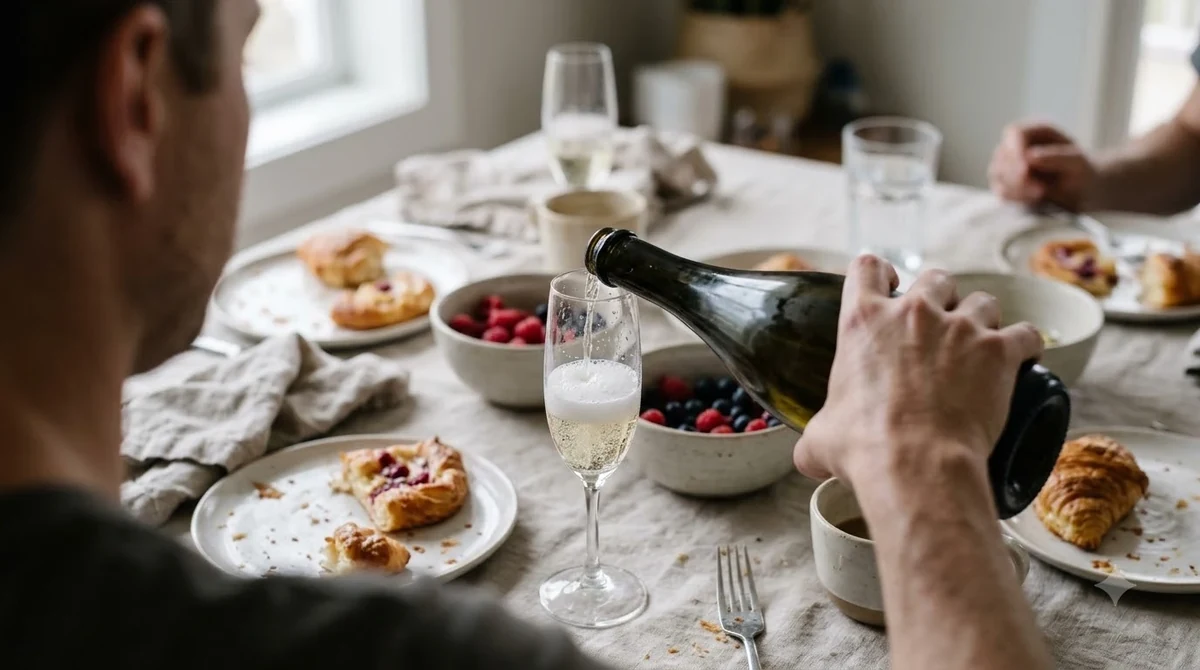
Brut is the most sensible starting point for shoppers who want a straightforward sparkling wine without pronounced sweetness. Total Wine describes André Brut as a California blend of white grapes with green apple, pear, and sweet lemon characteristics.
Its crisp, simple character makes it a flexible choice for casual toasts, brunch, and light appetizers. It is also a useful cocktail ingredient because its comparatively restrained sweetness leaves room for fruit juice or other mixers.
Do not confuse the word Brut with a guarantee of Champagne-level dryness or complexity. André Brut remains an accessible California sparkling wine with an uncomplicated fruit-forward profile. It is intended to be approachable rather than an exercise in detailed wine analysis.
André Extra Dry: A sweeter alternative
Extra Dry occupies an important middle position in the André range. Although the terminology sounds drier than Brut, the conventional sparkling wine classification places Extra Dry on the sweeter side of Brut.
André Extra Dry is associated with pear and apple aromas and a crisp finish. It may appeal to people who want some sweetness without moving all the way toward a dessert-oriented sparkling wine.
Independent tasting coverage also highlights a potential drawback. In its comparison of inexpensive sparkling wines, Tasting Table found André Extra Dry sweeter than its name might suggest and noted a chemical-like aftertaste. That assessment illustrates why personal sweetness preference matters: a wine that suits one casual occasion may disappoint someone expecting a more refined sparkling profile.
André Spumante: A fruit-forward sweet style
Spumante is the option to consider when noticeable sweetness is part of the appeal. Food Lion describes André Spumante as a sweet white California sparkling wine with peach and honey notes, while Total Wine also identifies ripe pear and green apple characteristics.
The wine uses the Charmat method, in which secondary fermentation takes place in a pressurized tank before bottling. This method is widely used for approachable sparkling wines and is suited to maintaining fresh, fruity characteristics.
Spumante can work well as an informal celebratory drink, especially for people who prefer sweeter sparkling wine. It also pairs naturally with fresh fruit and moderately sweet desserts. It is less suitable for someone who specifically wants a dry aperitif.
André Blush: A pink, fruit-led expression
Blush offers a different presentation and flavor direction. Total Wine describes ripe strawberry, watermelon, and cherry aromas, accompanied by citrus accents, gentle bubbles, and a lightly sweet finish.
This profile makes it a reasonable option for informal summer gatherings, fruit plates, and lighter desserts. It can also provide a visual alternative to conventional white sparkling wine when serving guests who enjoy fruit-forward beverages.
Its fruit character should not be confused with the more restrained strawberry notes sometimes found in dry traditional-method rosé sparkling wines. André Blush is better approached as an easygoing, approachable style.
André Cold Duck: Dark-fruit sparkling wine
Cold Duck is a different direction within the lineup. Rather than the green apple and lemon profile of Brut or the peach and honey character of Spumante, Total Wine describes Cold Duck with blackberry, cherry, dark-fruit flavors, and subtle spice.
This makes it an interesting choice for people who enjoy sweeter red-fruit or berry-driven drinks. It can accompany fruit-based desserts and informal party food, although it is not the obvious selection for someone looking for a conventional dry red wine.
Flavored sparkling wines and mimosa products
André also offers flavored products and ready-to-drink cocktail options. Total Wine’s listings include pineapple and strawberry mimosa products, mango mimosa, peach bellini, and several canned options.
These products serve a different purpose from traditional sparkling wine. They are designed around recognizable fruit flavors and convenience rather than the more neutral character of a bottle intended for mixing. Check the specific product category before buying, especially if you want wine rather than a prepared cocktail.
For more detail about the brand’s individual sparkling wine range, see our pages on André Champagne, André wine, and André Spumante.
Common Mistakes When Buying André Wine
Most disappointing purchases come from choosing the wrong sweetness level or expecting a different category of sparkling wine. A few simple distinctions can prevent confusion before the bottle is opened.
Assuming André is Champagne from France
One of the most common misunderstandings concerns the word Champagne. Genuine Champagne comes from the Champagne region of France and follows the applicable regional production rules. André is California sparkling wine, not French Champagne.
American shoppers may encounter the expression California Champagne on product descriptions or packaging. That wording does not change the wine’s origin. André’s California identity is central to understanding its style and position in the sparkling wine market.
The distinction matters because Champagne and California sparkling wine can differ in grape sourcing, production choices, flavor development, and price positioning. A shopper seeking traditional Champagne should compare wines from the Champagne region rather than assuming every bottle carrying the familiar word offers the same experience.
Thinking Extra Dry means drier than Brut
This is an especially easy mistake. In sparkling wine terminology, Extra Dry is sweeter than Brut. Therefore, someone who dislikes residual sugar should not select André Extra Dry simply because its name sounds more restrained.
For a drier experience, begin with Brut. If you enjoy a little sweetness, Extra Dry may be more appropriate. For a distinctly sweet style, Spumante is a stronger candidate.
Expecting premium traditional-method complexity
André is an approachable everyday sparkling wine. It should not be evaluated as though it were a long-aged traditional-method Champagne with pronounced brioche, pastry, or toasted-nut characteristics.
Its fruit-forward approach is part of its identity. The Charmat method used for Spumante also illustrates the brand’s emphasis on accessible sparkling wine rather than making every expression in the lineup imitate prestige Champagne.
Pairing sweet wine with every savory dish
Sweet sparkling wine can work with some savory foods, particularly salty appetizers, but it is not automatically the most versatile choice. Excessive sweetness can overwhelm delicate dishes and make certain pairings feel unbalanced.
Brut is generally a better starting point for salty snacks, mild cheeses, seafood appetizers, and fried foods. Spumante is more appropriate when fruit, sweet sauces, or desserts are part of the menu.
Ignoring the cocktail ingredient
Not every sparkling wine behaves the same way in a mixed drink. A sweet bottle combined with sweet orange juice can produce a cocktail that tastes excessively sugary. Conversely, Brut can create a fresher, more balanced mimosa.
Consider the sweetness of every ingredient before deciding which André expression to use. This is particularly important when adding fruit juice, flavored syrups, or sweet liqueurs.
Serving, Food Pairing, and Storage Tips
Serving temperature and food selection can make a noticeable difference to an approachable sparkling wine. Keep André properly chilled, use suitable glassware, and select foods that complement the bottle’s sweetness and acidity.
Recommended serving temperatures
Sparkling wine generally benefits from a colder serving temperature than most still wines. A useful target for André is approximately 40 to 50 degrees Fahrenheit. This range helps preserve the refreshing sensation of carbonation and keeps sweeter fruit characteristics from becoming overly prominent.
Refrigerate the bottle several hours before serving when possible. If time is limited, an ice bucket containing water and ice can chill the bottle more quickly than placing it in a freezer. Avoid leaving a bottle unattended in a freezer, where expansion and pressure can create problems.
Open the bottle carefully and point it away from people, glassware, and other breakable objects. Hold the cork firmly, keep the bottle at an angle, and rotate the bottle slowly rather than pulling the cork forcefully.
Food pairings for Brut and Extra Dry
Brut is particularly flexible with savory food because its acidity and carbonation help refresh the palate. Try it with fried chicken, salty potato chips, shrimp appetizers, mild cheeses, and brunch dishes containing eggs.
Extra Dry can accommodate fruit-based appetizers, mildly spicy snacks, and lightly sweet pastries. However, the pairing depends on how much residual sweetness you enjoy. A particularly sweet dish may make Extra Dry taste less sweet by comparison, while a very delicate savory dish can become overwhelmed.
Pairings for Spumante and Blush
André Spumante’s peach, pear, apple, and honey characteristics make it a natural companion for fresh peaches, strawberries, melon, and fruit tarts. It can also work with moderately sweet pastries and light desserts.
Blush offers strawberry, watermelon, cherry, and citrus characteristics that suit summer fruit platters and lighter desserts. It can accompany mild cheeses, although particularly strong or salty cheeses may dominate its softer flavor profile.
Remember that wine should generally be at least as sweet as the dessert it accompanies. A dry wine beside an intensely sweet cake may seem sour or thin. This is why sweeter André expressions can make more sense for dessert than Brut.
Storage after opening
Unopened sparkling wine should be kept away from direct sunlight, temperature fluctuations, and excessive heat. A cool, dark storage location is preferable to a kitchen counter beside an oven or a sunny windowsill.
For longer storage, a consistent environment near 55 degrees Fahrenheit is a useful general target for wine. Bottles traditionally stored with cork closures are often kept on their sides to help prevent the cork from drying out. Follow the appropriate storage instructions for the closure used on the individual bottle.
After opening, sparkling wine loses carbonation more quickly than still wine. A suitable sparkling wine stopper and refrigerator storage can help preserve the remaining bubbles for approximately one to three days. The exact result depends on the wine, closure, refrigerator temperature, and how much wine remains in the bottle.
Do not leave opened sparkling wine at room temperature overnight and expect it to retain its original freshness. For the best drinking experience, plan to serve the bottle soon after opening.
Frequently Asked Questions
Is André wine vegan?
Vegan suitability cannot be confirmed for every André expression from the general brand information available. Some winemaking processes use animal-derived fining agents, while others use alternative methods. Contact the producer about the specific bottle if vegan certification or production details are important to your purchase.
Does André sparkling wine contain sulfites?
Food Lion identifies sulfites as a warning on its André Spumante product listing. Sulfites are commonly present in wine as a result of fermentation and winemaking practices. The presence and labeling requirements should be considered separately from the wine’s sweetness or flavor profile.
Can André wine be used to make sparkling wine punch?
Yes, André can be used as a base for a casual sparkling wine punch. Brut is a useful starting point when the recipe contains fruit juice or sweet mixers, while Spumante can work in a fruit-forward punch with less additional sweetener. Add the sparkling wine shortly before serving to preserve its carbonation.
What is the difference between sparkling wine and carbonated wine?
Sparkling wine obtains its bubbles through fermentation or an approved carbonation process, depending on the production method. Traditional-method wines undergo secondary fermentation in individual bottles, while Charmat-method wines undergo secondary fermentation in pressurized tanks. The production method influences texture, bubble characteristics, and the overall style.
Is André suitable for a wine gift?
André can be a suitable informal gift for someone who enjoys approachable, fruit-forward sparkling wine. However, a recipient who collects prestigious Champagne or prefers complex vintage sparkling wines may appreciate a different category. Consider the recipient’s preferred sweetness level and whether the occasion calls for a casual bottle or a more formal gift.
André remains a recognizable California sparkling wine brand with a lineup that covers several sweetness levels and drinking occasions. Brut is the most practical starting point for shoppers who prefer a comparatively dry style, while Extra Dry, Spumante, Blush, and Cold Duck offer sweeter and more fruit-focused alternatives. Choose according to your taste, serve the bottle properly chilled, and treat André as an accessible sparkling wine rather than a substitute for French Champagne.
More in Wine Brands
 Apothic Dark Wine Price: What to Expect for a 750 ml BottleUpdated Nov 21, 2026
 Apothic Crush Price: What to Expect Before You BuyUpdated Nov 21, 2026
 Apothic Brew Review: Flavor, Food Pairings, and Buying TipsUpdated Nov 21, 2026
 Antinori Wine Review: Choose the Right Italian Wine for Your TableUpdated Nov 21, 2026
 Albert Bichot Wine Review: How to Choose the Right BurgundyUpdated Nov 21, 2026
 Albert Bichot Wine Price: Find the Right Burgundy for Your BudgetUpdated Nov 21, 2026