

We may earn a commission when you buy through links on this page, at no extra cost to you. Learn more.
The typical Apothic Crush price in the United States is about $8 to $15 for a 750 ml bottle, depending on the retailer, state, and local availability. This California red blend combines dark berry flavors with caramel and milk chocolate notes, making it an approachable option for shoppers who enjoy fruit-forward wines. Comparing regular shelf prices rather than temporary promotions gives a more realistic idea of what to budget before purchasing.
Apothic Crush occupies an accessible part of the American wine market, with a flavor profile that appeals to drinkers who prefer smooth, generous fruit rather than sharply structured reds. Its price is generally within reach for casual dinners, informal gatherings, and everyday wine purchases. However, the amount charged at a particular store can differ considerably from another retailer’s listing, even for the same 750 ml bottle. Understanding the usual price range, the wine’s characteristics, and the factors behind retail differences makes it easier to decide whether a bottle represents good value.
Who Should Consider Buying Apothic Crush?
Apothic Crush is a practical choice for shoppers who enjoy medium-bodied California reds with noticeable fruit, softer texture, and dessert-like aromatic notes. Its approachable profile makes it particularly suitable for casual wine drinkers who do not necessarily want the firm tannins or restrained fruit of a traditional Cabernet Sauvignon.
The wine is marketed as a soft red blend, with black cherry, raspberry, caramel, and milk chocolate among its defining characteristics. Apothic Wines describes it as a luscious blend with a silky character, while Meijer identifies a medium body and medium tannins. These descriptions suggest a red intended to emphasize immediate drinking pleasure rather than demanding extensive aging or specialized serving arrangements.
Its accessible retail positioning is another reason shoppers consider it. A bottle generally falls within the lower-priced mainstream wine category, making it a reasonable option when purchasing several bottles for a gathering or choosing a familiar red without committing to a premium-priced selection. The 750 ml format also follows the standard bottle size found throughout American wine shops and supermarkets.
Apothic Crush may be less suitable for someone who prefers dry, restrained reds with pronounced acidity, earthy aromas, or firm tannic structure. Drinkers accustomed to traditional Bordeaux blends, aged Rioja, or structured Napa Cabernet may find its fruit-forward personality relatively uncomplicated.
Before deciding, consider whether the wine’s combination of ripe fruit and chocolate-like aromas matches your preferences. If you enjoy smooth red blends and want an uncomplicated bottle for an ordinary evening, its typical retail positioning makes it a reasonable candidate.
Key Factors That Determine the Apothic Crush Price
The amount charged for Apothic Crush depends on the retailer’s pricing, state alcohol regulations, distribution arrangements, and whether a store is running a promotion. A useful starting point is to compare the standard 750 ml bottle across several established retailers rather than relying on a single advertised figure.
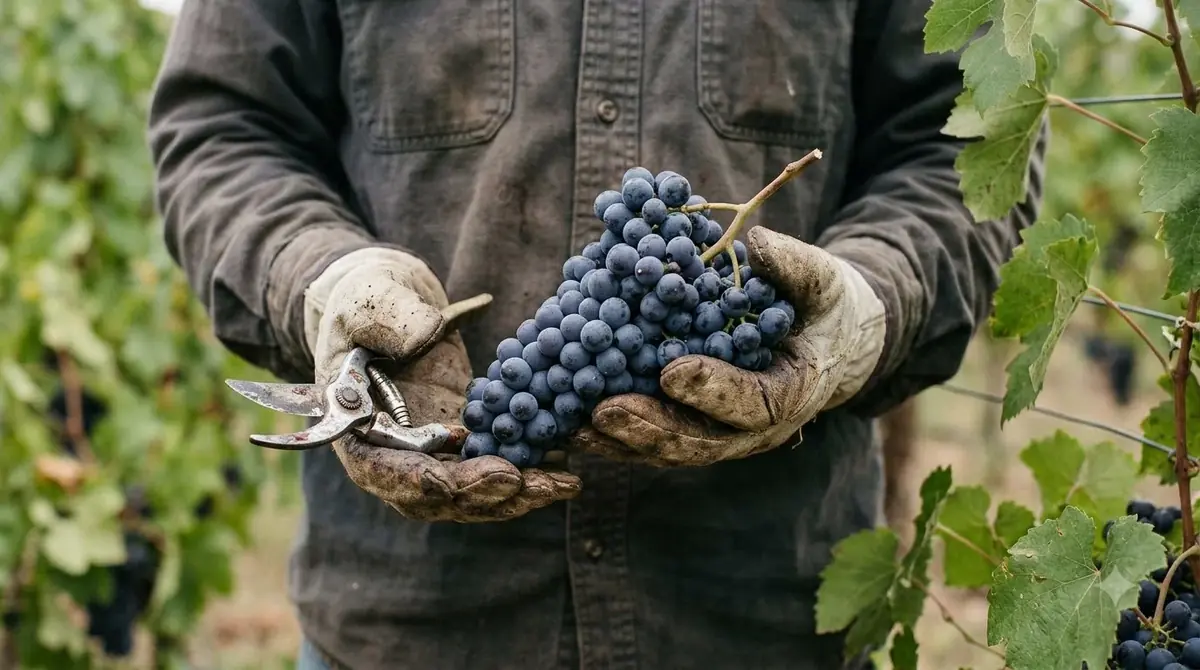
Retail listings illustrate the differences. Total Wine lists a 750 ml bottle at $7.99, while Meijer’s product page displays a regular price of $12.99 alongside a temporary promotional listing. Utah’s state-controlled retail schedule lists a current price of $12.99 and a subsequent scheduled price of $14.99 for the same bottle size. These examples support an approximate nationwide shopping budget of $8 to $15, rather than a universal fixed price. Prices vary by state and retailer.
| Buying consideration | Typical finding | Why it matters |
|---|---|---|
| Standard bottle size | 750 ml | Provides a consistent basis for comparing retailers. |
| Lower observed retail listing | About $8 | Total Wine provides an example of the lower end. |
| Higher observed retail listing | About $15 | Utah’s scheduled retail listing illustrates the upper end. |
| Wine category | California red blend | Helps identify comparable bottles. |
| Grape blend | Petite Sirah and Pinot Noir | Provides context for its fruit and tannin profile. |
| Flavor profile | Black cherry, raspberry, caramel, chocolate | Helps determine whether the style suits your preferences. |
| Body and tannins | Medium body, medium tannins | Indicates a relatively approachable red wine. |
These price examples come from different markets and retailers, not a controlled comparison of identical store conditions. Total Wine’s listed price is its displayed retail figure, while Meijer and Utah provide separate pricing examples. The differences demonstrate why consumers should distinguish between an ordinary shelf price and a temporary promotional offer.
State alcohol regulations
Some states have different systems for alcohol distribution and retail pricing. Utah, for example, publishes an official retail schedule through its Department of Alcoholic Beverage Services. Its listed Apothic Crush price provides a useful example of how a state-controlled pricing system can differ from the prices displayed by private retailers elsewhere.
Taxes, transportation expenses, distributor arrangements, and local operating costs can also affect what a shopper sees. Two stores in different states may therefore charge noticeably different amounts for the same wine without either price being unusual for its market.
Retailer promotions and stock
Promotional pricing can create additional variation. A supermarket may advertise a temporary reduction, while a wine specialist maintains its regular shelf price. Availability also matters: a retailer that carries only a limited selection may not offer the same purchasing conditions as a larger store with regular wine inventory.
For an accurate comparison, use the regular listed price, confirm that the bottle is 750 ml, and compare local availability. A low advertised figure is less useful if the product cannot be purchased in your area.
Step-by-Step: How to Find a Fair Apothic Crush Price
Finding a reasonable price does not require extensive research. A few consistent comparison steps can help shoppers identify an appropriate local price and avoid confusing promotional offers with normal retail pricing.
-
Start with the standard bottle size.
Look for the 750 ml Apothic Crush Red Blend. This is the standard format listed by Total Wine and Meijer. Comparing different bottle sizes without adjusting for volume can produce misleading conclusions about value.
-
Check the official product description.
Visit the official Apothic Crush product page to confirm that the product is the intended soft red blend. Its description identifies black cherry, raspberry, caramel, and milk chocolate as characteristic notes.
-
Compare at least two retailers.
Look at a wine specialist and a supermarket or regional grocery retailer. Total Wine and Meijer provide useful examples of different retail environments, although local inventory and pricing can vary.
-
Separate regular prices from promotions.
Record the ordinary shelf price before considering any temporary reduction. A promotional figure may only apply for a limited period, a particular store, or a qualifying purchase.
-
Check the state and local market.
Compare prices from retailers operating in your state rather than assuming that a listing from another part of the country will be available locally. State alcohol rules and taxes can affect the final amount.
-
Confirm the bottle and product identity.
Make sure the listing says Apothic Crush, not Apothic Red, Apothic Dark, or another wine in the range. These are separate products, even though they share the Apothic name.
-
Make the decision based on style as well as cost.
Consider whether the blend’s medium body, berry flavors, and chocolate-like aromas suit your taste. A low shelf price is only meaningful if you actually enjoy the wine.
This process also helps prevent confusion between Apothic Crush and other similarly named bottles. For a closer look at the wine itself, the Apothic Crush overview provides a useful starting point for understanding its character and general positioning.
Tip: Use approximately $8 to $15 as a starting shopping budget for a 750 ml bottle, then compare regular local retail listings. Do not assume that a promotional price from another state represents the normal price in your area.
Types and Styles Explained: What Are You Paying For?
Apothic Crush is a California red blend rather than a single-varietal wine. Its combination of Petite Sirah and Pinot Noir gives it a different identity from a conventional Cabernet Sauvignon or a straightforward Pinot Noir, while its soft, fruit-centered presentation helps explain its broad retail appeal.
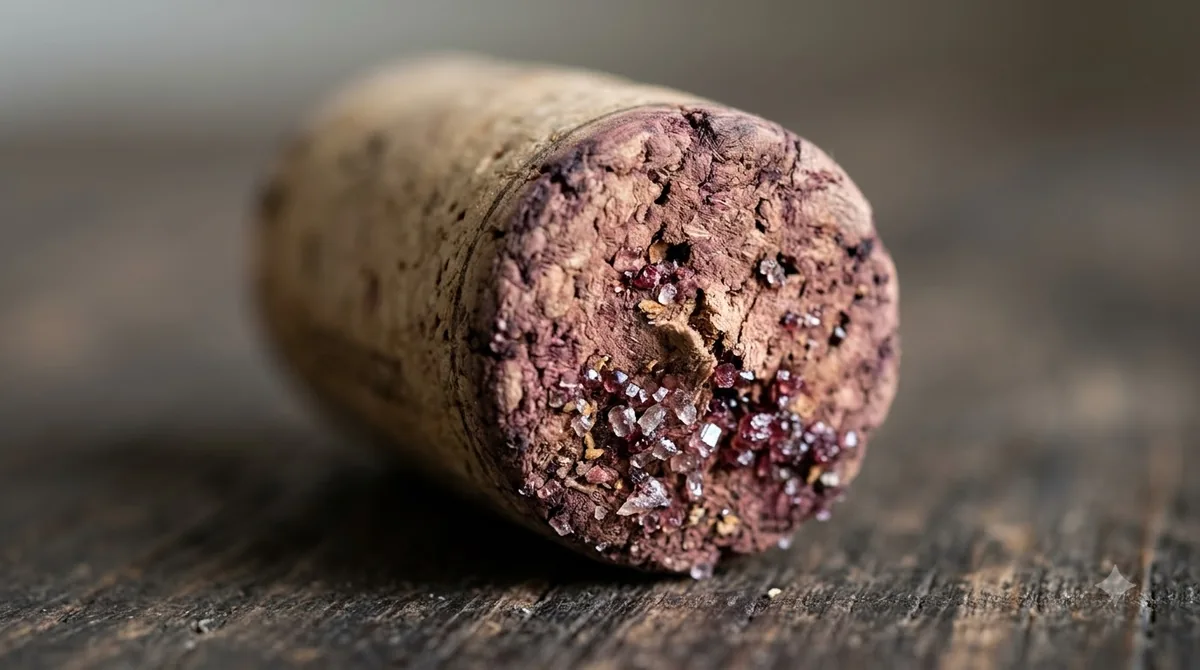
Petite Sirah and Pinot Noir
Total Wine identifies Petite Sirah and Pinot Noir as the grapes in its listed Apothic Crush blend. These varieties have different traditional characteristics, creating an interesting contrast within a blended wine.
Petite Sirah is generally associated with deeper color, concentrated dark fruit, and substantial tannin. Pinot Noir is typically lighter in body, with red-fruit characteristics and comparatively softer tannins. Blending different varieties allows winemakers to combine qualities rather than relying on one grape’s profile alone.
The finished wine is presented as a medium-bodied red with medium tannins, according to Meijer’s product description. This is an important distinction for shoppers who want fruit intensity without the particularly firm mouthfeel associated with some heavily structured reds.
Fruit-forward characteristics
Black cherry and raspberry are central to the wine’s advertised flavor profile. Meijer also identifies ripe berries and raspberry jam, suggesting a ripe, generous fruit character rather than a strongly tart or savory style.
Caramel and chocolate provide another layer. The official Apothic description specifically mentions milk chocolate, while Total Wine highlights caramel and chocolate in its product details. These notes help give the wine a richer aromatic impression.
For someone choosing a red wine primarily for its fruit and smooth texture, this combination can be more appealing than a leaner, more acidic wine. However, consumers who prefer subtle fruit, earthy complexity, or pronounced acidity may want to compare other styles before buying.
Sweetness and perceived richness
There is an important difference between a wine tasting fruity and a wine containing substantial residual sugar. Apothic’s descriptions emphasize ripe fruit, caramel, and chocolate, but those tasting notes alone do not establish an exact residual-sugar measurement.
Likewise, a smooth texture does not automatically mean that a wine is sweet. Fruit ripeness, acidity, alcohol, tannins, and the wine’s overall balance all influence how sweetness is perceived. Shoppers looking for a specifically sweet red should not rely solely on dessert-like aromas when making their choice.
Apothic Crush is best approached as a fruit-forward, smooth red blend rather than classified by an unverified sweetness figure. Anyone comparing its style with other bottles can also explore the wider selection of wine brands to understand how different producers position their red blends.
Common Mistakes When Comparing Apothic Crush Prices
The biggest buying mistakes involve comparing the wrong bottle, relying on temporary promotions, and assuming that all Apothic wines have the same composition or retail positioning. A little attention to product identity and bottle size prevents most of these problems.
Confusing Apothic Crush with Apothic Red
Apothic offers several different red wines. Apothic Red and Apothic Crush are not interchangeable names, and their product descriptions identify different wine profiles. A retailer’s brand page may display multiple Apothic products together, making it easy to click the wrong listing.
Check the full product name before comparing prices. If a listing only says Apothic Red Blend without identifying Crush, verify the product details before treating its price as a direct comparison.
Using a promotional price as the normal benchmark
Temporary reductions can make a bottle appear considerably less expensive than its usual shelf price. Meijer’s listing, for example, displays a promotional amount alongside a separate regular price. This distinction matters because the lower figure may not remain available after the promotion ends.
Use regular retail prices when establishing a longer-term shopping budget. Promotions can be considered separately, but they should not be treated as permanent market values.
Ignoring regional pricing differences
A price displayed by a California retailer does not necessarily represent what a shopper will pay in Illinois, Utah, or another state. Local alcohol regulations, retailer policies, and distribution arrangements all contribute to geographic variation.
Utah’s official price schedule illustrates this point particularly well. Its listed Apothic Crush price differs from the displayed price at Total Wine, demonstrating why local comparisons are more useful than relying on one national estimate.
Assuming all red blends taste alike
Red blend is a broad category, not a specific flavor profile. A bottle dominated by Cabernet Sauvignon may have considerably firmer tannins than a blend designed around softer fruit characteristics. Other blends can emphasize Syrah, Merlot, Zinfandel, or different combinations.
Apothic Crush’s identified Petite Sirah and Pinot Noir combination gives shoppers a more useful indication of its style than the general red-blend label alone. Its medium-bodied presentation and berry, caramel, and chocolate notes are the more relevant considerations when deciding whether the bottle is suitable.
Buying based on price alone
A bottle that costs less than another option is not automatically better value. Consider the occasion, preferred body, fruit intensity, and the foods you intend to serve. A wine that suits your preferences is a more sensible purchase than one selected solely because it has the lowest shelf price.
For shoppers comparing the wine’s strength as well as its retail positioning, the separate Apothic Crush alcohol content discussion provides additional information about that buying consideration.
Care, Serving, and Storage Tips
Proper serving and storage help preserve the wine’s intended fruit character and smooth texture. Apothic Crush is a red blend, so modestly cool serving conditions and sensible storage practices are more useful than treating it like a heavily structured wine that needs extensive decanting.
Serving temperature
Although Meijer’s product description suggests room-temperature serving, modern indoor temperatures can be warmer than ideal for many red wines. A practical serving range for a medium-bodied red is approximately 55 to 60 degrees Fahrenheit.
If the bottle has been stored in a warm kitchen or cupboard, placing it in the refrigerator briefly before serving can help bring the temperature down. Avoid serving it excessively cold, however, because low temperatures can mute its fruit aromas and make its texture seem firmer.
Choosing the right glass
A standard red wine glass with a reasonably wide bowl is sufficient. There is no need to purchase specialized glassware to enjoy a bottle in this price category.
A typical wine pour is 5 ounces, meaning a 750 ml bottle provides approximately five standard glasses. For a small dinner with two people, that format can provide several pours without requiring a larger bottle.
Food pairing
Apothic specifically recommends aged cheeses and fruit-forward desserts such as cherry cobbler. These suggestions make sense alongside the wine’s dark berry, caramel, and chocolate character.
Grilled meats can also work well with medium-bodied red blends. The protein and savory flavors provide a counterpoint to the wine’s ripe fruit, while the fat in a dish can soften the perception of tannin.
For a dessert pairing, aim for a dish that is not substantially sweeter than the wine. A very sugary dessert can make a red wine taste more acidic or less fruity by comparison. Cherry cobbler and moderately sweet chocolate desserts are more natural directions than extremely sweet confectionery.
For additional meal ideas, the Apothic Crush food pairing guide can help match the wine with different dishes and occasions.
Storing an opened bottle
After opening, reseal the bottle and keep it in the refrigerator. Most still wines retain reasonable quality for approximately three to five days when properly refrigerated, although the precise result depends on exposure to oxygen, storage conditions, and the wine itself.
For an unopened bottle, choose a cool, dark location away from direct sunlight, heat sources, and repeated temperature changes. Long-term wine storage is generally best near 55 degrees Fahrenheit, with bottles stored on their sides when using traditional cork closures.
Apothic Crush is generally a straightforward drinking choice rather than a wine that needs years of cellaring. Buying a bottle for an upcoming meal or casual occasion is a more practical approach than purchasing it with the expectation of extended aging.
Frequently Asked Questions
Is Apothic Crush available in half bottles or larger formats?
The retailer listings reviewed for this guide identify Apothic Crush in a standard 750 ml format. Availability of other bottle sizes should be confirmed with individual retailers rather than assumed from the standard listing. The 750 ml bottle is the most useful reference point for ordinary price comparisons.
How many calories are in a bottle of Apothic Crush?
The product pages reviewed here do not establish a verified calorie total for an entire bottle. Nutritional information can depend on the specific product formulation and serving size. Consult the current product labeling or manufacturer information for a reliable figure.
Does Apothic Crush have a vintage year?
Retail listings identify Apothic Crush as a California red blend without consistently specifying a particular vintage. The wine’s availability and bottling details may differ between retailers. A vintage should not be assumed unless it is explicitly identified on the individual bottle or product listing.
Can Apothic Crush be used for cooking?
A fruit-forward red blend can be used in certain recipes, including some tomato-based sauces and braised dishes. Its berry and caramel characteristics may influence the finished flavor, so it is better suited to recipes that can accommodate a richer red wine profile. For delicate sauces, a drier and less fruit-forward wine may be a better choice.
Should Apothic Crush be decanted before serving?
Decanting is not generally necessary for this approachable medium-bodied red blend. Opening the bottle shortly before serving is usually sufficient for a casual meal. A brief period in the glass can allow its black cherry, raspberry, caramel, and chocolate aromas to become more apparent.
Apothic Crush offers a recognizable fruit-forward California red blend at an accessible mainstream retail level. Budget approximately $8 to $15 for a standard 750 ml bottle, while remembering that local pricing and availability vary by retailer and state. If its medium body, berry flavors, and smooth chocolate-like character appeal to your preferences, comparing a few local listings is a sensible way to find a bottle that fits your budget.
More in Wine Brands
 Underwood Wine Price: Compare Bottles, Cans, and Pack SizesUpdated Nov 21, 2026
 Zenato Wine Price: Compare Styles and Choose the Right BottleUpdated Nov 21, 2026
 Zuccardi Wine Price: Compare Bottles and Find the Right RangeUpdated Nov 21, 2026
 Yellow Tail Moscato Review: Taste, Sweetness and Serving TipsUpdated Nov 21, 2026
 Wolf Blass Yellow Label Review: Choose Your Best StyleUpdated Nov 21, 2026
 Wolffer Estate Rose Review: Choose the Right Bottle for Your TableUpdated Nov 21, 2026