

We may earn a commission when you buy through links on this page, at no extra cost to you. Learn more.
The best apothic crush food pairing choices are rich savory dishes, salty cheeses, and fruit desserts that are not sweeter than the wine. Apothic Crush is a soft red blend with notes of black cherry, raspberry, caramel, and milk chocolate, so it works best with food that has some fat and salt to soften the tannins any red carries. Sweet dishes are the main pitfall, because a dessert that outsweetens the glass leaves the wine tasting flat. Serve it slightly cool, and the fruit stays clearer alongside the food.
Apothic Crush is an easy bottle to bring to a casual dinner, and that ease is why so many people ask what to serve with it. The honest answer is that the bottle is flexible, but it has clear limits. Its fruit and caramel notes, along with its soft structure, work with some foods and fight others. This guide covers the logic first, then the dish types that work best, then the serving details that help the wine show its best side. For more brand-focused reading, the Wine Brands hub collects related guides.
Why Apothic Crush Works With Many Dishes
The flavors on the label explain most of the food matches. Apothic’s own description points to a clear set of aromas and flavors that you can match on the plate.
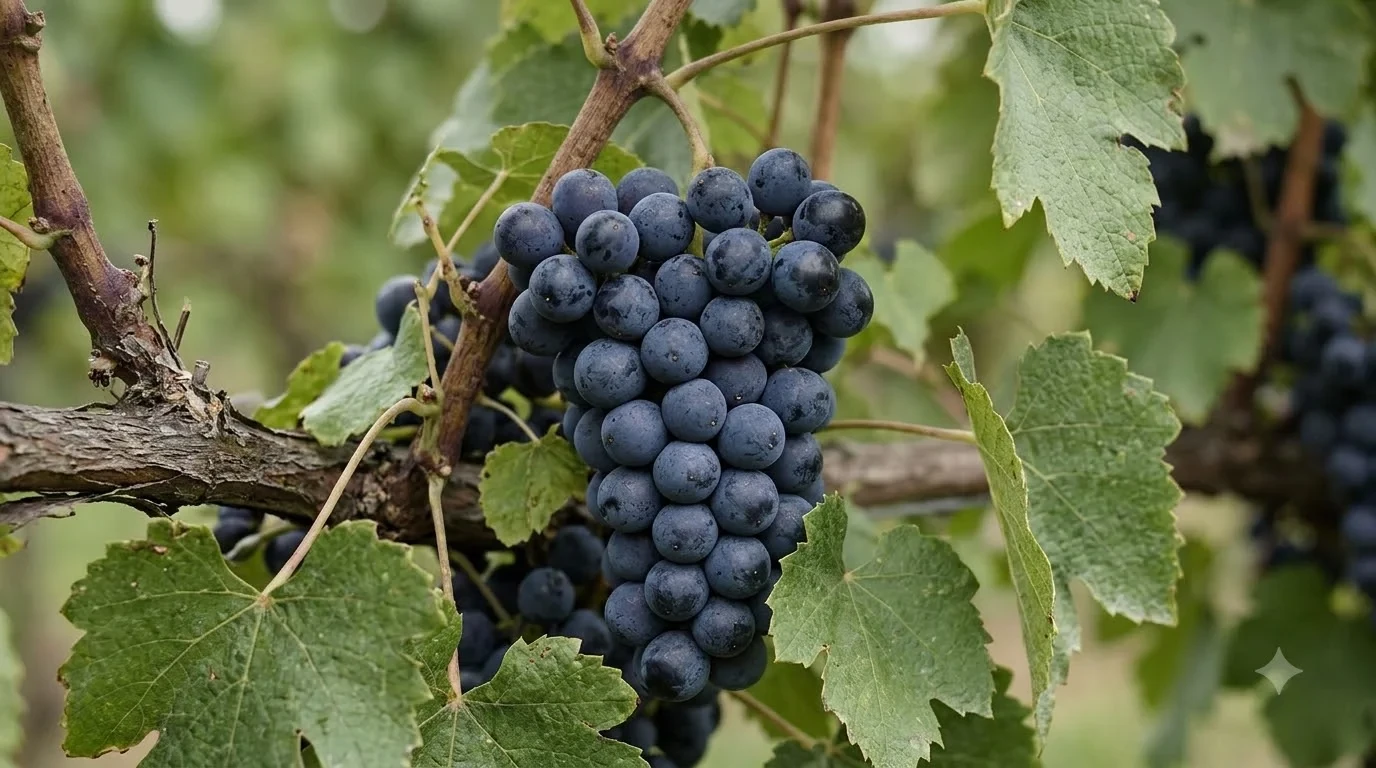
The producer describes Crush as a soft blend with dark black fruit such as black cherry and raspberry. It also lists aromas of caramel and milk chocolate. Those three groups do most of the work at the table. The fruit lets the wine sit beside fruit-based dishes, the caramel and chocolate notes suit roasted and grilled flavors, and the soft structure means it does not need a heavy plate to hold its own. Apothic Wines is based in Modesto, California, and the bottle reads as a relaxed, everyday red rather than a formal special-occasion pour.
Two pairing frameworks help turn those notes into choices. In Karen MacNeil’s ten rules of food and wine pairing for Decanter, the first decision is whether you want to mirror a flavor or set up a contrast. Mirroring means matching like with like, such as fruit with fruit. Contrast means setting one flavor against another, such as salt against sweetness. Crush works with both approaches, but mirroring is the safer choice when you are pairing for the first time.
Sweetness Comes First When You Choose a Dish
Sweetness is the first thing to check. If the food is sweeter than the wine, the wine will usually taste thin, sour, or bitter, and no side dish will fully fix that.
Wine Folly’s general rule is that the wine should be sweeter than the food it accompanies. When a wine is less sweet than the dish, it tends to taste bitter and tart, which is why Port is the classic partner for dessert. The rule holds for every bottle, whatever its exact sugar level, so the habit to build is checking the dish’s sweetness before you open anything. Sugar sits in sauces, glazes, and frostings as well as in the cake or pie itself, so a savory-looking dish with a sweet glaze can still tip the balance.
MacNeil describes the same problem from the dessert side. She warns against “sweet on sweet” and explains that a dessert sweeter than its wine makes the wine taste dull and blank, because the dessert’s sugar overwhelms what the wine has to offer. Her practical advice is to choose a dessert that is not too sweet and pair it with a wine that has a little more sugar.
A quick test helps. Before you serve a full plate, take a sip of the wine, then a bite of the dessert, then another sip. If the wine suddenly tastes flat, sour, or harsh, the dessert is outsweetening the glass. Adjust the sugar in the sauce or pick a less sweet dessert, and the balance usually comes back.
Desserts That Suit a Soft Red Blend
Fruit desserts with moderate sugar are the most reliable choices. Apothic itself points to fruit-forward desserts, and cherry cobbler is the example it names.
The producer’s product page lists fruit-forward desserts such as cherry cobbler as a pairing for Crush. Cherry shares a flavor family with the wine’s black cherry notes, so the match mirrors the fruit. Keep the sugar in check, though. A cobbler with a tart filling and a lightly sweetened topping sits comfortably beside the wine, while a version loaded with sugar can outsweeten it. Berry galettes and plum tarts made with modest sugar follow the same logic.
MacNeil’s preferred dessert pairing is a not-too-sweet fruit or nut tart with a sweeter wine. For Crush, that points toward a simple apple or pear tart with light sugar, or a pecan tart where the toasted nuts echo the wine’s caramel aromas. Those desserts keep the sugar on the plate close to the level of the wine, which gives the pairing room to work.
Chocolate needs more care. The milk chocolate aromas in the wine make chocolate desserts look like an obvious choice, but a dense, sugary chocolate cake can flatten the glass. A dark, less sweet chocolate dessert, or a small square of chocolate alongside fresh fruit, brings the wine’s chocolate note forward without tipping the balance.
Savory Dishes With Fat, Salt, and Umami
Savory dishes are the most flexible matches for Crush. Grilled meat, roast pork with fruit, and dishes built on mushrooms all give the wine something to work with.
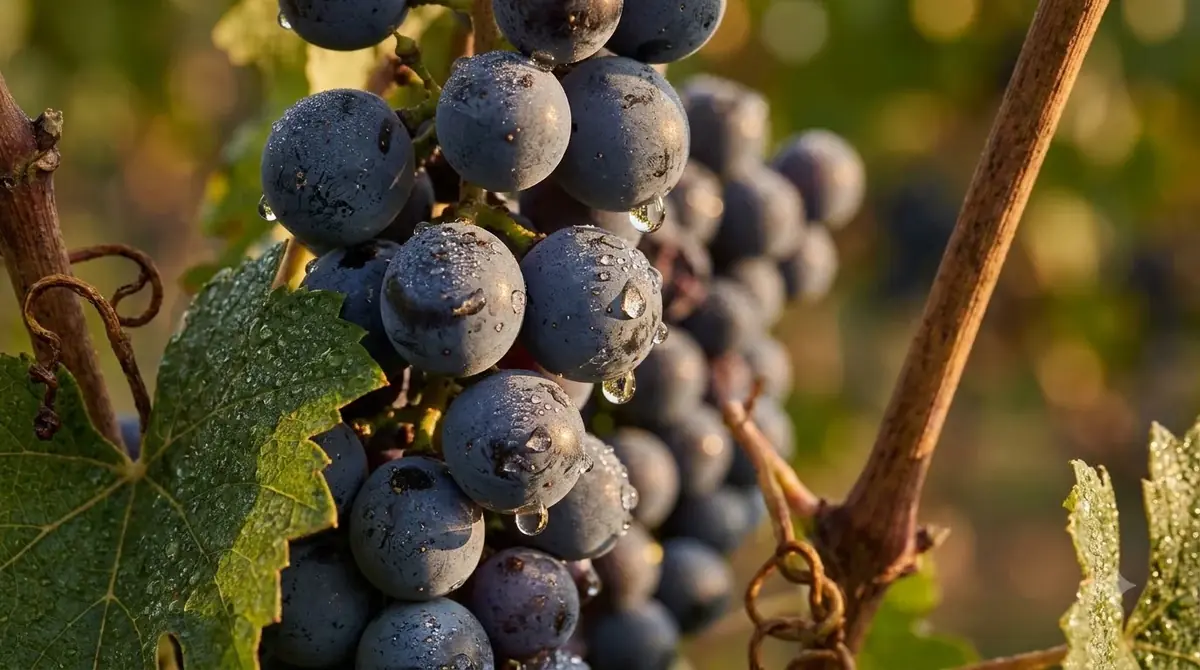
MacNeil’s rule for high-fat food says a rich dish calls for a wine with equal structure, and the meat’s fat softens the impact of the wine’s tannin. Her example is a powerful Cabernet Sauvignon with grilled steak. Crush is a softer style than that Cabernet, so it suits lighter cuts or simply cooked steak, such as a grilled sirloin with salt and pepper. The fat keeps the fruit in balance and gives the wine a smooth finish.
Fruit-driven dishes are a second group. MacNeil lists pork with sautéed apples, roasted chicken with apricot glaze, and duck with figs as examples of food that pairs well with fruit-forward wines. Crush’s black cherry and raspberry notes fit those plates. A pork chop with a cherry sauce or a roast chicken with a fruit glaze gives the wine a flavor it already knows, while the meat’s fat keeps the pairing balanced.
Umami adds depth. MacNeil notes that grilled mushrooms on steak give the combination even more punch. The same idea works with Crush: a mushroom ragu over polenta, or grilled portobellos served alongside a burger, adds savory notes that echo the wine’s caramel finish. If you also keep Apothic’s other red in the cabinet, the guide to apothic red food pairing covers dishes that suit that brand’s other bottle, which helps when you are choosing between wines for a crowd.
Cheese and Charcuterie Boards
Aged cheese is a dependable match for Crush, and a salty board turns the pairing into a contrast that lets the fruit stand out.
Apothic lists aged cheeses as a pairing for Crush on its product page. Aged cheeses carry concentrated savory and salty flavors, which contrast with the wine’s fruit and caramel notes. A sharp aged cheddar, an aged Gouda, or a hard Italian cheese gives the wine something to push against. Serve several cheeses rather than a single wedge, so the wine and cheese keep changing with each bite.
MacNeil describes saltiness as a stunningly delicious contrast to sweetness, and salt works the same way on a board. Salty cured meats such as prosciutto or salami make the wine taste fresher and more fruit-driven, because the salt quiets the sweetness on the palate. Keep the sugar on the board modest. A few fresh cherries or a small spoon of fig jam works well, but a sugar-heavy spread can outsweeten the glass.
Build the board in the right order. Start with the savory items, then add the fruit and nuts, and save any sweet pastry or chocolate for the end of the meal. Nuts add crunch and echo the wine’s caramel aromas, and a small bowl of olives adds salt for contrast without any sweetness at all.
Spicy, Smoky, and Barbecue Dishes
Heat and smoke need a wine that is not dry and high in alcohol. A soft, fruit-forward red handles mild spice more gracefully than a dry, tannic one.
Chili heat is amplified by alcohol and tannin, so a big, dry red can make a spicy dish feel hotter. For a soft red blend like Crush, mild spice is usually manageable, and the wine’s fruit sits comfortably beside it. With very hot dishes, such as a fiery curry or a chili with several peppers, choose a sweeter bottle, because the sugar in the wine helps calm the burn. Serving the wine cool also keeps the alcohol from feeling sharp against the spice.
Barbecue is mainly about the sauce. A sweet, tangy barbecue sauce needs a wine with some sweetness, so Crush fits well with sauces built on cherry, molasses, or tomato. Pork ribs glazed with a fruit-forward sauce echo the wine’s cherry notes, and brisket with a lighter, smoky rub lets the caramel and chocolate notes come through. If you want to explore bolder fruit-driven reds for the grill, the 7 deadly zins food pairing guide covers that style.
Some foods still clash. Wine Folly advises pairing a high-tannin wine with foods that have fat, umami, and salt for balance, and it warns that bitter foods multiply bitter notes in a tannic red. Green beans with a big Cabernet Sauvignon are the example it gives. Oily fish also tends to clash with tannic reds, so keep salmon or mackerel on the white or sparkling side of the table and let Crush stay with the grill and the roast.
Serving Temperature, Pour Size, and Storage
Serve Crush slightly cool, pour about five ounces per glass, and finish the bottle within three to five days of opening. These three habits do more for the pairing than most people expect.
| Wine style | Serving temperature | Fridge life after opening |
|---|---|---|
| Sparkling | 40 to 50°F | 1 to 3 days |
| Light reds | 55 to 60°F | 3 to 5 days |
| Full reds | 60 to 65°F | 3 to 5 days |
Most wine guides place light reds at 55 to 60°F and full reds at 60 to 65°F. A soft blend like Crush is a good candidate for the cooler end of the red range. Serving it around 55 to 60°F keeps the fruit clear, while a glass at room temperature can taste broad and heavy. A short stay in the refrigerator before serving is usually enough to get there.
Pour about five ounces per glass. A standard 750 ml bottle gives roughly five pours, which covers a small dinner for four with one glass left over. Measuring the pour also keeps the wine from crowding out the flavors of the food.
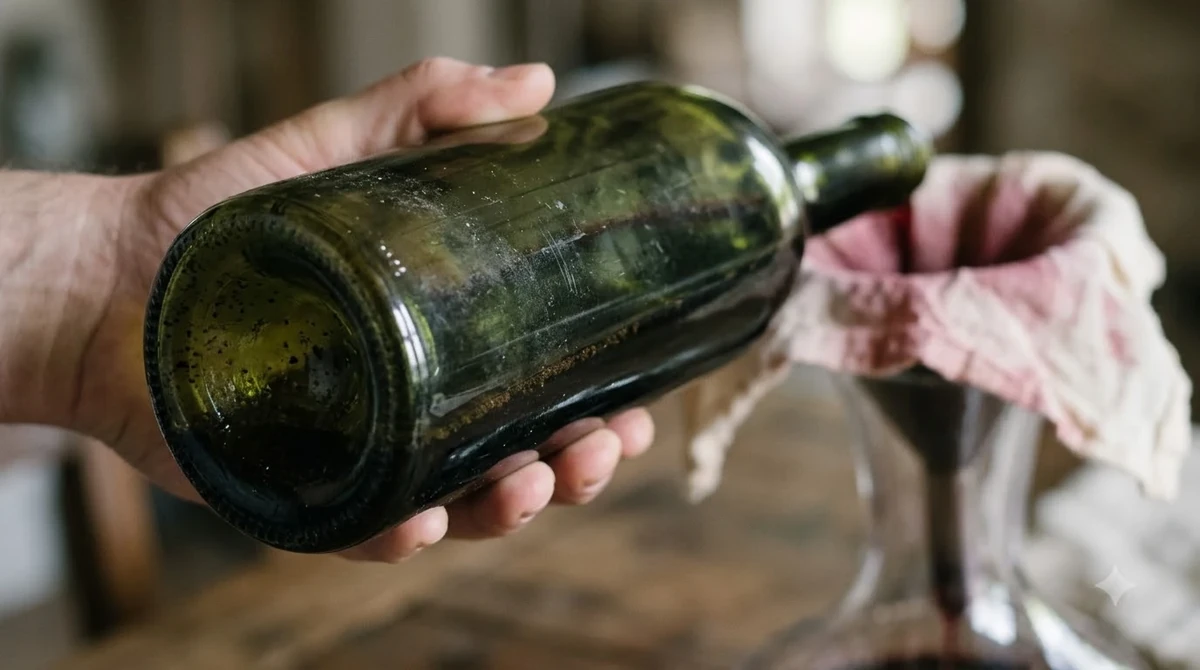
Storage matters after the cork is out. Still reds keep for about three to five days in the refrigerator, and sparkling wine lasts only one to three days. Store unopened bottles on their side in a cool, dark place near 55°F. If you want to know how strong the bottle is before planning a menu around it, the apothic crush alcohol content guide covers that.
Tip: Taste the wine with the dish before you serve. Take a sip, then a bite, then another sip. If the wine suddenly tastes thin, bitter, or sour, adjust the sauce or the sweetness on the plate before you pour more.
Frequently Asked Questions
Does Apothic Crush go with pizza?
It can, but the sauce usually decides the match more than the crust does. Wine Folly’s rule of thumb is that a wine should be more tart than the food it accompanies, so a very acidic tomato sauce can leave a soft red tasting flat. A cheese or mushroom pizza with a milder sauce is the safer pick, and pepperoni works when the fat from the meat is doing most of the work.
Is Apothic Crush a table wine?
Apothic’s website describes the bottle as a California table wine. That label points to a blended, everyday style rather than a single-vineyard bottle. It also suggests that simple, versatile dinners will show the wine off better than a formal tasting menu.
What is a classic salty and sweet pairing?
The best-known example is Stilton cheese with Port, which Karen MacNeil cites as a classic European custom. The salty, crumbly cheese sets off the sweetness of the wine, and the contrast feels lively rather than heavy. For Crush, a salty aged cheese such as Parmigiano-Reggiano works in the same spirit, although its savory salt is gentler than that of blue-veined Stilton.
Should I decant Apothic Crush before serving?
Decanting is rarely essential for a soft blend, but young, full-bodied reds often benefit from 30 to 60 minutes in a decanter. Air helps soften firm tannins and can open up aromas, which matters more for bold styles than for easy-drinking ones. If you are unsure, pour a glass straight away and let the bottle breathe while you cook.
Is Apothic Crush good for a casual night at home?
Apothic’s own description calls the bottle ideal for a night in with friends, which fits its easy, fruit-led character. For a relaxed evening, a cheese board, a grilled burger with mushrooms, and a simple fruit tart cover most of the course list. Pour about five ounces per glass so the bottle stretches across the table.
Start with the sweetness check, then build the meal around fat, salt, and fruit, and let dessert follow the same rule. Crush is forgiving, and a little planning turns good matches into obvious ones. Keep the bottle cool, pour thoughtfully, and taste as you go.
More in Wine Brands
 Underwood Wine Price: Compare Bottles, Cans, and Pack SizesUpdated Nov 21, 2026
 Zenato Wine Price: Compare Styles and Choose the Right BottleUpdated Nov 21, 2026
 Zuccardi Wine Price: Compare Bottles and Find the Right RangeUpdated Nov 21, 2026
 Yellow Tail Moscato Review: Taste, Sweetness and Serving TipsUpdated Nov 21, 2026
 Wolf Blass Yellow Label Review: Choose Your Best StyleUpdated Nov 21, 2026
 Wolffer Estate Rose Review: Choose the Right Bottle for Your TableUpdated Nov 21, 2026