

We may earn a commission when you buy through links on this page, at no extra cost to you. Learn more.
The apothic dark wine price typically falls around $9 to $17 for a 750 ml bottle at US retailers, depending on the store, location, and availability. Apothic Dark is a California red blend known for dark fruit flavors, chocolate and coffee notes, and a smooth finish. It occupies an accessible everyday-wine category, making it an option for casual dinners, gatherings, and people who enjoy bold, fruit-forward reds.
Apothic Dark stands apart from many basic red blends because its flavor profile emphasizes blueberry, blackberry, plum, and darker dessert-like notes. However, its price is not fixed across the country. Retailer pricing, local alcohol taxes, shipping restrictions, and bottle availability can all affect what shoppers pay. This guide explains the typical US retail range, what influences the cost, what to expect from the wine, and how to decide whether it deserves a place in your shopping basket.
Who Should Consider Apothic Dark at This Price?
Apothic Dark is a sensible choice for shoppers looking for a bold California red blend without moving into premium-priced wine territory. Its dark-fruit character and smooth presentation make it particularly appealing to people who enjoy approachable reds with noticeable fruit and chocolate-like accents.

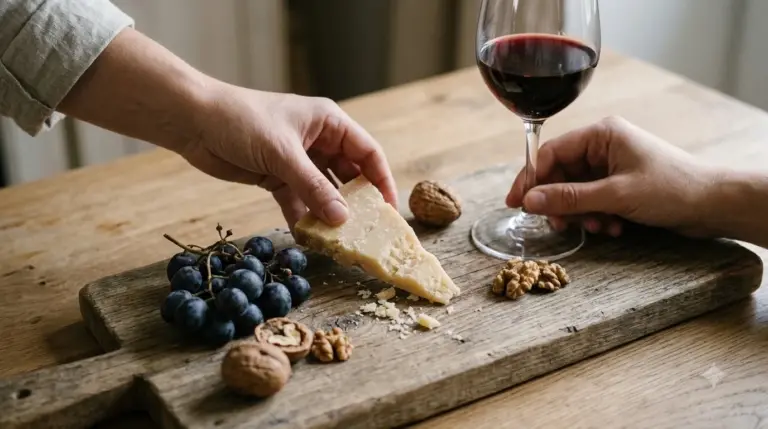
The wine is especially suitable for casual entertaining. Its familiar flavors of blackberry, plum, and chocolate can appeal to drinkers who prefer generous fruit over strongly earthy, herbal, or aggressively tannic wines. The official Apothic product description also highlights grilled meats, aged cheeses, and spiced desserts as suitable food matches.
At the typical $9 to $17 retail range, it makes more sense as an everyday or informal gathering wine than as a bottle purchased primarily for cellar aging or a prestigious occasion. A shopper can enjoy the familiar style without paying for a highly specialized vineyard designation or an elaborate production story.
What kind of shopper benefits most?
- Casual red wine drinkers: People who enjoy ripe blackberry, blueberry, plum, and chocolate characteristics.
- Hosts planning a gathering: The accessible price range makes it easier to purchase several bottles for a dinner or informal celebration.
- Fans of fruit-forward blends: Drinkers who prefer a smooth impression rather than a strongly austere or heavily tannic red.
- Shoppers exploring Apothic: People who want to compare the darker profile with the brand’s original red blend.
It may be less suitable for someone seeking a delicate Pinot Noir, a highly acidic red, or a structured Cabernet Sauvignon with pronounced tannins. Those styles offer different drinking experiences. Apothic Dark is more about generous dark-fruit character and a rounded impression than subtle vineyard expression.
Anyone comparing the broader Wine Brands category should also consider how much flavor intensity, sweetness perception, and structure they prefer. A lower bottle price does not automatically mean a better match for an individual palate.
Apothic Dark Wine Price and Key Factors to Compare
A typical US retail budget of approximately $9 to $17 for a 750 ml bottle is a practical starting point for Apothic Dark. Retail listings from Target, Kroger, and Wine Anthology show why shoppers should compare the actual bottle size, retailer, and product listing rather than assume every store charges the same amount.
| Comparison factor | Typical information | Why it matters |
|---|---|---|
| Typical bottle price | About $9–$17 | Useful US retail shopping budget |
| Standard bottle size | 750 ml | Approximately five 5 oz servings |
| Wine category | California red blend | Combines characteristics from different grapes |
| Alcohol content | Approximately 13.5%–13.9% ABV in retailer listings | Helps establish the wine’s alcohol strength |
| Fruit profile | Blackberry, blueberry, plum, black cherry | Defines the dark-fruit character |
| Additional flavors | Coffee, chocolate, lightly roasted oak | Adds depth beyond straightforward fruit |
| Food pairings | Grilled meats, aged cheese, spiced desserts | Useful for planning meals and gatherings |
How the US retail range is established
Retail listings provide a useful snapshot of the market. Target lists Apothic Dark in a 750 ml bottle, while Kroger also identifies the same standard bottle format. Wine Anthology provides another retailer comparison, including a listed regular price and a separate promotional price. Together, these examples support using approximately $9 to $17 as a practical shopping range rather than expecting one universal price.
These are observed retailer listings, not a guaranteed nationwide price schedule. Prices vary by state and retailer, and local taxes, shipping charges, inventory, and promotional activity can affect the final amount. A bottle available at one grocery chain may not be stocked at another store in the same region.
Why the same bottle can cost different amounts
Several factors explain retail differences. First, stores operate under different purchasing arrangements and local pricing conditions. Second, state alcohol regulations and distribution systems can affect availability and retail costs. Third, a store may have a temporary promotional price that is not available elsewhere.
Vintage and product-description differences can also complicate comparisons. Some retailers identify a specific vintage, while others simply list Apothic Dark as non-vintage. Shoppers should compare the actual wine listing and bottle format before treating two advertised prices as equivalent.
For a reliable comparison, use the following approach:
- Compare 750 ml bottles rather than mixing standard bottles with larger formats.
- Compare the same Apothic Dark product rather than another Apothic blend.
- Separate the advertised bottle price from shipping and local taxes.
- Check whether a displayed amount is a standard retail listing or a temporary promotion.
Tip: Set a shopping budget of approximately $9 to $17 for a standard bottle, then compare two or three local retailers. A slightly higher shelf price may be reasonable if it avoids substantial delivery charges or an inconvenient purchase.
Step-by-Step: How to Shop for Apothic Dark
Finding a suitable bottle does not require complicated wine knowledge. A few simple checks can help shoppers distinguish a reasonable retail listing from an unnecessarily expensive purchase.

- Identify the correct wine. Look for Apothic Dark, the California red blend, rather than Apothic Red, Apothic Crush, or Apothic Inferno. These are different wines with different flavor descriptions.
- Confirm the bottle size. The standard bottle is 750 ml. This is approximately five traditional 5 oz wine servings, making it a useful format for a small dinner or two people sharing wine over a meal.
- Establish your budget. Use approximately $9 to $17 as a practical US retail comparison range. Prices outside that range deserve closer examination, particularly if the listing includes shipping or a different product format.
- Compare local retailers. Check grocery stores, dedicated wine shops, and established online retailers. A local store may offer a more convenient purchase even if its listed bottle price is slightly higher.
- Review the product details. Confirm that the description includes dark-fruit characteristics and that the listing identifies a California red blend. Avoid confusing a similarly named Apothic wine with the Dark blend.
- Consider the alcohol content. Retailer listings report approximately 13.5% to 13.9% ABV. The difference between published listings is a reason to verify the specific bottle rather than assume every listing provides identical technical information.
- Plan the food pairing. Think about grilled meat, aged cheese, or a chocolate-based dessert. Choosing the food first can help determine whether this bold red style fits the occasion.
- Choose the most convenient seller. Compare the total purchase cost, store availability, and applicable delivery arrangements before completing the purchase.
For additional product information, the official Apothic Dark product description provides the producer’s description of its flavor profile and recommended food pairings. This is useful for confirming that the bottle matches the style you want.
How much should you buy?
A standard 750 ml bottle provides approximately five 5 oz pours. That means two bottles provide around ten traditional servings, while three bottles provide approximately fifteen. These quantities are useful for basic dinner planning, although actual pours may differ according to glass size and serving preferences.
For a meal involving several guests, it is also sensible to consider whether everyone prefers red wine. A mixed selection of red and white wines may be more appropriate than buying multiple bottles of one blend. The goal is to match the wine selection to the meal and the preferences of the people attending.
Apothic Dark Wine Styles and Flavor Explained
Apothic Dark is a bold California red blend with an emphasis on dark fruit, chocolate, coffee, and oak-related aromas. Its flavor profile distinguishes it from the brand’s original red blend and gives shoppers a clearer idea of what to expect before buying.
Dark fruit character
Blackberry, blueberry, plum, and black cherry are central to the descriptions found in retailer listings. These flavors help explain the wine’s rich, fruit-forward identity. Rather than presenting the lighter red-fruit character associated with some delicate red wines, Apothic Dark emphasizes darker fruit impressions.
Fruit-forward does not necessarily mean that a wine is technically sweet. A wine can smell or taste strongly of ripe fruit while still being made in a dry style. The perception of sweetness can also be influenced by fruit ripeness, alcohol, acidity, and the wine’s overall balance.
Chocolate, coffee, and oak notes
Coffee and dark chocolate add another dimension to Apothic Dark. These notes can make the wine feel richer and more suitable for meals featuring grilled foods or desserts with cocoa characteristics. The producer also identifies lightly roasted oak aromas in its product description.
These characteristics are especially relevant for shoppers who enjoy reds that offer more than simple berry flavors. Someone who regularly drinks lighter Pinot Noir or crisp white wine may find Apothic Dark comparatively fuller and more concentrated in its flavor presentation.
How it differs from other Apothic wines
The brand offers several blends, but they are not interchangeable. Apothic Red is the original blend and is described through blackberry, cherry, and vanilla notes. Apothic Dark emphasizes darker fruit, chocolate, and coffee.
Apothic Crush takes a different direction, with black cherry, raspberry, and caramel characteristics. Apothic Inferno is described through dark fruit, oak, and spice. These distinctions make it easier to choose a bottle according to flavor preference instead of selecting whichever Apothic label happens to be available.
For shoppers who want a closer look at the original blend, the Apothic Red wine profile provides a useful comparison. The darker blend is a more natural starting point for people who favor coffee and chocolate accents, while the original blend offers a different combination of fruit and vanilla characteristics.
Understanding the alcohol percentage
Retailer information places Apothic Dark at approximately 13.5% to 13.9% ABV. Wine Anthology reports 13.5%, while Target and Kroger list 13.9%. This is a difference between published retailer specifications, not evidence that every bottle contains precisely the same stated percentage.
Alcohol content is useful when comparing wines because it can influence the overall impression of warmth and body. Apothic Dark sits within a familiar range for many California red blends, making its alcohol specification an important comparison point for shoppers who are choosing among different bottles.
Readers interested in the technical details can also consult the Apothic Dark wine alcohol content information to understand how ABV is expressed and how the published figures compare.
Common Mistakes When Comparing Apothic Dark Prices
The most common shopping mistakes involve comparing different bottle formats, confusing Apothic wines, and overlooking the difference between regular retail listings and promotional pricing. Avoiding these errors makes the price comparison more meaningful.
Confusing Apothic Dark with Apothic Red
Apothic Dark and Apothic Red belong to the same brand portfolio, but their flavor descriptions are different. Dark emphasizes blueberry, blackberry, chocolate, coffee, and plum, while the original Red blend is described through blackberry, cherry, and vanilla.
They should therefore be treated as separate purchasing choices. Someone specifically looking for the dark-fruit and coffee profile may not find that a different Apothic label provides the same experience.
Comparing different bottle sizes
A standard 750 ml bottle should not be directly compared with a larger format using only the advertised bottle amount. A larger bottle will generally have a higher total purchase price, but the amount per milliliter may differ.
For a meaningful comparison, calculate the price per 750 ml equivalent. This gives shoppers a consistent basis for evaluating different formats without assuming that a larger bottle automatically represents better value.
Treating a promotional price as the normal price
A retailer may show a promotional amount beside a regular listed amount. These figures represent different pricing conditions. A shopper who assumes the lower amount will always be available may be disappointed when the promotion ends or the product becomes unavailable.
Compare the ordinary listed range across several retailers before deciding whether a particular price is reasonable. This is especially important when shopping online, where shipping and taxes may substantially change the final amount.
Assuming all retailers report identical ABV
Retailer specifications for Apothic Dark are not entirely consistent. Wine Anthology reports 13.5% ABV, whereas Target and Kroger report 13.9%. The published information should be treated as retailer-specific product data rather than combined into one falsely precise figure.
This distinction is also useful when comparing wine descriptions. Product pages may contain different levels of technical detail, and a missing specification does not necessarily mean the wine is a different product.
Expecting a premium cellar wine at an everyday price
Apothic Dark is positioned as an accessible, fruit-forward California blend. Its appeal lies in its approachable flavor profile and everyday price category rather than a claim that it is a collectible bottle intended for extended aging.
Shoppers who want a wine for a casual dinner or informal gathering should assess it on those terms. People looking for a more structured red with a particular vineyard origin, grape composition, or aging potential may prefer to compare other wine categories.
Serving and Storage Tips for Apothic Dark
Proper serving temperature and storage can make a noticeable difference to the drinking experience. Apothic Dark benefits from a slightly cool serving temperature rather than being served excessively warm in a heated room.
Choose an appropriate serving temperature
A practical serving range for light red wines is 55 to 60 degrees Fahrenheit, while fuller-bodied reds are generally served around 60 to 65 degrees Fahrenheit. Apothic Dark’s bold red-blend presentation makes the latter range a reasonable starting point.
If the bottle has been stored in a warm kitchen or room, allowing it to cool slightly before serving can help preserve the wine’s fruit character. Excessive warmth can make alcohol feel more prominent and reduce the impression of freshness.
Use a suitable glass and pour
A standard 5 oz pour is a useful reference for a 750 ml bottle, which provides approximately five glasses. A glass with a reasonably wide bowl allows the wine’s aromas to collect and makes swirling easier.
There is no requirement to use specialized glassware to enjoy Apothic Dark. A clean standard red wine glass is sufficient for a casual dinner. Pouring moderate servings also gives the wine room to release its aromas without filling the glass to the rim.
Decanting and opening the bottle
Young, full-bodied red wines can benefit from 30 to 60 minutes of decanting, although it is not necessary for every bottle. Apothic Dark can be poured directly into glasses for everyday occasions. If the wine initially seems closed or overly concentrated, a short period of air exposure may help its aromas become more noticeable.
There is no need to treat decanting as a mandatory step. For a casual meal, opening the bottle and allowing it to breathe while food is prepared is a straightforward approach.
Storing unopened bottles
For longer storage, keep wine bottles in a cool, dark place near 55 degrees Fahrenheit, away from strong temperature fluctuations and direct sunlight. Bottles with traditional cork closures are generally stored on their sides to help keep the cork from drying out.
Apothic Dark is best approached as an accessible drinking wine rather than a bottle that requires a dedicated long-term cellar. Consistent storage conditions matter more than buying expensive equipment for a wine intended to be enjoyed relatively soon.
Keeping opened wine fresh
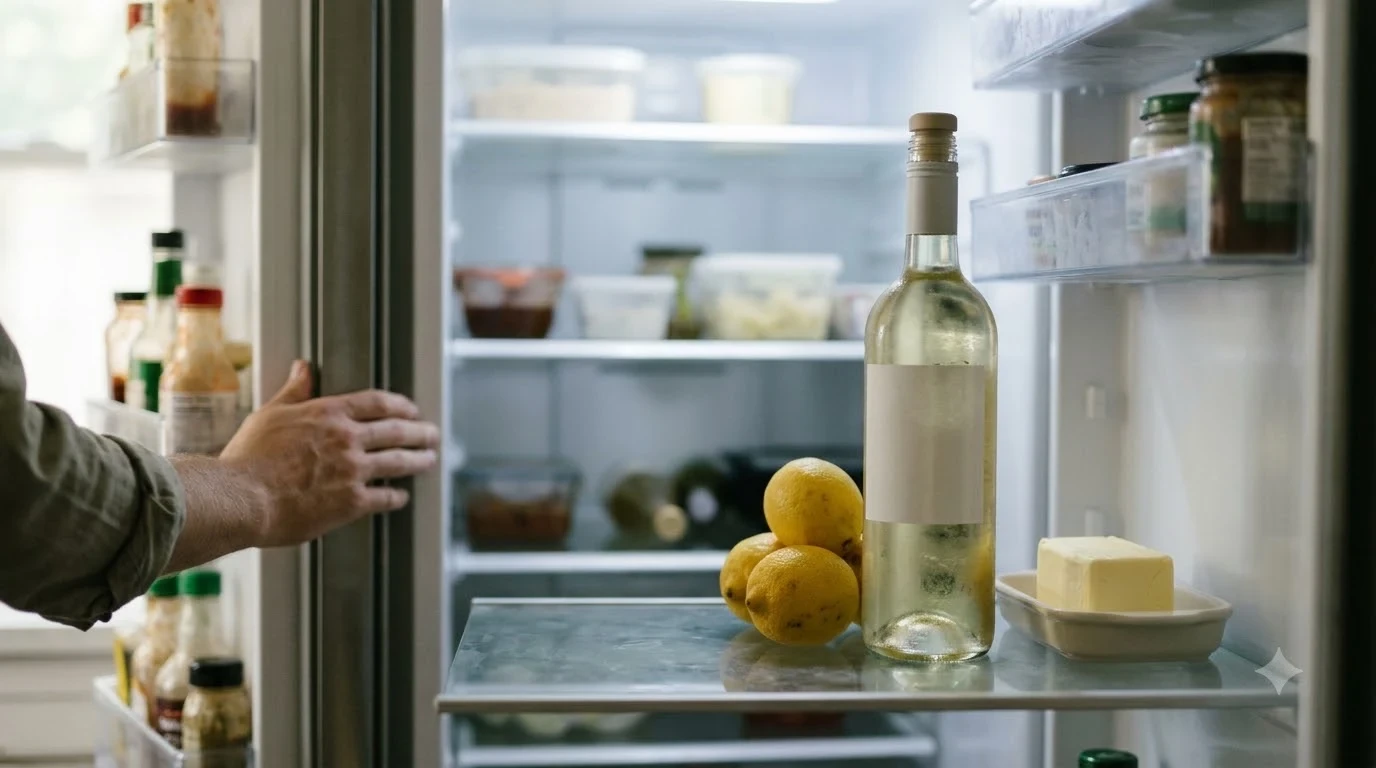
After opening, reseal the bottle and keep it in the refrigerator. Most opened still wines retain their best qualities for approximately three to five days, although the precise period depends on oxygen exposure, temperature, and the condition of the wine.
Before serving the remaining wine, allow it to warm slightly if it has been refrigerated. This simple step can help restore its aromatic expression and make the wine more enjoyable at the table.
Frequently Asked Questions
Is Apothic Dark the same wine as Apothic Black?
Some retailer descriptions use Apothic Black as an alternative reference when discussing Apothic Dark. The established product name used on the official producer website is Apothic Dark. For shopping purposes, the producer’s product name and the bottle identification are the clearest ways to confirm the wine.
Does Apothic Dark have a vintage date?
Wine Anthology identifies its Apothic Dark listing as non-vintage, meaning the listing does not specify a single harvest year. Retailers may also carry individual vintage-designated listings, so the product description can differ between sellers. This distinction is useful when comparing bottles with different listing information.
Who makes Apothic Dark?
Apothic is the wine brand behind Apothic Dark. The official Apothic website identifies its wines as California table wines and provides a dedicated product page for the Dark blend. Retailer product listings also identify Apothic as the producer or manufacturer.
Can Apothic Dark be used for cooking?
Yes, a fruit-forward red blend can be used in suitable savory recipes, particularly sauces for beef or other grilled meats. Its dark-fruit and coffee-like characteristics may work in preparations that benefit from a richer red wine flavor. Use a wine that you would also be comfortable serving at the table rather than choosing a bottle solely because it is inexpensive.
Is Apothic Dark suitable as a gift for someone who likes red blends?
It can be a practical casual gift for someone who enjoys California red blends and fruit-forward wine styles. Its dark-fruit, chocolate, and coffee descriptions provide a recognizable flavor direction. For a formal wine gift or someone who collects particular vintages, a more specifically sourced or age-worthy wine may be a better fit.
For most US shoppers, approximately $9 to $17 is a useful budget for a standard 750 ml bottle of Apothic Dark, although individual retailers and local conditions can change the final cost. Its dark fruit, coffee, and chocolate characteristics make it an approachable choice for casual meals and gatherings. Compare bottle sizes and retailer listings, then choose the option that best matches your budget and preferred red wine style.
More in Wine Brands
 Apothic Brew Price: Typical Bottle Costs, Value and Buying TipsUpdated Nov 21, 2026
 Andre Spumante Price: What to Expect Before You BuyUpdated Nov 21, 2026
 Apothic Crush Price: What to Expect Before You BuyUpdated Nov 21, 2026
 Apothic Brew Review: Flavor, Food Pairings, and Buying TipsUpdated Nov 21, 2026
 Antinori Wine Review: Choose the Right Italian Wine for Your TableUpdated Nov 21, 2026
 Albert Bichot Wine Review: How to Choose the Right BurgundyUpdated Nov 21, 2026