

We may earn a commission when you buy through links on this page, at no extra cost to you. Learn more.
The saint emilion wine region produces some of Bordeaux’s best-known Merlot-led red wines, with Cabernet Franc and Cabernet Sauvignon adding freshness, structure, and ageability. Located on Bordeaux’s Right Bank, Saint-Émilion is not one uniform vineyard: limestone around the village, clay-rich slopes, and gravelly lowlands can produce notably different styles. Understanding the place, grapes, and label terms makes it easier to choose a bottle that suits your palate and the meal.
Saint-Émilion combines a long winegrowing history with a wide range of producers and styles. A bottle may be supple and fruit-forward in its youth or firm, layered, and built for years in the cellar. The name tells you where the grapes come from; finer clues include the classification, vineyard site, blend, vintage, and producer.
Where Saint-Émilion Sits on Bordeaux’s Right Bank
Saint-Émilion lies in the Libournais, east of the Dordogne River and within Bordeaux’s Right Bank. Its appellation is centered on the historic town and extends across nearby village territories, including Saint-Christophe-des-Bardes, Saint-Étienne-de-Lisse, and Saint-Laurent-des-Combes.
The appellation d’origine contrôlée (AOC) boundary is more precise than the general idea of Saint-Émilion wine country. French rules name nine commune territories for the production area, with Libourne included only within a defined part of its territory. The UNESCO-listed Jurisdiction of Saint-Émilion is a separate cultural landscape, not a map of the wine appellation. Nearby places can share the historic landscape without sharing the exact same appellation name.
On the wider Bordeaux map, Saint-Émilion is usually discussed alongside Pomerol as a leading Right Bank appellation. Bordeaux’s Left Bank includes places such as Pauillac, Margaux, and Saint-Julien. Cabernet Sauvignon often takes a larger role in gravel-rich Left Bank blends, while Merlot is more prominent on the clay and limestone soils of Saint-Émilion. For a clear explanation of the two river banks and their place names, Wine Enthusiast’s Right Bank and Left Bank overview provides useful geographic context.
The region’s winemaking history reaches back to Roman times and expanded during the Middle Ages. Its position on a pilgrimage route to Santiago de Compostela helped support settlements and religious buildings, leaving churches, monasteries, and historic architecture among the surrounding vineyards.
Limestone Plateau, Clay Slopes, and Gravel Plain Shape the Wines
Saint-Émilion’s range of styles begins with its varied soils. The limestone plateau around the town, the clay-limestone slopes known as côtes, and the lower gravel and sandy areas each influence how vines receive water and how grapes ripen.
The limestone plateau is one of the region’s signature sites. Its bedrock is a fossil-rich limestone known locally as calcaire à astéries, with relatively thin topsoil in many places; Decanter describes some plateau topsoil as no more than 50 centimeters deep. Porous limestone can absorb excess water during wet spells and release it gradually in drier periods. Wines from these sites can show freshness, fine tannins, and measured fruit rather than sheer weight.
The slopes around the plateau have a deeper mix of clay and limestone, while the plain toward the Dordogne includes gravel, sandy gravel, and siliceous clay. Clay holds more water than the thin plateau soils; gravelly parcels tend to drain and warm differently. South- and southeast-facing slopes can receive favorable sunlight, and the mix of soils gives growers several ways to balance ripeness, freshness, and structure. A gravelly parcel is not automatically superior or inferior to a limestone one: site, vine care, harvest choices, and cellar work all matter.
The climate is temperate and oceanic, with rainfall spread through the year and warm, dry summers. The regional growers’ body gives an average annual temperature of 12.8°C, while Decanter reports roughly 800–900 millimeters of yearly rainfall and a maximum elevation of about 100 meters. Decanter’s soil profile of Saint-Émilion notes that selected top limestone wines may need seven to eight years in bottle and that some can age for more than 30 years. Because rainfall and temperature vary by vintage, soil drainage and water storage are important in shaping the final wine.
| Site or climate measure | Reported figure | What it helps explain |
|---|---|---|
| Annual average temperature | 12.8°C | Moderate oceanic growing conditions |
| Annual rainfall | About 800–900 mm | Why water management and drainage matter |
| Maximum elevation | About 100 m | A landscape of low hills and gentle slopes |
| Some plateau topsoil | As little as 50 cm | Roots reach limestone relatively quickly |
| Ageing potential of selected top limestone wines | Often 7–8 years before opening; some 30+ years | How long the strongest examples may evolve |
Merlot, Cabernet Franc, and Cabernet Sauvignon Build the Blend
Merlot is the leading grape in Saint-Émilion, with Cabernet Franc usually the second major variety and Cabernet Sauvignon contributing in smaller amounts. The blend responds to the region’s different soils and ripening conditions; it is not one fixed recipe shared by every château.
Merlot brings color, body, and a rounded texture, often with plum, cherry, raspberry, blackberry, and other red or dark fruit flavors. It tends to show a supple character on cooler, clay-rich soils, while ripe fruit can make the wine broader and more generous. Oak aging may add vanilla, toast, cedar, or baking spice. Cabernet Franc supplies aromatic lift, freshness, and a firmer line of tannin. The Saint-Émilion winegrowers’ body notes that it accounts for almost a third of the region’s vines and ripens roughly two weeks after Merlot.
Cabernet Franc is particularly at home on limestone and warmer sandy or gravelly soils. Cabernet Sauvignon is later ripening and suits warm, dry parcels, including gravel and well-exposed clay-limestone sites; it contributes deeper tannin, spice, and structure for aging. The regional body places it at about one-tenth of production. Malbec, also known locally as Cot or Pressac, Petit Verdot, and Carmenère are much less common. Proportions vary with each estate’s vineyard holdings, vintage, and intended style. One producer may lean toward Merlot for a plush profile; another may use more Cabernet Franc for freshness and structure. The regional growers’ explanation of Merlot and blending outlines what each principal variety contributes.
Saint-Émilion and Saint-Émilion Grand Cru Labels Signal Different Categories
Saint-Émilion and Saint-Émilion Grand Cru are related but distinct appellation designations. Both identify red wines from the same general production area, while Grand Cru has additional production and aging requirements; the term should not be confused with an estate’s classification. Its specification requires aging at least until February 1 of the second year after harvest, with consumer release no earlier than May 15 of that second year.
The words “Grand Cru” on a label do not automatically mean that the château is among the classified estates. The classification ranks eligible properties in named tiers, including Grand Cru Classé and Premier Grand Cru Classé. The ordinary Saint-Émilion Grand Cru appellation is therefore not the same thing as a château’s classification status. A bottle can say Saint-Émilion Grand Cru without its producer being Grand Cru Classé.
The estate classification is reviewed on a ten-year cycle and is a ranking of properties, not a guarantee that every bottle from a classified château will suit every drinker. Its top tier is Premier Grand Cru Classé, while Grand Cru Classé is the next classified tier. The official regional list includes 14 Premier Grand Cru Classé estates and 71 Grand Cru Classé estates. Château Figeac and Château Pavie carry the “A” distinction within the top tier on that list. These names can help orient a reader, but classification is only one clue alongside vintage, vineyard site, producer style, and storage conditions.
For a first purchase, read the whole front and back label rather than focusing on one grand-sounding phrase. Identify whether it says Saint-Émilion or Saint-Émilion Grand Cru, note any Grand Cru Classé or Premier Grand Cru Classé designation, and look for the château name and vintage. Pomerol has a separate appellation identity even though both areas are associated with Merlot-led Right Bank wines.
What Saint-Émilion Tastes Like and How It Ages
Most Saint-Émilion reds are dry, medium- to full-bodied wines with moderate to firm tannins and a balance of ripe fruit, savory notes, and oak-derived flavors. The exact profile depends on the blend, growing site, vintage, and cellar choices, so tasting for structure is more useful than expecting every bottle to taste alike.
Young, Merlot-forward examples commonly show plum, black cherry, raspberry, or blackberry, sometimes with cocoa or vanilla from oak. Cabernet Franc can add floral aromas, herbs, and a fresher edge, while Cabernet Sauvignon may bring firmer tannins, darker fruit, and peppery or cedar-like detail. With maturity, primary fruit can recede and notes such as dried tobacco, leather, earth, truffle, or underbrush may emerge. Texture offers another clue: a plush, round wine may be enjoyable after a short rest in the glass, while a more structured bottle can feel tight or angular when first opened.
Not every Saint-Émilion needs a long cellar stay. Drink approachable, fruit-led examples while their fruit is expressive, and reserve more structured wines from strong producers and suitable vintages for longer aging. Decanter notes that selected top wines from the limestone plateau can benefit from seven to eight years in bottle and that some continue developing for more than 30 years. That longevity belongs to particular ageworthy examples, not every bottle bearing the appellation name. Vintage matters as well: a warmer, drier season can bring riper fruit and broader body, while a cooler or wetter year may give brighter acidity, lighter weight, or firmer tannins if ripening was difficult.
How to Serve, Pair, and Explore Saint-Émilion
Serve a full-bodied Saint-Émilion red at about 60–65°F, slightly cooler than a warm room. Pour a moderate 5-ounce glass, and let a young, firmly structured bottle breathe for 30–60 minutes if its tannins seem tight. Decanting can help a concentrated young wine open, although a mature bottle may need only careful opening and gentle handling. For a wine with sediment, stand the bottle upright ahead of time and pour slowly, leaving the deposit behind.
Food should match the wine’s body and tannin. Roast beef, grilled lamb, duck breast, and herb-roasted pork all have enough savory flavor and texture to work with Merlot-led Bordeaux. Mushroom dishes, lentils, and aged hard cheeses can suit a less powerful or more mature example. Salt and fat soften the perception of tannin, which is one reason a fatty cut of beef can make a structured red taste more balanced. Avoid pairing a tannic Saint-Émilion with delicate oily fish; the combination can make the wine seem metallic or bitter. Chili heat is also difficult because alcohol and tannin can amplify the sensation of spice.
For a visit, use the town as a base and arrange château appointments in advance; some estates require reservations rather than accepting walk-ins. A focused day might include one tasting that explains the principal grapes, one visit that compares limestone and clay sites, and time in the historic center. Visitors who want a closer look at individual sites can start with our page on Saint-Émilion vineyards, while a visit built around producers and pours is covered in our guide to Saint-Émilion wine tasting. UNESCO recognizes the wider Jurisdiction as a cultural landscape, so the town’s streets, churches, and historic buildings add context beyond the cellar door. For a comparison with a very different French red-wine area, our overview of the Saint-Joseph wine region looks at a Northern Rhône appellation where Syrah is central; our broader Wine Regions resource places both areas on France’s larger wine map.
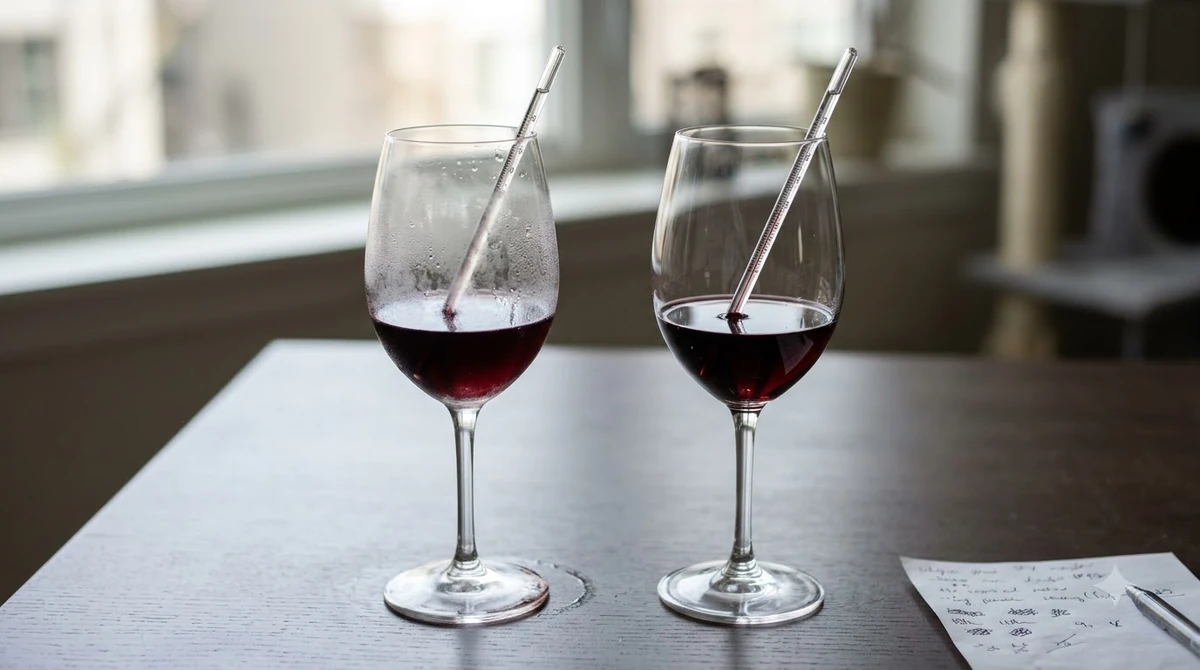
Tip: For a first Saint-Émilion tasting, compare two bottles from the same vintage but different producers. Look for differences in fruit ripeness, tannin, oak, and finish before trying to guess the exact blend or soil type.
Frequently Asked Questions
Is the Saint-Émilion wine region a UNESCO World Heritage Site?
The Jurisdiction of Saint-Émilion was inscribed on UNESCO’s World Heritage List in 1999 as a cultural landscape. The listed property covers 7,847 hectares and includes eight communes, which is a different boundary from the nine-commune Saint-Émilion AOC production area.
How far back does winemaking in Saint-Émilion go?
UNESCO records that the Romans introduced viticulture to this part of Aquitaine and that winegrowing intensified during the Middle Ages. The area’s position on the pilgrimage route to Santiago de Compostela helped support settlement and religious buildings from the 11th century onward, and the Jurisdiction’s special status was granted during English rule in the 12th century.
Which less-common grapes can appear in Saint-Émilion?
The permitted set includes Carmenère, Cot (Malbec), and Petit Verdot alongside the three principal grapes. Petit Verdot is designated as an accessory variety, with a maximum of 10% of vineyard plantings and of the final blend under the appellation specification.
What is the local name for Cabernet Franc?
Cabernet Franc is known locally as Bouchet in Saint-Émilion. The name appears in the appellation’s official specification and is useful to recognize in regional wine literature and conversations with local growers.
Is there a minimum natural alcohol level for Saint-Émilion AOC?
Yes. The appellation specification sets a minimum natural alcohol strength of 11% by volume for the wine. This is a production requirement, not a promise that every finished bottle will have exactly 11% alcohol.
Saint-Émilion rewards attention to place: the same Merlot-led identity can produce wines that are silky, fresh, powerful, or built for long aging depending on soil, vintage, and producer. Start with the label category and the style you enjoy, then compare sites and producers to discover which part of the region suits your palate. A side-by-side tasting from two different sites is an easy next step toward finding the style you prefer.
More in Wine Regions
 Willcox Wine Trail: Discover Arizona’s High-Elevation Wine CountryUpdated Nov 20, 2026
 Yakima Valley Wine Region: Find the Best Styles to TryUpdated Nov 20, 2026
 Vosne Romanee Wine Tasting: Identify Aromas and Choose Better PairingsUpdated Nov 20, 2026
 Yakima Valley Wine Festival: Find the Best Seasonal Wine EventsUpdated Nov 20, 2026
 Wales Vineyards: Discover Cool-Climate Wines and Where to VisitUpdated Nov 20, 2026
 Yountville Wine Festival: Discover Napa Wines and Local FoodUpdated Nov 20, 2026