

We may earn a commission when you buy through links on this page, at no extra cost to you. Learn more.
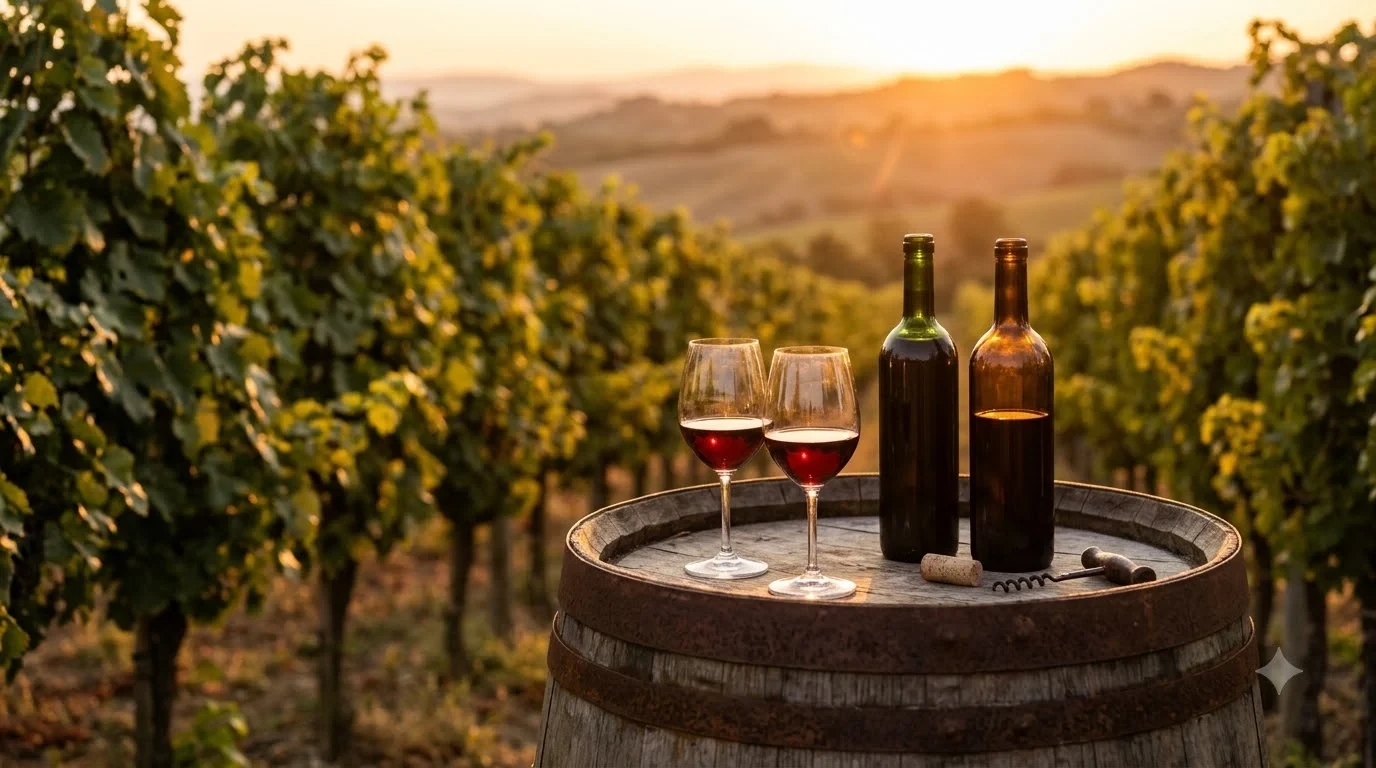
The phrase “saint emilion vineyards” refers to a 5,500-hectare red-wine landscape surrounding the medieval town on Bordeaux’s Right Bank, planted chiefly to Merlot with Cabernet Franc and smaller amounts of Cabernet Sauvignon. Their limestone plateau, clay-limestone slopes, gravel, sand and alluvial soils create different growing conditions and wine styles. Learning where a vineyard sits is one of the best ways to understand the structure, freshness and aging potential in its bottle.
Saint-Émilion is better understood as a patchwork of sites than as one famous vineyard. A short drive can take you from limestone near town to clay-rich slopes, sandy parcels and the flatter land beside the Dordogne. Those differences matter as much as cellar choices.
The appellation covers nine communes on Bordeaux’s Right Bank
Saint-Émilion lies east of the city of Bordeaux, north of the Dordogne River and around a medieval limestone town. The official appellation area covers about 5,500 hectares across nine communes, while the broader historic jurisdiction includes the town and seven surrounding villages.
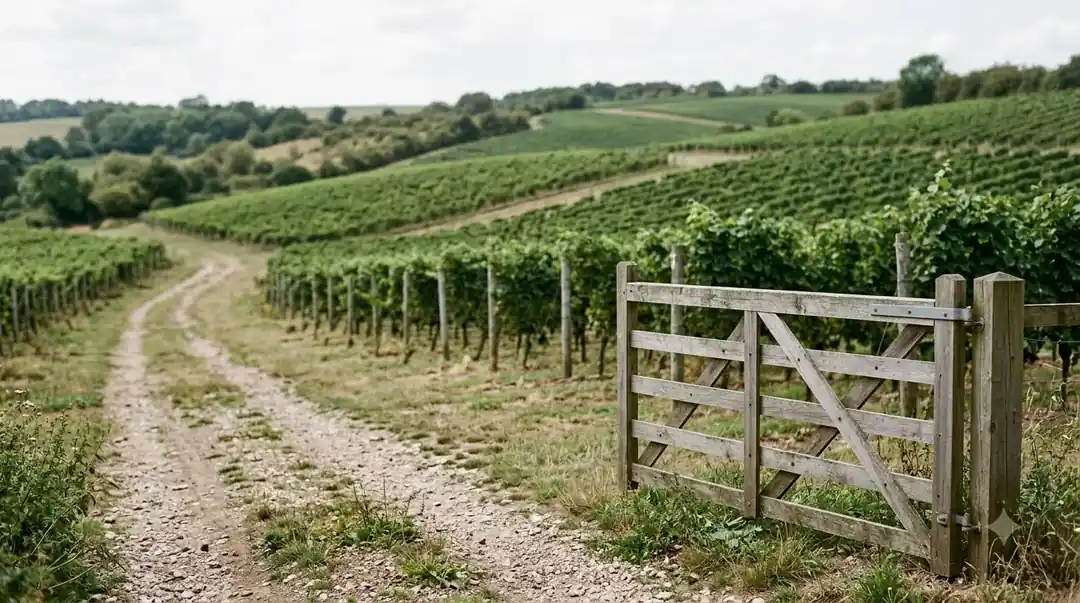
The Institut national de l’origine et de la qualité (INAO) lists Saint-Émilion, Saint-Christophe-des-Bardes, Saint-Étienne-de-Lisse, Saint-Hippolyte, Saint-Laurent-des-Combes, Saint-Pey-d’Armens, Saint-Sulpice-de-Faleyrens, Vignonet and part of Libourne. The vineyards sit north of the Dordogne valley, in terrain shaped by the Dordogne and Isle rivers. A vineyard can be close to the town and still belong to a different appellation.
On Bordeaux’s Right Bank, Merlot leads rather than the Cabernet Sauvignon that dominates many Left Bank blends. Nearby Lussac Saint-Émilion, Puisseguin Saint-Émilion, Montagne Saint-Émilion and Saint-Georges Saint-Émilion are separate satellite appellations, each with its own boundaries. For an overview, see our guide to the Saint-Émilion wine region.
INAO reports around 650 winegrowers and average annual production of approximately 230,000 hectoliters of red wine. That volume includes Saint-Émilion and a portion produced under Saint-Émilion Grand Cru. Many growers farm separate parcels, and an individual château may own vines on more than one soil type, so a producer’s exact location can tell you more than the appellation name alone. See the INAO’s Saint-Émilion appellation profile for the official product and geographical description.
Soil changes across the plateau, slopes and plain
Saint-Émilion’s most important vineyard distinction is its soil mosaic, especially the limestone plateau around town, the clay-limestone slopes and the lower sandy or alluvial ground. The same grape can behave differently across these sites because water retention, drainage and exposure change from parcel to parcel.
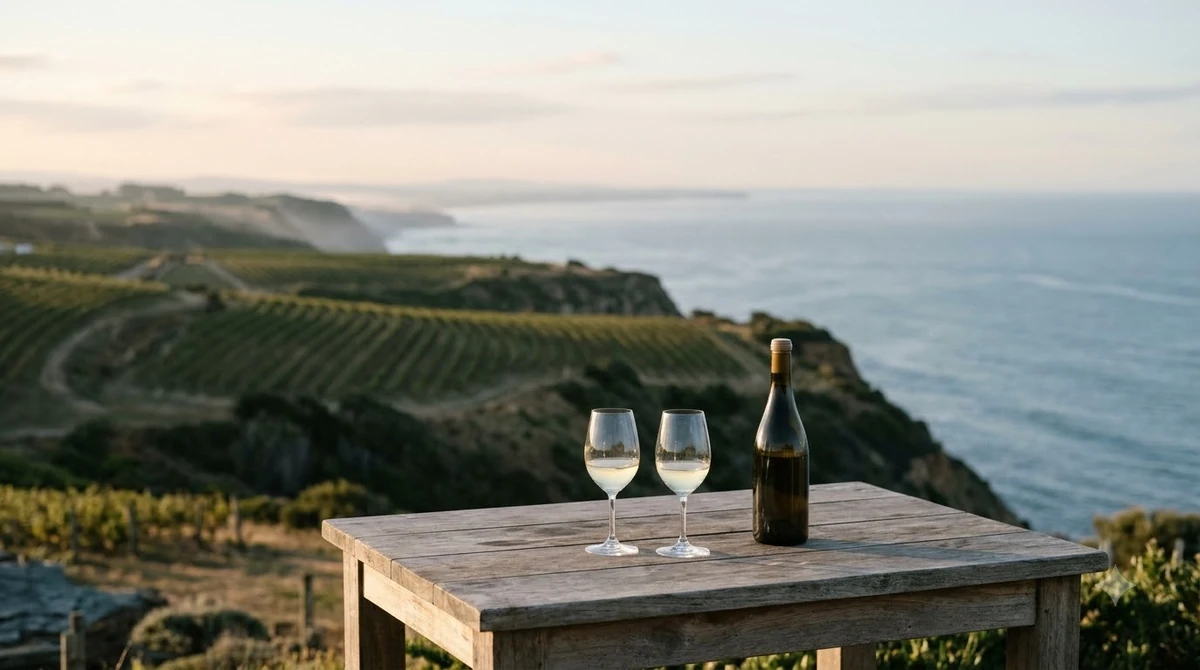
The central plateau is built on astéries limestone, a porous rock formed from marine fossils. Decanter describes topsoil that can be as thin as about 50 centimeters above bedrock. The limestone absorbs excess water in wet periods and releases moisture in dry weather; Merlot and Cabernet Franc both suit this terrain. Plateau wines are often associated with freshness, finesse and fine tannins, and the strongest examples can develop for decades.
Around the plateau, the côtes or hillslopes carry deeper clay-limestone soils over fine-textured clay. They hold more water than the plateau and can support vines through dry spells, while slopes shed excess rain. South- and southeast-facing sites receive useful sunlight. Wines from these areas often have more evident structure and tannin, and producers may blend slope fruit with plateau fruit for balance.
Lower sites are equally varied. Sandy or siliceous soils below town can produce lighter, fruit-driven wines; northwest gravel near Pomerol suits Cabernet Sauvignon, while ancient wind-blown sands often yield more delicate styles. Along the Dordogne plain, fertile alluvial soils can have high water tables and drainage challenges. Decanter’s analysis of Saint-Émilion’s vineyard soils describes six broad zones, but these are not parcel maps: some estates farm several soil types at once.
| Vineyard zone | Typical site character | Ageing reference described by Decanter |
|---|---|---|
| Limestone plateau | Porous astéries limestone; fresh, fine structure | Often 7–8 years before the best show well; top examples can age 30+ years |
| Northeastern footslopes | Cooler clay and loam; Merlot-led, firmer wines | About 5–10 years in suitable hot, dry years |
| Ancient sands | Wind-blown sand; delicate fruit and lighter structure | Often best at about 2–5 years |
| Alluvial Dordogne plain | Fertile, flatter ground; lighter, fruit-driven styles | Many examples are intended for about 2–5 years |
These are broad drinking windows, not expiration dates or rankings. A wine from a less celebrated site can age longer than expected, while a prestigious producer may make a bottle intended for early enjoyment. Treat the ranges as starting points, then consider vintage and cellar approach.
Climate, elevation and water shape each vintage
Saint-Émilion has a temperate oceanic climate, with rainfall spread through the year and meaningful variation from one season to the next. The area is hilly but not mountainous: site exposure and drainage matter, while differences in elevation are modest.
Decanter describes annual rainfall of roughly 800 to 900 millimeters and an average yearly temperature of about 12.8 degrees Celsius in its regional overview. It also notes that the appellation reaches a maximum altitude of around 100 meters. Those figures frame the growing conditions: vines have a moderate season, but wet weather can increase disease pressure and rain around flowering or harvest can complicate quality. Its timing and the soil’s ability to drain or store water matter most.
Rolling relief creates differences in sunlight and water movement. A south- or southeast-facing parcel may warm more quickly than a north-facing site, affecting ripening and harvest decisions. Steeper slopes shed rain more efficiently than flat land but can be harder to work with machinery; water may collect at the foot of a slope. Growers monitor individual blocks rather than treating an estate as one climate zone.
Water availability is central. In a wet year, well-drained gravel or a slope can limit excessive vigor; in a dry summer, clay or porous limestone may protect vines from severe stress. Decanter quotes Bordeaux professor Kees Van Leeuwen emphasizing water regulation over mineral content as a key influence. Soil affects vine growth through physical properties, especially how it manages water, rather than simply imparting a direct “taste” of the rock.
Vintage variation follows from these conditions. A warm, dry season may ripen Merlot early, while a cooler or wetter year can make Cabernet Franc’s freshness more valuable in the blend. Growers adjust picking dates by grape and parcel, sometimes harvesting one estate in several passes. Compare two vintages from the same château to see how weather changes the wine. Our Wine Regions resource explains how geography, weather and local rules fit together.
Merlot leads a three-grape red-wine blend
Merlot leads Saint-Émilion, with Cabernet Franc and smaller amounts of Cabernet Sauvignon as the usual partners. Each variety contributes a different element, allowing growers to balance fruit, freshness, tannin and ripeness across soils and vintages.
INAO describes Merlot as the majority variety and associates it with deep red color, red and black fruit aromas, roundness and silky tannins. It is well suited to many of the region’s clay-rich sites and generally ripens earlier than Cabernet Sauvignon. This earlier ripening can be an advantage when autumn rain threatens, although the timing of maturity varies by parcel and season. Merlot is often the foundation of a Saint-Émilion blend, giving the wine its generous fruit and supple center.
Cabernet Franc brings aromatic finesse, freshness and a more pronounced tannic frame, according to INAO. It suits limestone and certain warmer, well-drained soils. Its herbal, floral and red-fruit notes can define Merlot’s broader plum and black-cherry profile. A meaningful share may make a blend feel more lifted, although site, vine age and picking decisions matter as much as the percentage.
Cabernet Sauvignon is less widely planted than the other two grapes. INAO associates it with spice and powerful tannins. Its later ripening makes warm, dry gravelly or well-exposed plots useful; in a blend, it can add firmness and length but needs sufficient maturity to avoid hard or green flavors.
A grape percentage is only one clue when comparing labels. Merlot from limestone can taste fresh if picked with restraint, while Merlot from warmer, richer ground may show broader fruit and a softer outline. Cabernet Franc can sharpen aroma and shape; Cabernet Sauvignon may add tannic grip. Oak, extraction and maturation can emphasize or soften all these differences.
Vineyard work follows a year-round cycle
Saint-Émilion growers make a series of decisions from winter pruning to autumn harvest, with the aim of producing healthy, evenly ripened fruit in a climate where rain and humidity can be challenging. The work is adjusted to each grape variety, soil and parcel rather than applied identically across every row.
Winter pruning and spring growth
After leaf fall, workers prune dormant vines to shape the canopy for the next season and regulate the number and position of buds. Pruning has long-term consequences: it establishes the vine’s framework, helps maintain balance between vegetative growth and crop, and can influence how easily the canopy is managed later. In spring, budbreak signals the start of a new growing season. Shoots are selected and positioned as they develop, while growers watch for frost risk, uneven growth and early signs of disease.
Canopy care through summer
As shoots lengthen, vineyard teams lift and tuck them into the trellis wires, remove excess shoots when needed and manage leaves around the fruit zone. The aim is enough airflow and light for healthy bunches without exposing grapes to excessive sun or heat. In a damp season, a more open canopy can help reduce the time that moisture remains around clusters. In a hot, dry season, excessive leaf removal can expose fruit to sunburn and rapid dehydration, so the best approach depends on weather and orientation.
Some growers use cover crops between rows to reduce erosion, support soil structure and provide habitat; others cultivate the soil to limit competition. Cover crops can compete with vines for water in dry weather, so the choice depends on soil depth and vine vigor. Sustainable, organic and biodynamic methods are all present, but no single approach describes every estate.
Harvest decisions and selection
Harvest is not one date for the appellation. Merlot, Cabernet Franc and Cabernet Sauvignon ripen at different speeds, and clay, limestone and gravel parcels can mature at different times. Growers sample berries and assess flavor, acidity, seed and skin maturity before picking. Hand harvesting allows bunch selection in the field, while machines can be used where terrain permits; sorting removes damaged or unripe fruit before fermentation.
Tip: When comparing two Saint-Émilion wines, ask whether the grapes came from the same part of the vineyard and whether the harvest was early or late. A limestone plateau parcel and a cool clay slope can ripen differently, even within the same estate, and that difference may explain more than the label’s Grand Cru wording.
Pruning sets the vine’s structure, canopy work shapes airflow and fruit exposure, and harvest timing influences freshness and tannin. The winery cannot fully correct poorly balanced grapes, so careful growers keep records for individual blocks.
Classifications, heritage and vineyard visits
Saint-Émilion’s reputation rests on both winegrowing and a long-lived cultural landscape. The official appellation and quality classification are related but not interchangeable; visitors can also see how vineyards and village life evolved together.
The Saint-Émilion appellation was officially recognized in 1936, according to INAO. The separate Saint-Émilion Grand Cru designation applies to red wines produced under more demanding specifications, while Grand Cru Classé and Premier Grand Cru Classé are classification levels within the Grand Cru category. The word “Grand Cru” on a label does not automatically mean that the estate is classified. For a shopper, that distinction helps avoid treating every wine with Grand Cru wording as having the same status. Classification can be useful context, but it does not replace the producer, vintage, vineyard location or the quality of the individual bottle.
The landscape has cultural value as well. UNESCO added the Jurisdiction of Saint-Émilion to its World Heritage List in 1999 as a cultural landscape shaped by people and nature. It includes the medieval town and seven surrounding villages, with vineyards woven among roads, slopes, woods and buildings. Saint-Émilion Tourism traces vine-growing techniques here back more than 2,000 years.
The history is visible among the vines. The tourism office describes about 80 hectares of underground limestone quarries and nearly 200 kilometers of passages created by centuries of stone extraction. Stone walls built in the 18th century still separate some vineyard plots from roads, showing how building materials and viticulture shaped the landscape together.
A vineyard visit is most informative when it connects the rows to a tasting in the cellar. Arrange a visit ahead, ask which parcels are included and whether the tasting compares soils or blends. Tour formats and languages vary by estate. A guided Saint-Émilion wine tasting can connect landscape to glass: compare a limestone-led wine with one from clay-limestone or gravel, then note differences in aroma, tannin and finish.
Frequently Asked Questions
Are Saint-Émilion vineyards part of the Bordeaux Left Bank?
No. Saint-Émilion is on Bordeaux’s Right Bank, in the Libournais sector that takes its name from the nearby town of Libourne. The Right Bank is known for Merlot-led blends, unlike many Cabernet Sauvignon-led estates on the Left Bank.
What does the term astéries limestone mean?
It refers to fossil-rich limestone formed from marine deposits. The name is linked to fossil sea stars, whose shapes can be found in the rock; the limestone was also quarried as building stone for the historic town.
Do Saint-Émilion vineyards produce white wine?
The Saint-Émilion appellation is reserved for still red wine. Sparkling Crémant de Bordeaux and white Bordeaux wines belong to other appellations, even though they are produced elsewhere in the wider Gironde wine region.
How many winegrowers work in the Saint-Émilion appellation?
INAO reports approximately 650 winegrowers across the Saint-Émilion vineyard. The local growers’ collective has deep roots: Saint-Émilion established France’s first winegrowers’ union in 1884.
When did Saint-Émilion become a UNESCO World Heritage cultural landscape?
The Jurisdiction of Saint-Émilion was inscribed in 1999. Separately, the Dordogne basin joined UNESCO’s World Network of Biosphere Reserves on July 11, 2012, recognizing the river basin’s natural and cultural importance.
Saint-Émilion is easiest to understand when its wines are read through their vineyard sites: limestone, clay, gravel and sand each create a different setting for Merlot and its blending partners. Look beyond the appellation name, compare producers from distinct locations and use a tasting to connect the terrain with the wine’s texture and structure.
More in Wine Regions
 Willcox Wine Trail: Discover Arizona’s High-Elevation Wine CountryUpdated Nov 20, 2026
 Yakima Valley Wine Region: Find the Best Styles to TryUpdated Nov 20, 2026
 Vosne Romanee Wine Tasting: Identify Aromas and Choose Better PairingsUpdated Nov 20, 2026
 Yakima Valley Wine Festival: Find the Best Seasonal Wine EventsUpdated Nov 20, 2026
 Wales Vineyards: Discover Cool-Climate Wines and Where to VisitUpdated Nov 20, 2026
 Yountville Wine Festival: Discover Napa Wines and Local FoodUpdated Nov 20, 2026