

We may earn a commission when you buy through links on this page, at no extra cost to you. Learn more.
The petit verdot grape is a dark-skinned red variety that Bordeaux producers have long used as a small part of their blends. It adds deep color, spice and firm tannin to the finished wine. Wine Folly describes it as a minor blending grape in Bordeaux, although it has also shown promise as a single-variety wine in warmer climates. In the glass, expect black cherry, plum, violet and sage.
This guide explains what the petit verdot grape is, how it tastes, where it is planted and how to serve and choose a bottle. If you have seen the name on a Bordeaux-style label or on a red from a hot wine region, it will help you know what to expect before you open it.
What the petit verdot grape is
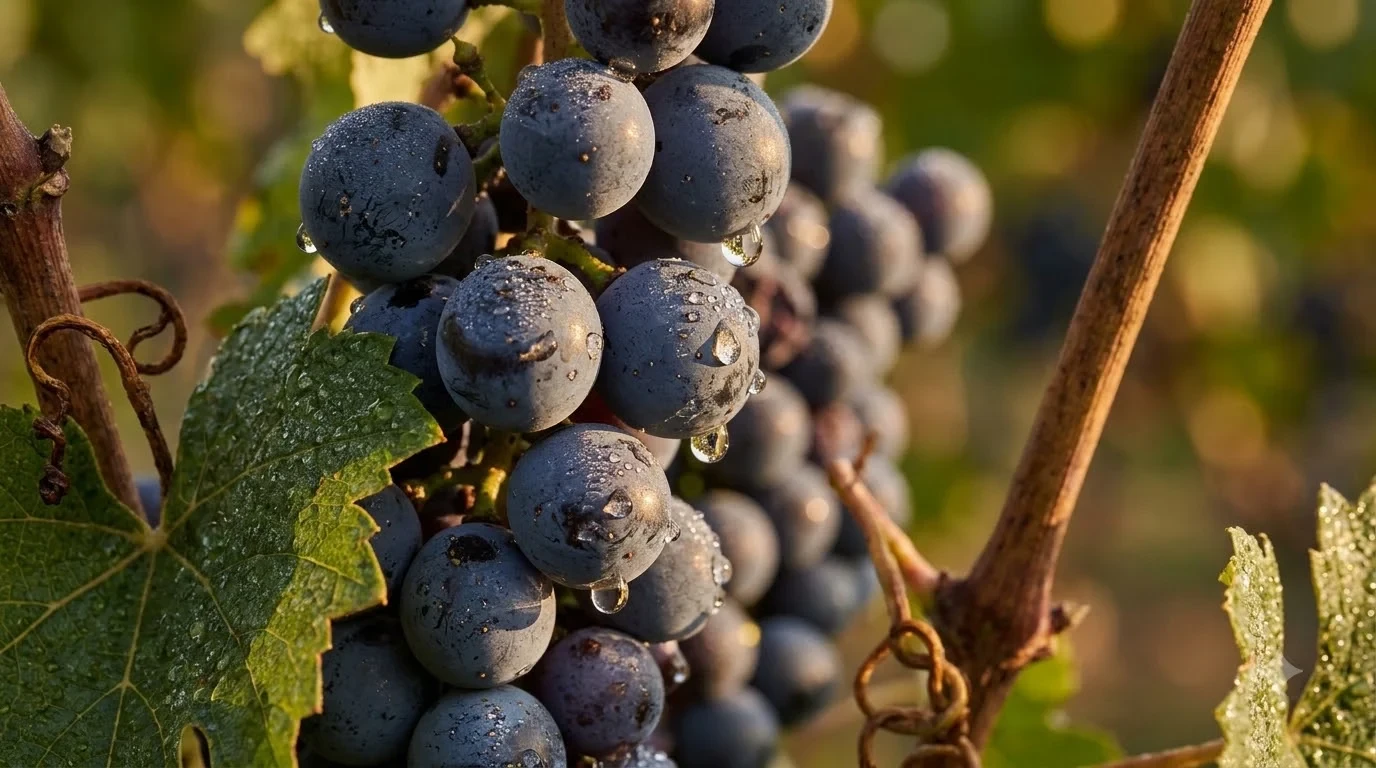
Petit verdot is a red wine grape that ripens late in the season, which is one reason it has mostly been planted in warm spots. Its skins are thick and deeply colored, so wines made from it tend to look inky and dark even when they are young. Because the grape is so often blended, many wine drinkers have tasted it as a supporting player rather than as the star of the bottle.
The grape earns its place in a blend mainly for what it contributes: color, aroma and structure. A small share can change the character of a wine that is otherwise built around other varieties, and that is why it turns up on labels more often than its name suggests.
Flavor and aroma of petit verdot
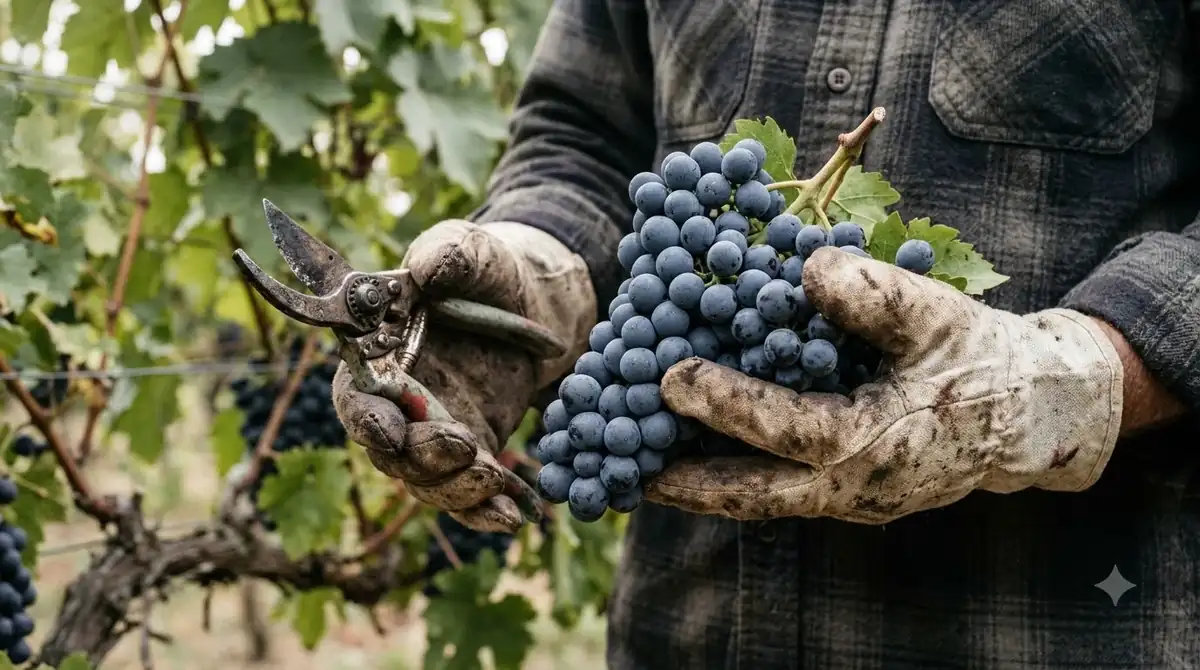
According to Wine Folly’s grape guide, petit verdot shows black cherry, plum, violet, lilac and sage. The wine is dry and full-bodied, with high tannin and medium acidity. Those tannins are the main reason it feels firm and grippy in the mouth, and they are the reason many winemakers blend it with softer grapes rather than bottle it alone.
The floral notes are an easy way to recognize the grape. A young bottle often tastes mostly of dark fruit and spice, with a savory edge. An older bottle can show softer violet and herb notes as the tannins gradually mellow, which is when many drinkers find the wine easier to enjoy on its own.
Because the acidity is only medium, petit verdot does not feel as sharp as a cool-climate red. Its richness comes from fruit and tannin rather than from bright acid, so the wine tends to feel round and weighty on the palate.
Where petit verdot grows and how it is used
Petit verdot is most closely tied to Bordeaux, where it is a minor blending grape in the region’s red wines. Its usual job is to add color, aroma and tannin to a blend built around other red varieties. The exact share varies by estate and vintage, so the producer’s technical sheet or back label is the best place to check how much is in the bottle.
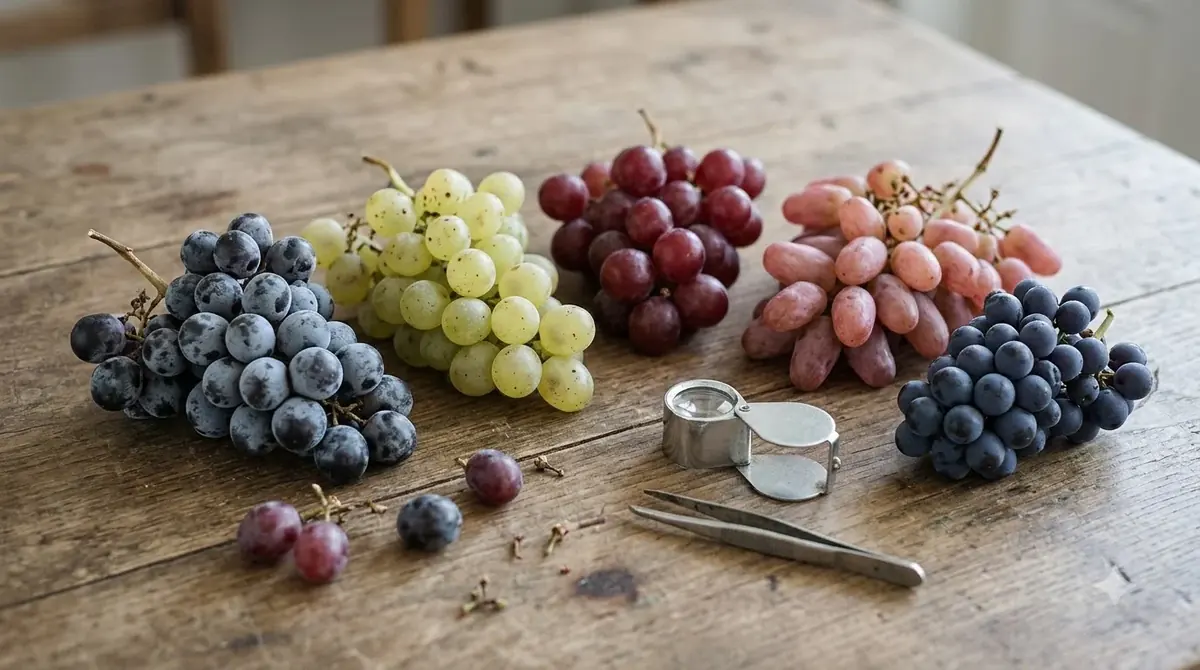
Outside Bordeaux, a handful of producers in warmer climates have bottled petit verdot as a single variety. Those wines tend to be bolder and more concentrated than a traditional Bordeaux blend, and they show the grape’s dark fruit and spice more clearly because nothing else in the glass is competing for attention.
Anyone who wants to understand the wider Bordeaux style can start with a red blend and then look for the petit verdot share on the label. It is a useful way to learn how one small component changes the whole wine. Tasting two wines side by side, one with a small share and one with none, shows the difference more clearly than any written description.
The grape also tells you something about the vineyard. Because it ripens late, a producer who uses it has to pick a site with enough warmth and a long enough season to bring the fruit to full ripeness. That is one reason you will find it mostly in the warmest parts of the Bordeaux region and in hot wine areas elsewhere.
How to serve petit verdot
Serve petit verdot at about 60 to 68 degrees Fahrenheit, or 15 to 20 degrees Celsius. That is slightly cooler than many people keep their red wine, and it helps keep the fruit fresh while the tannin stays in check. Wine Folly’s petit verdot grape guide recommends oversized glasses, which give the aromas room to open, and suggests decanting for about an hour before pouring.
Decanting matters most for a young bottle. Pouring the wine into a decanter exposes it to air, which softens the grip of the tannin and lets the violet and dark fruit notes show more clearly. An older bottle usually needs less time, and a very old one may be better poured gently without decanting so the sediment stays behind.
| Factor | What to expect |
|---|---|
| Style | Dry and full-bodied |
| Tannin | High |
| Acidity | Medium |
| Alcohol | 13.5 to 15 percent ABV |
| Serving temperature | 60 to 68°F (15 to 20°C) |
| Decanting | About 1 hour for a young bottle |
| Cellaring | 10 years or more |
Tip: Pair a young petit verdot with food. Fat and protein soften the tannin, so a bottle that feels rough on its own often tastes smoother at the table.
How to choose a bottle of petit verdot
Most petit verdot you will find on a shelf is part of a blend, so read the back label or the producer’s notes to see how much of the wine it makes up. A Bordeaux-style blend with a small share will taste mostly like its partners, with a darker color and a little extra spice. A bottle labeled petit verdot from a warm region will show much more of the grape itself.
If you enjoy full, firm red wine, petit verdot will likely suit you. If you prefer soft, low-tannin reds, a young bottle may feel too grippy at first, so look for an older vintage or a producer that describes its tannins as silky. Those who like lighter styles may find a pinot noir grape wine a gentler starting point before moving to something more structured.
Pair the wine with grilled red meat, lamb, or aged hard cheese, where the richness and tannin balance each other. Simple roasted vegetables with herbs also work well, because the sage-like notes in the wine complement earthy flavors.
Frequently Asked Questions
What does petit verdot taste like?
Petit verdot usually shows black cherry, plum, violet and sage, with high tannin and medium acidity. It is dry and full-bodied, so the wine feels firm and rich rather than light or juicy.
Is petit verdot a wine on its own?
It can be. In warmer climates some producers bottle it as a single variety, but in Bordeaux it is most often a minor part of a red blend. Check the label to see whether the bottle is a varietal or a blend.
How long can petit verdot age?
Wine Folly suggests that petit verdot can be cellared for 10 years or more. Its high tannin gives it the structure to develop over time, and many people find the flavors become softer and more complex with age.
Is petit verdot the same as Petite Sirah?
No. They are different grapes, even though the names sound similar. Petit verdot is a Bordeaux variety, while Petite Sirah is a separate red grape that is usually made as a bold, dark wine on its own.
Petit verdot is easy to overlook, but it rewards attention. Learn its dark fruit and firm tannin, serve it a little cool, and give a young bottle time to open. To see how this grape fits with other reds, the Wine by Type guide is a useful next stop.
More in Wine Types & Grapes
 Zinfandel Sugar Content: Dry Red vs. White Zinfandel GramsUpdated Nov 21, 2026
 Best Zinfandel Substitute Options for Sipping and CookingUpdated Nov 21, 2026
 Zweigelt Food Pairing: Best Dishes, Cheeses, and Serving TipsUpdated Nov 21, 2026
 Zinfandel Tannins Explained: How Structure Shapes Every BottleUpdated Nov 21, 2026
 Zinfandel Sweetness Level: Dry Red vs. Sweet White Zin ExplainedUpdated Nov 21, 2026
 Xinomavro Food Pairing: Best Dishes, Styles, and Serving TipsUpdated Nov 21, 2026